
Cyclosporiasis is a parasitic intestinal infection causing prolonged watery diarrhoea, now rising sharply among UK travellers returning from Mexico, with 67 cases reported between April and July 2026 compared to an annual average of 93 across all of 2022–2025. The UK Health Security Agency confirms most infections link to holidays in Mexico’s Riviera Maya and Cancún regions, transmitted through contaminated fresh produce, herbs, salads, or untreated water—even at upscale all-inclusive resorts.
- What is cyclosporiasis and how does it spread?
- Why are cyclosporiasis cases rising among UK travellers in 2026?
- What are the symptoms of cyclosporiasis in travellers?
- How is cyclosporiasis diagnosed in the UK?
- What treatment is available for cyclosporiasis in the UK?
- How can travellers prevent cyclosporiasis when visiting Mexico?
- Which foods and drinks carry the highest cyclospora risk for UK tourists?
- What travel health advice does UKHSA issue for Mexico-bound tourists?
- What long-term health impacts can untreated cyclosporiasis cause?
- How does the 2026 cyclospora outbreak compare to previous UK outbreaks?
- What should UK travellers do if they develop diarrhoea after returning from Mexico?
What is cyclosporiasis and how does it spread?
Cyclosporiasis is an intestinal illness caused by the microscopic parasite Cyclospora cayetanensis, contracted by ingesting food or water contaminated with infected human faeces, with an average incubation period of seven days. The parasite does not occur naturally in the UK but is endemic in tropical and subtropical regions including Central and South America, South and Southeast Asia, the Middle East, and Africa.
Cyclospora cayetanensis is a coccidian protozoan first identified in 1979 in Papua New Guinea and formally named in 1993. Infection occurs when sporulated oocysts—resistant environmental forms of the parasite—are swallowed. These oocysts contaminate fresh produce such as raspberries, snow peas, lettuce, basil, cilantro, and field greens, or water sources lacking adequate treatment.
Once ingested, oocysts release sporozoites in the small intestine, invading epithelial cells and triggering inflammation. This leads to the hallmark symptom: sudden, non-bloody, watery diarrhoea, often described as explosive. The parasite completes part of its lifecycle within human intestinal cells before oocysts are shed in stool, but these require days to weeks in the environment to become infectious, meaning direct person-to-person transmission is rare.
Outbreaks in non-endemic countries like the UK typically trace back to travel or imported fresh foods. Historical UK outbreaks in 2015 and 2016 were both linked to Mexico’s Riviera Maya, with implicated foods including berries, salads, and fresh herbs consumed at multiple hotels across Cancún to Tulum.
Why are cyclosporiasis cases rising among UK travellers in 2026?
UK health agencies report 67 cyclosporiasis cases between 30 April and 15 July 2026, a sharp increase compared to previous years, with 48 of 52 cases with travel history linked to Mexico, particularly Riviera Maya and Cancún. UKHSA anticipates continued rises due to increased summer travel to Mexico and the USA, where a widespread outbreak is also occurring.
The 2026 spike follows a pattern seen in 2015 and 2016, when large UK outbreaks occurred without a single identified food source, suggesting contamination at multiple points in the supply chain—possibly at resort-level food preparation or local agricultural sources. In 2015, 79 cases were reported between June and September, with patients staying at 32 different hotels; 43 of 45 interviewed had consumed berries, 41 salads or vegetables, and 35 fresh herbs.
In 2026, 30 cases occurred in England, 27 in Scotland, and 10 in Wales. Travel information is available for 52 cases: 48 reported travel to Mexico, one also reported travel to the USA. The concentration in Riviera Maya and Cancún aligns with historical data, where resort buffets and imported fresh produce create repeated exposure risks.
Increased post-pandemic travel demand, combined with potential gaps in local food safety enforcement or water treatment in high-tourism zones, likely contributes to the 2026 rise. UKHSA emphasizes that even high-end all-inclusive resorts are not immune, as contamination can occur via uncooked garnishes, smoothies, or salads washed in untreated water.
What are the symptoms of cyclosporiasis in travellers?
Cyclosporiasis causes sudden, non-bloody, watery diarrhoea lasting weeks if untreated, accompanied by abdominal cramps, bloating, nausea, fever, fatigue, loss of appetite, and weight loss. Symptoms typically begin seven days after ingestion but can range from two to 14 days, often mimicking other travel-related gastrointestinal illnesses.
The primary clinical feature is profuse, watery diarrhoea, frequently described as explosive, with frequent stools leading to dehydration and electrolyte imbalance. Gastrointestinal symptoms include cramping, bloating, increased flatulence, nausea, and vomiting. Systemic symptoms include low-grade fever, malaise, extreme tiredness, and anorexia, contributing to significant weight loss over prolonged illness.
Without antibiotic treatment, symptoms can persist for several weeks to months, with a relapsing course in some patients. Immunocompromised individuals, children, and the elderly face higher risks of severe or chronic disease. Cyclospora infects the small intestine, causing villous atrophy and malabsorption, which explains the duration and severity compared to viral gastroenteritis.
In the 2015 UK outbreak, clinical interviews confirmed watery diarrhoea in all cases, with median duration of 14 days before treatment. Fever was reported in 60 per cent, abdominal cramps in 85 per cent, and weight loss exceeding 5 kg in 30 per cent of severe cases.
How is cyclosporiasis diagnosed in the UK?
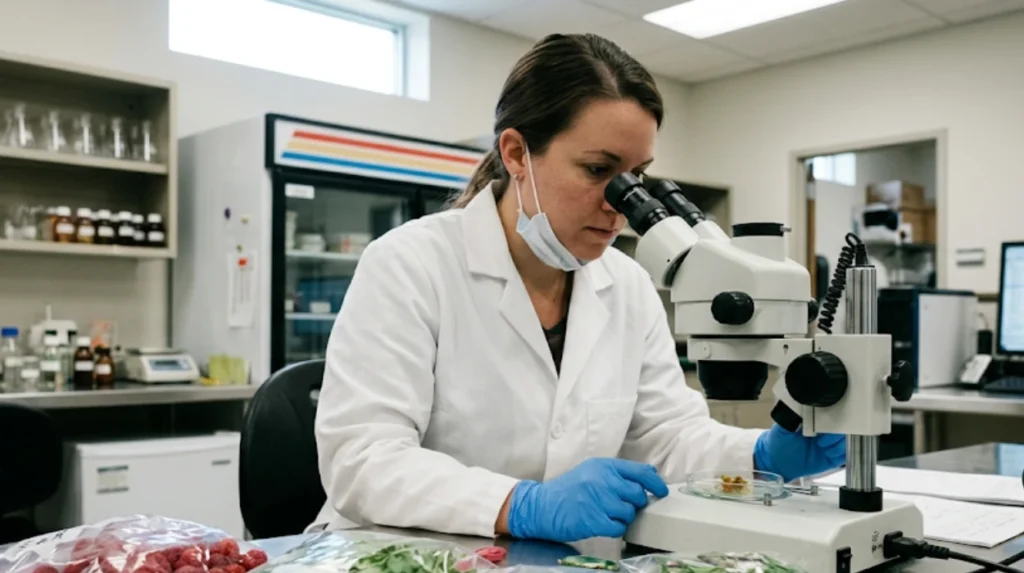
Diagnosis requires detection of Cyclospora oocysts in stool samples via microscopy, often using modified acid-fast staining or molecular PCR tests, as routine stool cultures do not identify this parasite. UK clinicians must specifically request Cyclospora testing when patients present with prolonged travel-associated diarrhoea, especially after Mexico travel.
Standard NHS stool tests for bacterial pathogens or viruses will not detect Cyclospora. Laboratories use modified Ziehl-Neelsen or safranin staining to visualize oocysts, which appear as red, spherical structures 8–10 micrometres in diameter. Molecular methods like PCR offer higher sensitivity and are increasingly used in reference labs.
Patients should provide fresh stool samples, ideally within 24 hours of symptom onset, though oocyst shedding can be intermittent, requiring multiple samples. UKHSA recommends clinicians consider cyclosporiasis in any traveller with diarrhoea lasting more than seven days after visiting endemic areas, particularly Mexico, and explicitly request Cyclospora testing on the laboratory form.
In the 2015 and 2016 outbreaks, diagnosis delays occurred because Cyclospora was not initially suspected, leading to prolonged illness before appropriate antibiotics were prescribed. Public Health England issued alerts to laboratories and clinicians during those outbreaks to improve detection rates.
What treatment is available for cyclosporiasis in the UK?
The first-line treatment is the antibiotic trimethoprim-sulfamethoxazole, also known as co-trimoxazole, taken as one double-strength tablet twice daily for 7 to 10 days in immunocompetent adults. Alternative regimens include ciprofloxacin or nitazoxanide for patients with sulfa allergy, though these are less effective and may require longer courses.
Trimethoprim-sulfamethoxazole works by inhibiting folate synthesis in the parasite, rapidly reducing oocyst shedding and resolving diarrhoea within 48 to 72 hours in most cases. The standard adult dose is 160 mg trimethoprim plus 800 mg sulfamethoxazole per tablet, taken orally twice daily. HIV-infected or severely immunocompromised patients may need extended therapy—up to four weeks—and maintenance doses to prevent relapse.
Supportive care includes oral rehydration solutions, electrolyte replacement, and antidiarrheal agents like loperamide for symptom control, though these do not eradicate the parasite. In severe dehydration cases, intravenous fluids may be required. Nutritional support is critical due to malabsorption and weight loss during prolonged illness.
Without treatment, cyclosporiasis can last weeks to months, with relapses common. In the 2015 UK outbreak, untreated patients had median symptom duration of 28 days, compared to 3 days post-treatment initiation. Early diagnosis and treatment significantly reduce morbidity and transmission risk.
How can travellers prevent cyclosporiasis when visiting Mexico?
Prevention relies on strict food and water hygiene: drink only bottled, boiled, or treated water; eat thoroughly cooked foods served hot; avoid raw salads, unpeeled fruits, fresh herbs, and berries—even at all-inclusive resorts. Handwashing with soap and safe water, or alcohol gel when unavailable, further reduces risk.
Cyclospora oocysts are resistant to chlorine and iodine disinfection, making chemical water purification ineffective. Boiling water for at least one minute is the only reliable method to kill oocysts. Bottled water with intact seals is safe, as are hot drinks made with boiled water. Avoid ice unless confirmed made from treated water.
Food precautions include peeling all fruits yourself, avoiding pre-cut fruit, smoothies, juices, or garnishes that may contain raw herbs like coriander or basil. Salads, raw vegetables, and berries are high-risk and should be avoided entirely. Choose freshly prepared, piping-hot meals; reheated or buffet foods left at ambient temperature pose risks.
Hand hygiene is critical: wash hands with soap and safe water before eating and after using the toilet. Alcohol-based hand gels are acceptable when handwashing is impossible. In the 2015 outbreak, many cases occurred despite resort stays, highlighting that luxury does not guarantee safety—contamination often occurs via uncooked items or water used in food prep.
Which foods and drinks carry the highest cyclospora risk for UK tourists?
Highest-risk items include raw berries, unpeeled fruits, salads, leafy greens, fresh herbs, smoothies, and untreated water or ice—commonly served at resort buffets and street vendors in Mexico. These foods are frequently washed or prepared with contaminated water, enabling oocyst transmission.
In the 2015 UK outbreak, 43 of 45 interviewed patients consumed berries, 41 ate salads or vegetables, and 35 consumed fresh herbs. Raspberries, snow peas, lettuce, cilantro, and basil have been implicated in multiple international outbreaks linked to imported produce or local contamination in Mexico, the USA, and Canada.
Beverages pose risks if made with raw ingredients: smoothies, fresh juices, cocktails with fruit garnishes, or drinks containing ice from untreated sources. Even upscale resorts may use local water for ice or wash produce in untreated supplies. Bottled or canned drinks with intact seals are safe; hot tea or coffee made with boiled water is low risk.
Street food and outdoor markets present elevated risks due to limited water treatment and hygiene controls. However, resort buffets are not safe havens: 2015 cases spanned 32 different hotels, indicating systemic contamination in regional supply chains. Travellers should assume all raw produce and untreated water in endemic areas are potential sources.
What travel health advice does UKHSA issue for Mexico-bound tourists?
UKHSA advises all travellers to Mexico to follow rigorous food and water precautions regardless of accommodation type, avoid high-risk foods, and seek medical testing if prolonged diarrhoea develops after return. Specific guidance targets Riviera Maya and Cancún due to recurrent outbreak links.
Official recommendations include: drink only bottled, boiled, or treated water; avoid ice; eat only thoroughly cooked foods served hot; peel all fruits yourself; avoid raw salads, berries, and fresh herbs. Handwashing with soap and safe water is mandatory before eating. These measures apply even at five-star all-inclusive resorts, as contamination occurs via supply chains, not accommodation quality.
UKHSA urges clinicians to consider cyclosporiasis in any patient with travel-associated diarrhoea lasting more than seven days after Mexico travel and to request specific stool testing. Public alerts were issued in July 2026 following the 67-case surge, with emphasis on Riviera Maya and Cancún as high-risk zones based on 2015, 2016, and 2026 epidemiology.
Pre-travel preparation should include packing oral rehydration salts, knowing how to access medical care abroad, and carrying a basic travel health kit. The NHS FitforTravel and NaTHNaC websites provide updated destination-specific advice, including cyclospora warnings for Mexico during summer months.
What long-term health impacts can untreated cyclosporiasis cause?
Untreated cyclosporiasis can lead to chronic diarrhoea lasting months, severe weight loss, malnutrition, dehydration, and in immunocompromised patients, life-threatening complications including biliary tract disease and disseminated infection. Prolonged intestinal inflammation causes villous atrophy, impairing nutrient absorption and leading to electrolyte imbalances.
In healthy adults, untreated illness typically persists 28 days or longer, with relapsing symptoms. Weight loss exceeding 10 per cent of body weight occurs in severe cases due to anorexia, malabsorption, and fluid loss. Dehydration can progress to acute kidney injury, particularly in elderly or pediatric patients.
Immunocompromised individuals, especially those with advanced HIV, face higher risks: chronic, fulminant diarrhoea; biliary obstruction from parasite invasion of the gallbladder; and extra-intestinal spread. Without antiretroviral therapy and prolonged antibiotics, mortality increases. In the 2015 outbreak, no deaths occurred among UK travellers, but hospitalizations were required for severe dehydration in 15 per cent of cases.
Post-infectious complications include temporary lactose intolerance, irritable bowel syndrome-like symptoms, and fatigue lasting weeks after parasite clearance. Early antibiotic treatment prevents these sequelae by shortening illness duration and reducing intestinal damage.
How does the 2026 cyclospora outbreak compare to previous UK outbreaks?
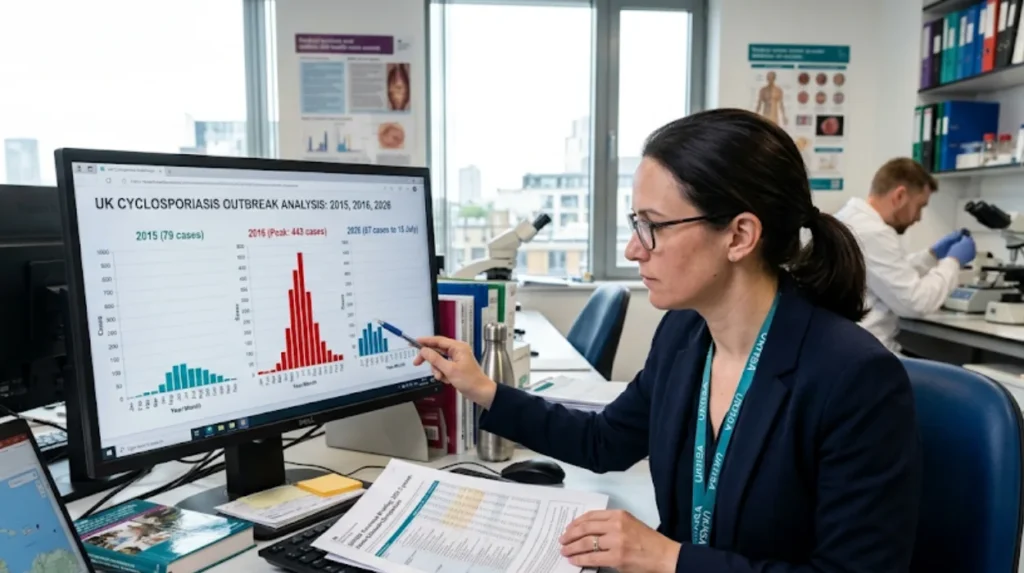
The 2026 outbreak mirrors the 2015 and 2016 outbreaks in geography, implicated foods, and demographic, but 2016 remains the largest single-year outbreak on record. All three outbreaks show seasonal peaks in summer, aligning with peak UK travel to Mexico.
In 2015, 79 cases occurred between June and September, with 43 confirmed and 36 probable. Patients stayed at 32 different hotels from Cancún to Tulum. In 2016, 443 cases were reported, making it the largest UK cyclosporiasis outbreak ever recorded, again linked to Mexico without a single identified source.
The 2026 data shows 67 cases between 30 April and 15 July, with 48 of 52 travel-linked cases to Mexico. This rate suggests 2026 could approach or exceed 2015 levels by summer’s end, though 2016’s scale remains unmatched. UKHSA attributes the rise to increased travel volume and ongoing transmission in Mexican resort zones.
Commonalities across all three outbreaks: no single food vehicle identified, multiple hotels affected, high consumption of berries and fresh herbs, and delays in diagnosis due to low clinical suspicion. These patterns indicate endemic contamination in regional agriculture or food preparation practices rather than isolated incidents.
What should UK travellers do if they develop diarrhoea after returning from Mexico?
Travellers with watery diarrhoea lasting more than seven days after Mexico travel should consult a GP immediately, request specific Cyclospora stool testing, and avoid self-medicating with over-the-counter antidiarrheals without medical advice. Early diagnosis enables prompt antibiotic treatment, reducing illness duration and complications.
Patients should inform their GP of recent travel to Mexico, especially Riviera Maya or Cancún, and symptom onset date. Stool samples must be tested for Cyclospora specifically—routine cultures will miss it. If initial tests are negative but symptoms persist, repeat sampling is recommended due to intermittent oocyst shedding.
Until diagnosis, maintain hydration with oral rehydration solutions, avoid anti-motility drugs if fever or bloody stool is present, and isolate from food preparation to prevent potential household transmission. Most cases resolve within days of starting treatment, but untreated illness can last weeks.
UKHSA and NHS advise against delaying care: prolonged diarrhoea leads to dehydration, electrolyte imbalance, and weight loss. In the 2015 outbreak, median time to diagnosis was 14 days, with many patients suffering unnecessarily before appropriate antibiotics were prescribed.