Lambeth stands out as an ideal weekend break destination because it combines world-class cultural attractions, extensive green spaces, rich heritage sites, diverse dining and nightlife, and excellent transport links within a compact, walkable area of South London.
- What Are the Main Attractions That Draw Visitors to Lambeth?
- How Does Lambeth’s Historical Heritage Enhance the Visitor Experience?
- Which Parks and Green Spaces Make Lambeth Suitable for Relaxation?
- What Cultural and Entertainment Venues Are Available in Lambeth?
- How Accessible Is Lambeth for Weekend Visitors Using Public Transport?
- Where Can Visitors Stay Overnight in Lambeth During a Weekend Break?
- What Dining and Nightlife Options Enhance a Weekend in Lambeth?
- Which Activities Suit Families and Leisure Travellers Seeking Relaxation?
- How Does Lambeth Compare to Other South London Boroughs for Short Stays?
- What Practical Information Should Visitors Know Before Planning a Lambeth Weekend?
What Are the Main Attractions That Draw Visitors to Lambeth?
Lambeth offers iconic landmarks including the London Eye, Imperial War Museum, Southbank Centre, and Brixton Academy, alongside historic sites like Lambeth Palace and the Florence Nightingale Museum. These attractions provide a mix of entertainment, education, and cultural experiences that appeal to a broad audience seeking memorable weekend activities.
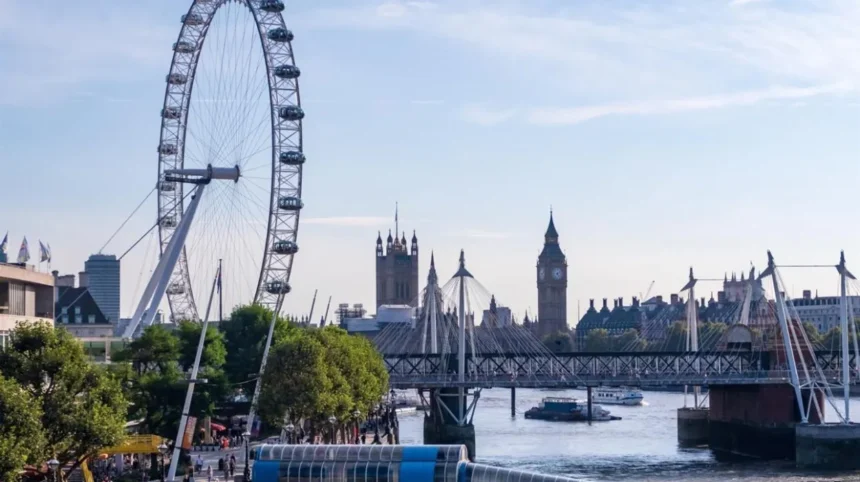
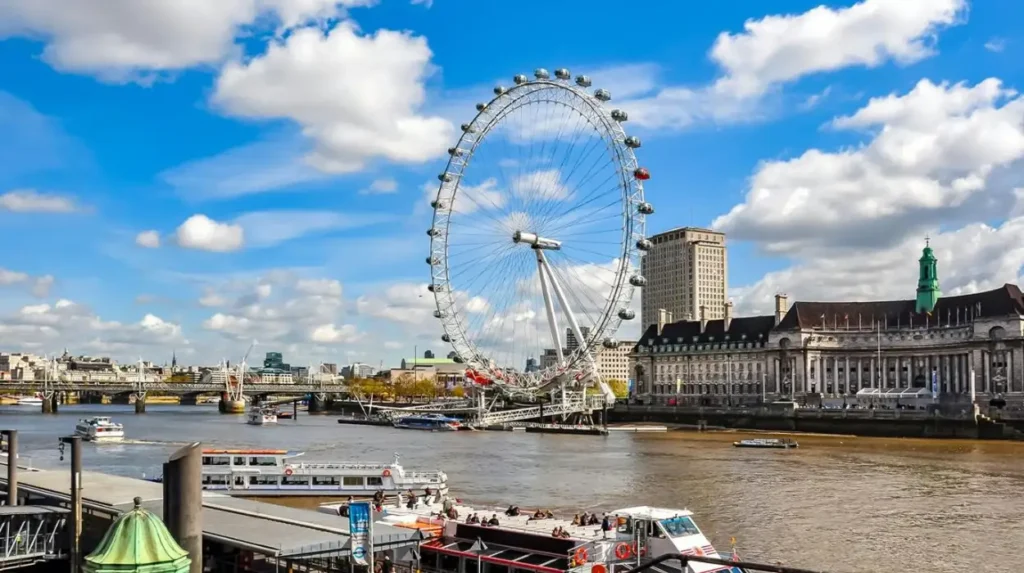
The London Eye, positioned on the South Bank, remains one of the most visited paid attractions in the United Kingdom, offering panoramic views across central London. The Imperial War Museum on Lambeth Road presents extensive exhibitions on conflicts involving Britain, with free admission and facilities suitable for all ages. The Southbank Centre hosts concerts, theatre performances, and art exhibitions year-round, establishing Lambeth as a cultural hub for the arts.
Brixton Academy, an Art Deco music venue on Stockwell Road, attracts audiences of up to 4,000 for live performances spanning multiple genres. Lambeth Palace, the official residence of the Archbishop of Canterbury, opens its 10-acre gardens to the public from April to September on the first Friday of each month between 12pm and 3pm. The Florence Nightingale Museum, located within St Thomas’ Hospital, documents the life and work of the pioneering nurse with archival materials and interactive displays.
Additional sites include the Garden Museum, housed in the medieval St Mary-at-Lambeth church, which explores the history of gardening across centuries. The Cinema Museum, situated in a former Victorian workhouse, displays film posters, props, and equipment while hosting regular screenings. These institutions collectively position Lambeth as a destination where history, culture, and entertainment converge.
How Does Lambeth’s Historical Heritage Enhance the Visitor Experience?
Lambeth’s 800-year heritage, from its medieval origins as Lambehitha to its role in Church of England history, provides depth and context that enriches short stays. This historical layering transforms simple sightseeing into meaningful cultural exploration.
The name Lambeth derives from Lambehitha, meaning “landing place for lambs,” and was recorded in this form by 1255. The manor belonged to the Archbishop of Canterbury from the medieval period, growing into one of South London’s most densely populated areas. Lambeth Palace itself holds Grade I listed status for its Tudor-style architecture and continuous 800-year association with the Church of England.
St Mary-at-Lambeth church, now the Garden Museum site, represents one of the oldest Christian worship locations in Britain, with origins dating to the 11th century. The area transitioned from agricultural land dominated by farms and market gardens to a fashionable residential district in the 18th century, as wealthy merchants and noblemen established homes there.
As you explore the modern site, you are crossing land with a deep heritage. Read about the full Lambeth historical development from medieval manor to modern borough to understand its origins. Lambeth’s Heritage Festival, held each September, features over 80 events including walks, talks, and exhibitions that celebrate this layered past. Tours cover topics such as South London’s lost rivers, the Windrush generation in Brixton, and the Art Deco heritage of Streatham.
Which Parks and Green Spaces Make Lambeth Suitable for Relaxation?
Lambeth manages 137 green spaces, including 26 Green Flag Award-winning parks such as Brockwell Park, Clapham Common, and Kennington Park, offering extensive outdoor recreation. These spaces provide natural retreats within an urban environment.
Brockwell Park spans 50 hectares and features landscaped gardens, sports facilities, a lido for open-air swimming, and a café. The park hosts the Brockwell Live summer festival series and the Lambeth Country Show, one of the largest free community festivals in the UK. It holds both Green Flag Award and Green Heritage Site Accreditation for its management and conservation standards.
Clapham Common covers over 85 hectares, making it one of London’s largest and oldest public open spaces, first mentioned in the Domesday Book of 1086. The common supports jogging, cycling, team sports, and community events across its grasslands, ponds, and tree-lined pathways. It remains open 24 hours daily, though facilities such as toilets and cafés operate within set hours.
Kennington Park, also Green Flag and Green Heritage accredited, lies adjacent to the Oval Cricket Ground and the Imperial War Museum. Vauxhall Park, Vauxhall Pleasure Gardens, and Ruskin Park round out the portfolio of award-winning sites. Lambeth’s parks generate £1.8 million annually in economic value, with events at Brockwell Park alone contributing £150,000 for park investment and community projects.
What Cultural and Entertainment Venues Are Available in Lambeth?
Lambeth hosts major venues including the Southbank Centre, Brixton Academy, The Vaults under Waterloo Station, and the Ritzy Cinema in Brixton, offering diverse live performances and screenings. These venues cater to varied tastes in music, theatre, and film.
The Southbank Centre complex includes concert halls, theatres, and galleries that programme classical music, contemporary performance, and visual arts throughout the year. Brixton Academy, operated by O2, books international artists across rock, pop, electronic, and hip-hop genres in its 4,000-capacity Art Deco auditorium.
The Vaults, located beneath Waterloo Station, specialises in immersive theatre, art installations, and experimental performances within the railway arches. The Ritzy Cinema in Brixton screens mainstream releases alongside independent and international films in a historic setting.
Street art at the Leake Street Arches and Tunnel near Waterloo provides a legal graffiti space where artists create and refresh large-scale murals. The Black Cultural Archives in Brixton documents and exhibits Black British heritage through talks, workshops, and rotating exhibitions. These venues collectively establish Lambeth as a centre for both established and emerging cultural production.
How Accessible Is Lambeth for Weekend Visitors Using Public Transport?
Lambeth benefits from multiple Underground stations on the Bakerloo, Northern, Victoria, and Waterloo & City lines, plus mainline rail at Waterloo and Vauxhall, ensuring seamless connectivity. This transport density allows visitors to reach attractions without private vehicles.
Waterloo Station serves as one of London’s busiest interchanges, connecting National Rail services from across the UK with the Jubilee, Northern, Bakerloo, and Waterloo & City Underground lines. Vauxhall Station provides Victoria Line access and South Western Railway services towards Surrey and Hampshire. Brixton Station on the Victoria Line offers direct routes to central London and south London suburbs.
Lambeth North Station on the Bakerloo Line places visitors within walking distance of Lambeth Palace, the Garden Museum, and the Imperial War Museum. Elephant & Castle Station, served by the Bakerloo and Northern Lines, connects to the London Borough of Southwark and destinations further south.
Thames river services stop at Waterloo Pier and Westminster Pier, enabling boat travel along the Thames for sightseeing or commuting. Multiple bus routes traverse Lambeth, linking Brixton, Clapham, Streatham, and Vauxhall to central London and beyond. This integrated network supports car-free weekend itineraries.
Where Can Visitors Stay Overnight in Lambeth During a Weekend Break?
Lambeth offers over 1,700 hotel rooms ranging from budget options at £100 per night to luxury properties, plus vacation rentals and family-friendly accommodations. This variety supports different budgets and travel styles.
Budget-conscious visitors find 3-star hotel rooms from £100 per night, with 2-star options available from £134 and competitive rates for 4-star plus properties from £74 during promotional periods. The Ruby Lucy Hotel, located 1 kilometre from Big Ben and 1.3 kilometres from the Houses of Parliament, exemplifies mid-range accommodation in the Lambeth district.
Vacation rentals through platforms such as Airbnb provide family-friendly apartments, properties with patios, and self-catering options across Brixton, Clapham, and Vauxhall. Luxury weekend break packages combine accommodation with activities at premium rates for travellers seeking enhanced experiences.
Hotels cluster around major transport hubs including Waterloo, Vauxhall, and Brixton, minimising transfer times upon arrival. Many properties offer fully refundable bookings, allowing flexible planning for short stays. This accommodation density ensures availability even during peak weekend periods.
What Dining and Nightlife Options Enhance a Weekend in Lambeth?
Lambeth features diverse restaurants, cafés, street food markets like Brixton Village, and nightlife venues including pubs, bars, and clubs across Brixton and the South Bank. These options support varied culinary preferences and evening entertainment.
Brixton Market and Brixton Village host numerous street food stalls and independent eateries serving Caribbean, African, Asian, and European cuisines. Restaurants on South Lambeth Road and Brixton Road operate extended weekend hours, with many open until 2am on Fridays and Saturdays.
The Garden Café at the Garden Museum offers seasonal lunch menus daily from 11am to 4pm, plus dinner service on Tuesdays and Fridays from 5:30pm or 6pm until 9pm. January hours reduce to Tuesday through Sunday, 10am to 4pm, with Mondays closed.
Fine dining establishments alongside casual cafés populate Lambeth’s high streets, supported by positive reviews on booking platforms such as OpenTable. Nightlife centres on Brixton Academy concerts, South Bank bars, and independent pubs in Kennington and Vauxhall. This ecosystem ensures visitors can dine and socialise without leaving the borough.
Which Activities Suit Families and Leisure Travellers Seeking Relaxation?
Families benefit from child-friendly parks with play areas, paddling pools, and open spaces, while leisure travellers enjoy museums, gardens, and riverside walks. These activities balance engagement with relaxation.
Lambeth’s 78 parks include 27 with children’s play areas and five with paddling pools, distributed across the borough. Brockwell Park’s lido provides supervised swimming during summer months, while Clapham Common supports picnics and informal sports.
Museums such as the Imperial War Museum and the Florence Nightingale Museum offer free admission and educational content suitable for all ages. Lambeth Palace Gardens, open seasonally, present a tranquil setting for guided or independent exploration.
Riverside walks along the Thames Path connect the Southbank Centre, London Eye, and Westminster views, ideal for strolling without entry fees. Tibetan Peace Gardens near Lambeth North provide a quiet retreat from urban bustle. These options accommodate both active and restful weekend pacing.
How Does Lambeth Compare to Other South London Boroughs for Short Stays?
Lambeth’s concentration of major attractions, award-winning parks, and transport hubs exceeds neighbouring boroughs, making it uniquely suited for compact weekend itineraries. This density reduces travel time between activities.
Wandsworth, to the west, shares Clapham Common but lacks Lambeth’s museum cluster and South Bank cultural venues. Southwark, to the east, hosts Borough Market and Tate Modern but does not match Lambeth’s green space portfolio or Brixton’s nightlife. Croydon, further south, offers shopping and parks but fewer iconic landmarks.
Lambeth’s 26 Green Flag Award-winning parks outnumber many neighbouring authorities, reflecting sustained investment in public realm quality. Its four Underground lines and two mainline stations provide superior connectivity compared to boroughs reliant on single lines or bus networks.
This combination of cultural assets, natural spaces, and transport infrastructure positions Lambeth as the most efficient South London base for weekend breaks targeting both relaxation and sightseeing.

What Practical Information Should Visitors Know Before Planning a Lambeth Weekend?
Visitors should note seasonal opening times for gardens, free admission at major museums, and peak booking periods for hotels and events to optimise their stay. Advance planning enhances the experience.
Lambeth Palace Gardens operate only from April to September, on the first Friday monthly between 12pm and 3pm. The Garden Café reduces winter hours in January, closing on Mondays. These constraints require itinerary alignment for garden visits.
The Imperial War Museum, Florence Nightingale Museum, and Garden Museum offer free or low-cost entry, reducing daily expenditure. Hotel rates rise during summer and event weekends, with 3-star rooms reaching £120 per night and 4-star plus options from £203 during high demand.
Booking platforms such as KAYAK, Expedia, and OpenTable enable price comparison and table reservations in advance. Lambeth Council’s parks page provides maps and facility details for green spaces. This information supports efficient, cost-effective trip planning.