Lambeth is one of South London’s leading food destinations because it combines historic markets, multicultural neighbourhoods, independent cafés, restaurants, and international cuisine across areas including Brixton, Waterloo, Vauxhall, and Kennington. The borough’s food culture reflects London’s global population and evolving dining economy.
Lambeth is a London Borough located on the south side of the River Thames. It covers diverse neighbourhoods including Brixton, Waterloo, South Bank, Vauxhall, Stockwell, Kennington, and Streatham. Each area has developed a distinct food identity shaped by migration, local businesses, cultural venues, and historic trading routes.
The borough’s food experiences range from traditional British dining to Caribbean cuisine, African cooking, European restaurants, Asian street food, speciality coffee shops, bakeries, and modern sustainable food concepts.
Lambeth’s position between central London and South London communities makes it accessible for visitors. Major transport connections such as Waterloo Station, Vauxhall Station, and Brixton Underground Station bring tourists, commuters, and business travellers into the borough every day.
Food tourism has become an important part of London’s visitor economy. According to VisitBritain research, food and drink experiences are among the key activities international visitors seek when exploring the UK. Lambeth benefits from this demand through its markets, restaurants, and cultural districts.
The borough’s food landscape developed through centuries of trade. Markets became important meeting points where residents purchased fresh produce, meat, fish, and imported goods.
As visitors explore today’s restaurants and markets, they are experiencing locations shaped by earlier trading traditions. Read about the full [Insert Anchor Text for Lambeth Food History Article Here] to understand the origins of the borough’s culinary identity.
Why Is Brixton One of Lambeth’s Most Famous Food Areas?
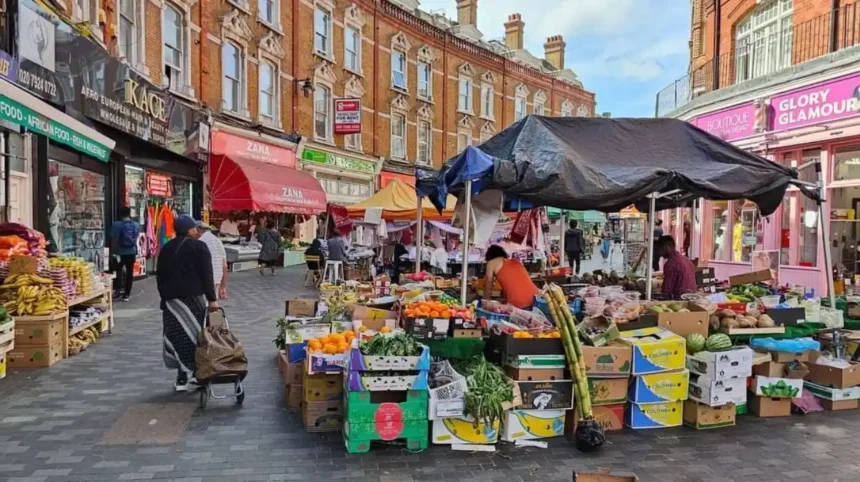
Brixton is one of Lambeth’s most recognised food districts because it combines Caribbean heritage, international restaurants, independent traders, and historic markets. Brixton Market, Pop Brixton, and Electric Avenue create a concentrated food destination for visitors.
Brixton is internationally recognised for its multicultural food culture. The area became strongly associated with Caribbean communities after post-war migration from the Caribbean region, particularly during the Windrush generation from 1948 onwards.
This heritage continues through restaurants, bakeries, grocery shops, and food stalls offering Caribbean dishes such as jerk chicken, rice and peas, patties, curry goat, and fried plantain.
Brixton Market is one of the area’s most important food locations. The market developed from 19th-century trading activity and remains a centre for independent food businesses.
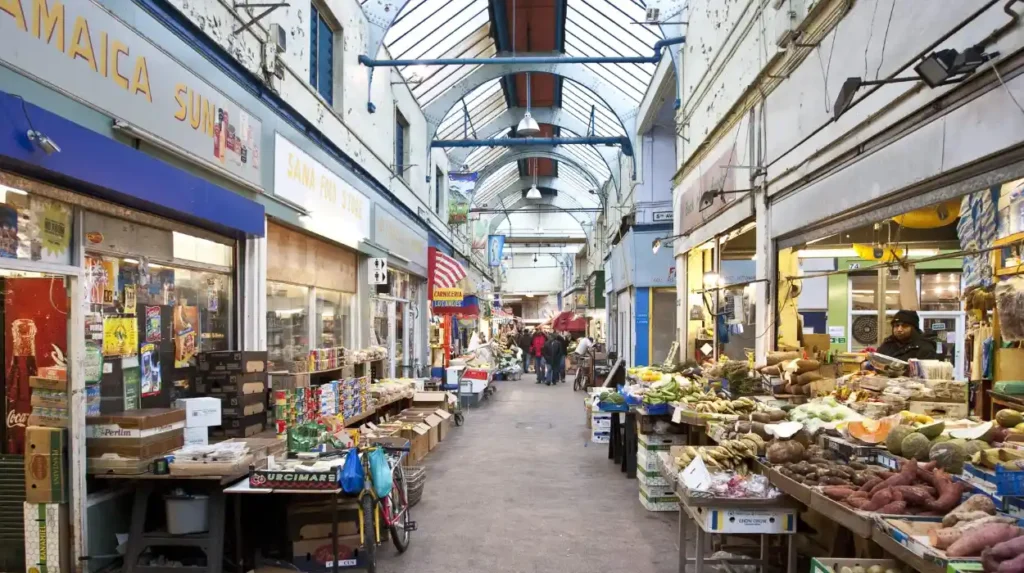
Visitors find restaurants, cafés, specialist shops, and international food stalls within the market area. Traders represent cuisines from regions including the Caribbean, West Africa, Europe, Asia, and Latin America.
Brixton Village and Market Row provide indoor dining spaces where visitors can explore independent restaurants and small food businesses.
Another important destination is Pop Brixton, a community-focused development built from converted shipping containers. It provides space for independent food operators, social enterprises, and local businesses.
The area demonstrates how modern food destinations combine heritage with entrepreneurship. Visitors experience traditional flavours alongside contemporary dining concepts.
What Food Can Visitors Experience at Lambeth Markets?
Lambeth markets provide diverse food experiences through historic trading spaces, independent sellers, street food operators, and specialist producers. The main examples include Brixton Market, Lower Marsh Market, and Vauxhall Food Garden events.
Markets are central to Lambeth’s food identity. They connect consumers with independent traders and reflect the borough’s cultural diversity.
Brixton Market offers one of the widest selections of international food experiences in South London. Visitors find Caribbean cuisine, Mediterranean dishes, Asian cooking, African flavours, and modern fusion menus.
Lower Marsh Market near Waterloo has served the local community for generations. The street market provides quick meals, cafés, bakeries, and independent food businesses.
Lower Marsh developed as a commercial street because of its proximity to Waterloo and growing urban communities during the 19th century. Today it serves office workers, residents, theatre visitors, and tourists visiting the South Bank area.
Market food experiences are important because they allow visitors to sample multiple cuisines in one location. This format supports small businesses and creates accessible dining options.
Food markets also contribute to sustainable local economies by supporting independent traders rather than only large restaurant chains.
Lambeth’s markets demonstrate the connection between historic commerce and modern food tourism.
Explore more Area Guide
What Are the Best Indoor Attractions in Lambeth for Tourists and Digital Nomads
Where Can Visitors Explore Lambeth’s Creative Scene? A Complete Travel Guide
Which Restaurants Represent Lambeth’s International Cuisine?
Lambeth restaurants represent global cuisine through Caribbean, African, European, Asian, and modern British dining. Areas including Brixton, Waterloo, Vauxhall, and Stockwell offer restaurants serving authentic dishes from many international communities.
Lambeth’s restaurant scene reflects the borough’s diverse population. The area contains one of London’s strongest concentrations of international food businesses.
Caribbean cuisine remains a defining feature of Brixton. Restaurants and cafés serve traditional dishes based on generations of culinary knowledge.
African cuisine has also developed a strong presence, particularly through restaurants offering West African dishes including jollof rice, grilled meats, and traditional stews.
Asian food experiences include Japanese, Chinese, Thai, Vietnamese, Indian, and South Asian restaurants across Lambeth neighbourhoods.
The South Bank and Waterloo areas provide restaurants designed for visitors attending cultural attractions, theatres, and business events.
South Bank is a major visitor district beside the River Thames. Its restaurants benefit from nearby attractions including museums, galleries, and performance venues.
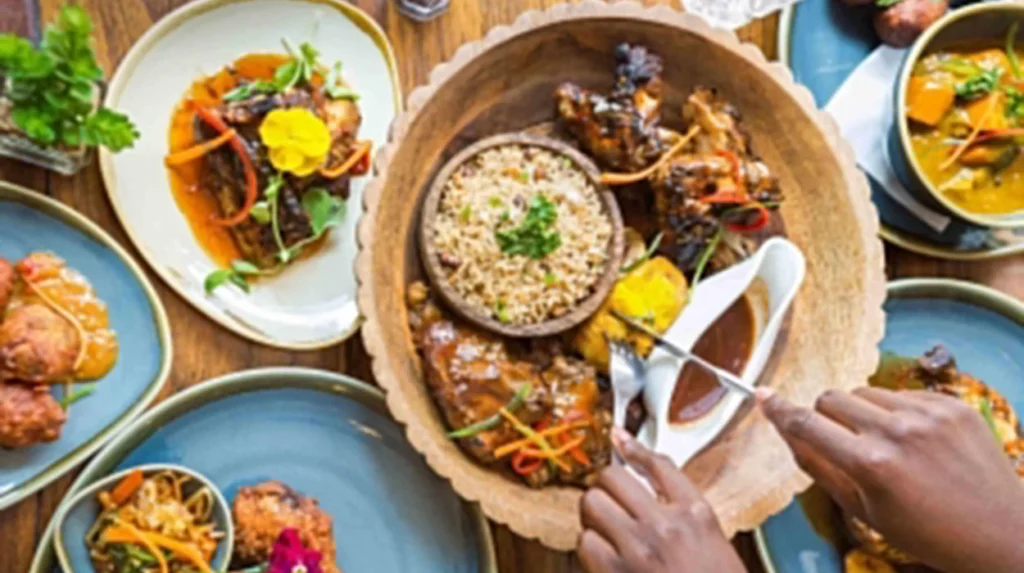
The relationship between food and culture is particularly visible in Lambeth because dining locations often operate alongside music venues, theatres, and community spaces.
Visitors can combine meals with cultural activities, creating full-day experiences within the borough.
What are the best food experiences in Lambeth?
The best food experiences in Lambeth include exploring Brixton Market, tasting Caribbean cuisine, visiting independent cafés, enjoying international restaurants, and discovering street food venues across Waterloo, Vauxhall, Stockwell, and Kennington.