Streatham is a major South London district within the London Borough of Lambeth. It combines a busy high street, large public green spaces, historic gardens, sports facilities, independent businesses, cafés, community venues and strong transport connections. The area stretches along Streatham High Road and includes Streatham Hill, Streatham Common and neighbouring districts.
- What is Streatham best known for?
- Why should you visit Streatham Common?
- What can you see at The Rookery in Streatham?
- How can you explore Streatham’s history?
- What can you do at Streatham Ice and Leisure Centre?
- Where can you shop and eat around Streatham High Road?
- Is Streatham Library worth visiting?
- What outdoor activities can you do around Streatham?
- What are the best things to do in Streatham for families?
- How can digital nomads and business travellers use Streatham?
- What is the best way to plan a day around Streatham?
- Why is Streatham a good South London destination?
For visitors, Streatham offers a practical alternative to central London attractions. Its activities are spread across several distinct environments. Streatham Common provides open countryside-style space, while The Rookery supplies formal gardens and heritage landscapes. Streatham High Road provides shopping, food and everyday entertainment. Streatham Ice and Leisure Centre provides major indoor recreation.
The district also has a substantial historical identity. Streatham Common forms part of an ancient landscape associated with the Great North Wood. The modern neighbourhood developed extensively during the nineteenth and twentieth centuries as London’s suburban expansion reached South London.
For travellers planning a half-day or full day, the best approach is to combine outdoor recreation with the high street, heritage sites and leisure facilities.
What is Streatham best known for?
Streatham is best known for Streatham Common, The Rookery, its long High Road, extensive leisure facilities and varied local shopping. These attractions create a compact South London destination combining nature, heritage, recreation, food, community facilities and everyday urban activity.
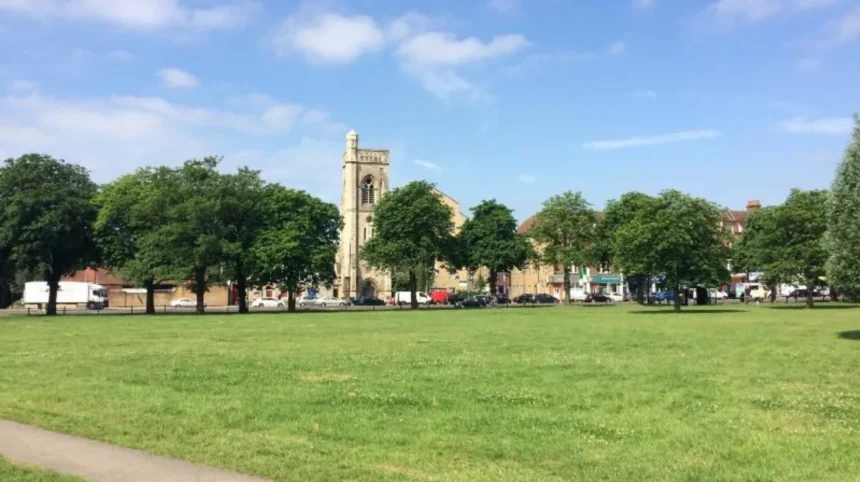
Streatham has a distinctive combination of urban and green environments. Streatham Common is the area’s principal open space and covers a substantial landscape of grassland, woodland, meadows and streams. It also contains a children’s playground, picnic facilities, café, toilets and a seasonal paddling pool.
The Rookery sits within the wider Streatham Common landscape. It is a Grade II listed historic garden containing ornamental ponds, planted beds, hedges, an orchard and a community garden. The garden was opened to the public in 1913 after the land was secured for public use.
Streatham High Road forms the main commercial spine. Shops, cafés, restaurants, services and local businesses extend along the road and connect the different parts of the district.
The area also has one of Lambeth’s most distinctive leisure facilities. Streatham Ice and Leisure Centre contains an Olympic-sized ice rink, a 25-metre swimming pool, a 13-metre teaching pool, a 100-station gym, fitness studios and a multi-use sports hall.
This combination makes Streatham suitable for visitors seeking outdoor activities, indoor recreation, shopping and local culture within one South London district.
Why should you visit Streatham Common?
Streatham Common is one of the strongest reasons to visit the area because it provides open grassland, woodland, wildlife habitats, walking routes, picnic areas, sports space, a playground and access to The Rookery within a historic Lambeth landscape.
Streatham Common occupies the southern edge of Lambeth and provides extensive public open space. Lambeth Council identifies woodland, grassland, meadows and streams as key features of the Common. The landscape also provides views across parts of South London.
The Common has a significant environmental designation. More than 50% of the area is designated as a Local Nature Reserve. Lambeth states that it contains some of the borough’s largest areas of acid grassland and deciduous woodland.
A Local Nature Reserve is a protected site managed for wildlife conservation and public enjoyment. Streatham Common received its designation in 2013 under powers associated with the National Parks and Access to the Countryside Act 1949.
Walking is one of the simplest ways to explore the landscape. The Common also forms part of the Capital Ring, a long-distance circular walking route around Greater London.
Visitors can combine a walk with a picnic, recreational activity or visit to The Rookery. The Common is also used for community events, sporting activities and other public gatherings.
The Common operates as an important transition between Streatham’s commercial environment and its historic open landscape. This makes it particularly useful for travellers who want outdoor time without leaving the built-up London area.
What can you see at The Rookery in Streatham?
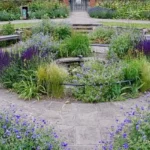
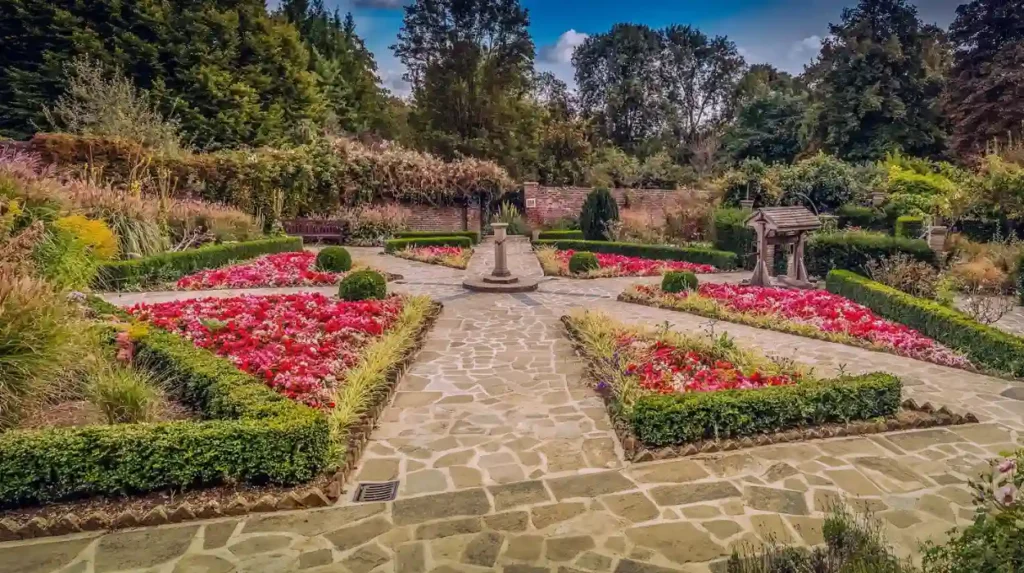
The Rookery contains formal gardens, ornamental ponds, herbaceous and wildflower beds, an Old English Garden, a White Garden, hedges, an orchard and community garden. Its Grade II listed landscape provides Streatham with an important combination of horticulture, heritage and wildlife.
The Rookery is a Grade II listed historic garden within Streatham Common. Grade II listing identifies a building, structure or landscape of special architectural or historic interest.
The garden occupies the former landscaped grounds of a private house known as The Rookery. Public fundraising helped secure the site when redevelopment threatened the gardens. The formal public garden opened in 1913.
Its design includes several distinct horticultural elements. Ornamental ponds provide water features, while herbaceous and wildflower beds create structured planting areas. The Old English Garden and White Garden provide additional themed spaces.
The orchard and community garden add productive and ecological elements to the formal landscape. Wooded edges, hedges and ponds support wildlife.
The Rookery also has a connection with Streatham’s earlier mineral-water history. The former Well House stood on the site associated with Streatham Mineral Wells. The springs were discovered in 1659 and later became part of Streatham’s historic identity.
As you explore the modern site, you are crossing land with a deep heritage. Read about the full to understand its origins.
The garden is normally open from the morning until shortly before dusk, with Lambeth Council advising visitors to check current closing information because seasonal and weather conditions affect access.
How can you explore Streatham’s history?
Streatham’s history is visible through Streatham Common, The Rookery, conservation areas, historic buildings and the High Road. Its development reflects ancient woodland, mineral springs, nineteenth-century suburban growth, twentieth-century expansion and wartime change.
Streatham’s historic landscape predates its modern suburban form. Streatham Common was once part of the wider Great North Wood, an extensive area of woodland and heathland across South London.
Local people historically exercised rights to graze livestock and collect firewood. Much of the wider woodland was later enclosed and developed. Streatham Common survived as a protected public common and was designated a Metropolitan Common in 1884.
The district later experienced rapid suburbanisation. Streatham High Road developed as an important route, while housing expanded around the Common and along the surrounding streets.
Lambeth identifies Streatham Common as a conservation area first designated on 16 June 1994. The boundary was subsequently changed in July 2016. The conservation area includes the Common and historic landscapes such as The Rookery and Park Hall.
The twentieth century brought further change. Lambeth’s conservation appraisal records Zeppelin bombing during the First World War and serious wartime damage during the Second World War. Streatham also experienced extensive post-war housing changes as larger properties were divided into flats.
Visitors interested in architecture should therefore look beyond individual landmarks. The relationship between the Common, High Road and surrounding residential buildings provides evidence of how Streatham developed from a semi-rural landscape into a major London suburb.
What can you do at Streatham Ice and Leisure Centre?
Streatham Ice and Leisure Centre provides indoor ice skating, swimming, gym training, fitness classes and sports facilities. Its Olympic-sized rink, two pools, 100-station gym and sports hall make it one of Streatham’s most substantial all-weather recreation destinations.
Streatham Ice and Leisure Centre is located at 390 Streatham High Road. Lambeth Council currently manages the centre under its Active Lambeth service.
The ice rink is Olympic-sized, measuring 60 metres by 30 metres. The facility has capacity for more than 900 spectators. Public skating sessions, skating lessons and ice hockey activities are available.
The centre provides skate hire across a broad range of sizes. Penguin skating aids are available for smaller children, while snowman aids serve larger young skaters. Public skating sessions are listed as 60 minutes, with advance online booking advised by Active Lambeth.
Swimming facilities include a 25-metre six-lane pool and a 13-metre teaching pool. The centre also contains a 100-station gym, fitness studios and a multi-use sports hall.
The facility operates for extended weekday hours, with current published hours running from 6am to 10pm Monday to Friday and 7am to 7pm at weekends. Bank holiday hours are listed separately. Visitors should check the current timetable before travelling because individual sessions operate within these opening hours.
For families, the centre also includes a soft-play area. For travellers, the indoor facilities provide a reliable activity when outdoor plans are unsuitable.

Where can you shop and eat around Streatham High Road?
Streatham High Road is the area’s principal commercial corridor, providing shops, cafés, restaurants, food businesses and everyday services. It works particularly well as a flexible stop between Streatham Common, leisure facilities, transport connections and residential neighbourhoods.
Streatham High Road provides the commercial structure that connects much of the district. Its long linear form makes it easy to combine shopping and food stops with visits to other attractions.
Visitors can use the High Road for everyday shopping rather than treating Streatham solely as a sightseeing destination. This distinction is important because Streatham functions as a lived-in London neighbourhood with services used by residents throughout the week.
Food options span casual dining, cafés, takeaway businesses and international cuisines. The commercial environment changes over time, so visitors should check individual business opening hours before travelling.
The High Road is also useful for short visits. A traveller with limited downtime can combine lunch or coffee with a walk towards Streatham Common. Visitors staying locally can use the same corridor for groceries, essential services and evening dining.
Streatham’s commercial identity also extends towards Streatham Hill and the surrounding streets. This creates a broader local shopping area rather than a single enclosed shopping centre.
The best way to experience the district’s commercial side is therefore to treat the High Road as a route through Streatham. Combine food and shopping with a visit to the Common or The Rookery instead of separating each activity into isolated stops.
Is Streatham Library worth visiting?
Streatham Library is a Grade II listed public library on Streatham High Road offering books, spoken-word resources, language courses, community-language materials, newspapers, digital resources and accessible facilities within an important historic local building.
Streatham Library stands at 63 Streatham High Road. Lambeth Council identifies it as a Grade II listed building, giving it both practical community value and architectural significance.
The library provides books, spoken-word audio, large-print materials, language courses and books in community languages. Members also have access to electronic books, electronic audio, magazines and online reference resources.
This makes the library relevant to more than traditional readers. Digital nomads and business travellers can use its quieter public environment as part of a wider working-day itinerary, subject to the library’s facilities and policies.
The building also includes the Mark Bennett Hall, which is available for hire. Community activities and local events contribute to its role as a neighbourhood institution.
Accessibility provisions include wheelchair access through the Pinfold Road entrance, an automatic door, ramp and accessible toilet facilities.
For visitors interested in Streatham’s built heritage, the library provides another reason to look beyond major attractions. It demonstrates how historic buildings continue to perform practical community functions.
What outdoor activities can you do around Streatham?
Outdoor activities around Streatham include walking, jogging, picnicking, informal sports, nature observation, playground visits and Capital Ring walking. Streatham Common provides the principal open landscape, while The Rookery adds structured gardens and horticultural features.
Walking is the most accessible outdoor activity in Streatham. Streatham Common provides open grassland, woodland and meadow landscapes, while The Rookery provides more formal paths through its gardens.
The Capital Ring adds a longer-distance option. This circular walking route links significant open spaces and neighbourhoods across Greater London, making Streatham part of a wider metropolitan walking network.
Jogging and informal sports are also established uses of the Common. The open landscape provides space for recreational movement without requiring a paid facility.
Families can use the children’s playground. The Common also contains a seasonal paddling pool, providing an additional warm-weather recreational facility.
Picnicking is another straightforward activity. The Common’s open areas provide space for visitors to pause between activities in the surrounding district.
Nature observation has particular value because of the area’s environmental designation. More than half of Streatham Common is a Local Nature Reserve, while the Common and The Rookery together form a Borough Site of Importance for Nature Conservation.
Visitors should respect designated habitats, planted areas and local park regulations. Lambeth’s parks are subject to opening and closing rules, while The Rookery closes before dusk.
What are the best things to do in Streatham for families?
Families can combine Streatham Common’s playground, open space and seasonal paddling pool with The Rookery’s gardens and Streatham Ice and Leisure Centre’s skating, swimming and soft-play facilities for a varied day across indoor and outdoor attractions.
Streatham provides family activities across different environments. This allows visitors to change activities without travelling across central London.
Streatham Common provides the largest free outdoor component. Children can use the playground while adults use the surrounding open space for walking, picnicking or relaxation. The seasonal paddling pool adds a summer activity.
The Rookery offers a quieter environment. Its gardens, ponds, orchard and planted areas provide opportunities for children to observe plants, insects and different landscape features.
Streatham Ice and Leisure Centre provides the principal indoor family attraction. Public ice skating is available, while skating aids support younger children. The centre also offers swimming facilities and soft play.
Families can therefore create different itineraries according to weather and time. A shorter visit can focus on the Common and High Road. A longer visit can include ice skating or swimming.
The centre’s published accessibility facilities include wheelchair adaptations, accessible changing facilities, an accessible toilet, ramp access and accessible parking.
Advance checking is important for paid activities because skating and swimming operate according to session timetables.
How can digital nomads and business travellers use Streatham?
Digital nomads and business travellers can combine Streatham’s library, cafés, public green spaces, leisure facilities and transport connections to create productive downtime. The area supports short work breaks followed by walking, exercise, food or entertainment without requiring central London travel.
Streatham suits visitors who need practical downtime rather than a conventional sightseeing schedule. Its services are concentrated along and around Streatham High Road.
Streatham Library provides access to books, digital resources and community facilities. Its public setting makes it a useful local stop for reading, research and quiet activities.
Cafés and food businesses along the commercial corridor provide additional places for breaks and informal meetings. Individual businesses have different facilities, opening times and policies, so visitors should check before using them for work.
The Common provides a direct outdoor alternative. A short walk across the open landscape creates a clear break from screen-based work. The Capital Ring also provides a longer walking option.
Streatham Ice and Leisure Centre adds structured exercise. Its gym, swimming pools, fitness studios and sports hall allow visitors to schedule physical activity before or after professional commitments.
The area’s value for business travellers therefore comes from variety. A visitor can work, eat, exercise and walk within the same broad neighbourhood rather than spending the entire day travelling between London’s central districts.
Explore More Area Guide
Best Things to Do Around Kennington, Lambeth
Best Things to Do Around Clapham in Lambeth 2026
What is the best way to plan a day around Streatham?
A strong Streatham itinerary combines Streatham Common and The Rookery in daylight with High Road shopping or food, followed by indoor recreation at Streatham Ice and Leisure Centre when required. The sequence keeps outdoor, commercial and leisure activities geographically connected.
Begin with Streatham Common if the priority is outdoor space. The Common is open 24 hours according to Lambeth Council, although individual facilities within it have separate operating arrangements.
Continue into The Rookery for its formal gardens. Check the current seasonal closing time before visiting because the garden normally closes before dusk.
Move towards Streatham High Road for lunch, coffee or shopping. This creates a natural transition from the Common’s open landscape to the district’s commercial centre.
Use the afternoon for a specific indoor activity. Streatham Ice and Leisure Centre provides swimming, skating, gym facilities, fitness studios and sports-hall activities. Individual sessions require timetable checks and some activities require advance booking.
Alternatively, spend longer outdoors by following part of the Capital Ring or exploring the Common’s woodland and grassland.
The most important planning factor is timing. The Common, The Rookery, library and leisure centre operate under different schedules. Checking current opening times and session availability before departure creates a more reliable itinerary.
Why is Streatham a good South London destination?
Streatham works as a strong South London leisure destination because it combines protected green space, a historic garden, substantial indoor recreation, shopping, food, community facilities and transport-connected urban life within one established Lambeth neighbourhood.
Streatham’s main advantage is its range. The area is not dependent on one attraction. Streatham Common supplies nature and outdoor recreation. The Rookery supplies heritage and horticulture. The High Road supplies shopping and food. The leisure centre supplies indoor sport and entertainment.
Its environmental credentials are significant. Streatham Common is a Local Nature Reserve, while its combined landscape with The Rookery has recognised conservation importance.
Its historic credentials are also substantial. The Common’s origins connect with the Great North Wood, the 1884 Metropolitan Common designation and later suburban development. The Rookery became a public garden in 1913, while the Streatham Common conservation area was designated in 1994.
Its leisure infrastructure provides another major attraction. The Olympic-sized ice rink and associated swimming, gym and sports facilities give the district an unusually broad indoor recreation offer.
For tourists, Streatham provides a view of everyday South London beyond the most heavily visited central attractions. For residents, it provides accessible recreation and green space. For business travellers, it provides practical ways to use spare time.
The result is a destination with several layers: natural, historic, commercial, recreational and community-focused.
Final verdict
Streatham offers a well-balanced South London day out. The strongest starting points are Streatham Common and The Rookery, followed by Streatham High Road for food and shopping. Streatham Ice and Leisure Centre provides the leading all-weather option, while Streatham Library adds a cultural and community dimension.
The area’s historical landscape also gives its leisure attractions greater context. Streatham Common’s connection with the Great North Wood, its 1884 protection as a Metropolitan Common and its modern nature-reserve status demonstrate the importance of preserving accessible green space within a growing London environment.
For a first visit, prioritise the Common, The Rookery and High Road. Add ice skating, swimming or another leisure-centre activity when time permits. This combination covers the central leisure, heritage, shopping and recreation experiences that make Streatham distinctive within Lambeth.
What are the best things to do around Streatham?
The best things to do around Streatham include exploring Streatham Common, visiting The Rookery, walking the Capital Ring, shopping along Streatham High Road and enjoying ice skating or swimming at Streatham Ice and Leisure Centre.