Key Points
- Experiences within diverse urban contexts such as Lewisham highlight differences between master plans and the reality of community life.
- Diversity within the borough takes the form of the background within which migration, multi-generational families, and urban demographics live.
- Access to infrastructure and safety continue to be issues for those who are disabled, for the elderly, and for younger people.
- Appraisals of urban developments run the risk of boiling down social systems to just boundaries on the masterplan.
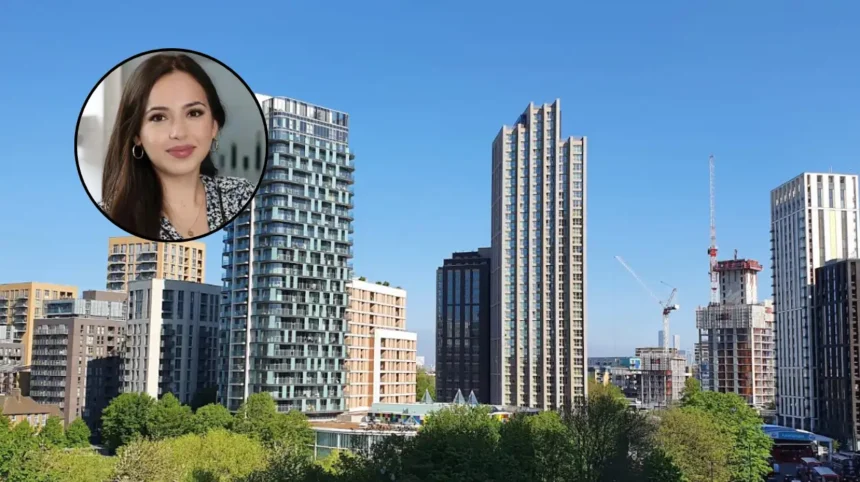
Lewisham (South London News) September 15, 2026 – As reported by the commentary author in the original text, growing up in Lewisham provided direct insight into how local urban environments function beyond standard development documentation. The commentator stated that the area was “not the version reduced to a redline boundary in a development appraisal or a regeneration masterplan, but the lived-in, colourful reality of a South London borough shaped by migration, ageing estates, high streets that shifted character every few years and communities layered on top of one another rather than neatly divided.”
The report outlines how the physical environment interacts directly with social structures across the locality. The author noted that diversity was “not just a policy ambition where I grew up; it was the backdrop to everyday life,” highlighting specific community conditions including “different faiths sharing the same streets” and “multi-generational households in overcrowded housing.”
What accessibility and safety challenges affect different demographics in urban masterplans?
The provided account details how physical infrastructure directly impacts vulnerable groups within the borough. As stated in the original commentary, there were “disabled neighbours navigating infrastructure never designed with them in mind,” pointing to historic gaps in inclusive design across local council zones.
Furthermore, the author highlighted how demographic shifts alter how residents engage with shared public space. The author observed “friends deciding which spaces felt safe and which didn’t,” while noting a distinct divide between generational experiences: “older residents who remembered when the high street still met their needs and younger ones who had never known that version of it.”
Explore More Lewisham News
Lewisham Council Unveils Rescue Plan for Catford Regeneration 2026
Hill Named Lewisham Strategic Development Partner for Housing Programme Lewisham 2026
Background of the particular development
The Borough of Lewisham in South London has undergone significant urban transformation over recent decades, driven by major town centre masterplans, housing estate redevelopments, and local authority regeneration frameworks. Historically shaped by diverse waves of migration, shifting commercial high streets, and mixed-density housing developments, the area frequently serves as a focal point for discussions on inclusive urban planning, public infrastructure upgrades, and local community retention.
How this development can affect urban planners and local communities
This development and perspective highlight the operational divide between technical town planning strategies and the lived experiences of local residents.
For urban planners, property developers, and municipal policy officers, these insights demonstrate the necessity of incorporating comprehensive accessibility standards, multi-generational housing needs, and ground-level community safety factors into early-stage masterplans.
For local residents, including disabled individuals, elderly populations, and long-term shopkeepers, greater emphasis on inclusive planning directly impacts whether regenerated high streets and public realms remain accessible, safe, and culturally relevant to the existing demographic makeup of the borough.