Key Points
- Rio Lounge, a South Indian establishment on Cherry Orchard Road in East Croydon, has officially reopened to customers following a temporary closure triggered by severe health hazards.
- A routine inspection by environmental health officers on 4 July 2026 yielded a food hygiene rating of zero out of five, representing the lowest classification awarded by local authorities.
- Council officials discovered decaying food stored in refrigerators dating back 43 days, filthy surfaces, mouldy appliances, and widespread evidence of a severe mouse infestation.
- Management agreed to close the premises with immediate effect owing to an imminent health risk, undertaking a deep clean, structural repairs, and comprehensive pest control treatments.
- The local authority permitted the restaurant to reopen on 28 July 2026 after reviewing three sequential pest extermination reports confirming the eradication of rodent activity.
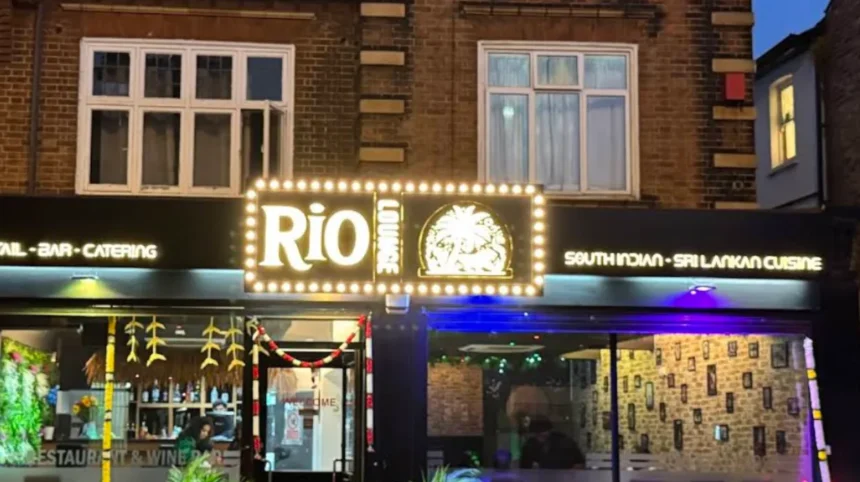
East Croydon (South London News) October 3, 2026 — South Indian dining establishment Rio Lounge, situated on Cherry Orchard Road in East Croydon, has formally resumed trading after environmental health officers forced an immediate shut-down due to severe rodent activity and decaying inventory, local authority records confirm.
Why was Rio Lounge in East Croydon forced to close immediately?
As reported by local reporting journalists at Your Local Guardian, health officials issued the venue the lowest possible hygiene score of zero out of five following an unannounced inspection on 4 July 2026. The inspecting officers determined that the operational state of the premises presented an immediate threat to human safety, forcing management to halt operations on the spot.
As detailed by reporting staff from Your Local Guardian, the official inspection documentation revealed that inspectors located items inside kitchen refrigeration units that had been stored for up to 43 days. The inspection team noted accumulating refuse, heavily smeared grease layers across primary cooking areas, mould on internal refrigeration surfaces, and rodent droppings scattered throughout storage facilities.
As noted in reports compiled by Local Democracy Reporting Service (LDRS) journalists, structural defects within the building allowed rodents unfettered access to food storage zones. Inspectors stated that structural integrity issues required structural remedies to block pest ingress, alongside immediate mandates for staff refresher training in food hygiene protocols and a complete overhaul of management documentation. Furthermore, the ventilation infrastructure came under heavy criticism, with official notes recording heavily greased filters and visible oil accumulation.
How did Croydon Council manage the health risk and reopening process?
As reported by media journalists at Your Local Guardian, the management of Rio Lounge entered into a voluntary agreement with Croydon Council to cease trading immediately upon being notified of the hazardous conditions. The agreement specified that the venue would remain non-operational until all required cleaning, structural maintenance, and pest eradication procedures were verified as complete.
As disclosed by a Croydon Council spokesperson to the Local Democracy Reporting Service, municipal authorities permitted the establishment to reopen its doors on 28 July 2026. The decision followed the evaluation of three consecutive reports submitted by the venue’s chosen pest control contractor, each confirming no remaining signs of active mouse infestation.
As communicated by a Croydon Council spokesperson to the Local Democracy Reporting Service:
“Although our officers have not carried out any further inspections since the restaurant reopened, the business would now be visited as part of our normal programme of inspections alongside other food businesses. Protecting public health is a priority for the council, and we take a zero-tolerance approach to businesses that put residents at risk. Our food safety team works with businesses to help them meet hygiene standards, while prioritising inspections and taking enforcement action where necessary.”
As documented by journalists at Your Local Guardian, Rio Lounge maintains a statement on its official website regarding its operating principles:
“Our commitment to hygiene is unwavering. We adhere to the highest standards of cleanliness and food safety, ensuring that every dish is prepared in a spotless environment. Our ingredients are sourced from trusted suppliers, and we follow strict protocols to maintain freshness and quality, giving you peace of mind with every bite.”
As noted by reporters from Your Local Guardian, representatives from Rio Lounge were contacted directly for further comment regarding the inspection findings and subsequent remediation efforts, but no response was received.
What is the background of this environmental health development?
The enforcement action against Rio Lounge forms part of statutory food safety oversight conducted across the London Borough of Croydon under national regulatory frameworks. Local authorities inspect food businesses periodically or in response to public complaints, issuing ratings from zero (urgent improvement necessary) to five (very good).
A zero-star rating indicates systemic failures in food safety protocols, cleanliness management, and pest containment. In instances where inspecting officers identify an imminent health hazard—such as active rodent infestations mixed with compromised food supplies—local authorities exercise powers under the Food Safety and Hygiene Regulations to order immediate closure through emergency prohibition notices or voluntary agreements.
For East Croydon, a key transit hub with high commercial density around Cherry Orchard Road, public health inspections serve as a primary mechanism to protect residents, commuters, and visitors from foodborne illnesses and vector-borne hazards.
What is the prediction for local consumers and food businesses?
This regulatory intervention and subsequent public disclosure will likely influence consumer trust, local dining habits, and council monitoring routines across the borough.
How this development affects local consumers and the dining public
- Heightened Public Scrutiny: Diners in East Croydon are likely to exercise greater caution, increasingly consulting national Food Hygiene Rating Scheme (FHRS) databases prior to visiting local venues.
- Risk Awareness: The publication of health inspection details raises public consciousness regarding food handling practices and pest management in urban commercial centers.
How this development affects local food business operators
- Increased Regulatory Surveillance: Neighbouring restaurants and takeaways can anticipate heightened vigilance from municipal health officers during routine visits, particularly concerning pest proofing and inventory rotation.
- Commercial Risk: The case highlights the immediate financial and reputational consequences facing food establishments that fail to maintain rigorous hygiene records, structural seals, and sanitation standards.