Lambeth is one of South London’s most significant places for exploring Caribbean heritage and Black British history. The borough includes Brixton, a neighbourhood closely associated with Caribbean migration, community institutions, independent businesses, music, food and political activism. Its cultural identity reflects generations of people who established homes, businesses and social networks in London after arriving from the Caribbean.
- What is the historical connection between Lambeth and Caribbean migration?
- Which cultural institution should visitors visit first in Lambeth?
- What can visitors discover at Windrush Square?
- How can visitors research Caribbean history at Lambeth Archives?
- How does Brixton’s street life reflect Caribbean culture?
- Which events help visitors experience Lambeth’s Caribbean heritage?
- How can visitors plan a Caribbean heritage walk through Brixton?
- Why is preserving Lambeth’s Caribbean heritage important for future generations?
- What should visitors know before exploring Lambeth’s Caribbean heritage?
Visitors can learn about this heritage through local museums, historic buildings, archives, public art, community organisations, cultural festivals and neighbourhood walks. Brixton is an important starting point, particularly for understanding the Windrush generation and the development of Black British culture. Lambeth’s wider cultural landscape also connects Caribbean experiences with London’s social history, migration, housing, employment and civil rights.
A meaningful visit combines established cultural attractions with local historical research and community-led experiences. This approach helps visitors understand not only the history of Caribbean settlement but also its continuing influence on contemporary London.
What is the historical connection between Lambeth and Caribbean migration?
Lambeth’s Caribbean heritage developed through migration, employment, family networks and community organisation, particularly after the Second World War. Brixton became a major settlement area for Caribbean newcomers, while earlier Black histories demonstrate that the borough’s cultural story began long before 1948.
The arrival of the HMT Empire Windrush at Tilbury Docks on 22 June 1948 is a defining event in modern British migration history. The ship carried 1,027 passengers, many from Caribbean countries and territories. They travelled to Britain during the post-war period, when the country needed workers to support public services and economic reconstruction.
Some passengers eventually settled in Brixton after initially staying in temporary accommodation near Clapham South Underground station. Brixton offered access to employment services, transport connections and developing social networks. Over time, Caribbean residents established businesses, religious congregations, cultural associations and family communities that shaped the area.
However, the Windrush arrival does not represent the beginning of Black history in Lambeth. Historical research and archival exhibitions document Black residents in the borough before the twentieth-century migration period. Lambeth Council’s 2019 exhibition, Before and After Windrush: 350 Years of Black People in Lambeth, explored this longer history through photographs and archival material.
Visitors seeking a fuller understanding should explore both periods. The earlier history explains the longstanding presence of Black people in London, while post-war migration reveals how Caribbean communities transformed neighbourhood life, employment, cultural expression and local identity.
As you explore Brixton’s modern streets, you are crossing places shaped by generations of residents. Read the full [History of Lambeth and its Caribbean Communities] to understand the borough’s historical development, settlement patterns and changing cultural identity.
Which cultural institution should visitors visit first in Lambeth?
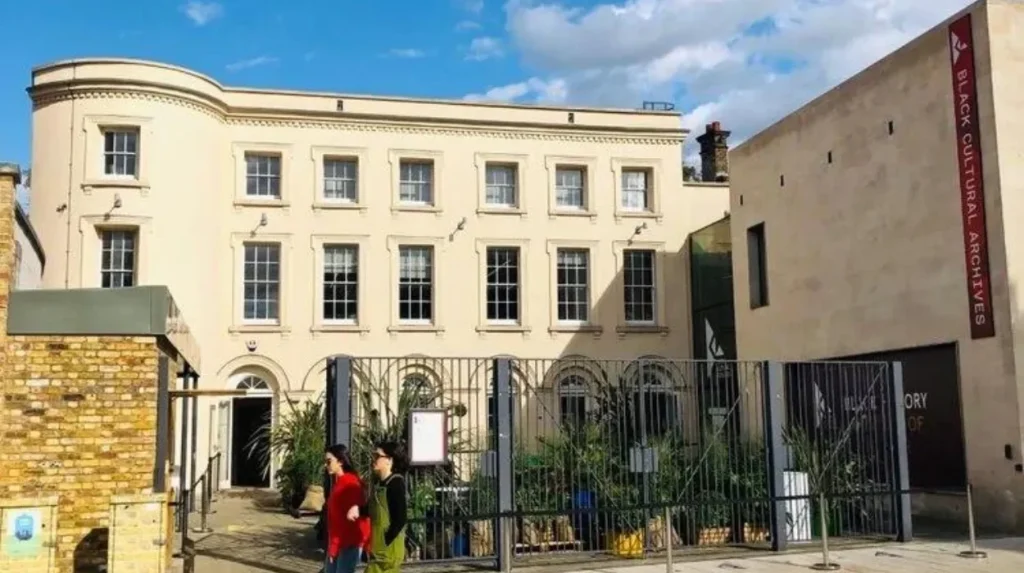
The Black Cultural Archives in Brixton is a leading starting point for learning about African and Caribbean heritage in Britain. Its collections, educational programmes, exhibitions and research resources help visitors investigate Black British history through documented experiences, cultural records and community perspectives.
Black Cultural Archives
Founded in 1981, the organisation preserves and celebrates the histories of people of African and Caribbean descent in Britain. It moved into its Brixton headquarters in 2014, placing a national heritage institution within one of London’s most recognisable centres of Caribbean cultural history.
Its work includes archive collections, a library, learning activities, exhibitions, workshops and cultural events. These resources help visitors examine migration, identity, community development and the contribution of Black people to British society.
The archives are particularly useful for visitors who want evidence beyond general historical summaries. Photographs, personal accounts and historical documents provide different perspectives on how people built their lives in Britain.
Before travelling, check the official Black Cultural Archives website for current exhibitions, events and booking requirements. Visits are appointment-only, and the reading room and library operate at specified times. The published schedule lists Wednesday to Friday sessions, but visitors should confirm current arrangements before setting out.
The organisation also offers educational workshops, talks and tours. These activities suit visitors who want a structured introduction, school and university groups researching Black British history, and professionals interested in cultural heritage and community engagement.
A visit is most productive when the archive is treated as a place for learning rather than simply a conventional tourist attraction. Check what is available in advance and allow time to investigate a particular subject, such as the Windrush generation, Caribbean music or Black political activism.
What can visitors discover at Windrush Square?
Windrush Square is a public space in central Brixton that commemorates Caribbean migration and the wider contribution of African and Caribbean communities to Britain. Visitors can explore memorials, public inscriptions and nearby heritage institutions while learning about migration, remembrance, military service and social justice.
Windrush Square provides an accessible outdoor introduction to Brixton’s Caribbean heritage. The square was previously known as Brixton Oval and Tate Gardens. It received the name Windrush Square in 1998, marking the 50th anniversary of the ship’s arrival in Britain. Its present layout connects public space with local cultural institutions and memorials.
One of its most important features is the African and Caribbean War Memorial. This memorial honours African and Caribbean service personnel who fought in the First and Second World Wars. It places their contribution within the wider history of Britain’s armed forces and the countries linked to the former British Empire.
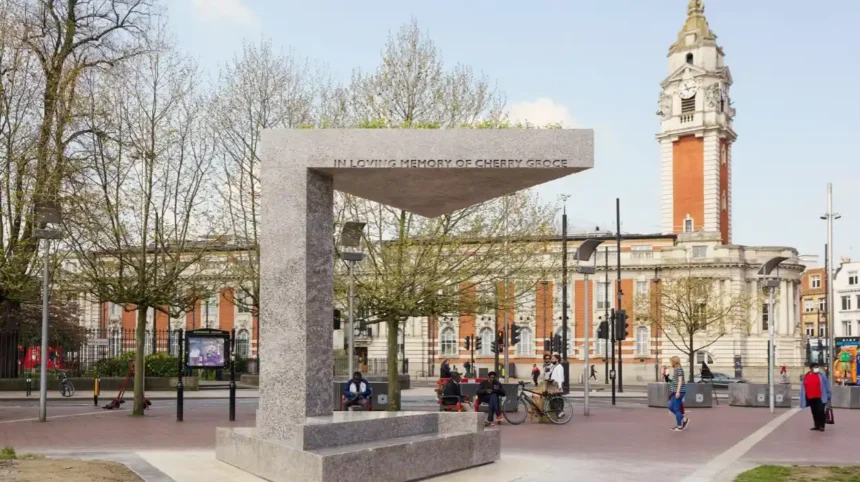
The Cherry Groce Memorial Pavilion is another significant landmark. Installed in 2021, it commemorates Cherry Groce, who was shot by police in her home in 1985. The memorial connects Brixton’s heritage with questions of racial justice, policing, equality and the lasting effects of institutional decisions on families and communities.
The square is open to the public around the clock, making it suitable for a self-guided walk. The adjacent Black Cultural Archives provides a deeper historical context, although entry to its facilities requires advance arrangements.
Visitors should take time to read the memorial information and consider the different periods represented. Caribbean heritage in Brixton includes celebration, cultural achievement, military service, migration and struggles for equality. Windrush Square brings these themes together within a single public location.
How can visitors research Caribbean history at Lambeth Archives?
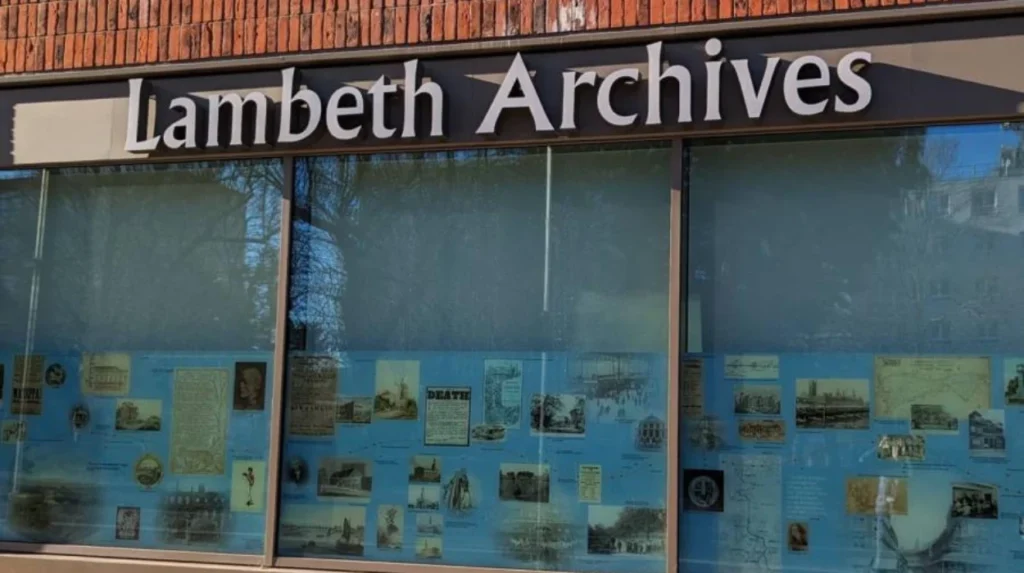
Lambeth Archives is the borough’s local record office and local studies library. It preserves documents, maps, photographs, artworks and artefacts relating to Lambeth and its residents. Visitors can use these materials to investigate migration, neighbourhood change, family history and Caribbean community development.
Lambeth Archives
The archive is located on Brixton Hill, overlooking Rush Common. Its collections document the development of the borough and the experiences of people who lived and worked in its neighbourhoods. The service is open to residents, visitors and international researchers.
The archives are valuable because Caribbean history is not confined to a single ship, date or cultural institution. Local records can reveal how migration interacted with housing, employment, education, religious life and the growth of businesses. Photographs and maps also help visitors understand how Brixton changed over time.
Visitors researching a particular family or neighbourhood should prepare a focused question. Examples include identifying a former business address, tracing a community organisation, locating historical photographs of a street or finding records connected with a particular period of migration.
Lambeth Archives and Black Cultural Archives serve complementary purposes. The former documents the wider borough and its communities, while the latter focuses on the histories of people of African and Caribbean descent across Britain. Consulting both institutions gives visitors a broader understanding of how local experiences connect with national history.
How does Brixton’s street life reflect Caribbean culture?
Brixton’s Caribbean heritage remains visible through its food businesses, music venues, independent traders, community organisations and cultural spaces. These everyday settings show how Caribbean traditions became part of London life, while contemporary businesses and creative activities continue to develop the neighbourhood’s identity.
Brixton’s markets and commercial streets offer a practical way to explore the cultural influence of Caribbean migration. Food shops, restaurants and market traders provide access to ingredients, dishes and culinary practices associated with Jamaica, Trinidad and Tobago and other Caribbean communities.
Visitors can explore Caribbean cooking through dishes such as jerk chicken, curry goat, rice and peas, patties and traditional Caribbean soups. Individual menus vary, and these foods have distinct regional histories. Asking vendors about a dish’s origin or preparation offers a useful introduction to the diversity of Caribbean cuisine.
The area’s markets also reflect the importance of small businesses in establishing community networks. Shops and food businesses have provided employment, familiar products and meeting places for residents. Their role extends beyond retail: they help maintain connections between generations and between London and Caribbean homelands.
Music is another important part of Brixton’s cultural identity. Reggae, ska, dub and sound-system culture have contributed to the development of Black British music. Sound systems are mobile or venue-based music setups built around powerful speakers, selectors and DJs. Their roots in Jamaican musical culture influenced parties, community events and later British music scenes.
Brixton’s cultural identity also includes political organising, literature, photography and visual art. The historical record of photographer Harry Jacobs, for example, includes studio portraits of Caribbean families and other residents from the 1950s onwards. His photographs provide evidence of family life, work, personal presentation and the importance of maintaining connections with relatives abroad.
Visitors should approach Brixton as a living neighbourhood rather than an outdoor museum. Businesses change, residents have different backgrounds and cultural traditions evolve. Supporting independent traders, respecting residential spaces and asking permission before photographing people help make a heritage walk more considerate.
For the most useful experience, combine market visits with historical interpretation. Food and music demonstrate cultural continuity, while archives and memorials explain the migration, discrimination and community organising that helped shape the area.
Which events help visitors experience Lambeth’s Caribbean heritage?
Lambeth’s Windrush celebrations and Black history programmes connect visitors with Caribbean heritage through talks, performances, storytelling, exhibitions and community activities. These events explain migration history and cultural contributions while providing opportunities to hear perspectives from descendants, researchers, artists and local organisations.
Windrush Day takes place annually on 22 June. It commemorates the arrival of HMT Empire Windrush in 1948 and recognises the contributions of Caribbean migrants and their descendants to British society. Lambeth has supported annual activities that explore the experiences and legacy of the Windrush generation.
The council’s Windrush archive provides a useful starting point for discovering previous celebrations. Its resources include information about past programmes, educational activities and community storytelling. Visitors can use these materials to understand how public commemorations have developed and identify themes for further research.
Cultural programming has included historical walks, readings, exhibitions and screenings. For example, Lambeth previously hosted The Island of Brixton, a guided walk examining the experiences of Windrush passengers who settled in the neighbourhood. The event used archival research and personal testimonies to connect historical migration with Brixton’s streets. It took place in September 2024, so it should be treated as an example of past programming rather than a confirmed upcoming event.
These activities are particularly useful for travellers who want more than a self-guided sightseeing experience. A talk or guided walk supplies historical context, while community events reveal how Caribbean heritage remains relevant to contemporary discussions about identity, representation and belonging.
How can visitors plan a Caribbean heritage walk through Brixton?
A self-guided Brixton heritage walk connects Windrush Square, Black Cultural Archives, local markets and nearby historic streets. Visitors can combine public memorials with food, music and community history, creating a practical route that explains both the historical development and continuing cultural significance of Caribbean life.
A half-day visit provides enough time to explore the principal locations without rushing. Start at Brixton Underground station, which is served by the Victoria line, and walk towards Windrush Square.
Begin at the square by examining the African and Caribbean War Memorial and Cherry Groce Memorial Pavilion. These landmarks introduce themes of military service, migration, racial justice and public remembrance.
Next, explore the Black Cultural Archives. Arrange access in advance and check which exhibitions, research facilities or events are available. If you have limited time, review its online resources before travelling so that your visit focuses on a specific subject.
Continue towards Brixton’s commercial streets and markets. Observe the range of Caribbean food businesses, independent shops and cultural spaces. Allow time for a meal or conversation with a trader, where appropriate, to learn about the local food traditions represented.
Finish by exploring nearby streets and public spaces. Consider how historical photographs, archival descriptions and present-day businesses reveal different aspects of the same neighbourhood. A street that appears ordinary today often has a longer history involving changing residents, commercial activity and community institutions.
The route is suitable for independent travellers, couples, families with older children and visitors interested in local history. Walking distances between the central locations are relatively short, although access arrangements, mobility requirements and the time spent at each stop affect the total duration.
Visitors should check current opening times, public transport services and event schedules before departure. Windrush Square is publicly accessible, but archive and exhibition access follows separate arrangements.
Explore More Area Guide
Brixton Music History: Where to Explore London’s Sound
Lambeth Behind-the-Scenes Tours | South London Venues
Why is preserving Lambeth’s Caribbean heritage important for future generations?
Preserving Caribbean heritage in Lambeth protects historical records, recognises community contributions and supports education about migration and identity. Archives, memorials, local businesses and cultural programmes help future generations understand how Caribbean communities shaped Brixton and contributed to the wider development of British society.
Heritage preservation involves more than protecting buildings or displaying historic objects. It includes collecting photographs, recording oral histories, maintaining community archives and documenting the experiences of people whose lives are not always fully represented in traditional historical accounts.
The Black Cultural Archives plays a central role in preserving the histories of people of African and Caribbean descent in Britain. Lambeth Archives complements this work by documenting the borough’s residents, organisations and neighbourhoods. Together, these institutions help connect individual experiences with wider changes in London’s social and cultural history.
Public memorials also contribute to this process. Windrush Square makes historical remembrance visible in everyday urban life. Its memorials encourage visitors to consider the relationship between migration, public service, racial equality and the recognition of communities in national history.
Cultural preservation also supports local education. Historical photographs, oral testimonies and community-led activities help students and visitors examine how people experienced migration, found employment, established families and responded to discrimination. These resources make history more accessible by connecting broad historical developments with individual lives.
The continuing presence of Caribbean restaurants, shops, music and community activities demonstrates that heritage is not limited to the past. Cultural traditions are maintained, adapted and shared by successive generations. Preserving this living heritage requires both historical documentation and recognition of the people who continue to contribute to Brixton’s identity.
Visitors support this work by engaging respectfully with local institutions, attending educational events, purchasing publications and supporting community businesses. These activities help sustain the organisations and cultural spaces that make heritage accessible.
What should visitors know before exploring Lambeth’s Caribbean heritage?
Visitors should plan archive visits in advance, verify current cultural events and allow time to explore Brixton beyond its main attractions. Combining official historical resources, public memorials, independent businesses and community perspectives provides a more accurate understanding of Lambeth’s Caribbean heritage.
The most useful preparation involves checking access arrangements and selecting a clear research focus. Visitors interested in migration should begin with Windrush resources, while those exploring family histories or neighbourhood change should investigate the relevant archival collections.
Three practical principles help make a visit more informative:
- Verify access: Check booking requirements and current opening arrangements for Black Cultural Archives and Lambeth Archives.
- Use historical evidence: Consult official records, photographs, oral histories and memorial information rather than relying solely on general tourism descriptions.
- Respect the community: Treat Brixton as a working residential neighbourhood, support local businesses and ask permission before photographing individuals.
Visitors should also distinguish between Caribbean heritage and the broader history of Black Britain. These histories overlap, but they are not identical. African, Caribbean and other Black communities have different migration experiences, cultural traditions and historical connections. Understanding these distinctions produces a more accurate account of Lambeth’s diversity.
The most effective approach combines institutional research with direct exploration of the neighbourhood. A visit to Windrush Square explains the public commemoration of migration, an archive visit provides historical evidence, and time in Brixton’s commercial streets reveals the continuing influence of Caribbean culture.
Lambeth offers a valuable starting point for understanding how Caribbean communities shaped South London and contributed to Britain’s cultural life. By connecting historical records with present-day community spaces, visitors gain a fuller understanding of the borough’s past, its contemporary identity and the importance of preserving its heritage for future generations.
Where can visitors learn about Caribbean heritage in Lambeth?
Visitors can explore Caribbean heritage at the Black Cultural Archives, Windrush Square, Lambeth Archives and Brixton’s historic markets. These locations explain Caribbean migration, Black British history, community development and the cultural influence of Caribbean residents in South London.