Key Points
- Plan Shelved: Goldsmiths, University of London has officially scrapped its proposed plan to relocate several university courses from Deptford to the Old Town Hall in Catford, south-east London.
- Council Frustration: Lewisham Council expressed clear surprise and frustration regarding the abrupt reversal, stating that officers were actively preparing the building up until the final notice was received.
- Significant Expenditure: Local authority officials confirmed that substantial investments of time and financial resources had already been made to ensure the site was prepared for an intake of students by September 2027.
- Single-Site Strategy: Goldsmiths defended the decision by citing a strategic focus on consolidating all academic operations within its primary New Cross location to foster a more connected and sustainable environment.
- Future of Old Town Hall: Lewisham Council must now re-evaluate long-term options for the Catford Old Town Hall site as part of an updated local urban regeneration masterplan.
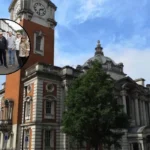
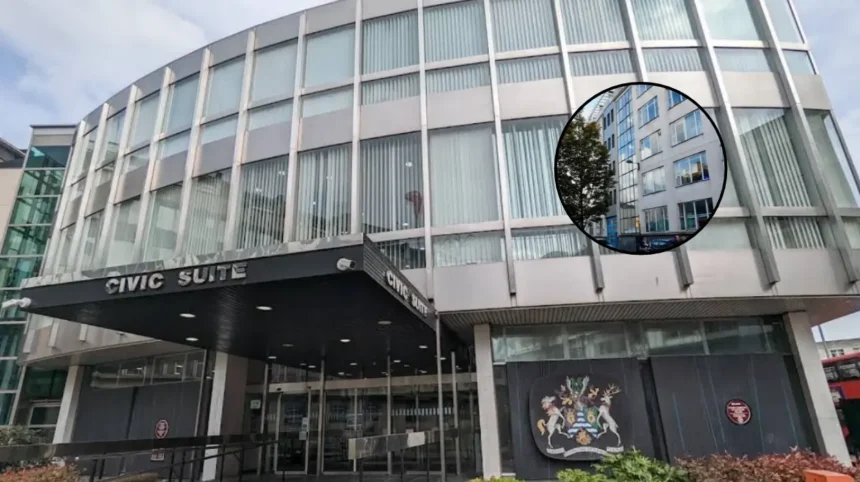
Deptford (South London News) October 28, 2026 – Goldsmiths, University of London has formally withdrawn from its high-profile agreement to establish a secondary academic campus at the Old Town Hall in Catford, a decision that has prompted public dismay from municipal leaders in the London Borough of Lewisham. The initial proposal, which was officially publicised in January, aimed to transfer specific educational courses away from Deptford into the heart of Catford under what was originally heralded as a landmark partnership agreement between the higher education institution and the local authority. However, the university confirmed it would no longer move forward with the expansion, choosing instead to focus all future academic and physical infrastructure investments within its central estate in New Cross.
Why Did Goldsmiths Decide to Terminate the Catford Partnership?
In explaining the decision to cancel the scheduled site acquisition and relocation, representatives from the university cited a shift in corporate real estate strategy designed to streamline operations and enhance the overall experience for enrolled students.
As stated by a spokesperson for Goldsmiths, University of London, the decision was taken to ensure the long-term sustainability and operational cohesion of the institution:
“Bringing our community together on a single campus will create greater opportunities for collaboration, creativity, and student experience.”
The university representative further noted that consolidating functions at the core site aligns with broader environmental and structural goals:
“Deliver the greatest long-term benefit.”
Goldsmiths clarified that its future capital expenditure and spatial planning would focus heavily on creating a greener, more connected campus environment within New Cross. Despite terminating the prospective lease and development project at Catford, the institution maintained that it intends to preserve its civic relationship with the local government body, with a spokesperson for Goldsmiths adding:
“We will continue to work closely with Lewisham Council to support growth, development, and prosperity across the borough.”
How Has Lewisham Council Reacted to the Unexpected Withdrawal?
The sudden cancellation of the multi-year agreement has drawn a sharp response from local government representatives in Lewisham, who had treated the agreement as a centerpiece of local economic and educational regeneration.
As stated by a spokesperson for Lewisham Council, municipal authorities were caught off guard by the academic institution’s sudden departure from the joint initiative:
“We are surprised and frustrated by this decision.”
Local authority officials emphasised that extensive administrative and logistical preparations were actively being conducted by civil servants right up until the moment official notice of termination was served. As reported by a council spokesperson:
“Officers were working on plans for the move right up until we received the communication from Goldsmiths that they would not be proceeding.”
Municipal leaders highlighted the broader impact on the surrounding community, as reported by a spokesperson for Lewisham Council:
“The people of Catford and our partners.”
The council spokesperson elaborated that the local government had acted in good faith throughout the planning phase to ensure the historic civic structure would be fully converted and ready to receive higher education students by the target date of September 2027. The council spokesperson confirmed that the municipal authority had committed significant investment into site preparations, structural evaluations, and layout design prior to the university’s unexpected withdrawal.
Background of the Catford Campus Development
The partnership between Goldsmiths, University of London and Lewisham Council was originally formed to solve dual structural challenges: modernising the spatial footprint of the university while revitalising heritage civic assets within the borough.
In January, both parties unveiled a joint vision centered around the Old Town Hall in Catford, a prominent civic building situated within a key commercial and administrative zone of south-east London. Under the terms of the landmark partnership agreement, Goldsmiths planned to relocate select academic departments and courses from their existing facilities in Deptford to the Catford premises.
The move was designed to integrate higher education presence directly into Catford’s town centre, boosting footfall for local businesses, increasing local employment opportunities, and providing modernised facilities for incoming cohorts expected in September 2027. For Lewisham Council, securing an institution of higher learning as the primary tenant for the Old Town Hall formed a crucial pillar of its broader urban regeneration strategy. Significant public resources, financial planning, and officer hours were allocated to prepare the site for institutional conversion before Goldsmiths reversed its strategic direction.
Future Outlook: How Will This Decision Affect the Catford Community and Local Stakeholders?
The cancellation of the Catford campus project carries immediate and long-term consequences for local residents, small business owners, and local authority planners within the London Borough of Lewisham.
Impact on Local Businesses and the Retail Economy
The absence of an estimated hundreds of university students and academic staff attending the Old Town Hall daily represents a direct loss of potential footfall for local retailers, cafes, and hospitality venues in Catford town centre. Small business owners who had anticipated an uptick in weekday trade from September 2027 onward must now adjust their commercial projections.
Impact on Lewisham Council and Urban Regeneration Plans
Lewisham Council faces an abrupt shift in its property portfolio management and town planning roadmap. Having dedicated substantial municipal funds toward preparing the Old Town Hall specifically for educational occupancy, council officers must absorb those upfront investments without the benefit of a long-term anchor tenant. As confirmed by local authority leaders, the council will now be forced to reassess and reconsider the long-term utilization of the Old Town Hall as part of a revised masterplan for Catford.
Impact on Goldsmiths Students and University Resources
For current and prospective students at Goldsmiths, University of London, the decision eliminates potential multi-site travel between Deptford, New Cross, and Catford. By retaining all operations within New Cross, the university avoids operational duplication and can direct capital investments into upgrading its existing facilities, though it leaves the institution without the extra physical capacity the Catford expansion was meant to provide.