Lambeth is one of South London’s most culturally diverse boroughs, offering a combination of contemporary art, experimental theatre, independent creative spaces, music, photography and community-led cultural programmes. Its cultural identity extends from the internationally recognised South Bank to the independent galleries, performance venues and creative communities of Brixton, Vauxhall, Kennington and Streatham.
- Why Is Lambeth an Important Destination for Contemporary Culture?
- Which Contemporary Art Galleries Should You Visit in Lambeth?
- 1. Hayward Gallery: Contemporary Art on the South Bank
- 2. Newport Street Gallery: Modern Art and Exhibition Architecture
- 3. Beaconsfield Gallery Vauxhall: Experimental Contemporary Art
- 4. Cabinet Gallery: Independent Artistic Perspectives
- Where Can You Experience Contemporary Theatre and Performing Arts in Lambeth?
- 1. Brixton House: Contemporary Theatre and Community Creativity
- 2. Siobhan Davies Studios: Contemporary Dance and Movement
- 3. Theatre Peckham: New Creative Voices
- Which Places Showcase Lambeth’s Contemporary Black British Culture?
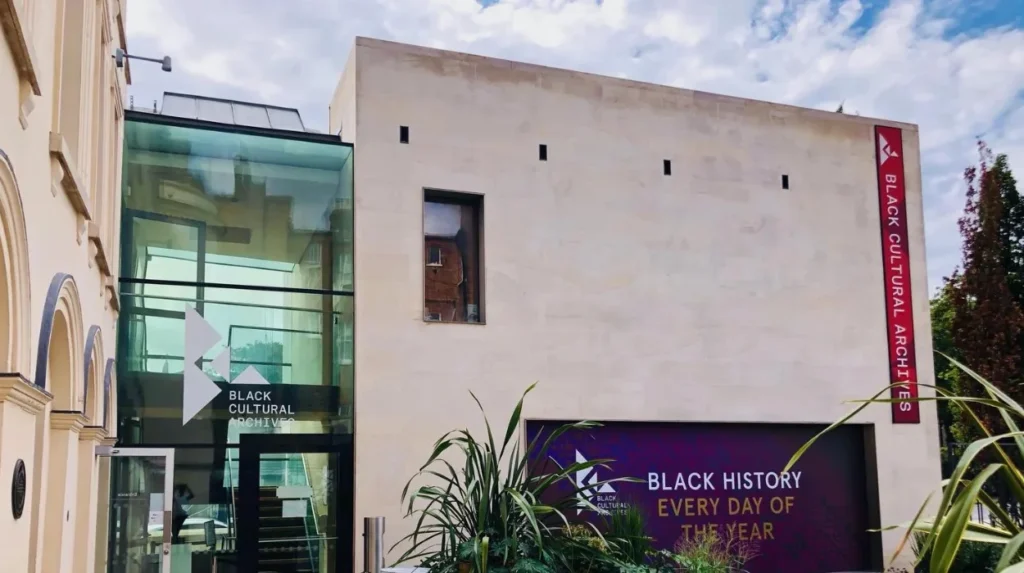
- 1. Black Cultural Archives: Preserving and Celebrating Black British Culture
- 2. Windrush Square: Public Culture and Community Identity
- 3. Brixton’s Contemporary Music and Creative Community
- Where Can You Discover Independent Art and Creative Learning in Lambeth?
- 1. 198 Contemporary Arts and Learning: Art, Education and Social Inclusion
- 2. Make Space Studios: Creative Production and Artist Communities
- Where Can You Experience Street Art and Urban Creativity in Lambeth?
- What Can You Experience at the Southbank Centre in Lambeth?
- Which Contemporary Cultural Attractions Are Best for Film and Photography?
- How Can Visitors Explore Lambeth’s Contemporary Culture in One Day?
- How Does Lambeth’s History Influence Its Contemporary Cultural Identity?
- What Makes Lambeth’s Contemporary Culture Relevant to Future Visitors?
- Where Are Lambeth’s Best Contemporary Cultural Attractions Located?
Contemporary culture in Lambeth refers to the modern creative activities, artistic movements, cultural institutions and public experiences that shape the borough today. It includes visual art exhibitions, live performances, digital creativity, independent filmmaking, street art, contemporary music and cultural programmes representing different communities.
The borough’s cultural landscape combines established institutions with smaller artist-led organisations. This creates opportunities for visitors to experience international exhibitions, discover emerging artists, attend experimental performances and explore contemporary Black British culture.
Lambeth’s cultural attractions also reflect its historical development. Former industrial buildings, historic streets and established community spaces provide settings for modern artistic activity. Visitors exploring these locations can understand how the borough’s heritage continues to influence its contemporary identity.
Why Is Lambeth an Important Destination for Contemporary Culture?
Lambeth is an important contemporary cultural destination because it combines internationally recognised arts institutions, independent galleries, community theatres and multicultural creative spaces. Its cultural activity spans Waterloo, Vauxhall, Brixton and surrounding neighbourhoods, attracting artists, performers, visitors and local creative communities.
Lambeth occupies a significant position in London’s cultural geography. Its northern boundary follows the River Thames, placing the borough close to major national cultural institutions and central London’s visitor attractions.
The South Bank is particularly important. It contains large performing arts venues, contemporary exhibition spaces and public areas that host cultural events throughout the year. Further south, Brixton provides a different cultural experience through independent performance, music, Black British heritage and community-led artistic projects.
Vauxhall and Kennington contribute additional contemporary art spaces. Their galleries and creative organisations support experimental exhibitions, emerging artists and alternative approaches to presenting visual culture.
Three characteristics define Lambeth’s contemporary cultural identity:
- International cultural programming: Major institutions present exhibitions, performances and festivals involving artists from Britain and overseas.
- Community representation: Cultural organisations in Brixton and surrounding neighbourhoods showcase African, Caribbean and other cultural influences.
- Independent creativity: Smaller galleries, studios and performance spaces provide opportunities for experimental work and emerging talent.
Lambeth’s cultural offer therefore extends beyond traditional museums and galleries. It includes public installations, independent theatre, creative workshops, artist studios and cultural events that connect contemporary artistic practice with everyday community life.
The London Borough of Lambeth also recognises cultural infrastructure as an important part of local development. Its cultural facilities include galleries, museums, performance venues and community arts organisations distributed across different neighbourhoods.
Which Contemporary Art Galleries Should You Visit in Lambeth?
Lambeth offers several contemporary art galleries where visitors experience experimental exhibitions, modern installations and emerging artistic talent. Hayward Gallery, Newport Street Gallery, Beaconsfield Gallery and Cabinet Gallery provide different perspectives on contemporary visual art.
Contemporary art galleries present artworks produced through modern artistic approaches, including painting, sculpture, photography, installation, video and conceptual art. These spaces allow visitors to understand current artistic discussions and discover creative practices beyond traditional exhibitions.
Lambeth’s gallery scene includes internationally recognised institutions and smaller independent venues.
1. Hayward Gallery: Contemporary Art on the South Bank
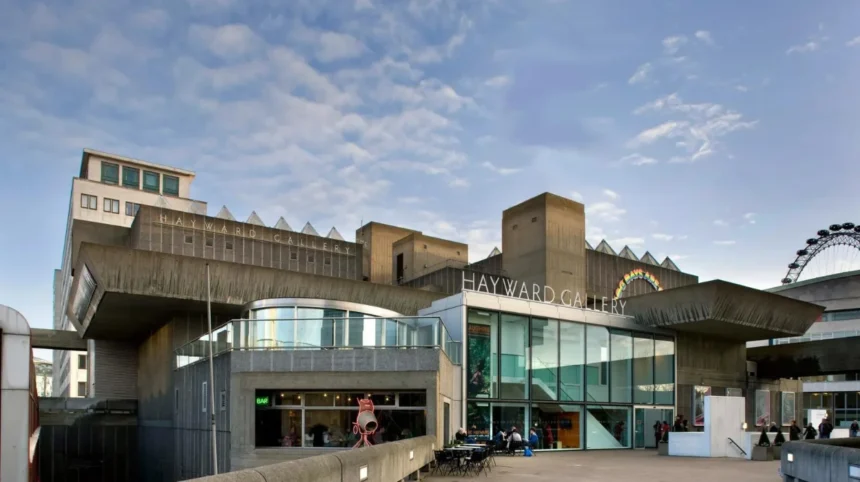
The Hayward Gallery is one of London’s leading contemporary art exhibition venues. Located within the Southbank Centre on Belvedere Road, it presents ambitious exhibitions by established and emerging international artists.
The gallery opened in 1968 and is recognised for its Brutalist architectural design. Its exposed concrete surfaces, geometric structure and spacious exhibition rooms provide a distinctive environment for contemporary artworks.
Its programme focuses on temporary exhibitions rather than a permanent collection. Visitors encounter different artistic approaches through large-scale installations, photography, sculpture and multimedia exhibitions.
The gallery generally presents several major exhibitions annually. Its wider visual arts programme also includes public artworks and the HENI Project Space, which offers free exhibitions.
The Hayward Gallery is particularly suitable for visitors interested in:
- International contemporary artists, including major solo exhibitions.
- Large-scale installations and experimental visual art.
- Photography and multimedia exhibitions.
- Modern architecture and exhibition design.
The gallery is part of the wider Southbank Centre, making it easy to combine an exhibition with a concert, literary event or riverside visit.
2. Newport Street Gallery: Modern Art and Exhibition Architecture
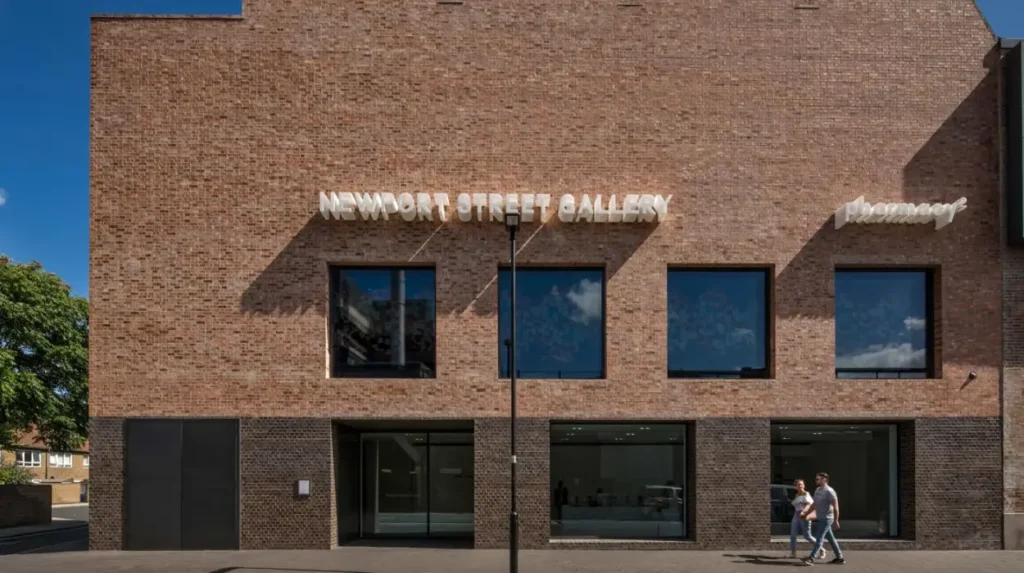
Newport Street Gallery is a contemporary art exhibition space in Vauxhall. It occupies a group of converted Victorian industrial buildings and presents exhibitions from the private collection of British artist Damien Hirst.
The gallery opened in October 2015. Its architectural development transformed former industrial buildings into interconnected exhibition spaces.
The venue is notable for its combination of industrial architecture and contemporary exhibition design. Its galleries provide space for paintings, sculpture, installations and other modern artistic formats.
Visitors can explore exhibitions that examine different artistic movements and creative approaches. The programme changes, so checking the current exhibition information before travelling is important.
Newport Street Gallery also demonstrates how industrial buildings contribute to contemporary cultural regeneration. The conversion preserves elements of the area’s built environment while creating a modern public-facing cultural destination.
3. Beaconsfield Gallery Vauxhall: Experimental Contemporary Art
Beaconsfield Gallery is an independent contemporary art organisation based in Vauxhall. It occupies a former Victorian industrial building and supports experimental artistic practices.
The gallery focuses on ambitious exhibitions, interdisciplinary projects and collaborations involving contemporary artists. Its programme includes installations, performance, sound, moving images and other experimental forms.
Its industrial setting contributes to the character of exhibitions. Artists use the building’s architectural features to create installations that respond to space, materials and the surrounding environment.
Beaconsfield is particularly relevant to visitors interested in experimental art rather than conventional gallery displays. Its programme also demonstrates how independent cultural organisations contribute to London’s contemporary art sector.
4. Cabinet Gallery: Independent Artistic Perspectives
Cabinet Gallery is an independent contemporary art gallery located at 132 Tyers Street, near Vauxhall Pleasure Gardens. It provides a smaller-scale exhibition experience within Lambeth’s independent art scene.
The gallery is associated with contemporary and conceptually focused artistic practices. Its exhibitions provide opportunities to explore individual artists and creative ideas in a more intimate setting than large public institutions.
Visitors should check exhibition announcements and opening arrangements before planning a visit because independent galleries often operate according to specific exhibition schedules.
These galleries demonstrate the range of visual art experiences available across Lambeth, from major international exhibitions to experimental independent projects.
Where Can You Experience Contemporary Theatre and Performing Arts in Lambeth?
Lambeth’s contemporary performing arts scene includes modern theatres, independent performance organisations and creative studios. Brixton House is a major destination for new writing, experimental theatre, dance and culturally diverse productions developed with local artists and audiences.
Performing arts are an essential part of contemporary culture because they communicate modern social experiences through live performance. Theatre, dance, spoken word, music and experimental productions provide opportunities for artists to explore identity, community, politics and everyday life.
Lambeth supports these activities through established institutions and smaller creative organisations.
1. Brixton House: Contemporary Theatre and Community Creativity
Brixton House is one of Lambeth’s most significant modern performing arts venues. Located at 385 Coldharbour Lane, the theatre opened in 2022 and continues the community-focused creative tradition associated with its predecessor, Ovalhouse.
The building contains two theatre spaces and seven rehearsal rooms. These facilities support professional productions, creative development, workshops and community activities.
Its programme focuses on new theatrical voices, contemporary storytelling and productions that reflect different cultural experiences. Visitors encounter performances that explore social issues, identity, relationships and changing urban communities.
Brixton House also operates as a wider creative environment rather than simply a ticketed theatre.
Its facilities include:
- Two theatre spaces for different performance formats.
- Seven rehearsal rooms for artists and performers.
- Technical facilities supporting professional productions.
- A café and bar that provide a social meeting space.
- Creative workspace associated with the neighbouring Carlton Mansions development.
The Carlton Mansions creative hub contains 26 workspace units designed for organisations working in the arts and creative industries.
This arrangement supports connections between cultural production and local economic development. Artists, creative businesses and community organisations benefit from access to facilities within the same neighbourhood.
Brixton House is particularly suitable for visitors interested in contemporary theatre, emerging performers and community-led cultural programming.
2. Siobhan Davies Studios: Contemporary Dance and Movement
Siobhan Davies Studios is a contemporary dance organisation associated with experimental movement and interdisciplinary artistic practice. Its work connects dance with visual art, architecture and wider creative research.
The organisation operates from a converted former school building in South London. Its programme includes artistic development, performances, workshops and activities involving professional artists and the wider public.
Its contemporary approach extends beyond traditional stage performances. Movement-based projects and collaborations explore how the body interacts with space, objects and other forms of artistic expression.
Visitors should check the current programme and event arrangements before travelling. The venue is most relevant to people interested in contemporary dance, choreography and experimental performance.
3. Theatre Peckham: New Creative Voices
Theatre Peckham is a South London performing arts organisation that develops creative opportunities for young people and emerging performers. Its work connects professional theatre with education, participation and community engagement.
Its productions and learning activities provide platforms for diverse voices and contemporary stories.
Although Theatre Peckham is located outside Lambeth, it is a relevant nearby destination for visitors exploring the wider South London cultural network. It complements Lambeth’s theatre scene through its focus on talent development and accessible creative participation.
Which Places Showcase Lambeth’s Contemporary Black British Culture?
Brixton is one of Lambeth’s most important destinations for contemporary Black British culture. Black Cultural Archives, Windrush Square and local creative organisations provide opportunities to explore artistic expression, cultural identity, community representation and modern British social experiences.
Black British culture is an important part of Lambeth’s contemporary identity. It encompasses artistic movements, literature, music, performance, fashion and cultural traditions developed by people of African and Caribbean heritage in Britain.
Brixton has a particularly strong connection to these creative communities. Its cultural identity is reflected in public spaces, independent businesses, community organisations and cultural institutions.
1. Black Cultural Archives: Preserving and Celebrating Black British Culture
Black Cultural Archives is a national heritage institution dedicated to collecting, preserving and celebrating the histories of people of African and Caribbean descent in Britain.
Established in 1981, the organisation moved to its current Windrush Square location in 2014. It provides an important platform for understanding how Black communities have influenced British society, politics, arts and culture.
Its cultural activities include exhibitions, educational workshops, public events and archival research. The institution also preserves historical documents, photographs, publications and personal collections.
The organisation provides several important cultural resources:
- Exhibition spaces presenting aspects of Black British history and identity.
- A reading room and library supporting research and education.
- Learning programmes for schools, universities and community groups.
- Public events, discussions and cultural workshops.
- Archival collections documenting African and Caribbean experiences in Britain.
An important practical detail is that Black Cultural Archives currently operates an appointment-based visiting system rather than unrestricted walk-in access. Its reading room and library operate on Wednesdays, Thursdays and Fridays, with advance arrangements required. Visitors should check the official website for open days and event bookings.
2. Windrush Square: Public Culture and Community Identity
Windrush Square is a significant public space in Brixton. It provides a setting for community gatherings, cultural commemorations and activities connected with African and Caribbean heritage.
The square takes its name from the Empire Windrush, the ship associated with the arrival of Caribbean passengers in Britain in 1948. The Windrush generation became an important part of post-war British society.
The surrounding area connects cultural heritage with contemporary community life. Visitors can explore public memorials, attend local events and visit Black Cultural Archives.
This public space demonstrates how contemporary culture develops through collective identity and shared experiences. It also provides an important starting point for exploring Brixton’s wider creative environment.
3. Brixton’s Contemporary Music and Creative Community
Brixton has a strong reputation for music and independent cultural activity. Its creative identity includes reggae, soul, hip-hop, jazz, electronic music and contemporary performance.
Local music venues, independent event organisers and community spaces support performances by established musicians and emerging artists. These activities attract audiences from across London.
Brixton’s music culture also connects with its wider food, fashion and visual arts scenes. Markets, independent shops and public spaces contribute to an environment where creative businesses and cultural communities interact.
Visitors interested in contemporary Black British culture should combine Windrush Square with Brixton’s independent cultural venues and live music programme.
Where Can You Discover Independent Art and Creative Learning in Lambeth?
Independent art spaces in Lambeth support emerging artists, community participation and experimental creative practices. Organisations such as 198 Contemporary Arts and Learning provide exhibition opportunities, educational programmes and connections between visual art and local communities.
Independent cultural organisations operate outside the traditional structure of large national museums and galleries. They often focus on local participation, artistic experimentation, education and providing opportunities for underrepresented creative communities.
Lambeth’s independent cultural network is particularly relevant to visitors interested in discovering smaller venues and emerging artists.
1. 198 Contemporary Arts and Learning: Art, Education and Social Inclusion
198 Contemporary Arts and Learning is a visual arts and educational organisation based on Railton Road in Herne Hill.
The organisation provides a platform for contemporary artists, creative learning and community participation. Its activities connect visual art with social inclusion, cultural diversity and global issues.
Its exhibition programme includes artist-led projects and opportunities for audiences to engage with contemporary creative practice.
The organisation also supports young people interested in entering the creative industries. Its educational activities include volunteering, apprenticeships, work experience and opportunities to develop artistic skills.
Unlike large commercial galleries, 198 combines exhibitions with learning and community development. This makes it an important destination for understanding how independent cultural organisations contribute to Lambeth’s creative economy.
Exhibitions are free when operating, with published gallery hours generally covering Wednesday to Sunday during exhibition periods. Visitors should confirm the current programme before travelling.
2. Make Space Studios: Creative Production and Artist Communities
Make Space Studios provides workspace for artists, designers, makers and creative businesses in the Waterloo area.
Artist studios are important parts of contemporary cultural infrastructure because they support the production of art rather than simply its public exhibition.
Creative professionals use these environments for activities such as painting, design, photography, craft production and collaborative projects.
Make Space Studios illustrates the relationship between working artists and the wider cultural economy. Its studio-based model supports independent creative businesses and professional development.
Visitors should distinguish between publicly accessible exhibitions and private working studios. Access to individual studios and events depends on the arrangements made by the resident artists and organisation.
Where Can You Experience Street Art and Urban Creativity in Lambeth?
Leake Street Arches is one of Lambeth’s most recognisable destinations for urban creativity. Its 300-metre graffiti tunnel beneath Waterloo Station provides a constantly changing public display of street art, alongside independent businesses, creative workshops and cultural events.
Street art is a form of visual expression created in public environments. It includes graffiti, murals, stencil artwork, painted installations and large-scale illustrations.
Unlike conventional gallery exhibitions, street art interacts directly with buildings, infrastructure and public spaces. Its appearance changes as artists create new work and existing pieces are painted over.
Leake Street Arches
Leake Street is a major destination for visitors interested in contemporary urban art. Located beneath Waterloo Station, the tunnel is approximately 300 metres long and connects the Waterloo area with the South Bank.
The location became internationally associated with graffiti culture following Banksy’s Cans Festival in 2008. The event brought street artists together and helped establish the tunnel’s reputation as an important urban art location.
Today, Leake Street operates as a public environment where graffiti artists can legally create artwork. Its walls display constantly changing visual compositions, including colourful lettering, portraits, political messages and experimental illustrations.
The tunnel is particularly interesting because its artworks do not remain permanently unchanged. New artists paint over existing work, creating an evolving public exhibition.
Leake Street Arches also includes independent food businesses, entertainment spaces and facilities for creative activities.
Visitors can explore:
- Changing graffiti and street art.
- Independent restaurants and food businesses.
- Organised graffiti workshops.
- Live artistic demonstrations and events.
- Photography opportunities and urban architecture.
The tunnel is a public space open throughout the day and night, although individual businesses operate separate opening hours.
The site also demonstrates the relationship between Lambeth’s historic infrastructure and modern creative activity.
This connection between historic infrastructure and contemporary artistic activity demonstrates how existing urban environments support new cultural uses.
What Can You Experience at the Southbank Centre in Lambeth?
The Southbank Centre is a major cultural destination in Waterloo, bringing together contemporary art, live music, theatre, poetry, dance and public events. Its venues provide year-round opportunities to experience established performers, emerging artists and international cultural programmes.
The Southbank Centre is one of the UK’s leading performing arts centres. Its cultural history dates back to the Festival of Britain in 1951, and it has developed into a major venue for contemporary artistic expression.
The complex includes several important cultural spaces.
Royal Festival Hall
Royal Festival Hall hosts classical and contemporary music performances, concerts and cultural events. Its large auditorium accommodates major musical productions and international performers.
Queen Elizabeth Hall
Queen Elizabeth Hall provides a venue for music, dance, talks and contemporary performance. Its programme includes different artistic genres and experimental productions.
Purcell Room
Purcell Room is an intimate performance venue specialising in literature, poetry, jazz, classical music and electronic music.
National Poetry Library
The National Poetry Library is located on Level 5 of Royal Festival Hall. Founded in 1953, it houses the world’s largest public collection of modern poetry.
The library supports poetry research, reading and public engagement. It also hosts exhibitions and literary events that connect contemporary writing with visual art and wider cultural discussions. Southbank Centre+1
Outdoor cultural spaces
The Southbank Centre’s outdoor areas provide additional opportunities to experience contemporary culture. Public art installations, seasonal light displays, free performances and cultural markets contribute to its public programme.
The centre reports hosting more than 5,000 events annually across its different artistic disciplines. Its programme includes festivals, exhibitions, performances and public activities. South Bank London+1
For visitors, the main advantage is the concentration of cultural activities within one accessible riverside location. A single visit can include an exhibition, poetry event, live performance and outdoor installation.
Which Contemporary Cultural Attractions Are Best for Film and Photography?
Lambeth offers cultural experiences for visitors interested in filmmaking, cinema history, photography and visual storytelling. The Cinema Museum provides a specialist film heritage experience, while Leake Street and the South Bank offer distinctive locations for contemporary urban photography.
Film and photography are important components of contemporary culture. They document changing communities, artistic movements, architecture and everyday urban experiences.
The Cinema Museum: Exploring Film Culture
The Cinema Museum is a specialist cultural attraction dedicated to the history of cinema-going.
Located in the former Lambeth Workhouse, the museum preserves objects connected with the development of cinemas and film exhibition.
Its collection includes historic cinema equipment, posters, photographs, uniforms, projectors, publications and other memorabilia.
The museum also organises screenings, talks and special events. Its programme provides opportunities to explore how cinema technology and audience experiences have changed over time.
The museum is not a conventional walk-in attraction. Visitors generally need to book a scheduled guided tour or a specific event in advance.
This makes it particularly suitable for film enthusiasts, photographers, researchers and visitors interested in the relationship between technology and visual culture.
Contemporary Photography Around the South Bank
The South Bank provides opportunities to explore contemporary photography through its architecture, public installations and street performances.
The riverside environment contains a combination of modern buildings, public art, pedestrian spaces and changing cultural activities.
Visitors interested in urban photography can focus on the Southbank Centre’s architecture, Leake Street’s graffiti, riverside installations and public performances.
These locations also demonstrate how photography records the changing visual identity of a city.
How Can Visitors Explore Lambeth’s Contemporary Culture in One Day?
Visitors can explore Lambeth’s contemporary culture through a route connecting Waterloo, the South Bank, Vauxhall and Brixton. This journey combines contemporary galleries, street art, independent theatres and community cultural institutions using London’s public transport network.
Lambeth’s cultural venues are distributed across several neighbourhoods. Planning a route reduces unnecessary travel and allows visitors to experience different aspects of the borough’s creative identity.
A practical cultural itinerary begins in Waterloo.
Morning: Waterloo and the South Bank
Start at the Southbank Centre and explore its public spaces, architecture and outdoor art. Visit the Hayward Gallery when an exhibition is open.
Continue to Leake Street to experience the graffiti tunnel and urban creative environment.
Early afternoon: Vauxhall
Travel towards Vauxhall and explore the independent gallery scene. Newport Street Gallery and Beaconsfield Gallery provide opportunities to discover contemporary exhibitions and experimental art.
Check exhibition dates and opening arrangements before visiting.
Late afternoon: Brixton
Continue to Brixton and explore Windrush Square and its surrounding cultural environment.
Visit Black Cultural Archives through an advance booking or attend a scheduled public event. Explore Brixton House for contemporary theatre programming and community-led creative activities.
Alternative cultural stop: Herne Hill
Visitors with additional time can travel to 198 Contemporary Arts and Learning on Railton Road. Its exhibitions and educational programmes provide another perspective on independent contemporary art.
This itinerary combines large cultural institutions with smaller community organisations. It also demonstrates the differences between Lambeth’s creative neighbourhoods.
How Does Lambeth’s History Influence Its Contemporary Cultural Identity?
Lambeth’s contemporary cultural identity reflects its industrial, artistic and multicultural development. Historic buildings, transport infrastructure, migration, music traditions and community organisations continue to influence modern galleries, theatres, public art and independent creative spaces.
Contemporary culture does not develop independently of local history. Lambeth’s existing architecture, social movements and cultural communities provide the foundations for many modern creative activities.
Waterloo’s railway infrastructure, for example, provides the setting for Leake Street’s contemporary graffiti culture. Former industrial buildings in Vauxhall have become exhibition spaces, while Brixton’s multicultural identity influences its music and performing arts.
The development of Black Cultural Archives also demonstrates the importance of community-led heritage preservation. Its collections connect historical experiences with contemporary discussions about representation, identity and British society.
The borough’s historic buildings continue to serve different cultural purposes. Former industrial structures, converted commercial premises and adapted public buildings provide facilities for exhibitions, rehearsals and artistic production.
Visitors interested in understanding this relationship should explore the architectural and social development of Lambeth alongside its modern cultural venues.
Explore More Area Guide
How to Explore Lambeth on Walking and Cycling Trips
Which Lambeth Attractions Are Best for Rainy-Day Visits?
What Makes Lambeth’s Contemporary Culture Relevant to Future Visitors?
Lambeth’s contemporary cultural scene remains relevant through investment in creative infrastructure, independent artistic organisations, community participation and public cultural programmes. These activities support local employment, attract visitors and strengthen the borough’s position within London’s wider creative economy.
Creative industries contribute to employment, tourism and neighbourhood development. Galleries, theatres, studios and cultural organisations provide opportunities for artists, technicians, performers, educators and independent businesses.
Brixton House demonstrates this relationship through its combination of theatre facilities, rehearsal rooms and affordable creative workspaces. Similarly, independent organisations such as 198 Contemporary Arts and Learning connect artistic activity with education and community participation.
Public spaces also contribute to cultural development. Leake Street demonstrates how an urban transport environment can support street art, workshops and independent businesses.
Three developments are particularly relevant to Lambeth’s future cultural identity:
- Creative workspace development: Affordable studios and rehearsal facilities support emerging artists and creative businesses.
- Cultural accessibility: Community-led organisations provide opportunities for audiences who are underrepresented in traditional cultural institutions.
- Public art and urban regeneration: Street art, installations and cultural events increase the creative use of public spaces.
These developments demonstrate that contemporary culture is not limited to established galleries and theatres. It also includes the organisations, communities and public environments that support artistic production.
For visitors, Lambeth provides opportunities to experience both internationally recognised cultural institutions and independent creative initiatives. Its combination of contemporary art, theatre, music, street art and multicultural cultural spaces makes it an important destination within South London.
Where Are Lambeth’s Best Contemporary Cultural Attractions Located?
The following map identifies the principal venues covered in this guide, helping visitors understand their geographical distribution.
Visitor planning note: Some cultural organisations operate by appointment or according to exhibition and performance schedules. Check official venue information before travelling.
Editorial correction: Siobhan Davies Studios and Theatre Peckham, mentioned in an earlier draft section, are outside Lambeth and are not included among the borough’s recommended attractions.
What are the best places to experience contemporary culture in Lambeth?
The best places include Hayward Gallery, Southbank Centre, Brixton House, Newport Street Gallery, Beaconsfield Gallery and Leake Street Arches. These venues offer contemporary art, theatre, music, exhibitions and street art.