Lambeth is a strong urban birdwatching destination because its parks, commons, ponds, woodland fragments, meadows, gardens and nature reserves create varied habitats within a densely developed part of London. The borough contains more than 78 parks, commons and other public open spaces, giving visitors many opportunities to observe birds without leaving the capital.
- Which birdwatching spots in Lambeth are best for visitors?
- Why is Clapham Common suitable for birdwatching?
- Is Brockwell Park a good place to watch birds?
- Where can visitors watch woodland birds in Lambeth?
- Which Lambeth parks have ponds or wetland habitats?
- Are there smaller birdwatching locations away from Lambeth’s major parks?
- What birds can visitors expect to see in Lambeth?
- When is the best time to go birdwatching in Lambeth?
- How is Lambeth improving habitats for birds and urban wildlife?
- How can visitors birdwatch responsibly in Lambeth?
- Which Lambeth birdwatching locations work best for different types of visitors?
Birdwatching, also called birding, is the recreational observation and identification of wild birds. It does not require a formal nature reserve. Birds use trees, grassland, wetlands, hedges, gardens, riversides and even small urban green spaces for feeding, nesting and shelter.
Lambeth’s biodiversity strategy recognises the importance of these connected habitats. The council’s biodiversity work identifies parks, cemeteries, railway corridors, private gardens and roadside planting as parts of a wider ecological network. Its Bee Roads programme also creates wildlife-friendly corridors using meadows, hedges and rain gardens.
For visitors, the most useful approach is to choose a site according to habitat. Large commons provide open skies and ponds. Wooded reserves provide cover for woodland birds. Wetlands attract water-associated species. Smaller gardens reward quiet observation at close range.
Which birdwatching spots in Lambeth are best for visitors?
The strongest birdwatching locations in Lambeth include Clapham Common, Brockwell Park, Streatham Common, Eardley Road Sidings, Norwood Park, Ruskin Park, Kennington Park and Vauxhall Pleasure Gardens because they combine mature vegetation, open ground, water or managed wildlife habitats.
These sites provide different birdwatching experiences rather than one identical habitat.
Clapham Common is particularly useful for combining ponds, mature trees, grassland and woodland. The common covers more than 85 hectares and contains three ponds, two woodlands, species-rich meadows and grasslands. The council also identifies it as both a Local Nature Reserve and a Site of Importance for Nature Conservation.
Brockwell Park offers a large landscape with ponds, ancient oaks, meadows and a historic walled garden. It is designated as a Borough Site of Importance for Nature Conservation. The combination of water, mature trees and open grassland creates several bird habitats within one park.
Streatham Common provides woodland, grassland, meadow and stream habitats. More than half of the common is designated as a Local Nature Reserve. It also forms part of the Great North Wood landscape, making it important for species associated with woodland and mixed habitats.
Eardley Road Sidings Local Nature Reserve is particularly notable for birdwatching because more than 33 wild bird species have been recorded there. Its combination of grassland and woodland developed on a former railway site.
Norwood Park contains a wildlife pond, native hedges, mature trees and species-rich meadow areas. Its elevated position also provides broad views across South London.
Why is Clapham Common suitable for birdwatching?
Clapham Common is suitable for birdwatching because its 85-plus hectares contain three ponds, two woodlands, mature trees, species-rich meadows, grassland and connected paths, creating feeding, nesting and shelter opportunities for different urban bird species.
Clapham Common is one of the most substantial open spaces in Lambeth. It sits between Clapham, Battersea and Balham and has a long history as common land.
Its three ponds are important features for birdwatchers. Eagle Pond, Mount Pond and Long Pond have different recreational uses, but the presence of open water creates a distinct habitat within the wider grassland landscape. The council confirms that Eagle and Mount Ponds are used for coarse fishing, while Long Pond is used for model boating and as a fishery stock pond.
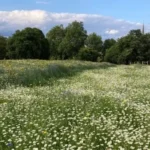
The common also contains two woodlands and more than four hectares of species-rich wildflower meadow created through habitat improvement work. A wildlife-rich wetland and meadow feature has also been established beside Eagle Pond.
These habitat differences are important for observation. Open grassland allows visitors to scan larger areas. Trees and woodland provide cover for smaller birds. Ponds create opportunities to observe birds around water.
Clapham Common is also a Local Nature Reserve. This formal designation recognises its value for wildlife and public access to nature.
The site’s size makes it useful for visitors who want to combine birdwatching with a longer walk. Early morning observation is particularly practical because the open landscape provides good visibility before the busiest recreational periods.
Is Brockwell Park a good place to watch birds?
Brockwell Park is a good birdwatching location because its ponds, ancient oak trees, wide meadows and walled garden create a varied habitat mosaic, while its designation as a Site of Importance for Nature Conservation recognises its wider ecological importance.
Brockwell Park is one of Lambeth’s major green spaces. It occupies a large, hilly landscape between Brixton, Herne Hill and surrounding neighbourhoods.
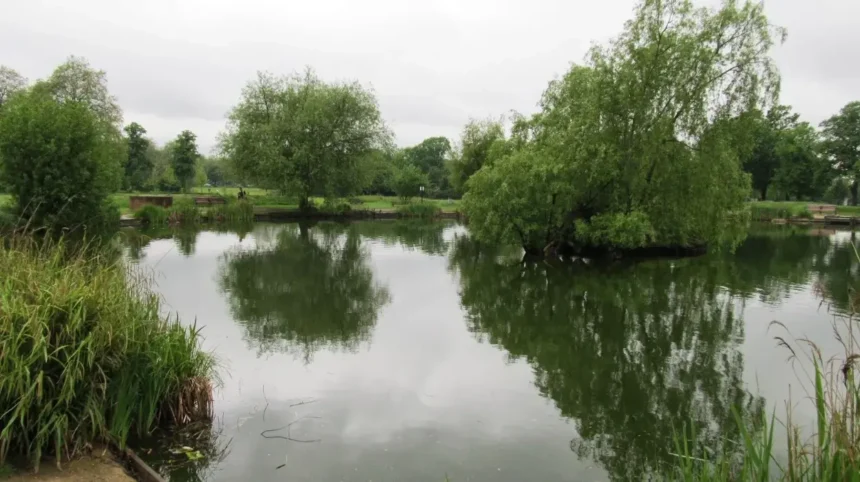
The park contains a network of ponds, mature trees including ancient oaks, an Old English flower garden and wide open meadows. Each feature supports a different ecological function.
Trees provide nesting and foraging opportunities. Meadow vegetation supports insects and other invertebrates that form part of the food chain. Ponds provide water and aquatic habitats.
The park’s varied landscape also makes it useful for general urban wildlife observation. Visitors can move between open meadow areas and more enclosed garden or tree-lined sections without travelling between separate locations.
Brockwell Park opened to the public in 1892 after the Metropolitan Board of Works acquired the former private estate. Its historic landscape therefore combines cultural heritage with contemporary biodiversity management.
As you explore the modern park, you are also crossing land shaped by centuries of changing land use. Read about the full to understand its historical origins.
The park is designated as a Borough Site of Importance for Nature Conservation. It is also a Green Flag Award-winning park and a Green Flag Heritage site. These designations reflect its landscape, recreational and conservation value.
For birdwatchers, the main advantage is habitat variety. A visitor does not need to focus exclusively on the ponds. Looking between tree canopies, meadow edges, shrubs and open grassland produces a broader observation experience.
Where can visitors watch woodland birds in Lambeth?
Streatham Common, Eardley Road Sidings, Norwood Park and Unigate Wood provide some of Lambeth’s strongest woodland birdwatching environments because they contain mature trees, woodland edges, scrub, hedges and grassland that support feeding and nesting birds.
Woodland birdwatching depends heavily on habitat structure. Dense tree cover provides shelter, while woodland edges create transition zones between trees and open ground.
Streatham Common contains deciduous woodland, acid grassland and meadow habitats. More than 50% of the common is designated as a Local Nature Reserve. It is also part of the Great North Wood project, which links surviving woodland fragments with wider green spaces.
Eardley Road Sidings provides a different woodland environment. The reserve developed on former railway sidings and contains both woodland and grassland. More than 33 wild bird species have been recorded at the site.
Unigate Wood Local Nature Reserve is particularly relevant for woodland birdwatching. Lambeth Council identifies woodpeckers, blackbirds, song thrushes, mistle thrushes, greenfinches, robins and wrens among its birdlife. The reserve also contains mature and semi-mature trees including ash, oak and hawthorn.
Norwood Park contains a tree-lined Country Walk, extensive native hedges, a wildlife pond and meadow areas. The site is part of the wider Great North Wood landscape and was formally declared a Local Nature Reserve in 2023.
For woodland observation, visitors should look at the interface between habitats. Birds often use woodland edges, hedgerows and meadow boundaries because these areas provide access to different food sources.
Quiet movement is important. Slow walking reduces disturbance and gives observers more time to hear calls before locating birds visually.
Which Lambeth parks have ponds or wetland habitats?
Clapham Common, Brockwell Park, Ruskin Park, Norwood Park and several smaller Lambeth green spaces contain ponds or wetland features that provide water, vegetation and feeding habitat for birds and other urban wildlife.
Water is one of the most useful features to seek when planning an urban birdwatching visit. Ponds attract birds directly for drinking and bathing while their vegetation supports insects and aquatic organisms.
At Clapham Common, three ponds form part of the wider landscape. The common also contains a wildlife-rich wetland and meadow feature beside Eagle Pond.
At Brockwell Park, ponds sit among mature trees, meadows and the walled garden. The mixture of open water and surrounding vegetation creates a range of observation points.
Ruskin Park contains a central ornamental pond as well as a separate wildlife area with a pond and orchard. The park also contains young and mature trees, community gardening areas and other planted habitats.
Norwood Park contains a fenced wildlife pond alongside native hedges and meadow habitat. Its management specifically recognises the site’s importance for wildlife and access to nature.
Smaller wetland spaces also matter. Elam Street Open Space, between Brixton and Camberwell, contains a central wetland area, trees and species-rich meadows. The site is designated as a Local Site of Importance for Nature Conservation.
These locations demonstrate why birdwatching in Lambeth is not limited to major parks. Small wetlands also form part of the borough’s ecological network.
Are there smaller birdwatching locations away from Lambeth’s major parks?
Smaller sites such as St John’s Church Gardens, St Paul’s Churchyard and Eden Nature Garden, Vauxhall Pleasure Gardens, Elam Street Open Space and Lambeth Walk Doorstep Green provide accessible wildlife habitats for short birdwatching visits within dense urban neighbourhoods.
Small green spaces are valuable for visitors with limited time. They also demonstrate how urban biodiversity operates beyond large parks.
St John’s Church Gardens in Waterloo contains species-rich hedges, special trees, a dry garden and a wildlife garden designed to encourage insects and birds. The site occupies the former churchyard of St John’s Church and is managed with community involvement.
St Paul’s Churchyard and Eden Nature Garden in Clapham contain a pond, planted beds and wildflower areas. The site is recognised as a Local Site of Importance for Nature Conservation.
Vauxhall Pleasure Gardens contains meadow grassland, new tree planting and a dedicated wildlife area created through the Small Pleasure Garden project. The wildlife area focuses on pollinator-friendly planting and habitat improvement.
Elam Street Open Space contains a central wetland, species-rich meadows and trees. Its biodiversity improvements were supported by the Mayor of London’s Greener City Fund.
Lambeth Walk Doorstep Green contains hedges, meadows, native and ornamental trees and a dedicated wildlife garden managed by Roots & Shoots. The site is also a Local Site of Importance for Nature Conservation.
These smaller spaces work particularly well for short observation sessions. They also fit easily into sightseeing itineraries around Waterloo, Vauxhall, Brixton and Clapham.
What birds can visitors expect to see in Lambeth?
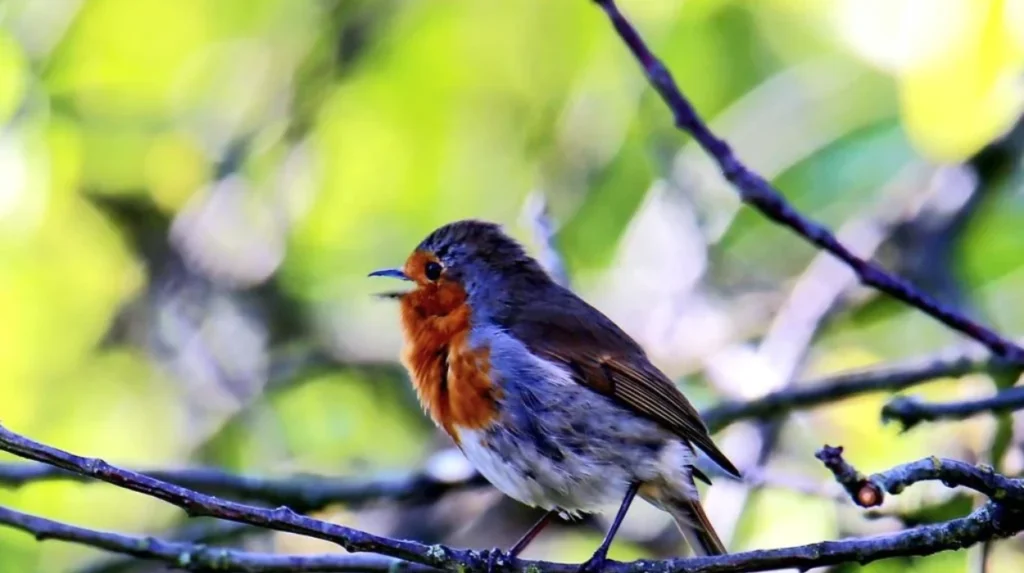
Visitors can encounter familiar urban and woodland birds in Lambeth, including house sparrows, robins, wrens, blackbirds, thrushes, greenfinches, woodpeckers and kestrels, with the exact species varying according to habitat, season, weather and local conditions.
Lambeth’s biodiversity evidence identifies several bird species associated with its parks and open spaces.
House sparrows remain important because Lambeth contains significant colonies despite the wider decline of the species in London. The council’s biodiversity plan highlights native hedgerows and dense shrub borders as important habitat features.
Kestrels are regularly seen over larger parks and commons. They use open areas to search for prey, including small mammals, amphibians and birds. Their hovering flight makes them particularly recognisable during daytime observation.
Woodland birds are well represented at Unigate Wood. Lambeth Council specifically records woodpeckers, blackbirds, song thrushes, mistle thrushes, greenfinches, robins and wrens there.
Eardley Road Sidings provides evidence of broader bird diversity, with more than 33 wild bird species recorded on the reserve.
Birdwatchers should avoid treating these species as a guaranteed checklist. Bird distribution changes with season, weather, habitat conditions and breeding activity. A recorded species list demonstrates what has occurred at a site rather than guaranteeing a sighting during every visit.
The best identification method combines appearance, size, behaviour, habitat and bird calls. Binoculars help with identification while allowing observers to maintain distance.
When is the best time to go birdwatching in Lambeth?
Early morning is generally the most useful period for birdwatching in Lambeth because parks are quieter and birds are active around feeding and territorial behaviour; spring and autumn also provide useful seasonal opportunities for observing changing bird activity.
Birdwatching does not require a particular season, but timing influences what visitors experience.
Early morning reduces recreational disturbance in busy public parks. It also provides a longer period for listening to bird calls and observing movement through trees, hedges and grassland.
Spring is important for breeding behaviour. Birds become more vocal and territorial, while trees and shrubs provide nesting habitat. Visitors should keep to paths and avoid approaching nests.
Summer provides dense vegetation and active insect populations. This creates feeding opportunities but also makes some birds harder to see.
Autumn changes the structure of many habitats as leaves fall and vegetation changes. Woodland edges and hedgerows become easier to scan in some locations.
Winter provides clearer views through deciduous trees. It also changes the composition of bird populations and increases the importance of sheltered vegetation and reliable food sources.
Lambeth’s opening arrangements also matter. Many council parks normally close around 15 minutes before dusk, although some locations have different arrangements. Lambeth Council states that official closing times vary throughout the year and visitors should check the current information before travelling.
Several locations have extended access. Clapham Common, Streatham Common, Norwood Park and Vauxhall Pleasure Gardens are listed as open 24 hours, although facilities within those parks have separate operating times.
For practical birdwatching, visitors should still plan daylight sessions. Natural light improves identification and reduces disturbance to wildlife.
How is Lambeth improving habitats for birds and urban wildlife?
Lambeth is improving bird habitat through meadow creation, native hedges, woodland management, wetlands, wildlife gardens and connected green corridors, supported by biodiversity programmes that aim to increase the amount of public open space and waterways managed specifically for wildlife.
Lambeth’s biodiversity work treats individual parks as parts of a wider ecological network.
The council’s Bee Roads programme creates wildlife-friendly corridors along roads and highways. These corridors use wildflower-rich verges, meadows, hedges and rain gardens to provide food and shelter for wildlife.
The council has committed to managing 30% of public open spaces and waterways for wildlife by 2030 as part of its Climate Action Plan.
The Great North Wood is another important ecological framework. Historically, the Great North Wood was a much larger wooded landscape extending across South London. Today, surviving woodland fragments remain connected with newer woodland and other green spaces. Lambeth identifies Streatham Common, Norwood Park and Unigate Wood as locations involved in Great North Wood projects.
Habitat management therefore affects future birdwatching opportunities. Meadows provide flowering plants and insects. Hedges provide shelter and nesting locations. Mature trees provide cavities, cover and feeding areas. Ponds support aquatic ecosystems. Woodland provides additional nesting and feeding habitat.
For visitors, this means the quality of birdwatching depends on more than the size of a park. Habitat diversity and ecological connections are equally important.
Explore More Area Guide
Lambeth Wildlife: Parks, Nature Reserves & Habitats
Best Botanical Experiences in Lambeth: Gardens, Plants and Parks
How can visitors birdwatch responsibly in Lambeth?
Responsible birdwatching means observing from paths and public areas, keeping distance from nesting birds, avoiding disturbance, respecting park rules, keeping dogs under control where required, and leaving plants, nests, eggs and wildlife undisturbed.
Urban parks are shared spaces. Birdwatchers need to balance wildlife observation with the needs of other visitors and conservation requirements.
Visitors should avoid entering restricted wildlife areas. Fenced ponds and managed nature reserves often exist to protect habitats rather than restrict access unnecessarily.
Noise should also be limited around woodland and nesting areas. Playing bird calls to attract birds is inappropriate where it disturbs territorial or breeding behaviour.
Feeding wild birds requires care. Human food can create waste, attract pests and alter wildlife behaviour. Visitors should follow local park guidance rather than introducing food independently.
Photography should also avoid disturbance. Long lenses allow observation from a greater distance. Approaching nests for photographs creates unnecessary pressure on breeding birds.
Dogs should remain under control, particularly around nature reserves, meadow areas and woodland edges. Lambeth’s individual park rules should be checked before a visit.
Birdwatchers should also leave habitats unchanged. Do not remove vegetation, collect feathers, disturb dead wood or enter nesting areas.
The wider principle is simple: observe wildlife without changing its behaviour or habitat.
Which Lambeth birdwatching locations work best for different types of visitors?
Clapham Common and Brockwell Park suit longer visits, Eardley Road Sidings and Unigate Wood suit focused nature observation, while smaller gardens and wildlife spaces suit short urban breaks, making Lambeth suitable for tourists, residents and visitors with limited free time.
Tourists can combine Brockwell Park with nearby neighbourhoods and cultural attractions. The park’s large landscape supports a longer walk with several habitat types.
Visitors staying around Clapham can use Clapham Common for a flexible outdoor break. Its ponds, meadows, woodlands and paths provide several observation environments within one location.
People spending time in Streatham have access to Streatham Common, Eardley Road Sidings and Unigate Wood, creating several nature-focused options in the southern part of Lambeth.
Visitors near Waterloo and Vauxhall can choose smaller urban wildlife sites such as St John’s Church Gardens, St Mary’s Gardens, Vauxhall Pleasure Gardens and Lambeth Walk Doorstep Green. These locations demonstrate that birdwatching fits into central London sightseeing without requiring a full-day nature excursion.
Digital nomads and business travellers with limited downtime can select smaller green spaces close to their daytime location. A short observation walk provides access to nature without requiring travel to the edge of London.
Residents can build repeat visits around the same site. Returning to a familiar pond, woodland edge or meadow makes seasonal changes easier to notice.
Lambeth’s birdwatching appeal therefore comes from habitat diversity and accessibility. The borough combines large commons, historic parks, Local Nature Reserves, wildlife gardens, wetlands and small community spaces within an extensive urban green network.
For visitors seeking birdwatching in South London, the most useful strategy is to match the location to the habitat. Choose ponds for water-associated observation, woodland for woodland species, meadows for open-ground activity and smaller wildlife gardens for short urban nature breaks.
What are the best birdwatching spots in Lambeth?
The best birdwatching spots in Lambeth include Clapham Common, Brockwell Park, Streatham Common, Eardley Road Sidings, Norwood Park, Ruskin Park and Unigate Wood. Each location offers different habitats, including ponds, woodland, meadows and hedgerows.