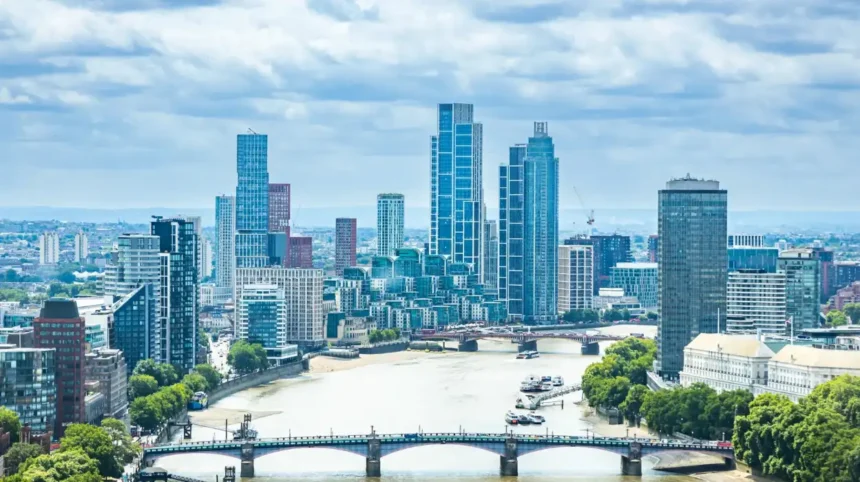
Lambeth is one of South London’s most diverse boroughs, stretching along the southern bank of the River Thames from Waterloo to Streatham. While visitors often associate Lambeth with iconic destinations such as the London Eye and the South Bank, the borough contains numerous lesser-known attractions that showcase its history, architecture, green spaces, culture, and local communities. These hidden attractions include historic gardens, independent museums, artistic neighbourhoods, nature reserves, peaceful cemeteries, heritage buildings, and community-led cultural spaces that receive significantly fewer visitors than the borough’s major landmarks.
- What makes Lambeth one of London’s best destinations for hidden attractions?
- Which hidden parks and gardens are worth visiting in Lambeth?
- Where can visitors discover Lambeth’s hidden history?
- Which hidden cultural attractions showcase Lambeth’s creative identity?
- South London Gallery Outreach Spaces
- Brixton Windmill
- Beaconsfield Contemporary Art Gallery
- Independent Public Art
- Which riverside locations offer quieter alternatives to the South Bank?
- What hidden nature reserves can visitors explore in Lambeth?
- Which hidden attractions suit families visiting Lambeth?
- Where can digital nomads and remote workers find quieter places in Lambeth?
- How accessible are Lambeth’s hidden attractions?
- Why do Lambeth’s hidden attractions remain important today?
What makes Lambeth one of London’s best destinations for hidden attractions?
Lambeth combines centuries of history, extensive public parks, independent cultural venues, riverside spaces, Victorian architecture, and thriving creative communities. These lesser-known attractions provide quieter alternatives to London’s busiest tourist destinations while offering authentic experiences for visitors, residents, and business travellers alike.
Unlike central London’s heavily visited attractions, Lambeth’s hidden places reflect the borough’s historical development from medieval villages into one of Britain’s most culturally diverse urban districts. The London Borough of Lambeth covers approximately 27 square kilometres and is home to more than 320,000 residents. Its neighbourhoods include Waterloo, Kennington, Vauxhall, Brixton, Clapham, Herne Hill, West Norwood, Streatham, and Stockwell, each contributing distinct historical and cultural identities.
Many visitors remain within the South Bank entertainment district without exploring the borough’s quieter districts. Beyond the major attractions lies an extensive collection of heritage sites, independent galleries, conservation areas, community gardens, and Victorian landmarks that represent Lambeth’s evolution over nearly one thousand years.
As you explore the modern borough, you are crossing land with a deep heritage. Read about the full [Insert Anchor Text for History Article Here] to understand its origins.
These hidden attractions appeal to different audiences. Tourists discover authentic London beyond the major landmarks. Residents find overlooked neighbourhood spaces for recreation. Digital nomads benefit from peaceful cafés, parks, and libraries suitable for remote work. Business travellers enjoy cultural experiences within easy reach of central London.
Which hidden parks and gardens are worth visiting in Lambeth?
Lambeth contains numerous peaceful green spaces beyond its famous parks. These include historic gardens, Victorian landscapes, woodland reserves, community gardens, and ornamental parks that preserve biodiversity while offering quiet environments for walking, relaxation, photography, and outdoor recreation throughout the year.
Green space forms an important part of Lambeth’s urban landscape. Around one quarter of the borough consists of parks, commons, sports grounds, cemeteries, and open spaces managed by Lambeth Council, local organisations, and conservation groups.
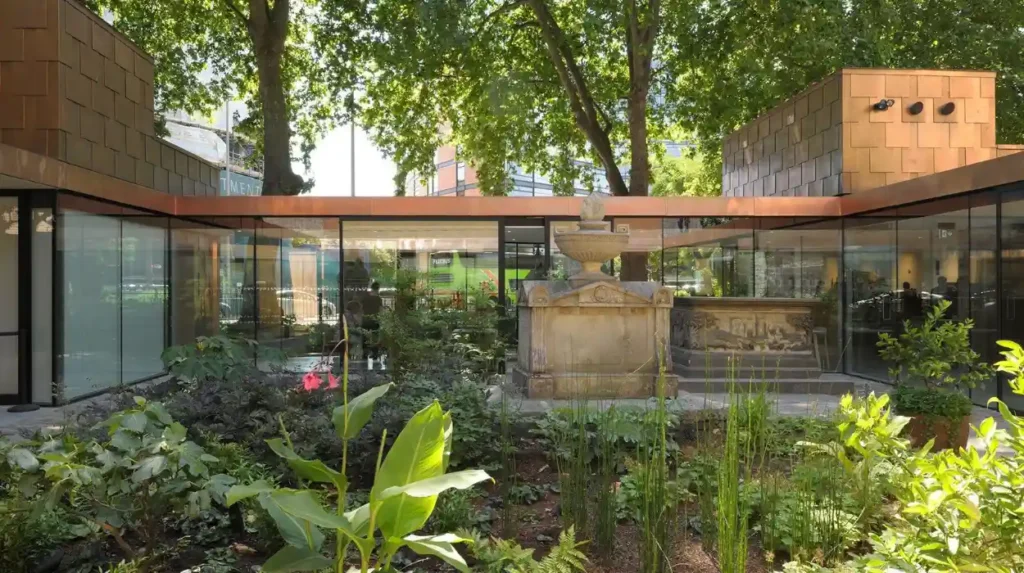
The Garden Museum Gardens
Located beside Lambeth Palace, the Garden Museum attracts visitors interested in Britain’s gardening history, but its peaceful courtyard gardens remain relatively undiscovered. The gardens feature traditional planting schemes, seasonal flowers, medicinal herbs, and historical landscaping inspired by British horticultural traditions.
The site occupies the medieval Church of St Mary-at-Lambeth, where notable gardeners including John Tradescant the Elder and John Tradescant the Younger are buried.
Archbishop’s Park
Situated near Waterloo Station, Archbishop’s Park covers approximately 3.5 hectares. Originally opened in 1901, the park includes ornamental planting, sports facilities, children’s play areas, and quiet lawns rarely crowded compared with nearby Jubilee Gardens.
Its location provides excellent views towards Westminster while remaining considerably less busy than neighbouring tourist spaces.
Brockwell Hall Gardens
Many visitors explore Brockwell Park without discovering the restored ornamental gardens surrounding Brockwell Hall. These landscaped Victorian gardens contain flower beds, mature trees, formal pathways, and historic architectural features dating from the nineteenth century.
Vauxhall City Farm Gardens
Although primarily recognised as an urban farm, Vauxhall City Farm also maintains educational gardens showcasing sustainable food production, pollinator planting, and community horticulture. These gardens demonstrate how urban agriculture contributes to biodiversity within central London.
Where can visitors discover Lambeth’s hidden history?
Lambeth preserves centuries of history through overlooked museums, medieval churches, conservation areas, historic cemeteries, Georgian streets, and Victorian architecture. These sites explain how the borough developed from riverside settlements into one of London’s most significant administrative and residential districts.
Historical attractions provide insight into Lambeth’s political, religious, industrial, and cultural significance.
The Garden Museum
Although increasingly recognised nationally, the Garden Museum remains overlooked by many international tourists. The museum documents over 500 years of British gardening through exhibitions covering landscape design, botanical exploration, garden tools, and horticultural innovation.
Its medieval tower also offers panoramic views across Westminster and central London.
Lambeth Palace Grounds
Lambeth Palace has served as the London residence of the Archbishop of Canterbury since the thirteenth century. While the palace itself operates primarily as a working ecclesiastical residence, selected guided tours and open days allow visitors to experience its historic architecture, Great Hall, chapel, and extensive gardens.
West Norwood Cemetery
Established in 1837, West Norwood Cemetery forms part of London’s “Magnificent Seven” Victorian cemeteries. Covering approximately 40 acres, it contains over 69,000 graves alongside Gothic chapels, elaborate mausoleums, classical monuments, and notable memorials.
Its architecture illustrates Victorian funerary art, while its mature woodland supports diverse wildlife.
Kennington Conservation Area
The streets surrounding Kennington Park preserve Georgian terraces, Victorian townhouses, historic squares, and original street layouts largely unchanged since the nineteenth century. Walking these residential streets offers a quieter architectural experience than many central London heritage districts.
Which hidden cultural attractions showcase Lambeth’s creative identity?
Lambeth’s independent cultural venues include artist studios, contemporary galleries, community theatres, music venues, and public art installations. These spaces support emerging artists while reflecting the borough’s internationally recognised reputation for creativity, diversity, and cultural innovation.
Lambeth has long supported artistic communities through affordable studio space, community organisations, and public investment in culture.
South London Gallery Outreach Spaces
Although located close to Lambeth’s boundary, several collaborative exhibition spaces and artist-led initiatives operate throughout the borough. Temporary exhibitions frequently showcase emerging British and international artists.
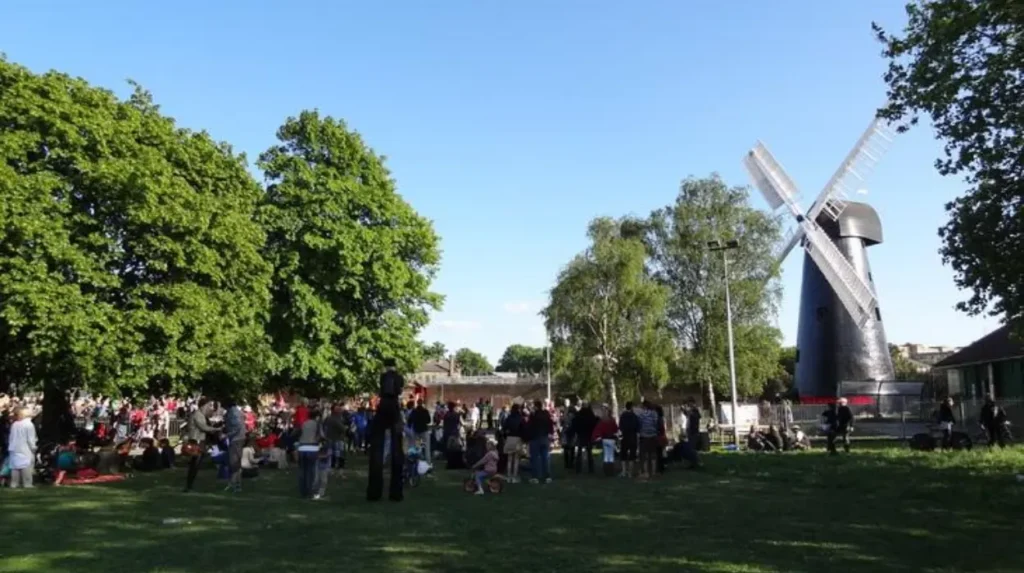
Brixton Windmill
Built in 1816, Brixton Windmill is one of London’s few surviving working windmills. Restored through community fundraising and heritage investment, it demonstrates traditional flour milling techniques during public open days.
The surrounding educational gardens and visitor centre explain Brixton’s agricultural history before urban expansion transformed the area.
Beaconsfield Contemporary Art Gallery
Located within a former Victorian ragged school near Vauxhall, Beaconsfield Gallery presents experimental contemporary art, architecture, film, and performance. Its exhibitions frequently examine urban development, environmental issues, and social history.
Independent Public Art
Neighbourhoods including Brixton, Stockwell, and Waterloo contain extensive collections of murals, sculptures, mosaics, and community artwork. These installations celebrate local history, multicultural communities, music heritage, and social movements.
Which riverside locations offer quieter alternatives to the South Bank?
Beyond the busy South Bank promenade, Lambeth includes peaceful stretches of the River Thames featuring historic wharves, landscaped walkways, hidden viewpoints, riverside cafés, and conservation areas that provide scenic experiences without large tourist crowds.
The River Thames has shaped Lambeth’s economic and cultural development for centuries.
St Mary’s Garden
Positioned near Lambeth Bridge, St Mary’s Garden provides one of the borough’s quietest riverside green spaces. Mature trees, lawns, flower beds, and seating areas create a peaceful environment within walking distance of Westminster.
Albert Embankment
Although commuters regularly use Albert Embankment, many visitors overlook its uninterrupted river views extending towards the Palace of Westminster, Chelsea Bridge, and Battersea Power Station.
The riverside pathway features public sculptures, landscaped planting, and cycling infrastructure.
Old Industrial Riverside
Sections of Vauxhall preserve remnants of nineteenth-century industrial development, including former warehouses, riverside engineering sites, and converted commercial buildings that illustrate Lambeth’s manufacturing heritage.
What hidden nature reserves can visitors explore in Lambeth?
Lambeth protects valuable urban biodiversity through woodlands, wetlands, community gardens, wildlife corridors, and conservation sites. These natural environments support birds, insects, mammals, and native plants while providing educational opportunities and peaceful outdoor recreation.
Urban biodiversity plays an increasingly important role in London’s environmental planning.
Brockwell Park Nature Reserve
Within Brockwell Park, protected woodland habitats support birds, butterflies, pollinating insects, and native wildflowers. Educational interpretation explains ecological management and habitat restoration.
Palace Road Nature Garden
Managed through community participation, Palace Road Nature Garden demonstrates sustainable urban conservation through native planting, ponds, composting systems, and wildlife habitats.
Streatham Common Woodland
Streatham Common combines open grassland with ancient woodland habitats containing oak, ash, hornbeam, and seasonal wildflowers. Walking trails provide accessible routes through one of Lambeth’s largest natural environments.
Which hidden attractions suit families visiting Lambeth?
Families can enjoy urban farms, interactive museums, adventure playgrounds, educational gardens, wildlife habitats, and community festivals. These attractions combine entertainment with learning while remaining less crowded than London’s principal family tourist destinations throughout most of the year.
Family-friendly attractions extend beyond conventional playgrounds.
Vauxhall City Farm
Founded in 1977, Vauxhall City Farm houses goats, alpacas, sheep, rabbits, chickens, horses, and small mammals within an accessible educational environment. Educational programmes introduce children to animal care, food production, and environmental sustainability.
Brockwell Lido
Originally opened in 1937, Brockwell Lido remains one of London’s best-preserved outdoor swimming pools. Its Art Deco architecture and community atmosphere distinguish it from larger commercial leisure centres.
Local Festivals
Neighbourhood festivals celebrating food, music, heritage, literature, and community organisations occur throughout the year across Brixton, Herne Hill, Clapham, and Waterloo. These events strengthen community identity while introducing visitors to local culture.
Explore More Area Guide
Which Hidden Attractions Are Worth Visiting in Lambeth, South London?
Best Free Attractions in Lambeth: Museums, Parks and Culture
Where can digital nomads and remote workers find quieter places in Lambeth?
Lambeth offers independent cafés, public libraries, co-working venues, peaceful parks, and cultural spaces with reliable connectivity and comfortable environments. These locations provide productive alternatives to crowded central London cafés while remaining well connected by public transport.
Remote working continues to increase demand for comfortable public workspaces.
Waterloo and Brixton Independent Cafés
Neighbourhood cafés provide work-friendly environments with Wi-Fi, power sockets, locally roasted coffee, and quieter atmospheres than major chain establishments.
Minet Library
Minet Library combines historical significance with modern public facilities, study spaces, archive collections, and community programmes supporting research and learning.
Brockwell Park
Visitors frequently combine remote work with outdoor recreation by using seating areas throughout Brockwell Park before exploring nearby cafés and cultural venues.
How accessible are Lambeth’s hidden attractions?
Most hidden attractions are easily reached using London’s Underground, National Rail, buses, walking routes, and cycling infrastructure. Their central locations allow visitors to combine multiple destinations into a single day while avoiding heavy tourist congestion.
Lambeth benefits from one of London’s strongest public transport networks.
Underground stations including Waterloo, Lambeth North, Vauxhall, Oval, Brixton, Stockwell, Clapham North, Clapham Common, Clapham South, and Elephant & Castle provide extensive access across the borough.
National Rail services operate through Waterloo, Vauxhall, Streatham, Herne Hill, Loughborough Junction, West Norwood, and Tulse Hill.
Cyclists benefit from protected Cycleways connecting Westminster, South Bank, Vauxhall, Brixton, Clapham, and central London.
Walking between attractions often requires less than thirty minutes due to the borough’s compact geography.
Visitors should verify seasonal opening hours for museums, heritage sites, community gardens, and guided tours before travelling.
Why do Lambeth’s hidden attractions remain important today?
Hidden attractions preserve Lambeth’s heritage, strengthen local communities, protect biodiversity, support independent cultural organisations, and diversify London’s visitor economy. Together they provide authentic experiences that complement the borough’s internationally recognised landmarks while encouraging sustainable tourism and neighbourhood regeneration.
Lambeth’s lesser-known destinations represent nearly every stage of London’s historical development, from medieval religious institutions and Georgian neighbourhoods to Victorian cemeteries, twentieth-century public parks, and contemporary creative industries.
These attractions contribute economically by supporting independent businesses, cafés, artists, museums, conservation projects, and local events. They also reduce visitor pressure on London’s busiest landmarks by encouraging wider exploration across the borough.
For residents, these places improve quality of life through accessible green space, cultural participation, and community engagement. For visitors, they reveal a richer understanding of South London beyond internationally famous attractions.
As urban tourism increasingly values authentic neighbourhood experiences, Lambeth’s hidden attractions continue to grow in significance. Their combination of history, culture, architecture, biodiversity, and local identity ensures they remain valuable destinations for tourists, residents, digital nomads, and business travellers seeking a deeper perspective on one of London’s most distinctive boroughs.
What are the best hidden attractions in Lambeth?
Some of Lambeth’s best hidden attractions include the Garden Museum, Brixton Windmill, West Norwood Cemetery, Archbishop’s Park, St Mary’s Garden, Brockwell Hall Gardens, Vauxhall City Farm, and Beaconsfield Gallery.