Lambeth is one of South London’s most diverse boroughs, combining world-famous cultural attractions, riverside landmarks, historic districts, creative communities, and modern neighbourhood experiences. Visitors explore areas such as Waterloo, South Bank, Brixton, Clapham, Vauxhall, Kennington, and Stockwell for arts, food, heritage, green spaces, and local culture.
- Which Lambeth neighbourhoods offer the best visitor experiences?
- Why should visitors explore South Bank and Waterloo in Lambeth?
- What makes Brixton one of Lambeth’s most interesting neighbourhoods?
- Why is Clapham popular with visitors looking for local London experiences?
- What can visitors discover in Vauxhall?
- Why should tourists visit Kennington in Lambeth?
- What experiences does Stockwell offer visitors?
- How accessible are Lambeth neighbourhoods for visitors?
- Which Lambeth neighbourhoods are best for food, culture, and nightlife?
- Why is Lambeth important for future visitors and London tourism?
The London Borough of Lambeth covers approximately 10.4 square miles on the south bank of the River Thames. It was created in 1965 through the merger of the former Metropolitan Boroughs of Lambeth, Streatham, and parts of Wandsworth. The borough has developed into one of London’s most visited areas because it connects central London attractions with distinctive residential neighbourhoods.
Lambeth attracts tourists, business travellers, digital nomads, and local explorers because each neighbourhood offers a different experience. The borough contains major cultural institutions, historic buildings, entertainment venues, public parks, independent businesses, and transport connections that link visitors to wider London.
The area’s identity is shaped by centuries of transformation. Medieval villages, royal connections, industrial development, Victorian expansion, post-war regeneration, and contemporary creative industries all influence Lambeth today.
As you explore the modern neighbourhoods of Lambeth, you are also discovering areas shaped by centuries of development. Read about the full to understand the origins behind today’s streets, landmarks, and communities.
Which Lambeth neighbourhoods offer the best visitor experiences?
The best Lambeth neighbourhoods for visitors include South Bank, Waterloo, Brixton, Clapham, Vauxhall, Kennington, and Stockwell because each district provides unique attractions, cultural venues, historic sites, dining areas, and transport links.
Lambeth’s neighbourhoods provide different experiences within a compact geographical area. Visitors can move from internationally recognised attractions beside the Thames to lively markets, Victorian streets, creative spaces, and peaceful green areas within minutes.
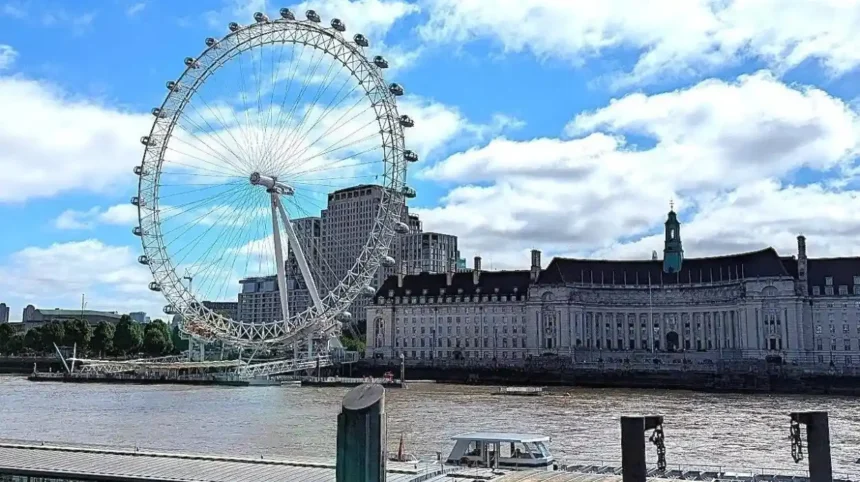
The northern part of Lambeth is dominated by the South Bank cultural district. This area attracts millions of visitors annually because it contains major venues including the Royal Festival Hall, National Theatre, Hayward Gallery, and London Eye.
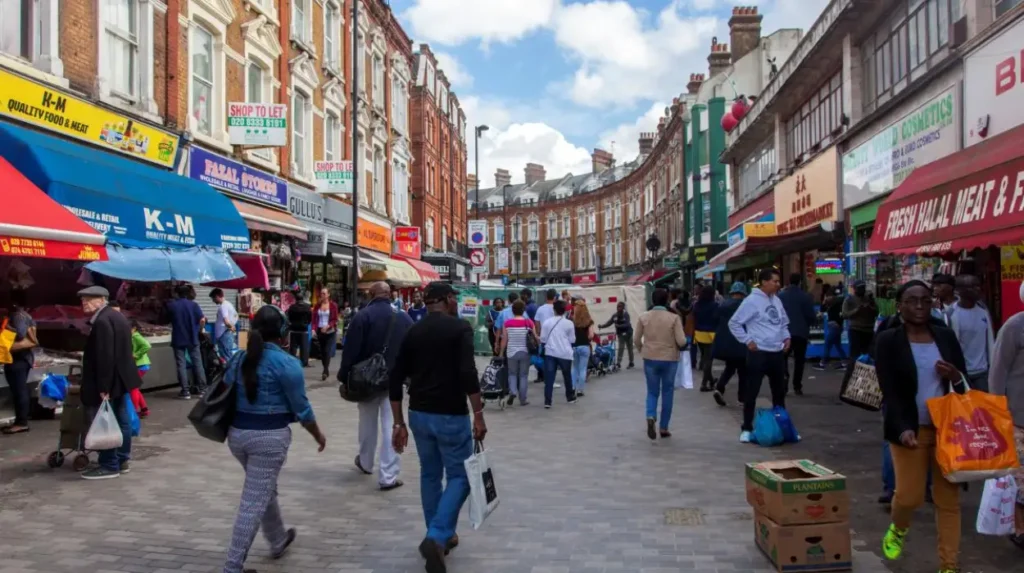
Further south, Brixton represents Lambeth’s multicultural identity. The neighbourhood is recognised for Brixton Market, music history, independent businesses, and Caribbean cultural influences.
Clapham provides a different atmosphere with large open spaces, Georgian and Victorian architecture, restaurants, cafes, and nightlife. Vauxhall combines riverside regeneration with historic landmarks and modern residential developments.
Kennington and Stockwell provide connections between central London and residential South London. These neighbourhoods contain historic buildings, community spaces, and local attractions.
Why should visitors explore South Bank and Waterloo in Lambeth?
South Bank and Waterloo are among Lambeth’s most visited areas because they combine riverside attractions, international cultural venues, transport connections, and public spaces along the River Thames.
South Bank is a cultural destination located along the southern side of the River Thames. It forms part of London’s central cultural corridor and attracts visitors throughout the year.
The area became internationally recognised after the 1951 Festival of Britain, a national exhibition designed to showcase British achievements in science, technology, arts, and industry. The Festival of Britain transformed the riverside landscape and created foundations for modern South Bank development.
Today, visitors explore attractions including:
- The London Eye, a 135-metre observation wheel opened in 2000.
- The Royal Festival Hall, opened in 1951 as part of the Festival of Britain.
- The National Theatre, established in 1963.
- Hayward Gallery, opened in 1968.
- The Southbank Centre, one of Europe’s largest arts centres.
Waterloo acts as a major transport gateway. Waterloo Station opened in 1848 and became one of Britain’s busiest railway stations. It connects visitors with national rail services and London Underground routes.
The neighbourhood also provides access to cultural walks, riverside restaurants, street performances, and views of landmarks including the Houses of Parliament and St Paul’s Cathedral.
What makes Brixton one of Lambeth’s most interesting neighbourhoods?
Brixton is one of Lambeth’s most distinctive neighbourhoods because it combines multicultural heritage, music history, food markets, independent businesses, and creative industries within a globally recognised South London destination.
Brixton developed from a rural area into an urban district during London’s expansion in the 19th century. Rail connections accelerated growth after the opening of Brixton railway services in the Victorian period.
The neighbourhood became internationally recognised for its Caribbean communities, especially after migration from Caribbean countries following the Second World War. This cultural influence shaped Brixton’s food, music, festivals, and local identity.
Key visitor attractions include:
Brixton Market
Brixton Market has operated in various forms since the 19th century. It contains food traders, independent shops, restaurants, and cultural businesses.
Brixton Windmill
Brixton Windmill is a historic working windmill built in 1816. It represents the agricultural history of the area before urban expansion.
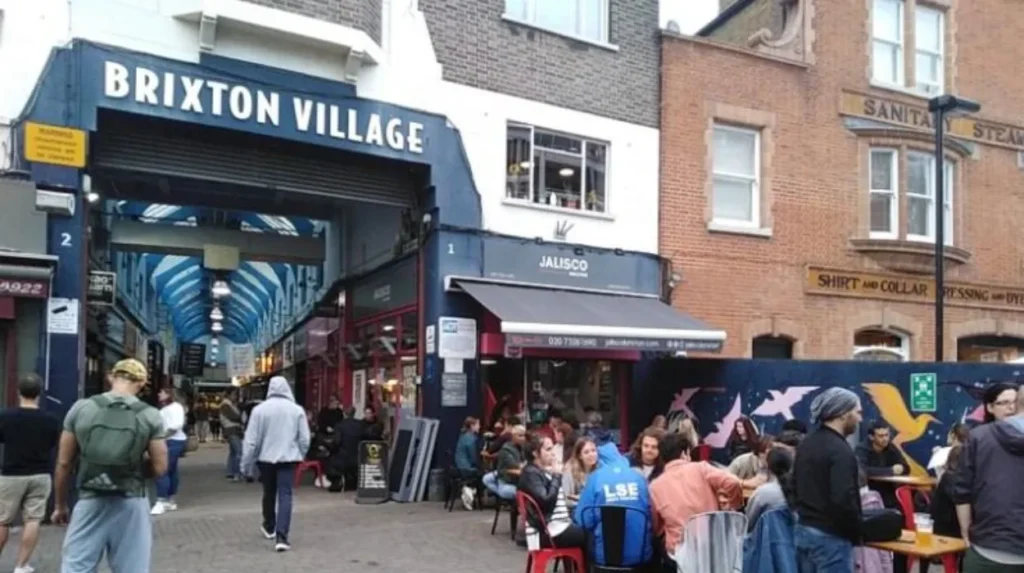
Brixton Village
Brixton Village developed from historic market buildings and now contains restaurants, cafes, and independent retailers.
Brixton also has strong links with music history. The neighbourhood is associated with influential venues and artists, making it an important destination for visitors interested in London’s cultural development.
Why is Clapham popular with visitors looking for local London experiences?
Clapham attracts visitors through its village-style streets, historic architecture, large green spaces, restaurants, cafes, and entertainment venues that provide a quieter alternative to central London attractions.
Clapham developed as a fashionable residential district during the Georgian and Victorian periods. Wealthy London residents moved to the area because of improved transport links and proximity to central London.
The neighbourhood is centred around Clapham Common, a large public park covering approximately 220 acres. The Common provides walking routes, sports facilities, ponds, and open landscapes.
Important visitor features include:
- Clapham Common, one of South London’s largest green spaces.
- Clapham Old Town, containing historic buildings and independent businesses.
- Local restaurants and cafes along Clapham High Street.
Clapham’s architecture reflects different historical periods. Georgian terraces, Victorian houses, and modern developments exist alongside each other.
The area also provides access to cultural venues and nightlife while maintaining a strong residential character.
What can visitors discover in Vauxhall?
Vauxhall offers visitors a combination of riverside landscapes, historic landmarks, modern regeneration, and cultural attractions close to central London and Westminster.
Vauxhall sits beside the River Thames and has experienced major transformation through regeneration projects during the 21st century.
The neighbourhood contains important landmarks including:
Vauxhall Pleasure Gardens
Vauxhall Pleasure Gardens were established in the 17th century and became famous during the Georgian period as an entertainment destination.
Tate Britain
Tate Britain opened in 1897 and houses a major collection of British art from the 16th century onwards.
Vauxhall Nine Elms regeneration has introduced residential buildings, commercial spaces, and improved riverside areas. The arrival of the Northern Line Extension in 2021 improved connections between Battersea, Nine Elms, and central London.
Visitors use Vauxhall as a base for exploring Westminster, the Thames Path, art galleries, and riverside attractions.
Why should tourists visit Kennington in Lambeth?
Kennington provides visitors with historic landmarks, royal connections, green spaces, and cultural attractions that reveal important parts of London’s political and social history.
Kennington has medieval origins and developed as an important settlement south of the River Thames. The area became associated with royal history because of Kennington Palace, a medieval royal residence.
Important attractions include:
Kennington Park
Kennington Park opened as a public space in 1854 and contains historic landscapes, sports facilities, and community areas.
The Oval
The Oval cricket ground opened in 1845 and remains one of England’s most historic cricket venues.
Kennington’s streets contain Georgian terraces, Victorian housing, and historic churches. The neighbourhood provides a connection between central London landmarks and quieter South London communities.
What experiences does Stockwell offer visitors?
Stockwell offers visitors authentic South London experiences through multicultural communities, historic architecture, local businesses, green spaces, and convenient transport connections.
Stockwell developed rapidly during London’s suburban expansion in the 19th century. The opening of Stockwell Underground station in 1890 improved connections with central London.
The neighbourhood is known for:
- Multicultural restaurants and shops.
- Victorian residential streets.
- Stockwell Park Estate, an example of post-war housing development.
- Local parks and community spaces.
Stockwell also benefits from its location between Brixton, Vauxhall, and central London. Visitors use the area as a starting point for exploring wider Lambeth.
How accessible are Lambeth neighbourhoods for visitors?
Lambeth provides excellent accessibility through Underground stations, railway services, bus routes, cycling infrastructure, and walking connections linking major attractions with local neighbourhoods.
Transport is one of Lambeth’s strongest visitor advantages. The borough contains major stations including Waterloo, Vauxhall, Clapham High Street, Brixton, and Stockwell.
London Underground services include:
- Victoria line connections through Brixton, Stockwell, and Vauxhall.
- Northern line connections through Kennington, Stockwell, and Clapham.
- Jubilee line access through Waterloo.
Waterloo Station provides national rail connections across southern England. Vauxhall Station connects rail passengers with Surrey and southwest London.
Walking and cycling routes are also important. The Thames Path provides a continuous riverside walking route through Lambeth.
Explore More Area Guide
Romantic Experiences for Couples in Lambeth 2026
Best Rainy-Day Activities in Lambeth, South London 2026
Which Lambeth neighbourhoods are best for food, culture, and nightlife?
Brixton, South Bank, Clapham, and Vauxhall provide Lambeth’s strongest combination of restaurants, cultural venues, entertainment spaces, and evening activities for visitors.
Food culture reflects Lambeth’s diverse population. Brixton offers Caribbean, African, European, and international cuisines. South Bank provides restaurants beside cultural venues and riverside locations.
Clapham High Street contains restaurants, cafes, and entertainment venues. Vauxhall provides modern dining options linked with riverside regeneration.
Cultural attractions remain central to Lambeth’s identity. Museums, theatres, galleries, markets, and music venues create year-round visitor activity.
Why is Lambeth important for future visitors and London tourism?
Lambeth remains important for London tourism because it combines heritage conservation, cultural investment, sustainable transport, public spaces, and diverse neighbourhood experiences in one central South London borough.
The borough continues to evolve through regeneration while maintaining historic character. Cultural institutions attract international visitors, while neighbourhood businesses support local tourism.
Lambeth’s future relevance comes from its balance between historic preservation and modern development. Riverside improvements, transport upgrades, creative industries, and community projects continue shaping the visitor experience.
For tourists seeking more than traditional central London attractions, Lambeth provides access to heritage, culture, food, entertainment, and everyday London life.
What are the best neighbourhoods to visit in Lambeth?
The best neighbourhoods to visit in Lambeth include South Bank, Waterloo, Brixton, Clapham, Vauxhall, Kennington, and Stockwell because they offer cultural attractions, historic landmarks, food experiences, green spaces, and strong transport connections.