Lambeth is one of South London’s most diverse food destinations, combining Caribbean cooking, Portuguese restaurants, African flavours, independent cafés, traditional street markets and contemporary international dining. Its food culture reflects generations of migration, local entrepreneurship and neighbourhood traditions.
- What Makes Lambeth’s Food Culture Unique?
- How Has Lambeth’s History Influenced Its Local Cuisine?
- Where Can Visitors Experience Lambeth’s Traditional Food Markets?
- Which Caribbean Dishes Should Visitors Try in Brixton?
- Where Can Visitors Discover Portuguese Food in Stockwell and Little Portugal?
- Bacalhau
- Pastéis de Bacalhau
- Caldo Verde
- Grilled Sardines and Seafood
- Portuguese Custard Tarts
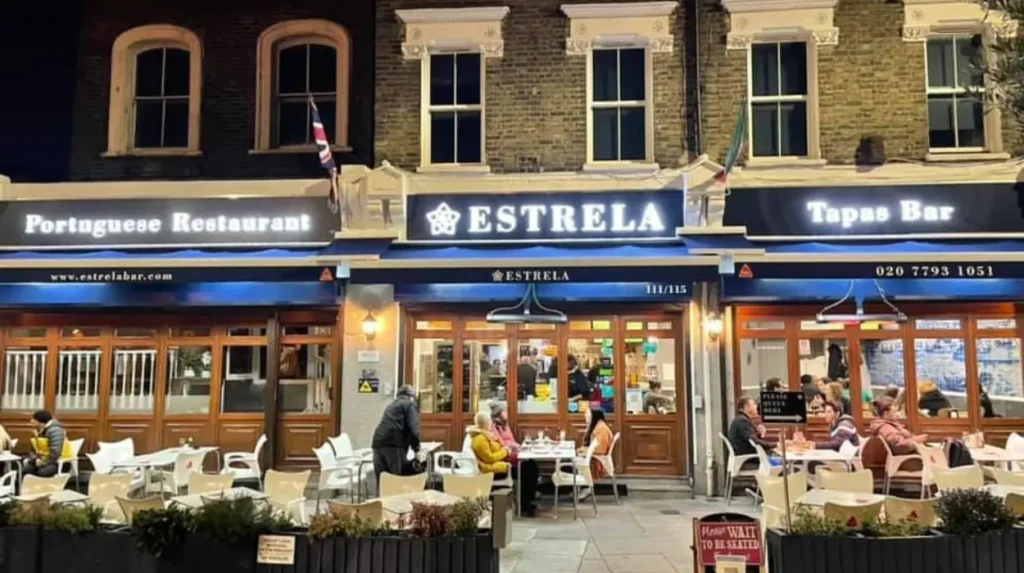
- Which Portuguese Restaurants Can Visitors Explore?
- How Can Visitors Explore African and Other International Cuisines in Lambeth?
- What Is Pop Brixton and Why Is It Important to Lambeth’s Food Scene?
- Which Neighbourhoods Should Visitors Include in a Lambeth Food Tour?
- Brixton: Caribbean Food and Market Culture
- Stockwell: Portuguese Restaurants and Cafés
- Waterloo: Street Food and Local Markets
- How Can Visitors Experience Lambeth’s Food Culture Beyond Restaurants?
- Visit Specialist Food Shops
- Explore Independent Cafés
- Attend Food-Related Events
- Discover Community Food Projects
- When Is the Best Time to Explore Lambeth’s Food Markets and Restaurants?
- How Can Visitors Support Local Food Businesses in Lambeth?
- How Is Lambeth’s Food Culture Connected to Sustainability and Community Food Projects?
- How Should Visitors Plan a Food-Culture Trip Around Lambeth?
- Choose a Neighbourhood
- Check Transport Connections
- Check Menus and Opening Times
- Consider Dietary Requirements
- Plan a Balanced Budget
- Why Should Lambeth Be Included in a South London Food Tour?
Visitors exploring Lambeth can experience this diversity through Brixton Market, Brixton Village, Pop Brixton, Stockwell’s Little Portugal and Waterloo’s Lower Marsh Market. Each neighbourhood offers a different perspective on how food connects communities, preserves cultural heritage and supports independent businesses.
Lambeth’s food scene extends beyond restaurants. It includes specialist grocery shops, traditional food stalls, family-run kitchens, community food projects and independent producers. Visitors can discover unfamiliar ingredients, sample traditional recipes and understand the cultural influences behind local dishes.
Whether exploring Brixton for Caribbean food, visiting Stockwell for Portuguese cuisine or enjoying international street food in Waterloo, Lambeth offers a practical way to experience London’s multicultural food heritage.
What Makes Lambeth’s Food Culture Unique?
Lambeth’s food culture reflects its multicultural population, migration history and independent food businesses. Caribbean, Portuguese, African, Asian and European influences shape its restaurants, markets and traditional dishes, creating a distinctive local dining experience across neighbourhoods such as Brixton, Stockwell, Vauxhall and Waterloo.
The London Borough of Lambeth is located in South London and includes neighbourhoods with different cultural identities and food traditions. Brixton has particularly strong Caribbean connections, while Stockwell is widely associated with London’s Portuguese-speaking community.
This cultural diversity influences the ingredients available in local shops, the menus served in independent restaurants and the food experiences offered at markets.
Lambeth’s food culture has several defining characteristics:
- Caribbean heritage: Jamaican, Trinidadian and wider Caribbean cooking, including jerk chicken, curried goat, rice and peas, and fried plantain.
- Portuguese traditions: Grilled seafood, salted cod, Portuguese pastries, traditional soups and grilled meats.
- African influences: West African and other African cuisines, including rice-based dishes, stews, grilled meats and traditional seasonings.
- International street food: Food inspired by Asian, Middle Eastern, Latin American and European cooking.
- Independent businesses: Family-run restaurants, specialist grocers, cafés and market traders.
These influences create a food environment where traditional cooking exists alongside modern dining concepts.
Brixton is particularly important because its markets bring together established traders and newer independent food businesses. Stockwell provides another important cultural experience through its Portuguese restaurants and cafés.
The result is a neighbourhood-based food culture rather than a single central dining district.
How Has Lambeth’s History Influenced Its Local Cuisine?
Lambeth’s food heritage developed through migration, changing communities and independent enterprise. Caribbean migration after the Second World War, Portuguese settlement around Stockwell and wider international movement introduced ingredients, cooking traditions and restaurants that continue to influence local cuisine today.
Food history in Lambeth is closely connected to the movement of people into London during the twentieth century.
After the Second World War, Caribbean migrants settled in London, including Brixton. The arrival of the HMT Empire Windrush in 1948 became an important milestone in post-war Caribbean migration to Britain.
Brixton subsequently developed a strong Caribbean community identity. Food businesses, grocery shops and restaurants helped maintain cultural traditions while introducing Jamaican, Trinidadian and other Caribbean flavours to a wider London audience.
Traditional dishes became important parts of everyday neighbourhood life. Jerk chicken, curry goat, patties, fried fish and rice and peas became familiar features of Brixton’s food environment.
Portuguese migration also influenced Lambeth’s culinary identity. Stockwell and the surrounding South Lambeth Road and Wandsworth Road areas developed strong connections with London’s Portuguese community.
Portuguese cafés, bakeries, restaurants and social businesses established a neighbourhood food culture based on traditional meals, seafood, grilled meats and Portuguese hospitality.
London Museum documents how migration and changing social relationships transformed London’s food and drink culture, including the experiences of Caribbean communities in Brixton. London Museum+1
The historic development of Lambeth’s markets also helped local food businesses reach residents and visitors.
As you explore the modern restaurants and markets, you are experiencing a neighbourhood shaped by generations of cultural change. Discover the full [Insert Anchor Text for Lambeth’s Historical Background Article Here] to understand the area’s origins, migration history and changing community identity.
This historical connection explains why Lambeth’s cuisine is not simply a collection of international restaurant options. It represents the traditions and experiences of communities that helped shape South London.
Where Can Visitors Experience Lambeth’s Traditional Food Markets?
Visitors can experience Lambeth’s traditional food culture at Brixton Market, Brixton Village, Market Row and Lower Marsh Market. These destinations combine fresh produce, specialist ingredients, independent food traders and international street food, providing opportunities to sample local flavours and explore everyday market life.
Food markets are among the most accessible ways to understand Lambeth’s culinary identity. They allow visitors to explore different cuisines without committing to a single restaurant.
Brixton Market
Brixton Market is one of Lambeth’s best-known market destinations.
The market includes Electric Avenue, Pope’s Road and Brixton Station Road. Lambeth Council identifies more than 80 licensed pitches across these locations.
Visitors find fresh fruit, vegetables, spices, specialist groceries, household products and prepared food. Caribbean and African ingredients are particularly significant to the market’s identity.
Examples of products to look for include:
- Fresh plantain and yams.
- Scotch bonnet peppers.
- Caribbean seasoning and spices.
- Tropical fruits and vegetables.
- Salted fish and specialist dried ingredients.
The market is particularly useful for visitors interested in understanding the ingredients behind traditional Caribbean cooking.
Lambeth Council provides official information about market locations, trading arrangements and street-food opportunities.
Brixton Village and Market Row
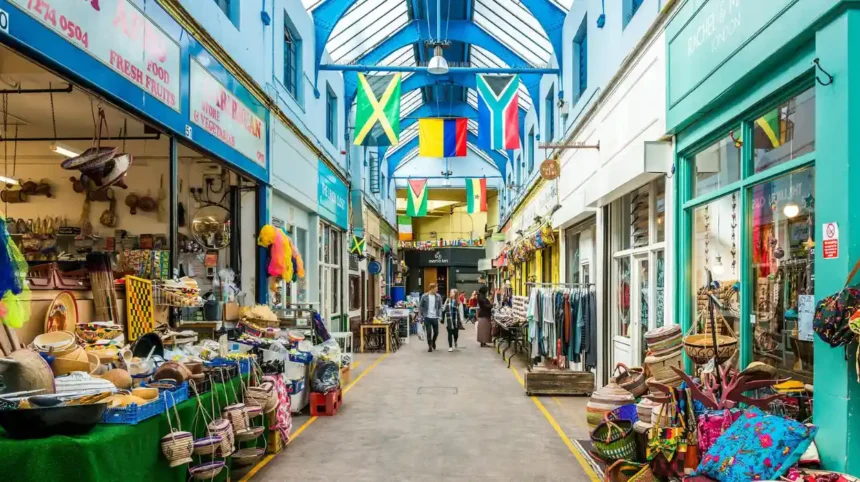
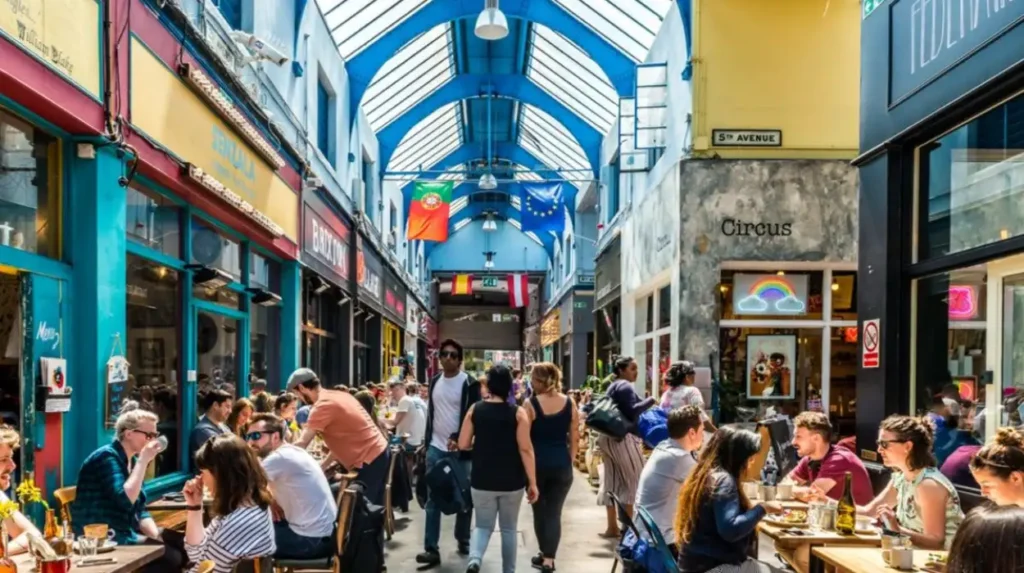
Brixton Village occupies the covered market arcades around Coldharbour Lane.
It combines independent restaurants, food shops, cafés and specialist retailers. Visitors can explore Caribbean, Japanese, Latin American, African and European food options.
The market is particularly suitable for people who want to compare several cuisines during one visit.
Popular food experiences include:
- Caribbean jerk dishes and traditional fish recipes.
- Venezuelan arepas and other Latin American street food.
- Japanese ramen and hand-rolled sushi.
- Dumplings and international small plates.
- Independent coffee shops and desserts.
Market Row provides additional food and retail experiences nearby.
The two areas work well together as a walking food destination. Visitors can browse traditional market traders before exploring the covered restaurant arcades.
Visit London’s market guide also identifies Brixton Village and Market Row as important destinations for international food, fresh produce and independent businesses.
Lower Marsh Market
Lower Marsh Market is located close to Waterloo Station in Lambeth.
Unlike Brixton’s concentrated market district, Lower Marsh provides a traditional street-market experience along a neighbourhood shopping street.
Its food traders offer different international options, including dishes influenced by Greek, Thai, Nigerian, Indian, Mexican, Lebanese and Caribbean cooking.
The market is particularly useful for visitors exploring Waterloo, the South Bank and nearby cultural attractions.
Weekday lunch is an important time to explore this destination because market activity serves workers, local residents and visitors.
Visitors should check current trading arrangements before travelling because individual stalls and market schedules change.
Which Caribbean Dishes Should Visitors Try in Brixton?
Brixton is one of London’s most recognisable destinations for Caribbean food, particularly Jamaican and Trinidadian cooking. Visitors can explore jerk chicken, curry goat, rice and peas, roti, fried plantain, saltfish and traditional Caribbean patties through independent restaurants and specialist market traders.
Caribbean cuisine is an essential part of Brixton’s food identity. Its popularity is connected to the area’s post-war migration history and the growth of Caribbean-owned businesses.
Visitors can explore traditional cooking methods, seasoning combinations and dishes that represent different Caribbean islands.
Jerk Chicken
Jerk chicken is one of Jamaica’s best-known dishes.
It is traditionally prepared using a seasoning mixture that includes ingredients such as allspice, thyme, garlic, spring onions and Scotch bonnet peppers.
The chicken is marinated before being cooked, traditionally over pimento wood. The cooking process creates a distinctive smoky flavour.
Restaurants frequently serve jerk chicken with rice and peas, coleslaw or fried plantain.
Curry Goat
Curry goat is another important Jamaican and wider Caribbean dish.
The meat is cooked slowly with curry spices, onions, garlic and other seasonings until tender. It is commonly served with rice and peas or plain rice.
Visitors looking for traditional Caribbean comfort food should consider this dish.
Rice and Peas
Rice and peas is a traditional Jamaican side dish.
Despite its name, the peas generally refer to kidney beans or similar legumes. Rice is cooked with coconut milk, herbs and seasonings.
It is frequently served alongside jerk chicken, grilled fish and curry dishes.
Roti
Roti is particularly associated with Trinidadian and other Caribbean food traditions influenced by South Asian cooking.
It consists of flatbread served with curried fillings such as chicken, chickpeas or vegetables. Different preparations include dhalpuri and paratha-style roti.
Fried Plantain
Plantain is a staple ingredient across several Caribbean cuisines.
Ripe plantain is sliced and fried until the exterior becomes golden and caramelised. It provides a sweet contrast to spicy or savoury main dishes.
Where Can Visitors Try Caribbean Food?
Fish, Wings and Tings is an established restaurant inside Brixton Village.
Its menu reflects Trinidadian-inspired Caribbean cooking. Visitors can explore dishes such as cod fritters, jerk chicken and wings with Caribbean-style sauces.
Etta’s Kitchen is another Brixton Village destination specialising in Caribbean seafood and Jamaican flavours.
Visitors interested in a more informal home-style experience can also explore Maureen’s Brixton Kitchen on Railton Road, known for Jamaican cooking and dishes such as jerk chicken, curry goat and oxtail.
These businesses demonstrate how Caribbean food remains central to Brixton’s restaurant identity.
Where Can Visitors Discover Portuguese Food in Stockwell and Little Portugal?
Stockwell and the surrounding Vauxhall area provide an important introduction to Lambeth’s Portuguese food culture. Independent restaurants and cafés serve traditional seafood, grilled meats, salted cod, soups and pastries, reflecting the area’s established Portuguese-speaking community.
Stockwell is closely associated with an area commonly known as Little Portugal. Its Portuguese identity is visible through restaurants, cafés, specialist food shops and community businesses.
South Lambeth Road and Wandsworth Road are useful starting points for exploring this culinary tradition.
Portuguese cooking often uses seafood, olive oil, garlic, herbs, potatoes and grilled ingredients. Traditional meals also include rice, vegetables and slow-cooked meat.
Visitors can explore several recognisable Portuguese dishes.
Bacalhau
Bacalhau is salted and dried cod, an important ingredient in Portuguese cuisine.
It is prepared in different ways, including baked dishes, shredded cod with potatoes and onions, and fried cod cakes.
Pastéis de Bacalhau
These are traditional Portuguese codfish cakes.
They combine salted cod, potatoes, herbs and seasoning before being shaped and fried. They are commonly served as starters or snacks.
Caldo Verde
Caldo verde is a traditional Portuguese soup prepared using potatoes, finely sliced greens, olive oil and other ingredients.
It is commonly associated with Portuguese home cooking and is particularly suitable as a starter.
Grilled Sardines and Seafood
Grilled sardines are an important part of Portuguese coastal food traditions.
Other popular preparations include grilled sea bass, prawns, octopus and seafood rice.
Portuguese Custard Tarts
Pastel de nata is a Portuguese custard tart made with flaky pastry and a creamy egg-based filling.
It is a familiar Portuguese bakery product and a convenient option for visitors exploring local cafés.
Which Portuguese Restaurants Can Visitors Explore?
O Cantinho de Portugal is located at 137 Stockwell Road. It offers traditional Portuguese food, including seafood and grilled dishes.
A Toca Restaurant is located at 341 Wandsworth Road. Its menu includes Portuguese-inspired seafood, grilled meats and petiscos.
O Campino Restaurant is another Stockwell-area restaurant associated with Portuguese cooking and traditional neighbourhood dining.
Visitors can also explore Lusitania on Wandsworth Road for Portuguese and Mediterranean dishes.
These establishments provide opportunities to experience Portuguese food beyond London’s larger tourist dining districts.
How Can Visitors Explore African and Other International Cuisines in Lambeth?
Visitors can discover African and international cuisines through Brixton’s specialist food shops, independent restaurants and multicultural markets. Nigerian, Ghanaian, Ethiopian, Japanese, Venezuelan, Indian and Middle Eastern influences contribute to the borough’s varied food experiences.
Lambeth’s food diversity extends beyond its established Caribbean and Portuguese communities.
Brixton provides access to African groceries, restaurants and prepared meals. The wider restaurant scene introduces visitors to cuisines from different parts of the world.
West African Food
West African cuisine includes dishes prepared with rice, beans, vegetables, meat, fish and carefully developed spice mixtures.
Visitors can look for:
- Jollof rice, a seasoned tomato-based rice dish.
- Suya, spiced grilled meat commonly associated with Nigerian cooking.
- Egusi soup, prepared with ground melon seeds and vegetables.
- Fufu, a starchy accompaniment served with soups and stews.
- Moi moi, a steamed savoury bean pudding.
These dishes represent different regional cooking traditions rather than one uniform African cuisine.
Ethiopian Food
Ethiopian cuisine is recognised for its use of injera, a fermented flatbread traditionally prepared using teff flour.
Injera is served with stews, lentils, vegetables and meat preparations. Diners traditionally use pieces of the bread to pick up accompanying food.
This style of communal eating provides an interesting alternative to conventional restaurant dining.
Latin American Food
Brixton’s food markets and restaurants also provide opportunities to explore Latin American cooking.
Arepas are a popular Venezuelan and Colombian food made from maize-based dough. They are cooked and filled with ingredients such as cheese, meat, beans or vegetables.
Visitors can also look for Mexican tacos, Latin American grilled dishes and other regional specialities.
Asian Food
Brixton Village includes independent kitchens serving Japanese and other Asian cuisines.
Examples include ramen, sushi, dumplings and noodle dishes.
These businesses demonstrate how Lambeth’s independent restaurant sector combines traditional recipes with contemporary dining formats.
The variety of cuisines makes the borough suitable for visitors who want to experience several international food traditions during one trip.
What Is Pop Brixton and Why Is It Important to Lambeth’s Food Scene?
Pop Brixton is an independent food, retail and community destination on Brixton Station Road. Established in 2015, it supports local enterprises through food stalls, restaurants, bars and cultural events, providing visitors with another way to experience Lambeth’s contemporary food culture.
Pop Brixton is located at 49 Brixton Station Road, London SW9 8PQ.
The destination was established in 2015 as a meanwhile-use development in partnership with Lambeth Council. It was created using 55 shipping containers on the site of a former ice rink.
The project provides space for independent businesses and local entrepreneurs.
Food is one of its central attractions. Visitors can explore different street-food options, independent restaurants, drinks businesses and social dining spaces.
Pop Brixton offers several types of experiences:
- Street food: International dishes prepared by independent food traders.
- Casual dining: Informal spaces for meals with friends and family.
- Independent businesses: Small enterprises operating in food, drinks and retail.
- Community events: Music, markets, workshops and cultural activities.
The venue is useful for visitors who prefer a relaxed dining environment rather than a formal restaurant.
It also demonstrates how temporary urban development projects can support independent businesses and create new community destinations.
Pop Brixton’s official website describes its purpose as supporting independent local enterprises and providing space for food, culture and community activity.
The organisation also identifies its original development as a 55-container project established in 2015.
Which Neighbourhoods Should Visitors Include in a Lambeth Food Tour?
A Lambeth food tour works best when visitors explore neighbourhoods with distinct culinary identities. Brixton offers Caribbean markets and international street food, Stockwell introduces Portuguese cooking, and Waterloo provides weekday market dining through Lower Marsh and its surrounding independent food businesses.
Brixton: Caribbean Food and Market Culture
Brixton is the strongest starting point for visitors interested in Lambeth’s Caribbean heritage.
A walking visit can begin at Electric Avenue, continue through Brixton Station Road and explore Brixton Village and Market Row.
Visitors can browse fresh produce, purchase specialist ingredients and sample Caribbean meals.
Pop Brixton provides an additional stop for independent street food and casual dining.
Allow approximately two to three hours for a relaxed visit, depending on the number of food stops.
Stockwell: Portuguese Restaurants and Cafés
Stockwell offers a different culinary experience.
Visitors can explore South Lambeth Road, Stockwell Road and Wandsworth Road to discover Portuguese restaurants and cafés.
This area is particularly suitable for a longer lunch featuring seafood, grilled meats, soup or traditional Portuguese snacks.
Allow approximately one to two hours for a meal and neighbourhood exploration.
Waterloo: Street Food and Local Markets
Waterloo offers a convenient food experience for visitors exploring central South London.
Lower Marsh Market is located near Waterloo Station and provides access to independent traders and international food options.
Its location makes it suitable for combining lunch with a visit to nearby cultural attractions.
A weekday visit is particularly useful for experiencing its market atmosphere.
These neighbourhoods provide complementary experiences. Exploring all three gives visitors a broader understanding of Lambeth’s food culture than visiting a single restaurant or market.
How Can Visitors Experience Lambeth’s Food Culture Beyond Restaurants?
Visitors can explore Lambeth’s food culture through specialist grocery shopping, food festivals, community growing projects, independent cafés and neighbourhood events. These experiences reveal how local ingredients, traditional recipes, food education and community initiatives contribute to the borough’s wider food identity.
Restaurants provide only one part of Lambeth’s food experience.
Specialist shops and community projects help preserve traditional food knowledge and make culturally familiar ingredients accessible to local residents.
Visit Specialist Food Shops
Brixton’s market district contains shops selling ingredients associated with Caribbean, African and international cooking.
Visitors can look for dried beans, spices, seasoning mixtures, tropical vegetables, sauces and specialist grains.
These products help explain how traditional meals are prepared and why particular ingredients are important to different cuisines.
Explore Independent Cafés
Independent cafés provide opportunities to experience everyday neighbourhood food culture.
Visitors can discover locally operated coffee shops, bakeries and casual breakfast businesses.
In Stockwell, Portuguese cafés provide a particularly interesting opportunity to experience traditional coffee, pastries and breakfast dishes.
Attend Food-Related Events
Lambeth’s food businesses and community venues organise activities that connect dining with local culture.
Pop Brixton provides a programme of markets, music and community events. Brixton’s wider cultural calendar also includes events that showcase local businesses and independent traders.
Visitors should check individual event listings before travelling because dates and programmes change.
Discover Community Food Projects
The Lambeth Food Partnership was launched in June 2012 to support a healthier, more sustainable and inclusive local food system.
The organisation reports that Lambeth has more than 200 community food-growing projects.
These projects demonstrate that food culture also includes growing, sharing and distributing food within neighbourhoods.
The partnership promotes food justice, culturally appropriate nutrition and sustainable food practices.
When Is the Best Time to Explore Lambeth’s Food Markets and Restaurants?
The best time to explore Lambeth’s food culture depends on the neighbourhood and type of experience. Weekday visits suit Waterloo’s Lower Marsh Market, while weekends provide opportunities to enjoy Brixton’s markets, independent restaurants and neighbourhood food activities.
Different destinations operate according to different trading schedules.
Brixton Market offers opportunities for daytime grocery shopping and prepared food throughout the week. Brixton Village combines daytime shopping with evening restaurant activity.
Pop Brixton operates according to its own schedule, with food businesses and events following individual opening arrangements.
Lower Marsh Market is particularly associated with weekday trading and lunchtime food experiences.
Visitors should consider the following general planning guidance:
- Weekday mornings: Explore traditional grocery shops, cafés and market produce.
- Weekday lunchtime: Visit Lower Marsh Market and Waterloo’s independent food traders.
- Weekend afternoons: Explore Brixton Market, Brixton Village and Market Row.
- Weekend evenings: Consider independent restaurants and food venues offering evening dining.
Checking individual business websites before travelling is important because opening hours, market pitches and special events change.
Visitors planning a food tour should also consider seasonal activities, public holidays and special market events.
How Can Visitors Support Local Food Businesses in Lambeth?
Visitors support Lambeth’s food culture by choosing independent restaurants, purchasing from traditional market traders, buying ingredients from specialist shops and attending community food events. These activities help sustain local employment, independent entrepreneurship and the cultural traditions represented across the borough.
Independent food businesses contribute to Lambeth’s economic and cultural identity.
Family-run restaurants preserve traditional cooking methods, while market traders provide access to specialist ingredients and prepared meals.
Pop Brixton also demonstrates how dedicated spaces support emerging food entrepreneurs.
Visitors can contribute to the local economy through several practical activities.
Choose Independent Restaurants
Eating at independently operated restaurants directs spending towards local businesses.
Choosing a family-run Caribbean kitchen in Brixton or a Portuguese restaurant in Stockwell supports different parts of Lambeth’s food economy.
Purchase from Market Traders
Buying fresh produce, spices and specialist ingredients supports the traders who maintain traditional market activities.
These purchases also provide opportunities to learn about unfamiliar ingredients and cooking methods.
Respect Food Traditions
Visitors should recognise that traditional dishes represent cultural knowledge and community heritage.
Asking about ingredients, preparation methods and regional origins creates a more informative food experience.
Reduce Food Waste
Ordering suitable portions, sharing dishes and using takeaway packaging responsibly supports more sustainable dining practices.
Visitors should also follow recycling arrangements provided by restaurants and market operators.
How Is Lambeth’s Food Culture Connected to Sustainability and Community Food Projects?
Lambeth’s food culture extends into sustainability, community gardening and food accessibility. Local organisations support food-growing projects, culturally appropriate nutrition and stronger community food networks, connecting traditional cuisine with environmental responsibility and long-term neighbourhood wellbeing.
Lambeth’s food system includes more than restaurants and retail businesses.
Community food projects encourage residents to participate in growing, preparing and sharing food.
The Lambeth Food Partnership brings together organisations and individuals working towards a healthier and more sustainable food environment.
Its activities focus on food justice, nutritional wellbeing, environmental responsibility and access to culturally appropriate food.
The partnership reports more than 200 community food-growing projects across the borough.
These initiatives demonstrate how food connects environmental concerns with neighbourhood development.
Visitors interested in sustainable food practices can explore:
- Community gardens and food-growing initiatives.
- Businesses using seasonal ingredients.
- Independent traders selling fresh produce.
- Food education and community cooking activities.
- Organisations supporting access to nutritious food.
These activities also help explain the relationship between food production, local markets and everyday household cooking.
The importance of these projects extends beyond tourism. They contribute to the borough’s wider approach to food security, community participation and sustainable neighbourhood development.
Explore More Area Guide
Which Places in Lambeth Celebrate London’s Cultural Diversity?
Where to Find Street Art and Murals in Lambeth, London
How Should Visitors Plan a Food-Culture Trip Around Lambeth?
Visitors should plan a Lambeth food-culture trip around neighbourhood locations, preferred cuisines, restaurant opening times and transport connections. Combining Brixton’s markets, Stockwell’s Portuguese restaurants and Waterloo’s independent food traders creates a varied experience without unnecessary travel across South London.
A successful food-focused visit requires a little preparation.
Visitors should identify the cuisines they want to explore and group nearby destinations together.
Choose a Neighbourhood
Brixton is suitable for visitors interested in Caribbean cooking, traditional markets and international street food.
Stockwell is more appropriate for those interested in Portuguese restaurants, seafood and traditional cafés.
Waterloo offers convenient weekday market dining and access to nearby attractions.
Check Transport Connections
Brixton Underground Station is served by the Victoria line. Brixton railway station also provides National Rail services.
Stockwell Underground Station is served by the Northern and Victoria lines.
Waterloo is an important Underground and National Rail interchange.
These transport connections make Lambeth’s principal food destinations accessible from other parts of London.
Check Menus and Opening Times
Visitors should check individual restaurant menus and opening hours before travelling.
Some independent kitchens operate limited schedules, while market traders follow different trading arrangements.
Advance reservations are sensible for popular restaurants and larger groups.
Consider Dietary Requirements
Visitors with dietary restrictions should check ingredients and preparation methods before ordering.
Caribbean, Portuguese and international restaurants offer different meat, seafood, vegetarian and plant-based dishes.
However, specific options vary between businesses.
People with food allergies should communicate their requirements directly to restaurant staff. They should also ask about cross-contamination and food preparation arrangements.
Plan a Balanced Budget
Lambeth offers different dining formats, from market snacks and casual cafés to full-service restaurants.
Market food provides an opportunity to sample smaller dishes, while restaurant dining offers longer meals and more structured menus.
Visitors should review current menus and prices rather than relying on older online estimates.
Why Should Lambeth Be Included in a South London Food Tour?
Lambeth deserves a place on South London’s food tourism itinerary because its neighbourhoods preserve distinct culinary traditions. Brixton’s Caribbean heritage, Stockwell’s Portuguese community, Waterloo’s independent markets and emerging food businesses provide a broad introduction to London’s multicultural dining culture.
Lambeth’s food identity is closely connected to its social and historical development.
Brixton demonstrates the influence of Caribbean migration through traditional dishes, specialist ingredients and established food markets.
Stockwell offers a different cultural experience through Portuguese restaurants, cafés and community businesses.
Waterloo provides access to street food and independent traders, while Pop Brixton demonstrates how contemporary food businesses contribute to the local economy.
These destinations appeal to different types of visitors.
Tourists can explore traditional markets and sample unfamiliar cuisines. Local residents can discover independent restaurants and specialist grocery shops. Digital nomads can combine casual café visits with neighbourhood exploration, while business travellers can use the borough’s accessible food destinations for lunchtime and evening dining.
Lambeth’s food culture also has wider relevance because it demonstrates how migration, independent entrepreneurship and community traditions shape the identity of modern London.
Its markets preserve access to traditional ingredients, its restaurants maintain established cooking practices and its community food projects support a more inclusive food system.
For visitors exploring South London, Lambeth provides an opportunity to understand the relationship between food, cultural heritage and everyday neighbourhood life.
What is Lambeth famous for in terms of food?
Lambeth is famous for its multicultural food culture, particularly Caribbean cuisine in Brixton, Portuguese food in Stockwell and international street food across its markets and independent restaurants.