Norwood is one of South London’s most varied areas for leisure, combining elevated viewpoints, historic parks, Victorian heritage, outdoor swimming, cultural venues and access to neighbouring districts. The area spans different parts of Lambeth, including West Norwood and Upper Norwood, while nearby attractions extend towards Crystal Palace, Dulwich, Herne Hill and Streatham.
- What makes Norwood in Lambeth worth visiting?
- What can you do at Norwood Park?
- Why should you visit West Norwood Cemetery?
- What can you do at Brockwell Park near Norwood?
- Is Brockwell Lido one of the best outdoor activities around Norwood?
- What cultural attractions can you visit around Norwood?
- What can families do around Norwood?
- Where can you find nature and wildlife around Norwood?
- How can you plan a full day around Norwood?
- Is Norwood suitable for digital nomads and business travellers?
- What is the best way to experience Norwood’s history and outdoor spaces together?
- Why is Norwood a strong South London destination for leisure travellers?
For visitors, Norwood works particularly well as a base for outdoor exploration. Norwood Park provides elevated views across South London. Brockwell Park adds extensive green space, historic buildings, sports facilities and Brockwell Lido. West Norwood Cemetery provides one of London’s most distinctive historic landscapes, while Upper Norwood connects directly with the Crystal Palace area.
The best things to do around Norwood therefore range from walking and sightseeing to swimming, heritage exploration, art, family activities and quiet nature visits. The area also provides useful facilities for visitors who combine leisure with remote work or short business trips.
What makes Norwood in Lambeth worth visiting?
Norwood is worth visiting because it combines large green spaces, historic landmarks, outdoor recreation, cultural attractions and elevated South London views within a compact area. Its connections with Crystal Palace, Dulwich, Herne Hill and Streatham expand the range of experiences available.
Norwood occupies an important position in the geography of South London. Its higher ground distinguishes it from many surrounding neighbourhoods, creating viewpoints across the capital and giving several parks a strong visual relationship with the wider London landscape.
Norwood also has a strong connection with the former Great North Wood. Norwood Park formed part of Norwood Common, which belonged to this historic wooded landscape. Lambeth Council records that part of the River Effra, one of London’s lost rivers, runs beneath the park.
This combination of geography and history explains why Norwood is particularly suitable for visitors interested in walking. A single day can include a viewpoint, a historic cemetery, a large public park and a cultural attraction without requiring travel into central London.
The neighbourhood also benefits from its position close to Crystal Palace. Upper Norwood Library sits on Westow Hill within the Crystal Palace Triangle and is jointly funded by Lambeth and Croydon councils.
Visitors seeking a quieter South London experience therefore have several choices beyond the major tourist attractions of central London.
What can you do at Norwood Park?
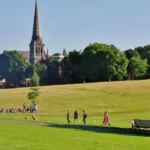
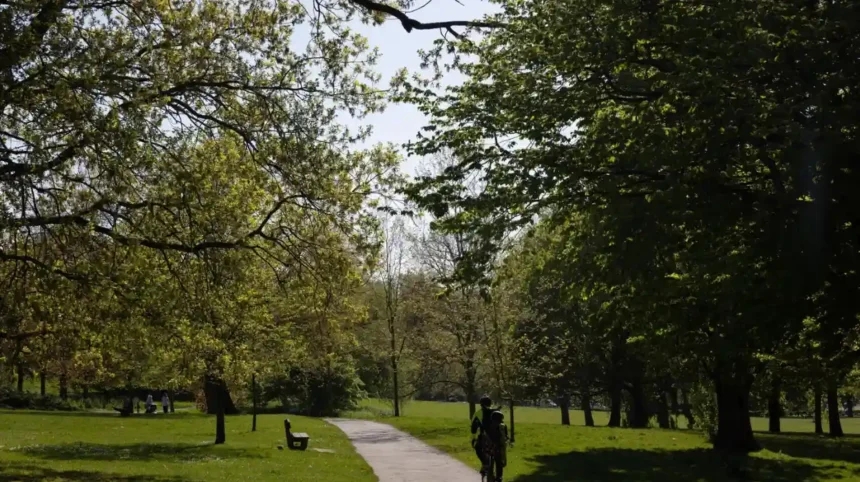
Norwood Park is one of the best places for open-air recreation in Lambeth, with elevated South London views, walking routes, a playground, outdoor gym, skate facilities, wildlife areas, a community garden and café.
Norwood Park occupies one of Lambeth’s highest points. This elevated position gives the park an important viewing function and makes it a practical destination for visitors who want open scenery without leaving the borough.
The park was historically part of Norwood Common. Norwood Common was associated with the Great North Wood, a large wooded landscape that once covered substantial parts of South London. During the nineteenth century, the common was gradually enclosed and developed. Part of the land was preserved as public open space and became Norwood Park.
Walking is one of the simplest ways to experience the park. The tree-lined Country Walk provides a defined route through the landscape. A fenced wildlife pond and native hedges add ecological interest.
The park also supports active recreation. Its facilities include a children’s playground, outdoor gym, multi-use games area and skateboard park. A community garden and café provide additional uses for visitors who want to spend longer in the area.
Norwood Park is particularly useful for travellers looking for a free outdoor activity. There is no need to plan a formal attraction visit. The park can form part of a wider walking route through West Norwood and Upper Norwood.
Its viewpoint also makes it useful for photography. The elevated landscape provides a different perspective on South London than the riverside viewpoints found closer to central London.
Why should you visit West Norwood Cemetery?
West Norwood Cemetery is a major Victorian heritage site and one of London’s Magnificent Seven cemeteries, containing more than 65 listed monuments, historic buildings, catacombs, memorials and landscaped grounds dating from its opening in 1837.
West Norwood Cemetery is one of the most historically significant places around Norwood. The cemetery opened in 1837 as the South Metropolitan Cemetery. Lambeth Council later took over management in 1965.
The cemetery belongs to the group known as London’s Magnificent Seven. These seven Victorian cemeteries were established during the nineteenth century as London’s population expanded and existing burial grounds faced increasing pressure.
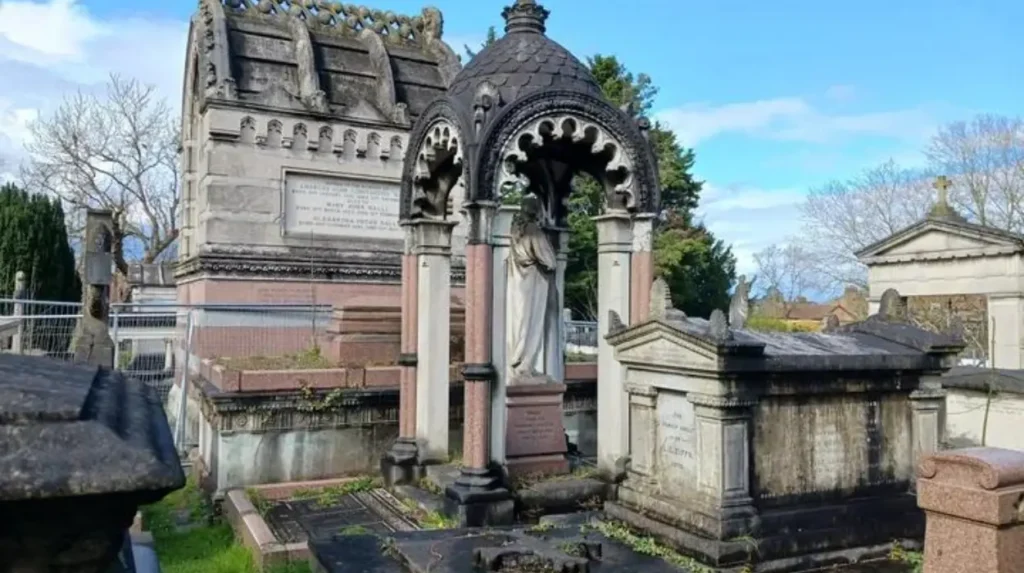
West Norwood Cemetery contains more than 65 listed monuments. It also includes catacombs, two chapels, a Hall of Memory, an oak columbarium and a Recordia. These features create a substantial architectural and historical landscape rather than a conventional cemetery setting.
The site also has significance in the history of cremation. A crematorium was added in 1915. A later crematorium complex opened in 1956 and incorporated two chapels, the Hall of Memory and an oak columbarium.
Visitors should treat the cemetery as a heritage and memorial site. Quiet behaviour is appropriate because the location remains an active place of remembrance and funeral services.
For photographers and architecture enthusiasts, the listed monuments and historic structures provide distinctive subjects. Access conditions can change because restoration work is taking place on the site, so visitors should check current Lambeth Council information before travelling.
As you explore the modern Norwood landscape, you are crossing land with a deep heritage. Read about the full [Insert Anchor Text for History Article Here] to understand its origins.
What can you do at Brockwell Park near Norwood?
Brockwell Park provides one of the strongest combinations of nature, heritage and recreation near Norwood, with 128 acres of landscaped parkland, Brockwell Hall, a historic lido, gardens, ponds, sports facilities, paths and open meadows.
Brockwell Park lies on Norwood Road near Herne Hill and provides a large green-space destination within Lambeth. The park covers 128 acres and occupies a prominent ridge, creating open views across the surrounding urban landscape.
The park has a layered history. Brockwell Hall was built between 1811 and 1815 for John Blades, a London glass manufacturer. The land subsequently became a public park after the local authorities acquired it in the late nineteenth century. Lambeth Council records that the park formally opened to the public in 1892.
Brockwell Hall remains one of the park’s main architectural landmarks. Other historic features include the Walled Garden, ponds and the nineteenth-century Tritton Clocktower.
The park is also designed for active recreation. Facilities include tennis and basketball courts, grass football pitches, a children’s playground, a wet-play area, a BMX track and a miniature railway.
The park has environmental importance as well. Lambeth Council designates it as a Site of Importance for Nature Conservation, recognising its value for wildlife and public access to nature. It also holds Green Flag and Green Flag Heritage status.
Visitors interested in local history can follow the “Traces of the Landscape” self-guided walking trail. Lambeth Council introduced this free trail to explain the park’s historical development, including its landscaped origins, wartime features and evolution into a public park.
Brockwell Park therefore works for several types of visitor. A leisure traveller can walk through the gardens. Families can use the playground and open spaces. Active visitors can use sports facilities. Heritage enthusiasts can examine Brockwell Hall and the historic landscape.
Is Brockwell Lido one of the best outdoor activities around Norwood?
Brockwell Lido is one of South London’s best-known outdoor swimming landmarks, operating within Brockwell Park since 1937 and combining a historic Art Deco pool environment with swimming, fitness, wellbeing and community facilities.
Brockwell Lido is located inside Brockwell Park and has operated since 1937. The lido is recognised as a significant local landmark and remains an important part of the area’s recreational identity.
The site combines outdoor swimming with modern fitness facilities. Current facilities include a gym, exercise studios, group cycling facilities, steam facilities and health and wellbeing services.
The lido also has an important architectural history. The Grade II listed Art Deco building underwent major renovation in 2007. Its design forms part of the historic character of Brockwell Park.
Outdoor swimming provides a different experience from conventional indoor leisure centres. The pool sits within a major public park, so visitors can combine exercise with walking, gardens and other outdoor activities.
Opening arrangements and swimming access are seasonal and operational. Current information should therefore be checked before travelling, particularly when planning a dedicated swimming visit.
The lido is also relevant to visitors interested in South London’s community infrastructure. Lambeth Council describes it as a community hub with a history dating back to 1937.
For a day itinerary, Brockwell Lido can be combined with a walk through Brockwell Park, a visit to Brockwell Hall and time in the Walled Garden. This creates a complete outdoor-focused visit without requiring multiple long journeys.
What cultural attractions can you visit around Norwood?
Cultural attractions around Norwood include Upper Norwood Library, Dulwich Picture Gallery and the historic Crystal Palace landscape, giving visitors access to literature, historic art, architecture, exhibitions and heritage within short travelling distance of the Norwood area.
Upper Norwood Library provides a useful cultural stop in the Crystal Palace Triangle. Located at 39 Westow Hill, the library is jointly funded by Lambeth and Croydon councils and managed by Upper Norwood Library Hub.
The library provides books, audiobooks, language courses, online resources, computers, Wi-Fi and study space. It also hosts community activities and reading groups.
This makes it particularly relevant to visitors who combine leisure with work. A digital nomad or business traveller can use the library’s study facilities and Wi-Fi while exploring the surrounding area.
Dulwich Picture Gallery provides a larger cultural excursion south-east of Norwood. Established in 1811, it is recognised as the world’s first purpose-built public art gallery. The building was designed by architect Sir John Soane.
The gallery houses more than 600 historic works, including paintings by Rembrandt, Gainsborough, Rubens, Canaletto and Poussin.
Its location in Dulwich also complements outdoor activities. Visitors can combine the gallery with a walk through the surrounding historic district and open spaces.
The Crystal Palace area adds another major heritage destination. Crystal Palace Park was developed between 1852 and 1855 as the setting for the relocated Crystal Palace associated with the Great Exhibition. The park includes the famous Victorian dinosaur sculptures created by Benjamin Waterhouse Hawkins.
The park is immediately north-east of Upper Norwood and borders several London boroughs, including Lambeth.
What can families do around Norwood?
Families can combine Norwood’s parks, playgrounds, sports facilities, outdoor swimming and nearby cultural attractions into flexible day trips. Norwood Park and Brockwell Park provide the strongest family-focused outdoor options, while libraries and museums add educational activities.
Norwood Park provides a straightforward family destination because it combines open space with dedicated facilities. Its playground supports younger visitors, while the outdoor gym, multi-use games area and skateboard park provide options for older children and adults.
Brockwell Park offers a broader selection. Its children’s playground, wet-play area, miniature railway, BMX track and open meadows create multiple opportunities for active recreation.
The wet-play facility operates during the warmer part of the year and is normally available from the final Saturday in May until the final weekend in September, subject to maintenance and operational conditions.
Upper Norwood Library adds an indoor option. Its regular children’s programming includes storytelling and Wriggle and Rhyme sessions for younger children.
Crystal Palace Park also provides a strong family excursion. Its Victorian dinosaur sculptures are among the most recognisable heritage features in the wider Norwood area. The park’s sporting infrastructure adds further options for active visitors.
Families should therefore choose activities according to weather, age and available time. A short visit can focus on Norwood Park. A longer day can combine Brockwell Park with the lido or extend towards Crystal Palace.
Where can you find nature and wildlife around Norwood?
Norwood offers accessible urban nature through parks, ponds, mature trees, native hedges, landscaped gardens and wildlife habitats. Norwood Park and Brockwell Park provide the strongest local options, while South Norwood Country Park expands nature access beyond Lambeth.
Norwood’s natural environment reflects its historical association with the Great North Wood. Although modern Norwood is highly urbanised, surviving parks preserve mature vegetation, open grassland and wildlife habitats.
Norwood Park includes a wildlife pond, native hedges and a tree-lined Country Walk. These features support biodiversity while providing visitors with direct access to nature.
Brockwell Park contains ponds, mature trees, ancient oaks, meadows and a historic Walled Garden. Lambeth Council identifies the park as a Site of Importance for Nature Conservation because of its value for wildlife and public access to nature.
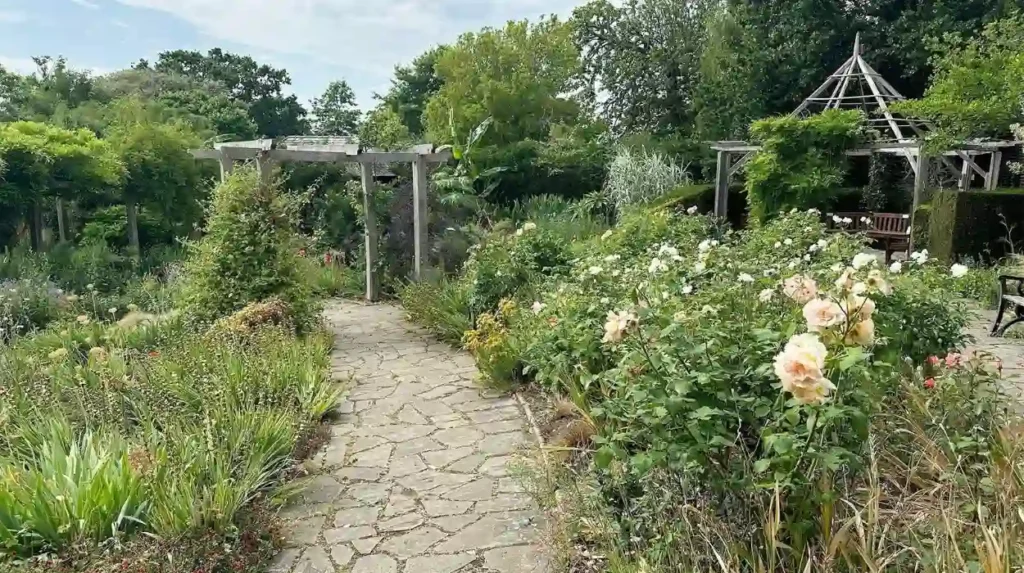
The Walled Garden is particularly useful for visitors interested in horticulture. Its origins are linked to the historic estate, while its present condition is supported by community involvement and volunteers.
South Norwood Country Park sits outside Lambeth in the neighbouring London Borough of Croydon but provides an important extension to the wider Norwood leisure area. The site became a country park in 1989 following the creation of a pond and wet meadow. It is a local nature reserve and records more than 100 bird species each year.
This creates a useful distinction for visitors. Norwood Park is best for elevated views and accessible urban recreation. Brockwell Park combines nature with heritage and sports. South Norwood Country Park provides a stronger wildlife-focused experience.
How can you plan a full day around Norwood?
A full Norwood day works best when activities are grouped geographically, starting with a park or viewpoint, continuing through heritage or cultural attractions, and finishing with food, leisure or an evening activity around West Norwood or Upper Norwood.
A practical morning can begin at Norwood Park. The elevated setting provides an immediate introduction to the area, while the Country Walk and wildlife features allow visitors to explore without committing to a long itinerary.
The next stage can focus on West Norwood Cemetery. Its Victorian monuments, listed structures and historic landscape provide a substantial heritage experience. Visitors should check current access information because restoration works affect parts of the cemetery.
An alternative route can head towards Brockwell Park. This option works particularly well for visitors prioritising open space, walking, gardens and recreation.
Brockwell Park can occupy several hours because of its size and range of facilities. Visitors can explore Brockwell Hall, the Walled Garden, ponds and landscaped paths before using sports or leisure facilities.
For culture, the itinerary can extend towards Dulwich Picture Gallery. The gallery’s collection contains more than 600 historic works, providing a substantial indoor cultural experience after outdoor activities.
Another route heads towards Upper Norwood and Crystal Palace. Upper Norwood Library provides study and community facilities, while Crystal Palace Park provides extensive heritage and open-space attractions.
Transport planning is important because Norwood covers several distinct neighbourhoods and crosses borough boundaries. Visitors should check current public transport services and walking routes before setting out, particularly when combining multiple attractions.
Is Norwood suitable for digital nomads and business travellers?
Norwood is suitable for visitors combining leisure with work because it provides library study space, free Wi-Fi at Upper Norwood Library, cafés, parks, leisure facilities and transport connections to wider South London destinations.
Upper Norwood Library is the clearest work-friendly facility in the area. It provides free unlimited Wi-Fi for library members, computers, printing and dedicated study space.
These facilities make the library useful for short periods of focused work. It also provides access to online reference resources and digital materials.
Parks provide a different form of downtime. Norwood Park offers open space and walking routes, while Brockwell Park provides extensive green space and recreation. For business travellers, these environments provide practical opportunities to leave the commercial centre and spend time outdoors.
Brockwell Park also contains sports facilities and Brockwell Lido, making it suitable for visitors who want exercise between meetings.
The wider Crystal Palace and Dulwich areas add cafés, cultural venues and local services. This gives short-stay visitors several options for combining work, recreation and sightseeing.
Norwood’s value for business travellers therefore comes from its mixture of practical facilities and accessible leisure rather than from a concentration of conventional tourist attractions.
Explore More Area Guide
Best Things to Do Around Streatham, Lambeth 2026
Best Things to Do Around Kennington, Lambeth
What is the best way to experience Norwood’s history and outdoor spaces together?
The strongest way to experience Norwood is to combine its historic landscapes with modern parks and leisure facilities, moving from Norwood Park and West Norwood Cemetery to Brockwell Park, Crystal Palace or Dulwich for a broader South London itinerary.
Norwood’s appeal is closely connected to the survival and reuse of historic landscapes. The Great North Wood shaped the area’s early geography. Norwood Common later experienced enclosure and development, while preserved sections became public parks such as Norwood Park.
West Norwood Cemetery represents the Victorian expansion of London and the development of purpose-built burial grounds. Its 1837 opening places it firmly within the nineteenth-century transformation of London’s urban infrastructure.
Brockwell Park represents another stage in this process. Private estate land was acquired for public use, creating a major open space that now serves recreation, conservation and community purposes.
Crystal Palace Park demonstrates how leisure landscapes developed on an even larger scale during the Victorian period. The park was created to surround the relocated Crystal Palace after the Great Exhibition, with landscaped gardens, fountains and monumental features.
Modern Norwood therefore offers visitors access to several layers of South London history without requiring a visit to central London.
The most effective approach is to avoid treating Norwood as a single attraction. It is a network of neighbourhoods, parks, heritage sites and cultural destinations. Combining two or three locations creates a more complete understanding of the area.
Why is Norwood a strong South London destination for leisure travellers?
Norwood stands out for leisure travel because it combines accessible nature, historic architecture, public parks, outdoor swimming, cultural institutions and nearby regional attractions, creating varied itineraries for walkers, families, heritage visitors, photographers and short-stay travellers.
Norwood provides a different form of London sightseeing. Its attractions are distributed through everyday neighbourhoods rather than concentrated around one landmark.
Norwood Park delivers elevated views and nature. West Norwood Cemetery provides Victorian heritage. Brockwell Park adds gardens, open meadows, historic architecture and recreation. Brockwell Lido adds outdoor swimming and fitness. Upper Norwood connects visitors with Crystal Palace, while Dulwich provides an internationally significant art collection nearby.
The area also has strong relevance for repeat visitors. Someone who has already visited central London’s major landmarks can explore Norwood through walking routes, historic landscapes, parks and cultural venues.
The combination of free and paid activities also supports different budgets. Public parks provide free outdoor experiences, while attractions such as galleries, swimming facilities and organised activities provide more structured experiences.
Norwood’s geographical position also supports wider South London exploration. Crystal Palace, Dulwich, Herne Hill and Streatham all sit within practical reach, creating opportunities to build longer itineraries around the central Norwood area.
For tourists, the main attraction is variety. For residents, it is accessibility. For digital nomads and business travellers, it is the combination of work facilities and outdoor downtime.
Norwood is therefore best understood as a South London leisure hub rather than a single sightseeing destination. Its parks, heritage sites and cultural connections provide enough variety for a short visit while also supporting longer explorations of Lambeth and neighbouring boroughs.
What are the best things to do around Norwood in Lambeth?
The best things to do around Norwood include visiting Norwood Park, exploring West Norwood Cemetery, walking through Brockwell Park, swimming at Brockwell Lido, visiting Upper Norwood Library, and exploring nearby Crystal Palace and Dulwich.