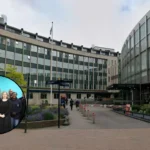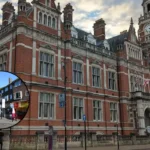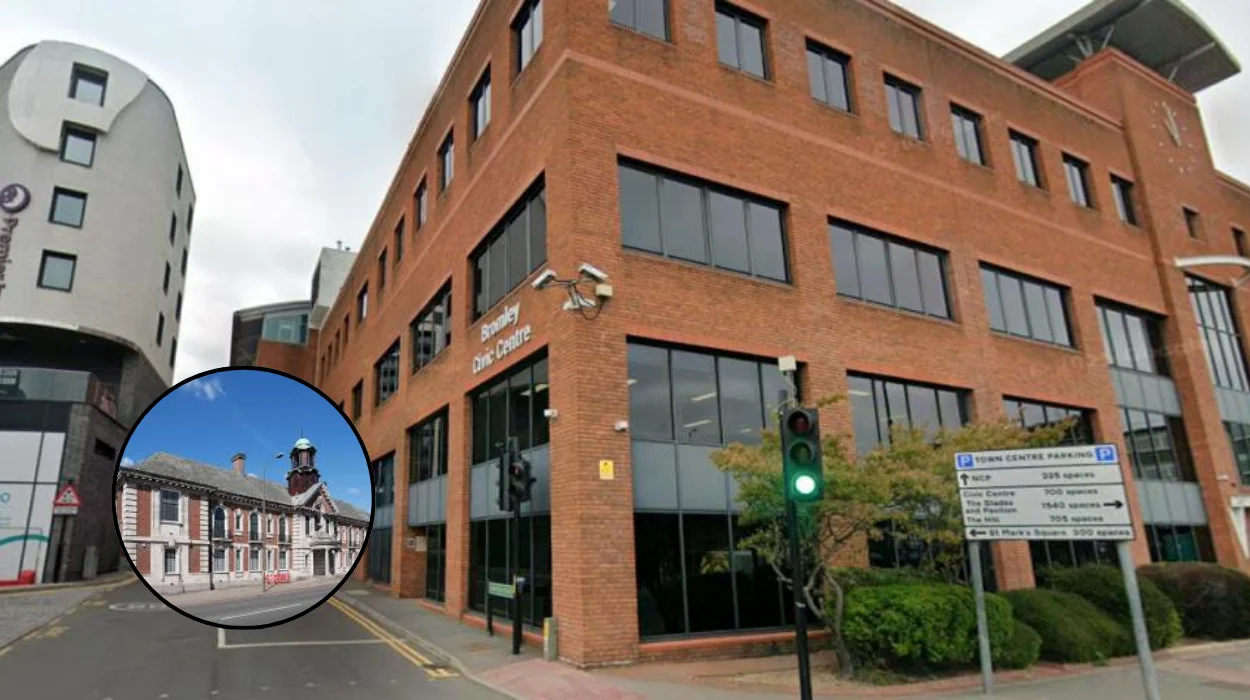
Bromley Council’s origins trace back to 1867, when the parish became a local government district under an elected board, evolving into an urban district council by 1894 and a municipal borough in 1903. The modern London Borough of Bromley formed in 1965 under the London Government Act, merging Bromley, Beckenham, Orpington, Penge, and parts of Chislehurst and Sidcup, replacing older authorities while inheriting responsibilities like education and social care. From 1965 to 1986, the Greater London Council handled broader services such as fire and flood prevention, leaving Bromley to focus on local needs like libraries and waste collection, and after the GLC’s abolition in 1986, Bromley gained more powers while collaborating with the Greater London Authority on highways and planning since 2000. Today, headquartered at the Civic Centre in Churchill Court since December 2024, the council embodies Bromley’s shift from rural parish to suburban powerhouse in South London.
Governance Structure
Bromley Council operates as a leader-and-cabinet executive, with the mayor serving a ceremonial role and the leader—currently Conservative Colin Smith since 2017—driving policy, while Conservatives have held majority control since 2001 following a brief no-overall-control period from 1998. As of 2025, the 58 councillors across 22 wards include 34 Conservatives, 12 Labour, 5 Liberal Democrats, 3 Chislehurst Matters, 3 Reform UK, and 3 Independents, elected every four years with the next in 2026. Wards like Bromley Town (3 seats), Petts Wood & Knoll (3), and Biggin Hill (2) reflect diverse communities from urban centers to rural edges, and the council sets council tax, collects business rates for the GLA, and approves most planning applications under local policies aligned with national and London-wide strategies. This structure ensures responsive decision-making tailored to South London’s outer borough needs.
Key Services Overview
Bromley Council delivers core “personal” services as a London borough authority, including social care, housing, education, libraries, waste management, roads, and environmental health, with residents accessing council tax support, recycling collections, parking permits, and business licensing via the official website, alongside dedicated portals for births, marriages, and planning applications. Public health initiatives cover wellbeing, while adult social care and SEND support cater to vulnerable groups, and leisure and culture thrive through libraries—like the refurbished Mottingham branch—and events such as holiday activities with free meals for eligible families aged 5-16. Transport services manage most local roads and traffic, complementing TfL oversight, making Bromley a comprehensive service hub for South London residents.
Demographics Snapshot
Bromley’s 2021 population hit 330,000, up 6.7% from 309,400 in 2011, with a median age of 41—the joint highest in London—driven by an 14.8% rise in 50-64-year-olds, where women outnumber men (52% to 48%), 23.7% are aged 19 or under, and 17.7% are 65+. As South London’s least dense borough at 15.7 people per football pitch, it boasts vast green spaces totaling 2,585 hectares across 100 parks, seven of which hold Green Flag awards. Family households grew, with couples with dependent children rising to 22.4% of households—above England’s 18.9%—creating a suburban profile that suits families seeking space amid London’s bustle and influences council priorities like housing and education.
Recent Achievements
Bromley Council earned a ‘Good’ Ofsted rating for adult education, praising its impactful programs, alongside infrastructure wins like 15 new EV charging bays in Bromley town centre and the Silver iESE award for the Homelessness Health Project. The Civic Centre relocation to Churchill Court cut costs while improving resident access, and a £71m St Paul’s Cray proposal advances 123 affordable homes and a gymnastics centre. West Wickham Leisure Centre gained planning approval, blending community facilities with housing, underscoring the council’s fiscal prudence and community focus in South London.
Green Spaces Focus
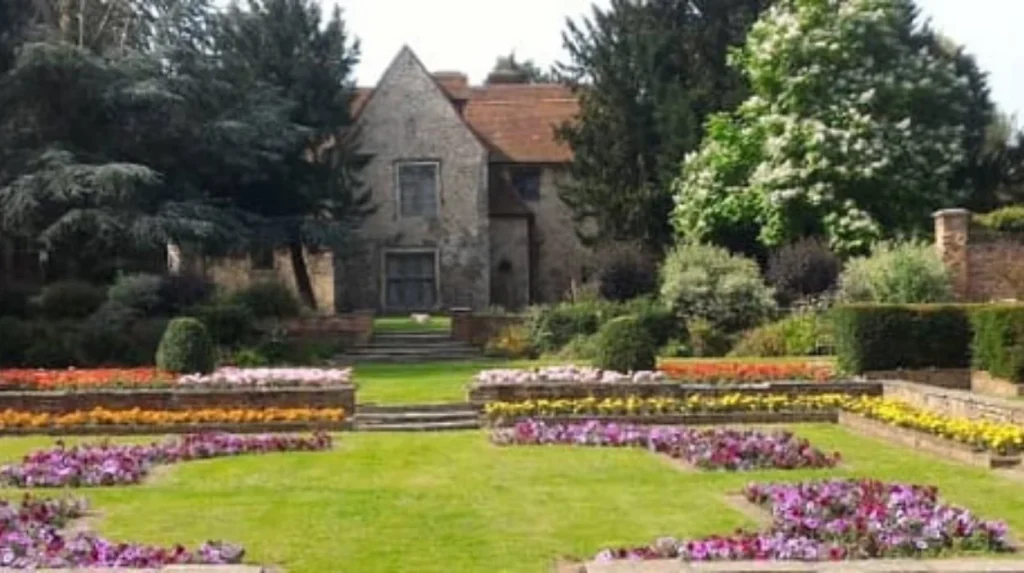
Dubbed South London’s greenest borough, Bromley Council stewards parks ideal for family outings and nature lovers, with Green Flag sites like Kelsey Park and Norman Park offering playgrounds, lakes, and events accessible from town centers like The Glades shopping area. Residents enjoy Priory Gardens for picnics and Bedlam Brook for walks, supported by policies protecting 2,585 hectares amid urban pressures to enhance biodiversity and recreation. This commitment boosts wellbeing and draws interest from those searching for Bromley parks management.
Planning and Housing
Bromley supplements London’s 641 annual housing minimum with brownfield sites, targeting 1,030 extra dwellings via Opportunity Areas and town centers, with recent approvals like St Paul’s Cray prioritizing affordability alongside leisure. Policies balance growth with green preservation, deciding most applications locally, while council housing allocations address needs in wards like Penge & Cator and renewal combats aging stock. For South Londoners eyeing moves, these initiatives promise sustainable development.
Community Engagement
Bromley Council fosters involvement through fostering sessions, pantomimes like Jack and the Beanstalk, and HAF holiday clubs, with online portals for councillors and elections empowering voters ahead of 2026 polls. Christmas services and library reopenings highlight resident-first approaches, building ties in diverse wards from Crystal Palace to Hayes & Coney Hall. This engagement sustains Bromley’s strong community spirit.
Bromley Council eyes 2025/26 budgets for efficiency, with ongoing EV expansion and health projects, as the 2026 elections will shape responses to population growth and housing demands. As South London’s green guardian, it balances suburbia with sustainability, ensuring enduring appeal for residents and newcomers.