Lambeth stands as a vibrant cornerstone of South London, seamlessly blending rich historical tapestry with dynamic modern culture along the River Thames. This borough captivates with its iconic landmarks, diverse communities, and lush green spaces, offering timeless allure for locals and explorers alike.
Historic Roots
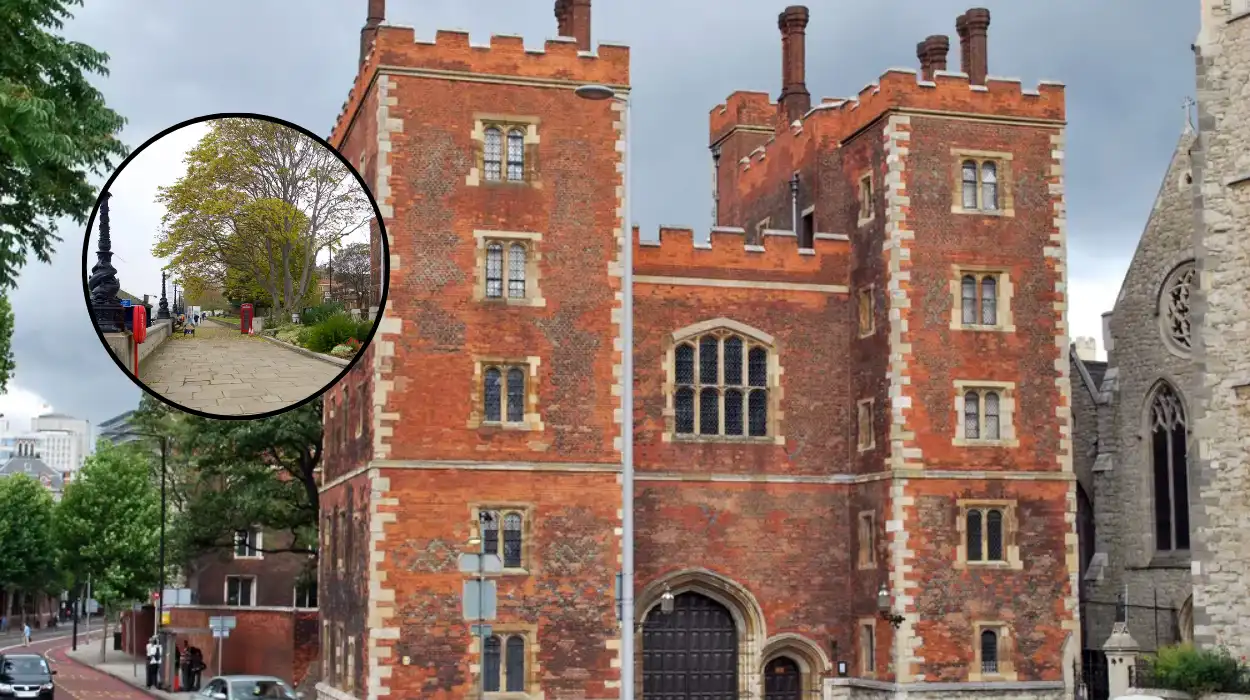
Lambeth’s origins trace back to the 11th century, with its name “Lambehitha” first noted in 1062, signifying a “landing place for lambs” on the Thames riverside. The area evolved within ancient Surrey, marked by the construction of Lambeth Palace in 1197 as the Archbishop of Canterbury’s enduring residence, which weathered upheavals like the 1381 Peasants’ Revolt. Industrial expansion in the 19th century reshaped the landscape, as Waterloo Bridge opened in 1817 and potteries like Doulton & Co. attracted laborers, fueling movements such as the Chartist rally on Kennington Common in 1848. The contemporary London Borough of Lambeth formed in 1965 through the merger of the former Metropolitan Borough of Lambeth with parts of Wandsworth including Clapham and Streatham. Historic gems like St Mary’s Church, now the Garden Museum, and the post-Napoleonic “Waterloo Churches” underscore this legacy.
Iconic Landmarks
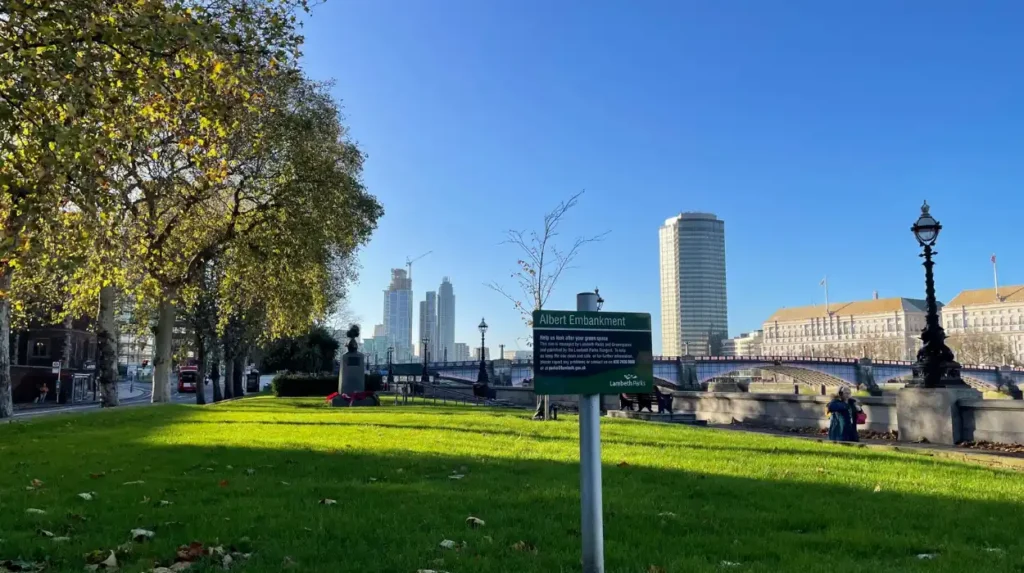
Lambeth dazzles with Thames-side treasures that draw global visitors. The London Eye, soaring 135 meters, delivers breathtaking 360-degree panoramas of the city skyline. Adjacent cultural powerhouses like the Southbank Centre and National Theatre buzz with performances year-round, while the repurposed County Hall shelters thrilling spots such as the London Dungeon and SEA LIFE Aquarium. Lambeth Palace continues as the Archbishop’s home, its gardens welcoming the public seasonally. Southward, the Oval in Kennington has hosted Surrey County Cricket Club since 1845, a cricketing shrine. Brixton’s restored Windmill and vivid murals celebrate local heritage, complemented by bridges like Lambeth, Vauxhall, and Westminster that link to central London with picturesque strolls. The MI6 headquarters near Vauxhall injects contemporary spy intrigue into the mix.
Cultural Scene
Lambeth throbs with artistic energy and entertainment hubs. The South Bank emerges as a cultural nexus, embracing theatres like the Old Vic, Young Vic, and British Film Institute, plus Ballet Rambert and Brixton’s Black Cultural Archives. Contemporary galleries such as Gasworks and Newport Street spotlight cutting-edge art. Brixton pulses as a music and street food haven, its market brimming with international flavors. Vauxhall’s vibrant gay village around Clapham Common fuels nightlife, while community venues like South London Theatre in West Norwood and Ovalhouse nurture local talent. Festivals enliven the calendar, from the Lambeth Country Show in Brockwell Park to Windrush Day honoring Caribbean roots.
Green Spaces
Amid urban hustle, Lambeth unfurls expansive parks for respite and recreation. Brockwell Park enchants with its historic Lido, serene ponds, miniature railway, and sweeping views from Brockwell Hall. Clapham Common, spanning 89 hectares shared with Wandsworth, invites sports, picnics, and leisurely wanders. Streatham Common evokes countryside charm with trails and vistas reaching St Paul’s Cathedral. Archbishop’s Park beside Lambeth Palace now features an amphibian haven for frogs and toads, alongside Kennington Park, Ruskin Park, and the poetic West Norwood Cemetery as a Victorian garden necropolis. Intimate havens like Agnes Riley Gardens, Vauxhall Pleasure Gardens, and Brixton Orchard foster biodiversity and community cultivation. Norwood Park, perched high, offers gyms, skate parks, and pitches.
Demographics Overview
Lambeth’s population swelled to 317,650 by the 2021 census, a 4.8% rise from 303,086 in 2011, boasting a density of 84.5 people per football pitch equivalent. The median age climbed to 33, younger than London’s 35, infusing youthful vitality. Diversity shines through: 55% identify as White (37.6% British), 24% Black (9.1% Caribbean, 11.8% African), 8% Mixed, 7.3% Asian, and 5.6% Other. Schools reflect multilingualism, with over 40% speaking non-English main languages like Portuguese (6%), Spanish (7.1%), and Somali (3.8%). Religiously, 43.7% are Christian, 37.5% have no religion, and 8.1% Muslim, amid rising secularism. The borough topped UK EU Remain votes at 78.62% in 2016.
Economic Vitality
Lambeth sustains 344,200 jobs, surging 14.26% with strengths in professional services, retail, and burgeoning tech sectors like creative industries and life sciences. Small and medium enterprises lead, with 2,970 firms growing staff; post-2008 self-employment boomed, particularly among white males over 35. The 16-64 employment rate hit 74.7% by late 2023. The ambitious 10-year Lambeth Growth Plan eyes 20,000 jobs and 10,000 homes, spotlighting Vauxhall’s 72 Upper Ground for 4,000 clean tech positions. Retail cores in Streatham, Brixton, and Clapham propel commerce, bolstered by transport giants like Waterloo where 21.4% Tube, 10% bus, and 10% train commuters converge.
Governance Framework
Lambeth Council, Labour-led since 2006, administers from Brixton’s 1908 Town Hall and the modern 2018 Civic Centre. It oversees parks, housing, and initiatives tackling rough sleeping. Three MPs represent via Vauxhall and Camberwell Green, Clapham and Brixton Hill, and shared Dulwich and West Norwood. The Lambeth Assembly spans Lambeth and Southwark. Global ties link to Vincennes (France), Bluefields (Nicaragua), Brooklyn (USA), and Spanish Town (Jamaica).
Neighborhood Highlights
North Lambeth’s South Bank and Vauxhall magnetize with the London Eye, Thames vistas, and nightlife. Brixton beats as the cultural core, alive with markets, music, and murals plus eclectic eats. Clapham charms trendy professionals via its common and bustling high street. Streatham delivers suburban shopping and family-friendly commons. Stockwell and Kennington shine with the Oval, parks, and authentic dining. Herne Hill and Tulse Hill evoke village serenity amid indie shops and greenery. Geologically, London Clay from 56-47.8 million years ago underpins, topped by Thames gravels, elevations cresting 111m southeast.