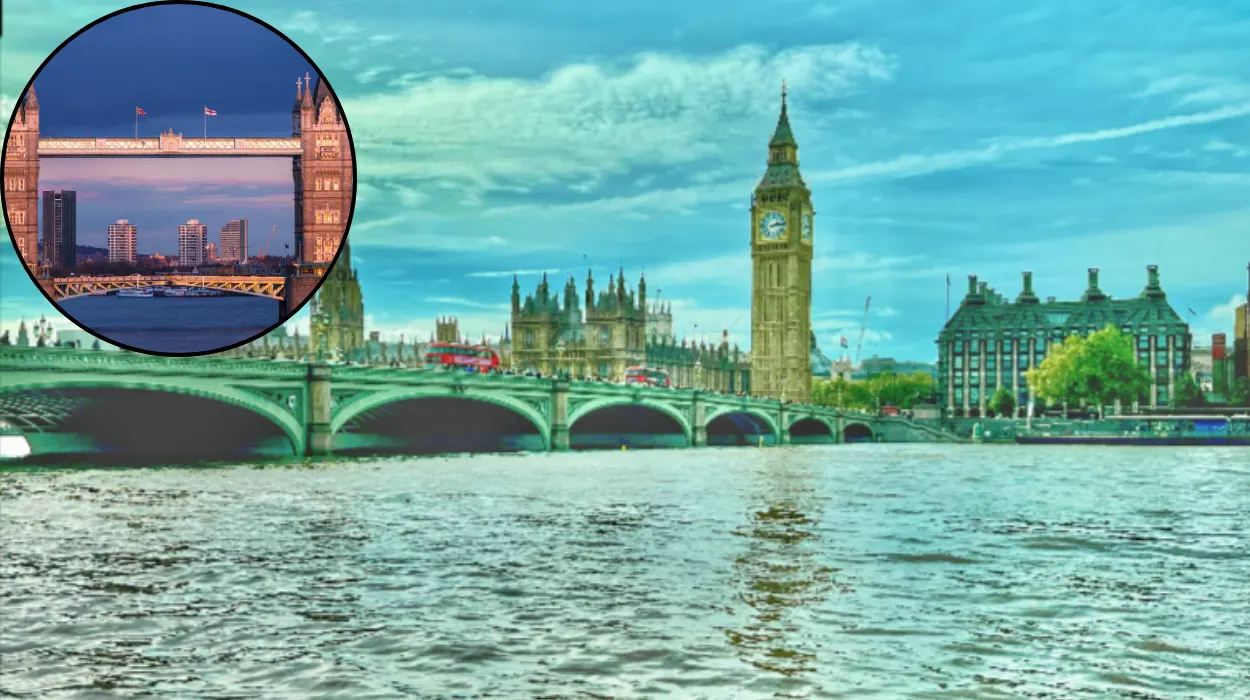
Nestled along the gentle bend of the River Thames in South London, Petersham stands as a serene village escape from the bustle of urban life. Located within the London Borough of Richmond upon Thames, this historic gem blends Saxon origins, aristocratic legacy, and lush natural beauty, drawing locals and visitors year-round. Its preserved meadows, grand houses, and quaint lanes offer an evergreen slice of England’s countryside right on London’s doorstep.
Ancient Origins and Rich History
Petersham’s story begins in Saxon times, with the manor granted to Chertsey Abbey in the 7th century and a church established before the Norman Conquest. The Domesday Book of 1086 records it as “Piterichesham” or “Patricesham,” likely meaning “homestead associated with *Patricius,” boasting 4 hides of land, a church, fisheries producing 1,000 eels and lampreys yearly, and a value of £6 10s.
The 17th and 18th centuries elevated Petersham as a retreat for the elite, spurred by nearby Ham House, constructed in 1610 and lavishly expanded by the Tollemache family, Earls of Dysart. Unlike Richmond, it escaped Victorian railway sprawl, maintaining rural meadows into the 20th century. The 1902 Richmond Petersham and Ham Open Spaces Act enshrined views from Richmond Hill, protecting Petersham Meadows forever. World War II saw it host the Anti-Aircraft Command School, with sites like All Saints’ Church repurposed for radar experiments.
This layered past—from medieval fisheries to wartime innovation—makes Petersham a living history book for South London explorers.
Iconic Landmarks and Architecture
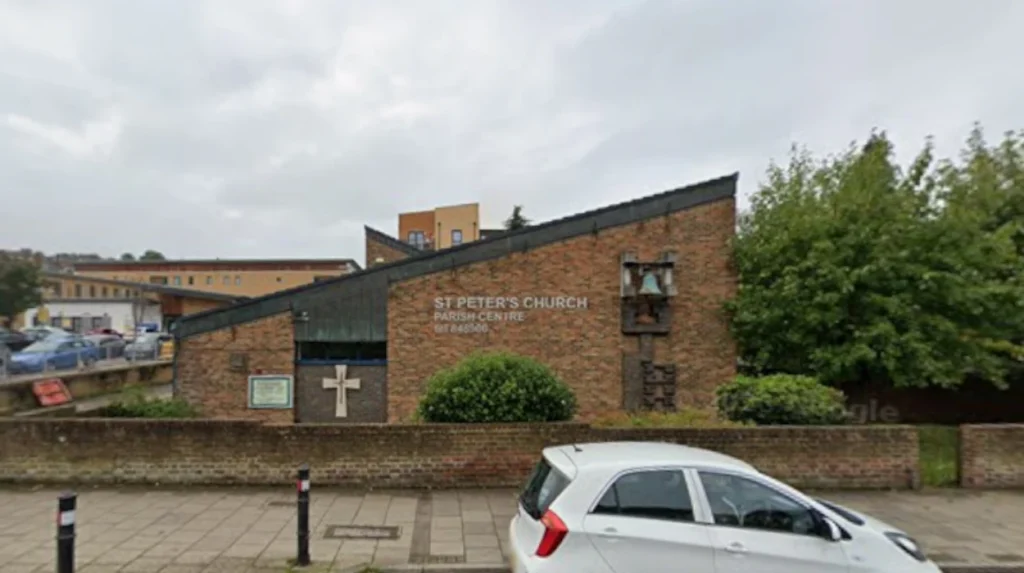
At Petersham’s heart lies St Peter’s Church, retaining 13th-century chancel fabric and predating Domesday; it holds explorer George Vancouver’s grave, who charted Pacific voyages from nearby Glen Cottage before his 1798 death. A brief walk across meadows leads to Ham House, National Trust-owned Grade I treasure from 1610, famed for its Lauderdales-era opulence: the ingenious cantilever Great Staircase, Queen’s Apartments, and verdant kitchen garden.
Petersham House captivates with its late-17th-century Grade II* status, Louis Laguerre murals depicting myths, and gardens feeding the celebrated Petersham Nurseries café. Standouts include the 1787 watchman’s hut and lock-up (Grade II), Rutland Lodge (1666, Grade II*), Montrose House gates on Petersham Road’s hairpin turn, and Douglas House, today’s German School London. All Saints’ Church (1899–1909), unconsecrated and WWII radar site, now thrives as a private home.
These structures whisper tales of royalty, explorers, and artisans, embodying South London’s architectural splendor.
Natural Beauty and Outdoor Pursuits
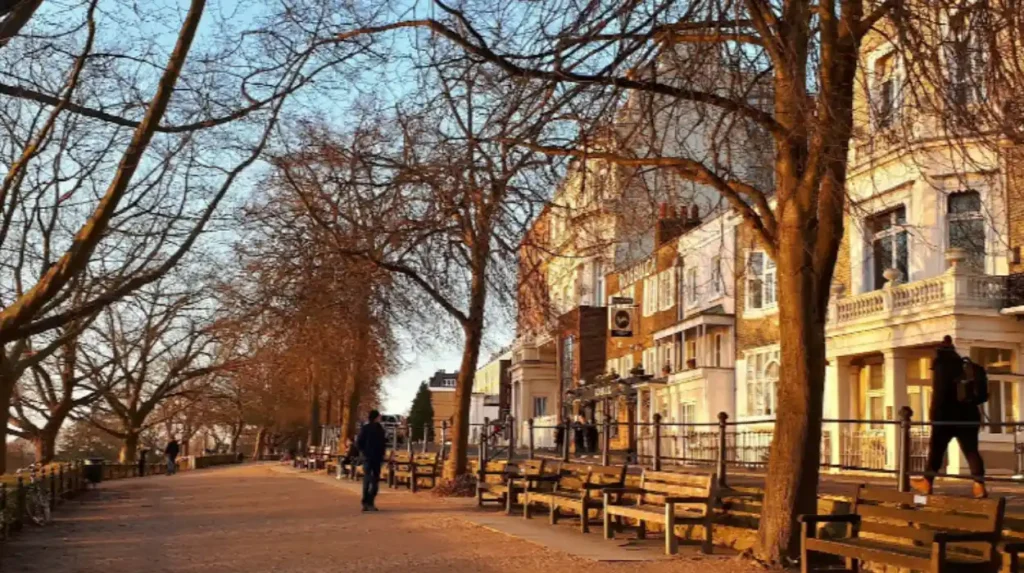
Petersham Meadows form the perfect foreground to Richmond Hill’s iconic vista, a safeguarded haven for picnics, riverside rambles, and spotting Richmond Park deer. The Thames Path beckons for ambles toward Kingston, prime for birdwatching or gentle boating amid herons and swans. Richmond Golf Club in Sudbrook Park offers exclusive fairways on historic turf, while Ham and Petersham Cricket Club (since 1815) and Ranelagh Harriers running club knit community bonds.
Yew hedges cloak Petersham House, formal parterres grace Ham, reviving 17th-century horticultural pomp amid South London’s green corridor. Seasons paint the scene: bluebells in spring, golden leaves in autumn, frost-kissed walks in winter—evergreen pursuits for all.
Vibrant Village Life and Modern Amenities
Lacking shops or post office, Petersham thrives on community spirit orbiting St Peter’s Church and village hall, home to Sudbrook Nursery. The Dysart pub-restaurant delights with seasonal dishes in its 17th-century coaching inn shell, complete with riverside terrace. Petersham Nurseries enchants as a plant haven doubling as Italian-inspired café-delicatessen, serving salads and pastries amid blooms grown onsite.
The Russell School (1851) anchors education on Petersham Road, joined by Deutsche Schule at Douglas House. Buses 65 and 371 link effortlessly to Richmond and Kingston stations, balancing seclusion with accessibility. Village fetes, cricket matches, and nursery events foster neighborly ties in this car-free-idyllic pocket.
Notable Residents Past and Present
Petersham’s allure has magnetized icons for ages. Charles Dickens penned Nicholas Nickleby at Elm Lodge in 1839; explorer Vancouver retired here. Queen Victoria bestowed Pembroke Lodge on Lord John Russell, where grandson Bertrand Russell romped amid political intrigue. Child author Daisy Ashford birthed The Young Visiters at Elm Lodge; Lynne Truss drew local inspiration.
Today, playwright Michael Frayn and biographer Claire Tomalin call it home; Tommy Steele once owned Montrose House; broadcaster Fearne Cotton resided at Chestnut Cottage. Rolling Stones financier Prince Rupert Loewenstein graced Petersham Lodge, while London Marathon co-founder Chris Brasher lived on River Lane. This constellation of talent underscores its creative, cultured vibe.
Practical Tips for Your Petersham Day
Dawn at Petersham Meadows for mist-shrouded Thames views, then tour Ham House (advance tickets advised). Savor lunch at The Dysart’s terrace or Nurseries’ greenhouse tables. Wander St Peter’s graveyard and River Lane’s storybook cottages; cap with Richmond Hill sunset. Free parking dots the green; opt for sturdy shoes on meadow trails. Meadows welcome dogs; scout National Trust calendars for Ham events, garden workshops at Nurseries.
Why Petersham Endures as South London’s Treasure
From Domesday fisheries to celebrity enclaves, Petersham weaves history, nature, and nuance into timeless appeal. Its Thameside meadows buffer against modernity, while landmarks like Ham House preserve Stuart splendor. For South Londoners seeking respite—be it a contemplative churchyard visit, nursery lunch, or parkland cycle—Petersham delivers unhurried joy.
This riverside idyll, mere 30 minutes from central London, proves South London’s south bank hides profound peace. Wander its lanes, breathe its air, and uncover why it remains an eternal favorite.