Lambeth offers visitors a diverse range of natural wildlife habitats across South London. Its green spaces include ancient woodland remnants, nature reserves, wildflower meadows, ponds, grasslands and riverside environments. These habitats support birds, insects, mammals, native plants and other wildlife within a densely populated urban borough.
- What Makes Lambeth an Important Destination for Urban Wildlife?
- Which Nature Reserves Should Visitors Explore in Lambeth?
- Eardley Road Sidings Local Nature Reserve
- Unigate Wood Local Nature Reserve
- Streatham Common and The Rookery
- Norwood Park Local Nature Reserve
- Palace Road Nature Garden
- Where Can Visitors Discover Woodland Wildlife in Lambeth?
- Which Lambeth Parks Support Birds, Butterflies and Pollinating Insects?
- What Wildlife Can Visitors Expect to See in Lambeth?
- When Is the Best Time to Explore Lambeth’s Wildlife Habitats?
- How Can Visitors Plan a Responsible Wildlife Visit in Lambeth?
- How Does Lambeth Protect Its Natural Habitats and Biodiversity?
- Local Nature Reserve Designations
- Sites of Importance for Nature Conservation
- The Environment Act 2021
- Lambeth’s Pollinator Action Plan
- London’s Local Nature Recovery Strategy
- What Is the Historical Connection Between Lambeth’s Wildlife Habitats and the Great North Wood?
- Why Are Lambeth’s Natural Wildlife Habitats Important for the Future?
Visitors can discover Lambeth’s biodiversity through nature walks, woodland trails, community gardens and designated conservation areas. Streatham Common, Norwood Park, Unigate Wood, Eardley Road Sidings and Brockwell Park provide opportunities to experience different natural environments without travelling outside London.
Lambeth’s natural environment also forms part of London’s wider ecological network. Parks, gardens, waterways and smaller green corridors provide feeding, nesting and sheltering areas for wildlife. Understanding these habitats helps visitors recognise the importance of urban biodiversity and responsible nature tourism.
What Makes Lambeth an Important Destination for Urban Wildlife?
Lambeth is an important urban wildlife destination because it contains woodland, grassland, wetlands, gardens and connected green spaces. These habitats support native plants, birds, mammals and pollinating insects while providing accessible opportunities for visitors to experience nature.
Lambeth occupies an important position within South London’s green infrastructure. Although residential neighbourhoods, transport routes and commercial districts dominate much of the borough, natural habitats remain distributed across its parks, gardens and conservation sites.
According to Lambeth Council, the borough has 49 Sites of Importance for Nature Conservation (SINCs). These sites receive recognition for their biodiversity value and contribution to public access to nature.
A Site of Importance for Nature Conservation is a locally designated area that supports important wildlife habitats, species or ecological features. London’s local authorities use this designation to identify and recognise places that deserve consideration in planning and environmental management.
Lambeth’s natural environment includes several interconnected habitat types:
- Woodland: Mature trees, woodland floors and shaded vegetation provide habitats for birds, insects and small mammals. Unigate Wood and Streatham Common are examples.
- Grassland: Meadows and areas of longer grass support wildflowers, butterflies and other invertebrates. Streatham Common contains valuable meadow habitats.
- Wetland: Ponds and damp environments provide feeding and breeding opportunities for aquatic organisms, insects and birds. Norwood Park has a wildlife pond.
- Urban green spaces: Community gardens, planted areas and traditional parks support pollinators and urban bird populations. Brockwell Park and Brixton Orchard illustrate this contribution.
- Hedgerows and scrub: Dense vegetation provides shelter, nesting opportunities and movement routes for smaller wildlife.
These habitats contribute to biodiversity, which means the variety of living organisms within an environment. Biodiversity includes different species, genetic variation and the ecosystems in which organisms live.
Lambeth Council’s Biodiversity Action Plan and Pollinator Action Plan provide an important framework for protecting and improving these natural environments. The council also publishes information about wildlife conservation projects and opportunities for public involvement.
Which Nature Reserves Should Visitors Explore in Lambeth?
Lambeth’s nature reserves offer visitors opportunities to explore woodland, meadow and grassland habitats. Eardley Road Sidings, Unigate Wood, Norwood Park, Streatham Common and Palace Road Nature Garden provide accessible locations for observing wildlife and understanding local conservation.
Local Nature Reserves (LNRs) are designated areas established to protect wildlife and natural features while providing opportunities for education and public enjoyment.
Lambeth has six Local Nature Reserves. These include sites with different ecological characteristics and conservation requirements.
Eardley Road Sidings Local Nature Reserve
Eardley Road Sidings is situated between Streatham Common and Streatham Vale in south-west Lambeth. It occupies land previously associated with railway sidings, depot yards and repair buildings belonging to the London, Brighton and South Coast Railway.
The railway facilities gradually declined and were abandoned during the 1960s. The former industrial landscape subsequently developed into a valuable natural environment.
The reserve contains woodland and grassland habitats supporting wild plants, trees, insects and mammals. Lambeth Council records more than 33 bird species at the site.
Its Local Nature Reserve designation was formally established on 10 March 2022. The site also holds a Borough Site of Importance for Nature Conservation designation.
Visitors can explore its natural vegetation and observe birds within a relatively quiet urban environment. The mixture of woodland and open grassland makes it particularly useful for understanding how wildlife habitats develop on former industrial land.
Unigate Wood Local Nature Reserve
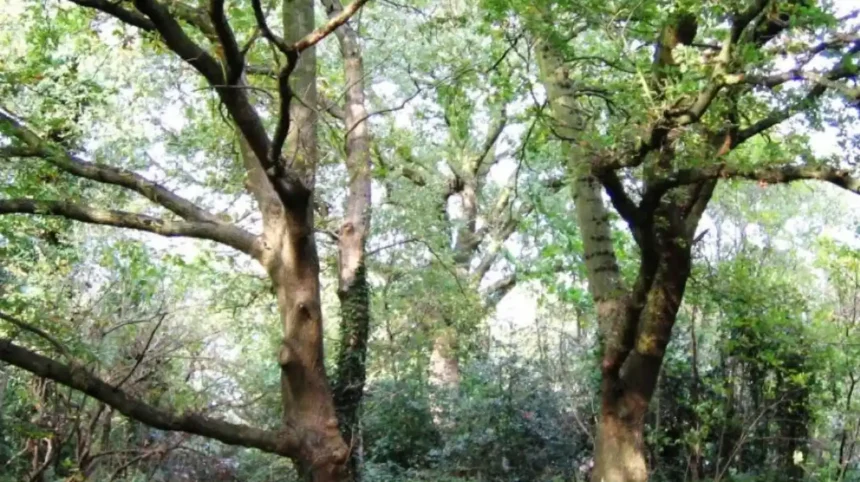
Unigate Wood is an important woodland habitat in Lambeth. It contains secondary deciduous woodland, which means woodland that has developed or regenerated after an earlier period of disturbance or land use.
The reserve contains native British trees such as ash, oak and hawthorn. Other recorded trees include grey and black poplar, horse chestnut, pear and cherry laurel.
Its wildlife includes woodpeckers, blackbirds, song thrushes, mistle thrushes, greenfinches, robins and wrens.
The woodland and grassland also support grey squirrels, shrews, bank voles and foxes. Bats and stag beetles are particularly important conservation interests because both receive legal protection.
Unigate Wood was formally designated as a Local Nature Reserve on 10 March 2022.
The site also provides educational and volunteering opportunities. Lambeth Council has identified improvement work for 2026 and 2027, including better access, safety and opportunities for community participation.
Visitors should remain on established paths and avoid disturbing woodland vegetation, nesting birds and fallen timber.
Streatham Common and The Rookery
Streatham Common is one of Lambeth’s most significant natural open spaces. It combines woodland, meadow grassland and recreational areas, creating habitats for different forms of wildlife.
The common forms part of the historic Great North Wood landscape. This was an extensive wooded area that once covered parts of South London, extending from areas around Deptford towards Selhurst.
Today, Streatham Common retains woodland and meadow habitats that contribute to the area’s ecological value. The Woodland Trust records the common as approximately 25.25 hectares in size.
The nearby Rookery is a historic garden containing ornamental ponds, wildflower beds, native hedges and an orchard. Its combination of formal planting and natural vegetation provides habitats for birds and insects.
Part of The Rookery was designated as a Local Nature Reserve in 2013, alongside Streatham Common. The wider common also has Local Nature Reserve status.
Visitors can explore woodland paths, observe seasonal wildflowers and look for birds around the garden’s ponds and hedgerows.
The common is particularly useful for visitors interested in combining wildlife observation with a longer outdoor walk.
Norwood Park Local Nature Reserve
Norwood Park occupies elevated ground in West Norwood and provides a mixture of recreational and wildlife habitats.
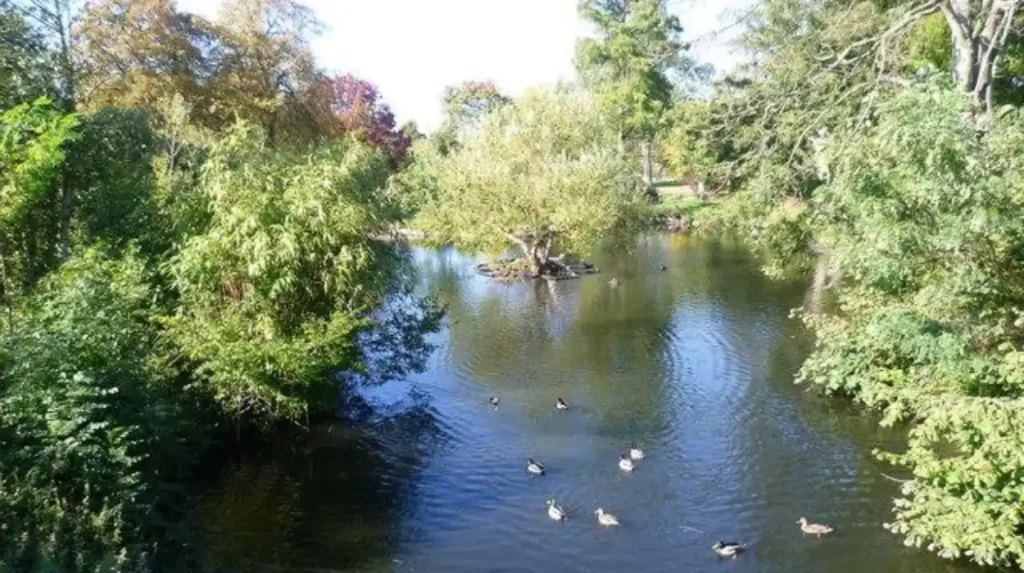
The park contains a fenced wildlife pond, native hedges, mature trees and a tree-lined Country Walk. These features provide different environmental conditions for wildlife.
The pond offers an important aquatic habitat. Pond ecosystems support organisms such as aquatic invertebrates, plants and other species associated with freshwater environments. The surrounding vegetation provides additional shelter and feeding opportunities.
Norwood Park also forms part of the Great North Wood landscape. Planting projects have introduced additional trees and hedges and increased areas of species-rich meadow grassland.
The park was formally declared a Local Nature Reserve on 3 March 2023. It also holds Borough Site of Importance for Nature Conservation status.
Visitors can explore the Country Walk and observe the wildlife pond from appropriate public viewing areas. The park also provides extensive views across South London.
Its location makes it suitable for combining nature observation with a wider visit to West Norwood.
Palace Road Nature Garden
Palace Road Nature Garden is a smaller natural environment in Streatham. It demonstrates how community-managed green spaces contribute to biodiversity within residential neighbourhoods.
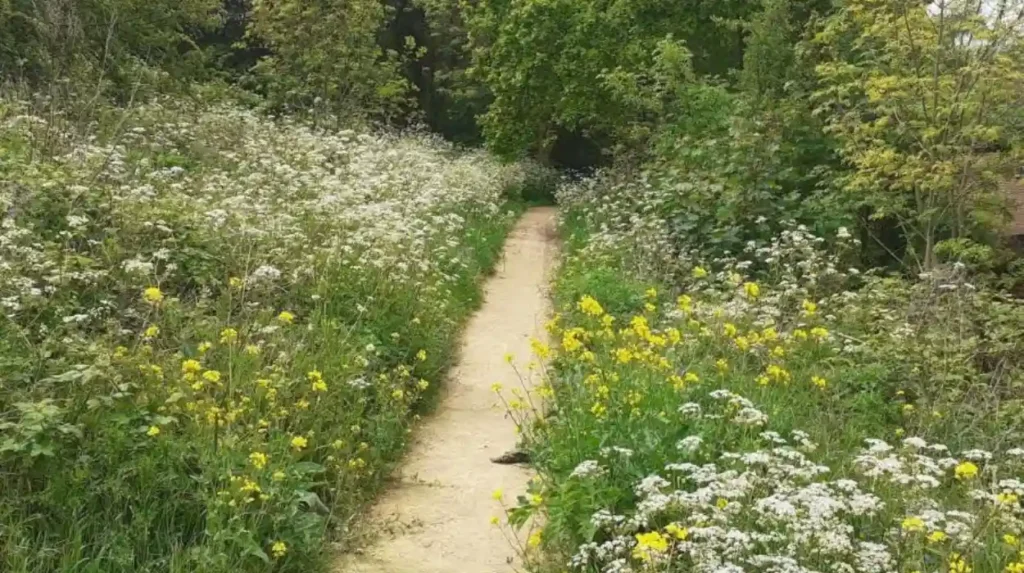
The garden includes woodland paths, a summer-flowering meadow, an orchard and community-created artwork. These features provide a combination of planted and semi-natural environments.
Wildflower meadows support pollinating insects by providing sources of nectar and pollen. Trees and shrubs provide shelter for birds and other small animals.
The site received Local Nature Reserve designation in October 2025. It is also recognised as a Borough Site of Importance for Nature Conservation.
Palace Road Nature Garden normally opens daily from 7.30 am until 15 minutes before sunset.
Visitors should check the council’s current access information before travelling, particularly when planning an early morning or late afternoon visit.
Where Can Visitors Discover Woodland Wildlife in Lambeth?
Visitors can discover woodland wildlife at Streatham Common, Unigate Wood and Norwood Park. These locations contain mature trees, native vegetation, woodland floors and connected green spaces that support birds, mammals, insects and other organisms.
Woodland is one of the most valuable natural habitat types in Lambeth. Trees create different ecological layers, from the upper canopy to the shrubs, ground vegetation and leaf litter.
Each layer provides different resources for wildlife.
The canopy offers nesting and resting locations for birds. Tree trunks and branches support insects and fungi. Shrubs provide cover for smaller animals, while woodland floors contain decomposing leaves, organic matter and habitats for invertebrates.
Unigate Wood provides particularly useful opportunities to observe woodland biodiversity. Its recorded birdlife includes woodpeckers, robins, blackbirds and thrushes.
Woodpeckers are especially associated with mature trees because they use tree trunks to search for insects and establish nesting cavities. Robins and blackbirds frequently forage closer to the ground.
Streatham Common provides another woodland environment. Its deciduous trees include English oak, with occasional ash, lime and English elm.
Oak trees support extensive food webs. Their leaves, bark, flowers and associated invertebrates provide resources for numerous organisms.
Norwood Park offers a different experience through its tree-lined Country Walk and native hedgerows. These vegetation features provide shelter and potential movement routes for wildlife.
How to Observe Woodland Wildlife
Visitors should use quiet observation techniques when exploring woodland.
Binoculars help identify birds without approaching them closely. A camera with a suitable zoom lens allows wildlife photography without disturbing animals.
Look for:
- Birds feeding around tree trunks, including woodpeckers.
- Robins and blackbirds searching woodland floors.
- Squirrels moving between trees.
- Insects resting on leaves and flowering plants.
- Signs of animal activity, including feathers, tracks and feeding marks.
Early morning is generally a productive period for birdwatching because many birds are active around sunrise.
Visitors should avoid removing fallen branches, disturbing deadwood or entering protected vegetation. Deadwood is an important woodland resource because it supports fungi, beetles and other decomposers.
Which Lambeth Parks Support Birds, Butterflies and Pollinating Insects?
Brockwell Park, Streatham Common, Norwood Park and The Rookery support wildlife through trees, ponds, meadows, hedgerows and flowering vegetation. These habitats provide food, shelter and nesting opportunities for birds, butterflies, bees and other insects.
Urban parks perform important ecological functions beyond recreation. Their vegetation provides food and shelter for wildlife, while their open spaces support natural processes such as pollination and seed dispersal.
Brockwell Park
Brockwell Park is one of Lambeth’s major historic green spaces. Its landscape includes open meadows, ponds, mature trees and a traditional walled garden.
The park is recognised as a Borough Site of Importance for Nature Conservation. It also holds Green Flag and Green Flag Heritage recognition.
Its trees provide nesting and feeding opportunities for birds. Flowering plants support insects, while ponds create freshwater environments.
The Brockwell Park Community Greenhouses also contribute to local environmental education and community participation.
Visitors can explore the park’s different landscapes while looking for birds, insects and seasonal vegetation.
The contrast between open grassland, mature trees and water features makes Brockwell Park useful for understanding how several habitat types function within one public park.
The Rookery’s Ponds and Flower Gardens
The Rookery combines historic garden design with wildlife-supporting vegetation. Its ornamental ponds, herbaceous borders, wildflower planting and hedges create several small habitats.
Aquatic environments attract different organisms from those found in woodland or grassland. Pond margins provide damp conditions for vegetation and insects, while water surfaces attract birds seeking food and drinking opportunities.
Flowering plants provide nectar and pollen for pollinating insects. Hedges and trees offer nesting locations and protection.
Visitors should observe pond wildlife from established paths rather than entering planted areas or disturbing the water.
Clapham Common
Clapham Common is another major green space in the wider Lambeth area. Its combination of open grassland, mature trees and ponds provides opportunities for urban wildlife observation.
The ponds and surrounding vegetation are particularly relevant to visitors interested in freshwater habitats and water-associated birds.
The common also forms part of the wider network of South London’s urban green spaces. Its ecological contribution is connected to the availability of vegetation and suitable habitat elsewhere across the borough.
Visitors should distinguish between recreational areas and more sensitive natural environments. Keeping dogs under control and avoiding disturbance around nesting and feeding areas helps protect wildlife.
What Wildlife Can Visitors Expect to See in Lambeth?
Lambeth supports urban wildlife including robins, blackbirds, woodpeckers, foxes, squirrels, shrews, bank voles, bats, stag beetles and pollinating insects. The species encountered depend on habitat conditions, weather, season and the time of each visit.
Wildlife observation in Lambeth focuses on species adapted to urban environments. Woodland, gardens, ponds and grassland each support different ecological communities.
Birds
Birds are among the most accessible wildlife to observe in Lambeth.
Recorded woodland species at Unigate Wood include:
- Robins, recognisable by their orange-red breast.
- Blackbirds, commonly seen feeding on the ground.
- Great spotted woodpeckers, associated with mature trees.
- Song thrushes, recognised by their spotted breast.
- Wrens, small birds frequently found in dense vegetation.
- Greenfinches, seed-eating birds associated with trees and gardens.
Bird activity changes throughout the year. Spring is particularly important because many species establish territories and raise young.
Autumn and winter offer opportunities to observe birds feeding on seeds, berries and other available food.
Mammals
Lambeth’s woodland and grassland environments support mammals including foxes, grey squirrels, shrews and bank voles.
Foxes are highly adaptable mammals that occupy residential areas, parks and woodland edges. They are primarily active around dusk, night and early morning.
Grey squirrels are frequently visible in parks and wooded areas. They feed on seeds, nuts and other plant material.
Shrews and bank voles are less easily observed because they occupy vegetation, leaf litter and sheltered ground-level habitats.
Visitors should avoid feeding wild mammals. Human food changes natural feeding behaviour and creates unnecessary dependence on people.
Bats and Stag Beetles
Bats and stag beetles are important species associated with Lambeth’s woodland environments.
Bats are nocturnal flying mammals that feed on insects. They use suitable roosting locations in buildings, trees and other structures.
Stag beetles are among Britain’s largest beetle species. Their larvae develop in decaying wood, making deadwood an important conservation resource.
Both bats and stag beetles receive legal protection. Visitors should never disturb potential bat roosts or remove decaying timber from conservation sites.
Butterflies and Other Pollinators
Wildflower meadows, gardens and flowering hedgerows support pollinating insects.
Butterflies and bees transfer pollen between flowers. This process supports plant reproduction and contributes to wider ecosystem functioning.
Lambeth Council’s Pollinator Action Plan 2026 addresses the protection and improvement of habitats used by pollinating insects and other invertebrates.
Flowering vegetation is especially valuable during warmer months when pollinators are actively searching for nectar and pollen.
When Is the Best Time to Explore Lambeth’s Wildlife Habitats?
Spring and summer provide opportunities to observe nesting birds, flowering plants and pollinating insects. Autumn offers changing woodland colours and seasonal bird activity, while winter provides clearer views through deciduous woodland and opportunities to observe resident birds.
Lambeth’s wildlife habitats change throughout the year. Seasonal conditions influence animal behaviour, vegetation growth and the visibility of different species.
Spring: March to May
Spring is an important period for woodland and garden wildlife.
Trees begin producing new leaves, flowering plants develop and birds become more active. Many species establish territories and begin breeding.
Visitors can look for robins, blackbirds and other resident birds around woodland edges and gardens.
Flowering vegetation also attracts early pollinators when weather conditions are suitable.
Visitors should keep away from nesting areas and avoid disturbing birds during the breeding season.
Summer: June to August
Summer provides opportunities to explore meadows, ponds and flowering gardens.
Butterflies and bees become more visible around wildflowers. Pond margins support aquatic insects and vegetation.
Longer daylight hours also allow visitors to spend more time exploring woodland trails and open parks.
Warm weather requires sensible preparation, including drinking water, sun protection and suitable footwear.
Autumn: September to November
Autumn changes the appearance of Lambeth’s woodland habitats.
Deciduous trees lose their leaves, revealing branches and tree structures that remain hidden during summer.
Birds feed on seeds and berries, while squirrels become more active collecting food.
Visitors can also observe fungi and decomposing plant material. These natural processes contribute to nutrient recycling and woodland ecosystem health.
Winter: December to February
Winter provides a different perspective on urban wildlife.
Reduced vegetation creates clearer sightlines through woodland. Resident birds remain active, while ponds and wooded environments continue to support wildlife.
Visitors should check weather conditions and daylight hours before setting out.
The best wildlife experience depends on the species being observed rather than a single universally suitable season.
How Can Visitors Plan a Responsible Wildlife Visit in Lambeth?
Visitors can plan responsible wildlife visits by choosing accessible nature reserves, checking opening times, using established paths and observing animals without interference. Seasonal planning, suitable footwear and binoculars help visitors enjoy Lambeth’s natural environments responsibly.
A successful wildlife visit requires preparation. Lambeth’s nature reserves and parks have different access arrangements, facilities and conservation requirements.
Visitors should check Lambeth Council’s official parks directory before travelling. Some gardens have restricted opening hours, while larger parks offer longer access periods.
Useful preparation includes:
- Checking public transport connections before visiting.
- Carrying binoculars for birdwatching.
- Taking a camera with a suitable zoom lens.
- Wearing comfortable walking shoes.
- Bringing drinking water and weather-appropriate clothing.
- Checking access restrictions and conservation notices.
Visitors should also follow responsible wildlife observation practices.
Wild animals should never be chased, handled or deliberately disturbed. Feeding birds and mammals with inappropriate human food should also be avoided.
Dogs should remain under control, particularly near ponds, woodland habitats and areas containing nesting birds.
Photography should take place from public paths. Visitors should avoid using flash close to sensitive wildlife and should never approach protected species or their breeding locations.
People interested in recording wildlife observations can also contribute information to conservation organisations.
Lambeth Council identifies Greenspace Information for Greater London (GiGL) as an important resource for environmental records. GiGL collects, manages and shares information about London’s wildlife and natural environment.
Visitors can explore its resources to understand the biodiversity value of local green spaces and contribute eligible wildlife sightings.
How Does Lambeth Protect Its Natural Habitats and Biodiversity?
Lambeth protects natural habitats through Local Nature Reserve designations, Sites of Importance for Nature Conservation, biodiversity planning and community involvement. These measures support habitat management, wildlife protection, environmental education and the improvement of ecological connections across the borough.
Nature conservation in Lambeth involves local government, environmental organisations, community groups and individual residents.
The borough’s approach includes several important conservation mechanisms.
Local Nature Reserve Designations
The National Parks and Access to the Countryside Act 1949 provides the legislative framework for Local Nature Reserve designation.
Lambeth Council uses this framework to recognise places with particular natural interest and public educational value.
Local Nature Reserve status supports the protection and management of important habitats. It also recognises the importance of making nature accessible to communities.
Sites of Importance for Nature Conservation
SINCs identify locations with recognised ecological importance.
Lambeth’s 49 designated sites include areas supporting different wildlife habitats and environmental features.
These designations help decision-makers consider biodiversity when assessing development and land management proposals.
The Environment Act 2021
The Environment Act 2021 strengthened biodiversity responsibilities for public authorities in England.
Section 102 addresses the biodiversity duty placed on public authorities. Section 103 requires regular reporting on actions taken to meet this duty.
These provisions encourage local authorities to consider biodiversity when carrying out their responsibilities.
Lambeth’s Pollinator Action Plan
Pollinating insects perform essential ecological functions. Bees, butterflies and other insects transfer pollen between flowering plants.
Lambeth’s Pollinator Action Plan 2026 establishes a local framework for improving conditions for these species.
Its objectives relate to supporting pollinator habitats in parks, gardens, residential environments and other green spaces.
London’s Local Nature Recovery Strategy
The Greater London Authority’s Local Nature Recovery Strategy provides a wider framework for improving biodiversity across the capital.
It identifies important existing habitats and locations where ecological improvements can strengthen London’s natural environment.
The strategy promotes six overarching principles, including improving habitat connectivity, supporting pollinators, improving soil health and protecting native wildlife.
These measures are particularly relevant to Lambeth because its woodland fragments, parks and gardens form part of a wider urban ecological network.
Explore More Area Guide
Best Panoramic Views in Lambeth: Top London Viewpoints
Best Photography Locations Across Lambeth, London
What Is the Historical Connection Between Lambeth’s Wildlife Habitats and the Great North Wood?
Lambeth’s natural habitats retain connections to the historic Great North Wood, an extensive woodland landscape that once covered parts of South London. Streatham Common, Norwood Park and nearby woodland fragments preserve elements of this ecological and historical heritage.
The Great North Wood was historically an extensive landscape of woodland, commons and open spaces across South London.
It provided resources for local communities, including timber, charcoal and oak bark used in leather tanning.
Urban expansion, land enclosure and changing economic activity gradually reduced the original woodland landscape.
Today, surviving woodland fragments and connected green spaces preserve elements of this historic environment.
Streatham Common, Norwood Park and Unigate Wood are important parts of Lambeth’s relationship with the Great North Wood.
The London Wildlife Trust has worked with Lambeth Council on projects supporting habitat improvements, community participation and public awareness.
These projects included woodland management, tree planting, hedgerow improvements and the development of species-rich meadow grassland.
The connection between history and ecology also explains why protecting existing green spaces is important. Natural habitats are not simply recreational landscapes. They represent surviving elements of South London’s environmental history.
As visitors explore these modern wildlife sites, they are also crossing landscapes shaped by centuries of human activity. Read the full [Insert Anchor Text for Lambeth’s Great North Wood History Article Here] to understand the area’s woodland heritage and historical development.
Why Are Lambeth’s Natural Wildlife Habitats Important for the Future?
Lambeth’s natural wildlife habitats support biodiversity, urban climate resilience, environmental education and community wellbeing. Protecting woodland, ponds, meadows and connected green spaces helps maintain ecological resources for future generations and strengthens London’s wider nature recovery objectives.
Urban biodiversity provides environmental benefits that extend beyond wildlife observation.
Trees provide shade and contribute to cooling during warmer weather. Vegetated areas help absorb rainfall and reduce surface water runoff. Healthy soils support plant growth and contribute to ecological processes.
Ponds and other freshwater habitats provide important resources for aquatic organisms and water-associated wildlife.
Green corridors also help animals move between isolated habitats. These connections are particularly important in urban environments where buildings and transport infrastructure divide natural landscapes.
Lambeth’s parks and nature reserves contribute to these wider environmental functions.
Future conservation priorities include maintaining mature trees, improving meadow habitats, supporting pollinating insects and protecting sensitive woodland environments.
Community participation also has an important role. Local residents and visitors can support biodiversity by respecting conservation rules, reporting wildlife observations and participating in organised volunteering activities.
The borough’s nature reserves demonstrate how wildlife conservation operates within a densely developed part of London.
Lambeth offers visitors a varied introduction to South London’s urban biodiversity. Its natural habitats include woodland, meadows, ponds, gardens and grasslands that support numerous birds, mammals and invertebrates.
Eardley Road Sidings, Unigate Wood, Streatham Common, Norwood Park, Palace Road Nature Garden and Brockwell Park provide valuable locations for exploring these environments.
Visitors can discover wildlife throughout the year while learning about the historic Great North Wood and the importance of local conservation initiatives.
Responsible wildlife observation, respect for protected habitats and participation in community conservation help preserve Lambeth’s natural environment.
For tourists, residents and outdoor enthusiasts, exploring Lambeth’s wildlife habitats provides an accessible way to understand the relationship between urban life, biodiversity and environmental protection.
Where can visitors see wildlife in Lambeth?
Visitors can explore wildlife at Streatham Common, Unigate Wood, Norwood Park, Eardley Road Sidings, Brockwell Park and Palace Road Nature Garden. These locations contain woodland, grassland, ponds and flowering vegetation that support local wildlife.