London, a sprawling metropolis known for its rich history, diverse culture, and iconic landmarks, is often divided into distinct geographical areas. Among these, South London holds a special place for its unique charm, green spaces, and vibrant communities. But one question that often arises, especially among residents and those curious about London’s geography, is: Is South London the biggest part of London?
Understanding London’s Geography
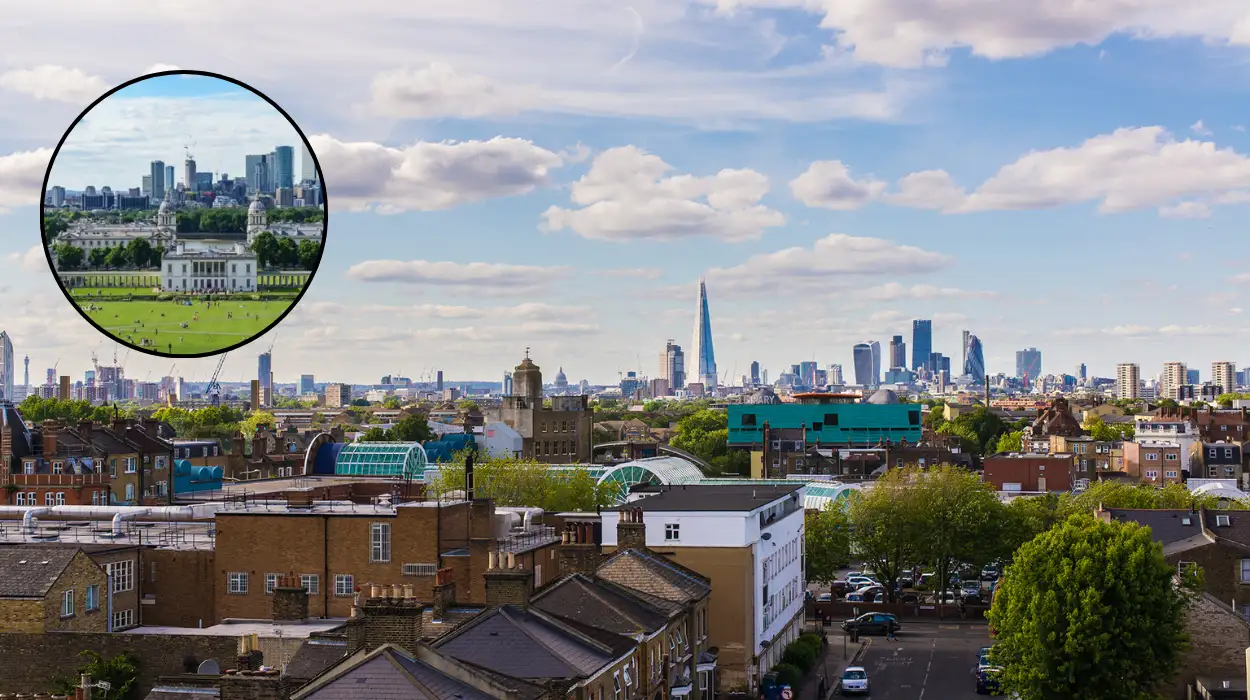
Greater London is divided by the River Thames into two main parts: North London and South London. The river acts as a natural boundary, creating distinct identities for these areas. South London comprises several boroughs including Bexley, Bromley, Croydon, Greenwich, Kingston, Lambeth, Lewisham, Merton, Richmond, Southwark, Sutton, and Wandsworth.
Each of these boroughs contributes to the area’s character, with a mix of urban centers, suburban neighborhoods, parks, and commercial hubs. South London offers a blend of cultures and lifestyles from vibrant town centers to quieter leafy suburbs.
Land Area Comparison: South London vs. Other Parts
When discussing size, it’s critical to look at land area. The borough of Bromley, part of South London, is the largest single London borough by area and significantly suburban with extensive green spaces. South London collectively covers a considerable area totaling around 59 square miles (153 square kilometers) in some of its largest boroughs, including Bromley and Croydon.
However, despite these large boroughs, South London is not the biggest part of London in total area. North London covers more land overall, largely due to the curve of the Thames and the spread of northern boroughs.
Population Insights
In terms of population, South London has approximately 1.65 million residents, which is substantial but still less than the population in North London. North London generally hosts a denser, more urban population with more boroughs packed in a smaller area compared to the suburban character of much of South London.
Notably, Croydon is one of the most populous boroughs in London and is part of South London. Yet, the collective population across northern boroughs exceeds that of South London.
Characteristics of South London
South London is renowned for its green spaces, with approximately 34% parkland compared to North London’s 29%. This makes South London feel more suburban and offers a less congested environment, which many families and professionals find appealing.
The area is also known for key business sectors, cultural landmarks, and recreational spots. Major shopping locations like Sutton High Street contribute significantly to the local economy and lifestyle.
Why Size Isn’t Everything: The Unique Identity of South London
While South London may not be the biggest part of London by strict measurements, its identity is profound and distinctive. The balance of urban and suburban living, the richness of green spaces, cultural diversity, and historic sites provide South London with an unrivaled appeal.
For many, South London represents a more relaxed but equally vibrant side of London life compared to the busier, more densely populated North London.
To answer the question directly: South London is not the biggest part of London by land area or population. North London is larger in both respects. However, South London’s vast boroughs like Bromley and Croydon, its green spaces, and thriving communities make it one of the most significant and beloved parts of the capital.
Understanding these distinctions helps appreciate South London’s role, its lifestyle offerings, and why it remains a central piece of the London mosaic for both residents and visitors.