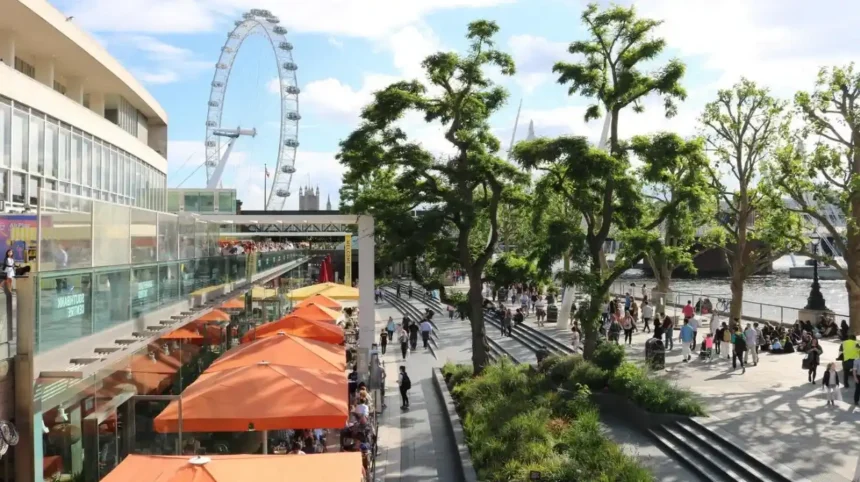
Lambeth is one of South London’s strongest areas for combining sightseeing with shopping because major attractions sit close to markets, independent shops, cafés and specialist retail streets. Visitors can build itineraries around South Bank, Waterloo, Brixton, Lambeth Palace Road, Lower Marsh and other shopping districts.
- What makes Lambeth suitable for a sightseeing and shopping day?
- Which South Bank attractions can visitors combine with shopping?
- How can visitors combine the London Eye with shopping?
- What can visitors shop for around Lower Marsh?
- How can visitors combine the Garden Museum with shopping?
- Can visitors combine Lambeth Palace with shopping?
- How can visitors combine the Imperial War Museum with shopping?
- Why is Brixton one of the best sightseeing and shopping combinations in Lambeth?
- What should visitors see and shop for during a Brixton itinerary?
- Which Lambeth markets are useful for sightseeing and shopping?
- What is the best one-day sightseeing and shopping itinerary in Lambeth?
- How should visitors plan transport between Lambeth sightseeing and shopping areas?
- How can visitors make a Lambeth sightseeing and shopping trip more efficient?
- Is Lambeth suitable for visitors who want shopping without losing sightseeing time?
The borough also provides different shopping formats. Visitors can browse traditional street markets, independent boutiques, food markets, specialist museum shops and riverside retail spaces. Lambeth Council lists markets including Brixton Market, Lower Marsh Market, Herne Hill Market, Venn Street Market, Streatham Market, Oval Market and West Norwood Feast.
The most effective sightseeing-and-shopping itineraries group places geographically. South Bank and Waterloo work particularly well for riverside attractions and independent shopping. Brixton combines cultural sightseeing with markets. Lambeth Palace Road connects heritage attractions with a specialist museum shop. Lower Marsh provides another compact option near Waterloo.
What makes Lambeth suitable for a sightseeing and shopping day?
Lambeth combines major London attractions, cultural institutions, riverside walks, historic streets and established markets within a highly connected part of South London. This allows visitors to alternate between sightseeing and shopping without dedicating separate days to each activity.
Lambeth occupies a strategic position on the south side of the River Thames. Its northern area includes South Bank and Waterloo, while Brixton lies further south. This geographical variety gives visitors different combinations of attractions and retail experiences.
South Bank is particularly convenient because the area includes the London Eye, National Theatre, Southbank Centre, SEA LIFE London Aquarium and London Dungeon. Visit London also identifies Oxo Tower Wharf, Gabriel’s Wharf, Southbank Centre Book Market and Lower Marsh as shopping destinations in the South Bank and Waterloo area.
Brixton offers a different experience. Visit London describes the district as a major destination for food, music, markets and cultural activity. Attractions include the Ritzy cinema, O2 Academy Brixton, Brixton Windmill, Windrush Square and the Black Cultural Archives, while Brixton Village and Market Row provide food and independent shopping.
This concentration creates a simple planning principle: choose one sightseeing cluster and pair it with the nearest shopping area. That approach reduces unnecessary travel and leaves more time for attractions, meals and browsing.
Which South Bank attractions can visitors combine with shopping?
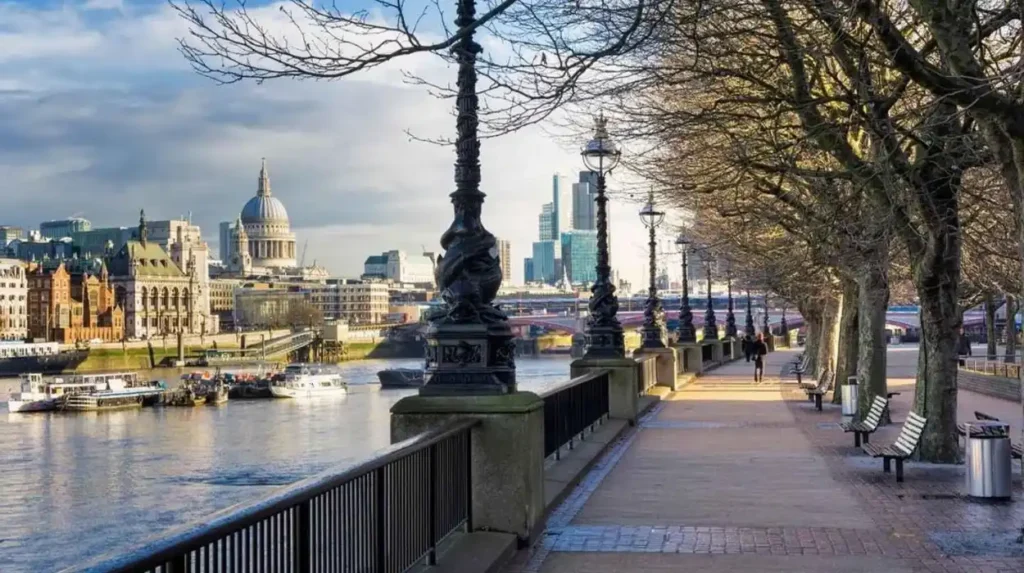
South Bank provides one of Lambeth’s most practical sightseeing-and-shopping combinations, linking riverside attractions with independent shops, markets, books, design products and food outlets around Gabriel’s Wharf, Oxo Tower Wharf, Lower Marsh and the Southbank Centre.
The South Bank riverside forms a major visitor corridor. It extends between Lambeth Bridge and Blackfriars Bridge on the south side of the Thames. The area contains major cultural attractions and entertainment venues alongside retail spaces.
Visitors can start near the London Eye and walk along the Thames before continuing towards the Southbank Centre. The route provides sightseeing opportunities without requiring repeated journeys between separate parts of London.
The Southbank Centre Book Market is useful for visitors looking for books rather than conventional high-street shopping. It operates beneath Waterloo Bridge and forms part of the wider South Bank retail environment. Gabriel’s Wharf adds independent shops and small businesses, while Oxo Tower Wharf focuses on designer and craft-oriented retail.
The sightseeing component can include the London Eye, National Theatre, Southbank Centre, Hayward Gallery or other nearby cultural venues. The shopping component then takes place along the riverside and around Waterloo.
The area also supports food stops. Restaurants and bars line sections of the river, while Leake Street Arches provides another food and street-art destination close to Waterloo.
For visitors with limited time, South Bank is therefore an efficient choice. A two-part itinerary can begin with a morning attraction, continue with riverside sightseeing and finish with shopping and food near Waterloo.
How can visitors combine the London Eye with shopping?
Visitors can pair the London Eye with a riverside walk towards the Southbank Centre, Gabriel’s Wharf and Oxo Tower Wharf before continuing to Lower Marsh. This creates a compact itinerary combining panoramic sightseeing, cultural venues, independent retail and market shopping.
The London Eye is positioned directly beside the Thames and within the wider South Bank visitor district. Its location makes it easy to combine with attractions and shopping rather than treating it as an isolated destination.
A practical sequence starts around Westminster Bridge or the London Eye. Visitors can complete the attraction and then walk eastwards along the riverside. This direction brings the Southbank Centre and surrounding cultural venues into the itinerary.
Gabriel’s Wharf provides independent shops close to the river. Oxo Tower Wharf provides another retail stop focused on design-led products and specialist goods. Visit London specifically identifies both locations as shopping destinations within South Bank and Waterloo.
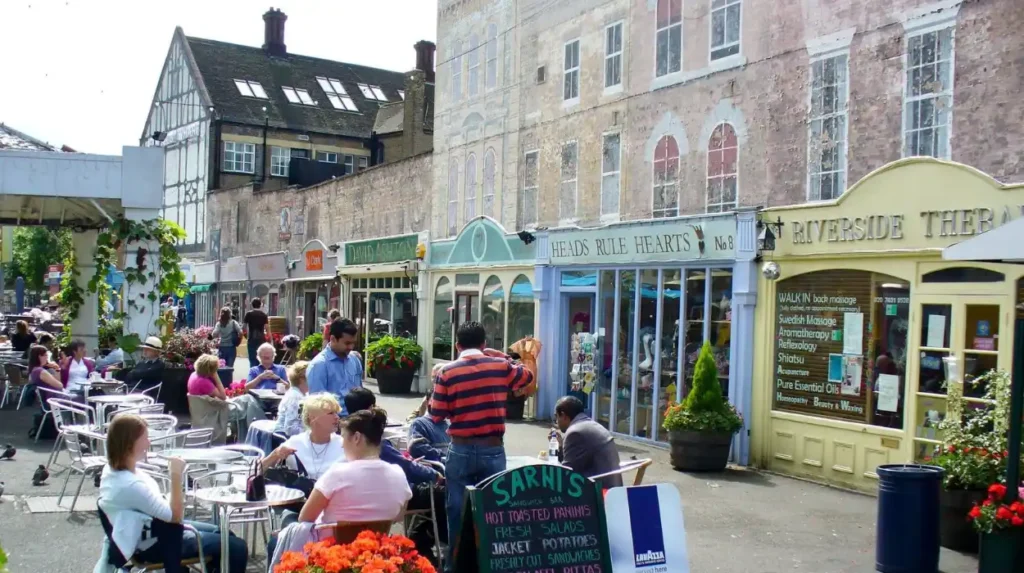
Lower Marsh then provides a different shopping environment. It is a historic street close to Waterloo Station and contains independent shops alongside its traditional market. Lambeth Council describes Lower Marsh as one of its markets, while Film Lambeth identifies fresh produce, lunchtime food, clothes, gifts and flowers among the goods sold there.
This route works particularly well for visitors who want shopping to feel integrated into sightseeing. Each retail stop follows naturally from the riverside walking route.
What can visitors shop for around Lower Marsh?
Lower Marsh combines a historic street environment with independent shops and a traditional market selling food, produce, clothing, gifts and flowers. Its location near Waterloo makes it particularly useful for visitors finishing a South Bank sightseeing itinerary.
Lower Marsh sits close to Waterloo Station and provides a contrast with the larger attractions along the Thames. Its shopping environment is based on smaller businesses and market trading rather than major shopping centres.
Film Lambeth describes the street as having an eclectic collection of independent shops. Its market includes fresh fruit and vegetables, lunchtime food, clothes, gifts and flowers. Weekday trading focuses on street food, while Saturday features produce and flea-market trading.
Lambeth Council also identifies Lower Marsh as one of the borough’s established markets. Its wider markets programme demonstrates the importance of street trading to Lambeth’s local retail economy.
Visitors can therefore use Lower Marsh for practical shopping after sightseeing. It is particularly suitable for gifts, food, small purchases and independent products.
The location also makes it useful for travellers using Waterloo. Visitors can arrive by rail, explore South Bank, shop along the riverside and Lower Marsh, then return to Waterloo without crossing the borough again.
The market environment also provides an opportunity to support smaller traders. Lambeth Council states that its street markets provide local amenities and opportunities for small businesses to sell goods including coffee, clothes, street food, household products and handmade crafts.
How can visitors combine the Garden Museum with shopping?
The Garden Museum provides a strong heritage-and-shopping combination because its Lambeth Palace Road location sits beside Lambeth Palace and the River Thames, while its museum shop sells gardening tools, books, gifts, cards, plants-related products and specialist merchandise.
The Garden Museum occupies a former church beside Lambeth Palace and focuses on the history, art and design of gardens. The museum describes itself as Britain’s only museum dedicated to gardens. Its collection covers British gardening from the 16th century to the present.
Its location makes it particularly suitable for a slower sightseeing itinerary. The museum is approximately a ten-minute walk from Lambeth North, while Waterloo and Vauxhall are also within walking distance.
The museum shop provides a clearly defined shopping element. It sells gardening tools such as trowels, secateurs and watering cans, together with books, exhibition catalogues, greeting cards, home products and gifts. The shop is open during museum opening hours and can be accessed through the café entrance.
The Garden Museum also contains gardens and a café, creating a complete visit without requiring immediate onward travel. Its current programme includes exhibitions, talks, festivals and other events, although opening times and exhibitions should always be checked before travelling.
The museum’s medieval tower adds a historical sightseeing component. The tower dates from 1377 and contains 131 steps to its viewing level, although the museum states that it is currently closed for maintenance and is expected to reopen later in 2026.
Visitors interested in the area’s deeper heritage can also connect the modern museum visit with Lambeth’s long historical development. As you explore the modern site, you are crossing land with a deep heritage. Read about the full [Insert Anchor Text for History Article Here] to understand its origins.
Can visitors combine Lambeth Palace with shopping?
Lambeth Palace works best as a heritage stop within a wider Lambeth Palace Road and South Bank itinerary, followed by the Garden Museum shop or nearby riverside shopping. The combination keeps heritage sightseeing, specialist retail and Thames-side walking within one geographic area.
Lambeth Palace is the historic residence of the Archbishop of Canterbury and forms an important part of Lambeth’s heritage landscape. Its position beside the Thames places it close to the Garden Museum and the wider South Bank area.
The Garden Museum is immediately next to Lambeth Palace. This makes the two sites particularly suitable for visitors who want a heritage-focused section before moving towards shopping.
Visitors should check current opening arrangements before planning entry to Lambeth Palace because access arrangements differ according to tours, events and scheduled openings. A realistic itinerary should therefore treat the palace as a planned attraction rather than assuming unrestricted daily access.
The nearby Garden Museum provides a more predictable complementary visit. Its museum shop adds a specialist retail experience, while the café and garden provide space for a break.
After this heritage section, visitors can walk towards the South Bank riverside and continue towards Gabriel’s Wharf, Oxo Tower Wharf or Lower Marsh.
This creates a logical progression from historic buildings to museum collections and then independent shopping.
How can visitors combine the Imperial War Museum with shopping?
IWM London on Lambeth Road provides a major free cultural attraction that can be combined with shopping at its museum shop before visitors continue towards Waterloo, Lower Marsh or the South Bank riverside retail areas.
The Imperial War Museum London is on Lambeth Road, SE1 6HZ. It tells the stories of people affected by conflict from the First World War to conflicts today. General admission is free.
The museum contains major permanent galleries and temporary exhibitions. Its First World War Galleries contain more than 1,300 objects, while other displays cover the Second World War, espionage, the Holocaust and military history.
IWM London also provides a museum shop. Its visitor information identifies guidebooks and souvenirs among the products available to visitors.
This makes the museum useful for a sightseeing-and-shopping itinerary where the retail element relates directly to the attraction.
Visitors can then continue towards Waterloo and Lower Marsh. IWM London is approximately seven minutes from Lambeth North Underground station and around 14 minutes from Waterloo according to the museum’s access information.
A practical itinerary therefore starts at IWM London, continues towards Waterloo and uses Lower Marsh as the principal shopping stop. The visitor then has access to South Bank attractions and riverside shopping if additional time remains.
Why is Brixton one of the best sightseeing and shopping combinations in Lambeth?
Brixton combines cultural heritage, music, food, markets, independent businesses and public spaces, making it one of Lambeth’s strongest areas for visitors who want sightseeing and shopping within the same neighbourhood rather than separate destinations.
Brixton has strong Caribbean cultural connections and is associated with music, food and markets. Visit London identifies Brixton Village, Market Row, the Ritzy cinema, O2 Academy Brixton, Black Cultural Archives and Windrush Square among the district’s attractions.
Shopping centres on the market areas. Lambeth Council states that Brixton Market has more than 80 licensed pitches across Electric Avenue, Pope’s Road and Brixton Station Road. Goods include clothing, fresh produce, handmade items and food.
Brixton Village and Market Row provide another retail layer. Visit London identifies independent shops selling gifts, bags, ceramics, rugs and other products, alongside food traders and events.
Electric Avenue provides a particularly strong connection between sightseeing and shopping. The market environment reflects Brixton’s international food culture, with fresh produce, spices and ingredients from different parts of the world.
Visitors can start at Windrush Square, explore local heritage and public spaces, then continue towards Brixton Village and the market streets. The itinerary can finish with food or entertainment around the neighbourhood.
Brixton is also highly accessible from central London. Visit London states that the district is four Victoria line stops from Victoria Station, taking around seven minutes.
What should visitors see and shop for during a Brixton itinerary?
A Brixton itinerary can combine Windrush Square and local cultural attractions with Brixton Village, Market Row and the wider street markets. Visitors can focus shopping on food, clothing, crafts, gifts, homeware and independent products while keeping sightseeing within the same district.
Windrush Square provides an important starting point because it sits within Brixton’s cultural landscape. Visitors interested in Black British history can also consider the Black Cultural Archives, which Visit London identifies as a Brixton sightseeing attraction.
From the square, visitors can move towards Brixton Village and Market Row. These covered market areas contain independent traders and food businesses.
The retail offer is broader than food. Visit London identifies shops selling globally sourced bags, ceramics and rugs, together with gifts and products from independent makers and designers.
Lambeth Council’s market information also identifies clothing, luggage, bedding, handmade goods, fresh produce and street food among the types of goods available through Lambeth markets.
This makes Brixton particularly effective for visitors looking for locally distinctive shopping rather than conventional chain retail.
A full Brixton day can therefore follow a simple structure: cultural sightseeing in the morning, market exploration around midday, independent shopping in the afternoon and food or entertainment later in the day.
Which Lambeth markets are useful for sightseeing and shopping?
Lambeth’s market network extends beyond Brixton and Lower Marsh, with examples including Herne Hill Market, Venn Street Market, Streatham Market, Oval Market and West Norwood Feast. Visitors should match each market with nearby attractions and check operating days before travelling.
Lambeth Council lists several markets across the borough. These include Brixton Market, Lower Marsh, Herne Hill Market, Venn Street Market, Streatham Market, Oval Market and West Norwood Feast.
Market schedules differ. Herne Hill Market operates on Sundays, Venn Street Market operates on Saturdays, and Streatham Market operates monthly from March to December according to Lambeth Council’s market information.
This variation makes the day of travel an important part of itinerary planning.
Herne Hill suits visitors exploring south-east Lambeth and neighbouring areas. Venn Street connects with the Clapham area. Streatham provides a longer-distance southern Lambeth option, while West Norwood Feast adds a community-oriented market experience.
Visitors should avoid assuming that every market operates daily. Checking official council information before travelling provides the most reliable information about market days and current trading arrangements.
The market system also demonstrates that shopping in Lambeth is not limited to large retail areas. Street markets form an important part of the borough’s local commercial landscape.
What is the best one-day sightseeing and shopping itinerary in Lambeth?
A balanced one-day Lambeth itinerary starts with a major attraction, uses walking for riverside or neighbourhood sightseeing, places shopping around lunchtime and finishes with independent retail, food or entertainment. South Bank, Waterloo and Brixton provide the clearest full-day combinations.
For a central itinerary, begin around the London Eye and South Bank. Continue along the Thames towards the Southbank Centre, Gabriel’s Wharf and Oxo Tower Wharf. These locations combine sightseeing with independent retail and cultural venues.
Continue towards Lower Marsh around lunchtime. The market provides food, produce, clothes, gifts and flowers, while the surrounding street contains independent businesses.
For a heritage-focused itinerary, start at the Garden Museum and Lambeth Palace area. Visit the museum, browse its specialist shop and continue towards the Thames. The Garden Museum shop provides gardening books, tools, gifts and exhibition-related products.
For a history-focused itinerary, begin at IWM London. Admission is free, and the museum provides a substantial sightseeing experience before visitors continue towards Waterloo and Lower Marsh.
For a neighbourhood-focused itinerary, choose Brixton. Begin at Windrush Square, explore cultural attractions, then move through Brixton Village, Market Row and the wider market streets. This approach keeps sightseeing and shopping concentrated in one district.
The best itinerary therefore depends on the visitor’s priority. South Bank suits first-time visitors seeking major London landmarks. Lambeth Palace Road suits heritage and specialist interests. Brixton suits visitors seeking markets, food, culture and independent shopping.
How should visitors plan transport between Lambeth sightseeing and shopping areas?
Visitors should group attractions geographically and use London’s public transport network between districts. Waterloo, Lambeth North, Vauxhall and Brixton provide useful access points, while walking is practical within South Bank, Lower Marsh, Lambeth Palace Road and central Brixton.
The Garden Museum identifies Lambeth North, Vauxhall and Waterloo as nearby Tube stations, with buses including routes 3, 77, 344 and C10 serving the museum area.
IWM London is also well connected. Its access guide identifies Lambeth North, Elephant & Castle and Waterloo as nearby Underground or rail stations, with the museum within walking distance of each.
Brixton has direct Victoria line access from central London. Visit London states that Brixton is four stops from Victoria, taking approximately seven minutes.
Walking remains important because several attractions and shopping areas sit close together. South Bank’s riverside corridor is particularly suitable for walking between attractions and retail destinations.
Visitors should also plan around market operating days and attraction opening times. A market that operates only on a particular day should determine the itinerary rather than being added after transport and attraction bookings are complete.
Explore More Area Guide
Best Places for Public Art in Lambeth, South London
Where to Experience Contemporary Art in Lambeth
How can visitors make a Lambeth sightseeing and shopping trip more efficient?
The most efficient Lambeth itineraries use one geographic cluster, check attraction and market opening times, schedule shopping around meals, and leave time for independent retailers. This approach reduces backtracking and creates a balanced day without treating sightseeing and shopping as separate activities.
Start by choosing the principal sightseeing objective. Major landmarks, museums and heritage sites require different amounts of time, so the attraction should determine the basic itinerary.
Next, identify the nearest shopping area. South Bank connects naturally with Gabriel’s Wharf, Oxo Tower Wharf and Lower Marsh. The Garden Museum connects with its own specialist shop and nearby riverside attractions. IWM London connects with Waterloo and Lower Marsh. Brixton attractions connect directly with Brixton Village and the wider markets.
Shopping should also be planned around opening times. Lower Marsh’s market schedule differs between weekdays and Saturday, while Brixton’s market trading covers different streets and formats.
Visitors should also check accessibility information before travelling. The Garden Museum provides detailed access guidance, including information about uneven surfaces and step-free transport options. IWM London provides step-free access through its West Entrance and accessibility facilities throughout the museum.
Finally, visitors should leave space for unplanned browsing. Independent shopping works differently from fixed-ticket sightseeing because individual shops and stalls provide changing products and trading patterns.
Is Lambeth suitable for visitors who want shopping without losing sightseeing time?
Lambeth is well suited to time-efficient sightseeing because many shopping destinations sit beside attractions, museums, riverside walks and cultural venues. Visitors can therefore build shopping into existing routes rather than travelling separately to a shopping district.
The South Bank corridor demonstrates this most clearly. Attractions, restaurants, cultural venues and independent shops occupy the same broad riverside area.
Brixton provides a similar model at neighbourhood level. Cultural attractions, markets, food businesses and independent retailers are concentrated around the central district.
The Garden Museum offers another compact example. Visitors can combine museum collections, gardens, café facilities and specialist shopping within one venue before continuing towards Lambeth Palace and the Thames.
This structure makes Lambeth particularly useful for short breaks, business travellers with limited free time and visitors staying elsewhere in London.
The key principle is geographical planning. Rather than selecting attractions and shopping destinations independently, visitors should select a cluster and build a route around it.
Lambeth therefore supports several distinct sightseeing-and-shopping formats: landmark and riverside shopping in South Bank, heritage and specialist retail around Lambeth Palace Road, museum and market shopping around Waterloo, and culture and independent retail in Brixton.
For most first-time visitors, South Bank and Waterloo provide the simplest combination of major attractions and shopping. For visitors seeking independent retail and cultural experiences, Brixton offers the strongest neighbourhood-focused alternative. For specialist interests, the Garden Museum provides one of Lambeth’s clearest attraction-and-shop combinations.
How can visitors combine sightseeing and shopping in Lambeth?
Visitors can combine major attractions with nearby shopping areas. South Bank works well with Gabriel’s Wharf, Oxo Tower Wharf and Lower Marsh. Brixton combines cultural attractions with Brixton Village, Market Row and Brixton Market.