Lambeth has a significant sporting heritage shaped by historic cricket grounds, community recreation centres, cycling facilities and public parks. Located in South London, the borough connects important developments in British sport with local participation, competitive clubs and accessible leisure facilities.
- What Makes Lambeth Important to London’s Sporting History?
- Why Is the Kia Oval One of Lambeth’s Most Important Sporting Attractions?
- What Historical Cricket Events Took Place at The Oval?
- What Can Visitors Experience at the Kia Oval?
- Why Are the Historic Gas Holders Important?
- How Does Kennington Park Connect Visitors With Early Cricket History?
- When Did Cricket Begin on Kennington Common?
- What Sporting Activities Are Available at Kennington Park Today?
- What Other Historical Features Can Visitors Explore?
- Why Is Herne Hill Velodrome Significant to Lambeth’s Sporting Heritage?
- What Happened at Herne Hill Velodrome During the 1948 Olympics?
- How Has Herne Hill Velodrome Changed Since 1891?
- Can Visitors Experience Cycling at Herne Hill Velodrome?
- What Makes Brixton Recreation Centre a Landmark in Community Sport?
- Why Was Brixton Recreation Centre Built?
- What Sports Facilities Does the Building Represent?
- Why Is Its Grade II Listing Important?
- How Does Streatham Ice and Leisure Centre Represent Modern Sporting History?
- What Facilities Are Available at Streatham Ice and Leisure Centre?
- Why Is Ice Skating Part of Streatham’s Sporting Identity?
- How Can Visitors Use the Centre?
- Which Lambeth Parks Preserve the Borough’s Tradition of Outdoor Sport?
- What Sporting History Can Visitors Discover at Brockwell Park?
- Why Is Myatt’s Fields Park Relevant to Community Recreation?
- How Do Lambeth’s Parks Support Modern Physical Activity?
- Which Historic Sporting Clubs Help Define Lambeth’s Community Identity?
- What Is the History of Brixton Topcats?
- How Does Community Basketball Contribute to Lambeth’s Sporting Heritage?
- Can Visitors Explore Community Sporting Organisations?
- How Can Visitors Explore Lambeth’s Sporting Landmarks in One Day?
- Which Sporting Attractions Should Visitors Visit First?
- How Should Visitors Plan Their Sporting Heritage Trip?
- How Can Lambeth’s Sporting Heritage Be Preserved for Future Generations?
- Why Is Sporting Heritage Important to Local Communities?
- What Role Do Historical Archives Play?
- What Is the Future of Sporting Attractions in Lambeth?
- What Historical Connections Should Visitors Understand Before Exploring Lambeth’s Sporting Attractions?
From the internationally recognised Kia Oval in Kennington to the historic Herne Hill Velodrome and the Grade II listed Brixton Recreation Centre, Lambeth offers several places where visitors can explore the relationship between sport, architecture and community life.
The borough’s sporting identity developed over several centuries. Eighteenth-century cricket matches took place on Kennington Common before organised county cricket became established at The Oval. During the twentieth century, purpose-built recreation facilities expanded access to swimming, basketball, ice skating and indoor sports.
Today, these locations provide opportunities to experience sporting history through stadium visits, architectural exploration, community activities and public recreation. They also demonstrate how Lambeth contributed to the development of organised sport and accessible physical activity in London.
What Makes Lambeth Important to London’s Sporting History?
Lambeth is important to London’s sporting history because it contains historic cricket grounds, established cycling facilities and pioneering public recreation buildings. Its sporting heritage connects eighteenth-century cricket, Victorian club development and modern community participation across South London.
Lambeth occupies an important position in the history of organised sport in the capital. Its geographical location, growing population and development of public recreation spaces encouraged different sporting activities throughout the eighteenth, nineteenth and twentieth centuries.
Kennington became particularly significant because of its early association with cricket. Before the establishment of modern sporting stadiums, Kennington Common hosted organised matches that attracted players and spectators from surrounding communities.
The development of the Kia Oval in 1845 strengthened the borough’s association with professional cricket. Surrey County Cricket Club established its home at the ground and developed into one of England’s most successful county cricket organisations.
Cycling also became an important part of Lambeth’s sporting identity. The Herne Hill Velodrome developed into a recognised centre for track cycling and later hosted events during the 1948 Olympic Games.
The borough’s sporting heritage extends beyond professional competitions. Public recreation centres, swimming pools, sports halls and parks provide evidence of the importance of accessible physical activity.
How Did Sporting Development Change Over Time?
Lambeth’s sporting development reflects several important historical periods.
- Eighteenth century: Kennington Common hosted recorded cricket matches, including a match between London and Dartford in 1724.
- Nineteenth century: Surrey County Cricket Club was established in 1845, creating a permanent connection between Kennington and organised county cricket.
- Late nineteenth century: Herne Hill Velodrome opened in 1891 and became an established cycling venue.
- Twentieth century: The 1948 London Olympic Games brought international cycling competitions to Herne Hill.
- 1980s: Brixton Recreation Centre and Brixton Topcats became important parts of the borough’s community sporting identity.
- Twenty-first century: Modernised leisure facilities expanded opportunities for swimming, ice skating, fitness training and organised recreation.
These developments demonstrate how Lambeth moved from informal outdoor sporting activities towards organised clubs, international competitions and modern public facilities.
Where Can Visitors Research Lambeth’s Sporting Past?
Lambeth Archives provides an important starting point for historical research. It is the borough’s record office and local studies library.
Its collections include historical photographs, maps, documents, records of local organisations and material relating to the development of Lambeth’s communities.
Visitors interested in the history of local sports facilities, community organisations and neighbourhood development can consult the archives for relevant historical material. Researchers can also investigate how changes in public planning influenced access to sporting facilities.
The archive’s collections extend back to the sixteenth century, making it a useful resource for understanding the wider development of the borough.
Why Is the Kia Oval One of Lambeth’s Most Important Sporting Attractions?
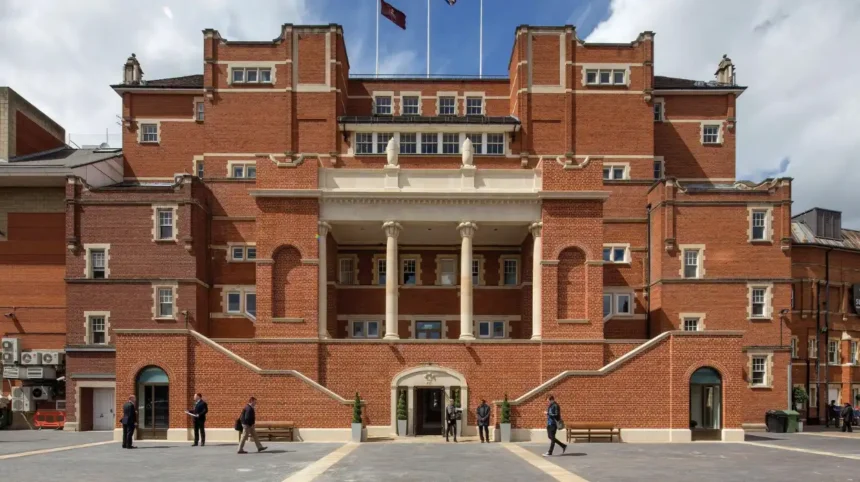
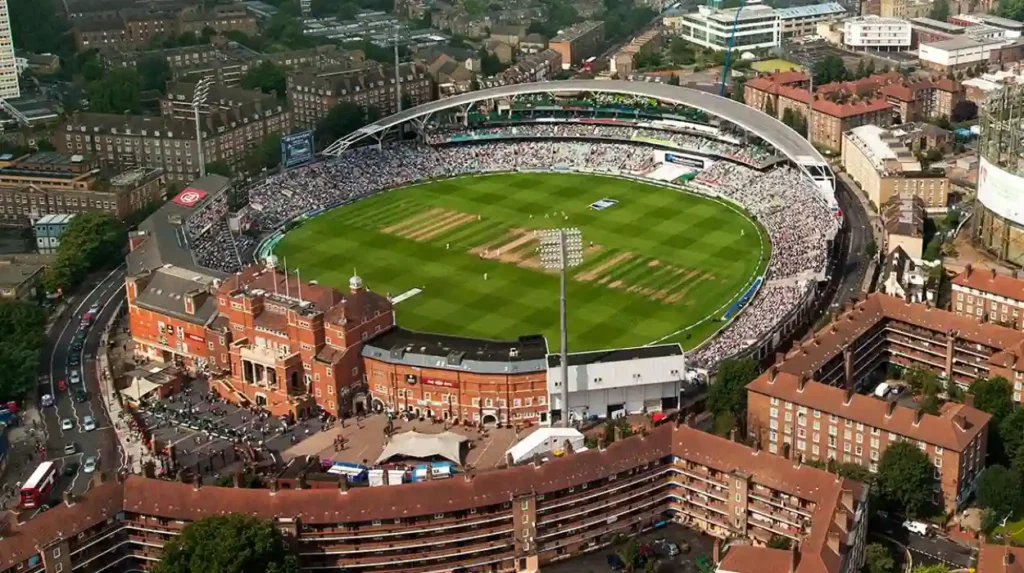
The Kia Oval is one of Lambeth’s most important sporting attractions because it has been the home of Surrey County Cricket Club since 1845. The ground has hosted international cricket since 1880 and is closely associated with the origins of the Ashes.
The Kia Oval is located in Kennington, close to Oval Underground station. It is one of the most recognisable cricket venues in England and an important destination for visitors interested in British sporting history.
Surrey County Cricket Club was formed in 1845. The club established its home at The Oval during the same year, creating a sporting institution that has remained closely connected with Kennington.
The ground’s history includes county cricket, international matches and major domestic competitions. Its development reflects the expansion of cricket from organised nineteenth-century club competition into a major spectator sport.
What Historical Cricket Events Took Place at The Oval?
The Oval has played an important role in several significant developments in international cricket.
International cricket began at the ground in 1880. The venue subsequently became associated with one of cricket’s most famous rivalries.
In 1882, Australia defeated England at The Oval. The result inspired the creation of the Ashes, one of the most recognised trophies and rivalries in international sport.
The history of Surrey County Cricket Club also contributes to the ground’s importance. Surrey won its first County Championship in 1890 and established a particularly successful period between 1952 and 1958.
During those seven consecutive seasons, Surrey won the County Championship every year. The club’s later achievements include becoming the first winners of the Twenty20 Cup in 2003.
These milestones demonstrate the ground’s importance to both domestic and international cricket.
What Can Visitors Experience at the Kia Oval?
Visitors can experience the stadium through cricket matches, organised tours and selected non-matchday activities.
A stadium tour provides an opportunity to explore the venue’s sporting history, facilities and architecture. Depending on the tour programme, visitors can discover areas associated with professional cricket, including the Members’ Pavilion and commentary facilities.
The stadium also contains historical displays and memorabilia connected with Surrey cricket and international competitions.
During the cricket season, spectators can attend county matches and international fixtures. The programme includes different formats, such as:
- Test cricket, involving five days of scheduled play.
- One-day international cricket, played over a single day.
- Twenty20 cricket, featuring two innings of 20 overs each.
- County Championship cricket, involving Surrey and other English county teams.
The availability of matches and tours depends on the stadium calendar.
Why Are the Historic Gas Holders Important?
The gas holders overlooking The Oval form a distinctive part of the stadium’s surroundings.
These industrial structures have been associated with the ground since 1853. Their presence reflects the industrial development of nineteenth-century South London and gives the stadium a recognisable architectural setting.
The relationship between the cricket ground and surrounding industrial infrastructure demonstrates how sporting venues developed within expanding urban neighbourhoods.
The Kia Oval therefore represents more than a cricket stadium. It provides an opportunity to explore the relationship between professional sport, local industry and the growth of Kennington.
Official historical information is available through Surrey County Cricket Club’s history collection at the Kia Oval website.
How Does Kennington Park Connect Visitors With Early Cricket History?
Kennington Park connects visitors with Lambeth’s early sporting history through its association with Kennington Common, where recorded cricket matches took place during the eighteenth century. Its modern cricket facilities continue the area’s long-standing relationship with outdoor recreation.
Kennington Park provides an important historical connection between early cricket and modern public recreation.
The park occupies the former site of Kennington Common, an open area that historically served several community purposes. Before its conversion into a public park, the common provided space for grazing, gatherings and outdoor activities.
Cricket became one of its most significant sporting associations.
When Did Cricket Begin on Kennington Common?
Recorded cricket matches took place on Kennington Common during the eighteenth century.
One of the earliest documented matches occurred on 18 June 1724, when London Cricket Club played against Dartford.
Another historically significant match took place on 12 July 1731. Local historical research identifies this as the earliest known cricket match played within an enclosed ground.
The match advertisement instructed spectators to remain outside the roped playing area. This provides an interesting historical connection with the development of organised boundaries around cricket grounds.
These early matches demonstrate that Kennington had a sporting identity long before Surrey County Cricket Club established its home at The Oval.
What Sporting Activities Are Available at Kennington Park Today?
Kennington Park combines historical landscapes with facilities for modern recreation.
The park includes sports pitches, tennis courts and open spaces. Its extension provides additional ground for cricket and other grass-based activities.
The available facilities support different forms of recreation, including:
- Cricket on designated grass areas.
- Football on artificial sports pitches.
- Netball on designated sports courts.
- Tennis on outdoor courts.
- Walking and informal physical activity along the park’s paths.
Kennington United Cricket Club also maintains the area’s connection with local cricket through community participation and training activities.
The park’s facilities demonstrate how historic public spaces continue to support organised sport and everyday recreation.
What Other Historical Features Can Visitors Explore?
Kennington Park contains several historical features that help visitors understand its development.
The park was established in 1854 following the transformation of Kennington Common. Its original landscape included paths, planted areas and formal recreational spaces.
The Prince Consort Lodge is another notable feature. The structure is associated with Prince Albert’s model housing designs and reflects Victorian approaches to social improvement.
The restored Old English Flower Garden adds another historical element to the park.
Visitors can combine sporting exploration with an understanding of Victorian public park design, urban development and community recreation.
The relationship between Kennington Park and The Oval also makes the area suitable for a sporting heritage walk.
Why Is Herne Hill Velodrome Significant to Lambeth’s Sporting Heritage?
Herne Hill Velodrome is significant to Lambeth’s sporting heritage because it opened in 1891 and became one of Britain’s historic track cycling venues. It hosted cycling competitions during the 1948 London Olympics and continues to support community cycling today.
Herne Hill Velodrome is one of the most historically significant cycling facilities in South London.
The venue opened in 1891 and developed during a period when organised cycling was becoming increasingly popular across Britain.
A velodrome is a purpose-built cycling facility featuring a banked track designed for racing. Its layout allows cyclists to maintain speed while navigating curved sections of the circuit.
Herne Hill Velodrome has retained its sporting purpose for more than a century. Its continued operation connects historic cycling traditions with modern community participation.
What Happened at Herne Hill Velodrome During the 1948 Olympics?
Herne Hill Velodrome played an important role in the London 1948 Olympic Games.
The venue hosted several track cycling events, including:
- The kilometre time trial.
- Match sprint.
- Tandem match sprint.
- Team pursuit.
The 1948 Games took place in London following the Second World War. They became known as the Austerity Olympics because Britain and other participating countries faced post-war economic restrictions.
Herne Hill’s selection demonstrated the international sporting importance of the existing cycling venue.
The velodrome is also recognised as the oldest remaining venue associated with the 1948 Olympic Games.
Its Olympic history makes it an important destination for visitors interested in cycling, sporting architecture and London’s post-war sporting development.
How Has Herne Hill Velodrome Changed Since 1891?
The facility has undergone several changes while retaining its historic identity.
During the 1920s and 1930s, the venue attracted large crowds for cycling competitions. Its Good Friday Meeting became an established event in the British cycling calendar.
The 1948 Olympics strengthened its international reputation.
During the 1990s, the track was remodelled into a 450-metre circuit with steeper banking and a revised surface.
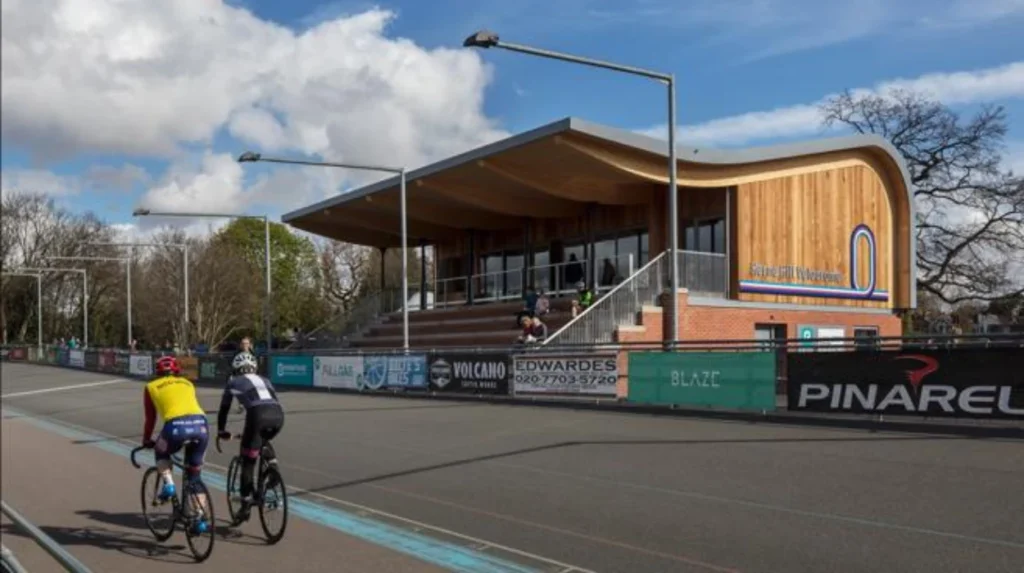
The venue later faced concerns about the condition of its facilities. A major refurbishment programme between 2011 and 2017 helped secure its future.
The improvements included work on the track, floodlighting and a new pavilion.
The pavilion provides facilities for cyclists and visitors while supporting the wider community use of the site.
Can Visitors Experience Cycling at Herne Hill Velodrome?
Herne Hill Velodrome continues to offer cycling opportunities for different experience levels.
Its facilities include a 450-metre outdoor banked track, a multi-use games area and facilities for mountain biking and cyclocross.
Cyclocross is a form of bicycle racing that combines paved surfaces, grass, mud and obstacles.
The venue offers organised cycling sessions and activities for different age groups and abilities. Programmes include track cycling, road cycling and off-road riding.
Visitors should check the official venue calendar before travelling because public access, training sessions and events operate according to scheduled arrangements.
The velodrome’s location at 104 Burbage Road also makes it accessible from Herne Hill and North Dulwich railway stations.
Its sporting history demonstrates the importance of preserving historic facilities while adapting them to contemporary community needs.
What Makes Brixton Recreation Centre a Landmark in Community Sport?
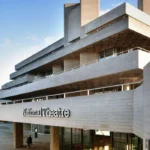
Brixton Recreation Centre is a landmark in Lambeth’s sporting history because it introduced a major multi-purpose public sports facility into the heart of Brixton. Its distinctive Grade II listed architecture represents an important period in post-war urban planning and community recreation.
Brixton Recreation Centre is one of Lambeth’s most recognisable examples of modern sporting architecture.
The building was designed in 1970 by a team led by architect George Finch for Lambeth Borough Council. Ove Arup and Partners acted as consulting engineers.
Construction started in 1974 and was completed in 1985. The project formed part of a wider redevelopment strategy intended to create a new town centre for Brixton.
Historic England added the building to the Grade II list on 28 October 2016. This designation recognises its architectural and historical significance.
Why Was Brixton Recreation Centre Built?
The recreation centre formed an important part of plans to improve Brixton’s town centre.
During the twentieth century, urban redevelopment created demand for public facilities that supported recreation, social activity and everyday services.
The centre was planned as a central hub within a wider development scheme. Its location beside Brixton Station Road placed sports and recreation facilities close to transport connections, shops and residential neighbourhoods.
The original design included a combination of sporting spaces and commercial facilities.
Construction experienced substantial delays caused by financial difficulties, labour disputes and changing building requirements. Lambeth Borough Council eventually took control of the project during the construction period.
The completed building became an important example of public-sector investment in community leisure infrastructure.
What Sports Facilities Does the Building Represent?
Brixton Recreation Centre was designed around a multi-purpose approach to physical activity.
Its six-level structure includes an internal atrium connecting different parts of the building. The pool hall and other recreational spaces form important components of the architectural design.
Historical records and photographs document facilities including:
- Swimming facilities for indoor aquatic recreation.
- Sports halls for organised indoor activities.
- Indoor football facilities.
- Climbing facilities integrated into the building’s atrium.
- Spaces supporting general physical activity.
The design demonstrates how a single public building can accommodate different sporting activities within a dense urban environment.
Visitors interested in architecture can also examine the building’s exposed concrete features, red brick cladding and carefully arranged internal spaces.
Why Is Its Grade II Listing Important?
Grade II listing recognises buildings of special architectural or historic interest.
Historic England identifies Brixton Recreation Centre as an important example of late twentieth-century public architecture.
The building’s significance comes from its design, construction and relationship with Brixton’s redevelopment.
Its central atrium, sculptural concrete elements and integration of sports facilities distinguish it from conventional leisure buildings.
The listing also highlights the historical importance of public recreation infrastructure. Buildings created to support everyday sporting participation can become significant parts of a neighbourhood’s architectural heritage.
Visitors exploring Brixton can combine the recreation centre with nearby markets, public spaces and cultural attractions.
How Does Streatham Ice and Leisure Centre Represent Modern Sporting History?
Streatham Ice and Leisure Centre represents modern sporting history through its combination of indoor ice skating, swimming, fitness training and community recreation. Opened in November 2013, the facility continues Streatham’s association with organised leisure and indoor sport.
Streatham Ice and Leisure Centre is an important destination for visitors interested in the development of modern sports facilities in Lambeth.
The centre opened in November 2013 as part of a major investment in the borough’s leisure infrastructure.
Its construction continued the area’s connection with ice skating and indoor recreation. The facility provides an Olympic-sized indoor ice rink alongside swimming pools, a gym and sports facilities.
The centre is managed by Lambeth Council through its Active Lambeth service.
What Facilities Are Available at Streatham Ice and Leisure Centre?
The centre combines several sporting facilities within one building.
Its main features include:
- An Olympic-sized indoor ice rink.
- A 25-metre swimming pool with six lanes.
- A 13-metre teaching pool.
- A fully equipped gym with approximately 100 exercise stations.
- Fitness studios and group exercise spaces.
- A multi-sport indoor hall.
- Facilities for children’s activities.
These facilities support different forms of participation, from recreational swimming to organised fitness training and ice skating lessons.
The ice rink is particularly important because it provides an indoor venue for public skating and organised ice sports.
Ice hockey is another activity associated with the facility.
Why Is Ice Skating Part of Streatham’s Sporting Identity?
Streatham has a long association with indoor ice sports.
The original Streatham Ice Arena opened in 1931 and became an established venue for ice skating and ice hockey.
It hosted public skating sessions and organised sporting activities for generations of local residents.
The original rink eventually closed in 2011. The modern leisure centre opened in 2013, providing a new indoor facility for the area.
This development illustrates how historic sporting traditions continue through investment in modern facilities.
The replacement centre retained the importance of ice skating within Streatham’s leisure provision while introducing additional opportunities for swimming and fitness.
How Can Visitors Use the Centre?
Visitors can participate in public ice skating sessions, swimming activities and selected fitness programmes.
Ice skating lessons provide opportunities for beginners to develop balance and skating skills. Experienced participants can explore sessions according to their ability and the centre’s programme.
Swimming facilities accommodate recreational swimming and structured lessons.
The gym and fitness studios support individual exercise and group training.
Visitors should check Active Lambeth for current opening hours, booking arrangements, lesson availability and session prices before travelling.
The centre is located on Streatham High Road, making it accessible through local bus services and Streatham railway connections.
Which Lambeth Parks Preserve the Borough’s Tradition of Outdoor Sport?
Lambeth’s parks preserve the borough’s sporting traditions by providing open spaces for cricket, football, tennis, running and informal exercise. Kennington Park, Myatt’s Fields and Brockwell Park demonstrate how public green spaces support community recreation.
Public parks form an important part of Lambeth’s sporting heritage. They provide outdoor spaces for organised clubs, informal exercise and community events.
Unlike stadiums and indoor recreation centres, parks allow residents and visitors to participate in physical activity without requiring access to specialist buildings.
Their development also reflects the growth of public recreation during the nineteenth and twentieth centuries.
What Sporting History Can Visitors Discover at Brockwell Park?
Brockwell Park is one of the borough’s most recognised public parks.
The park covers approximately 50 hectares and provides extensive green space for outdoor recreation.
Its facilities and open areas support activities including walking, running, informal ball games and community fitness.
The park’s sporting identity is also associated with the Brockwell Lido, an outdoor swimming facility that opened in 1937.
The lido is an important example of twentieth-century public swimming infrastructure.
Its Art Deco architecture reflects the design preferences of the period, while its continued operation demonstrates the lasting popularity of outdoor swimming.
Visitors can explore the park’s open landscapes, historic buildings, gardens and swimming facilities.
Why Is Myatt’s Fields Park Relevant to Community Recreation?
Myatt’s Fields Park provides another example of the relationship between public green spaces and community recreation in Lambeth.
The park was created following a donation of land by William Minet in the nineteenth century. It opened to the public in 1889.
Its design included landscaped gardens, open areas and recreational features.
Today, the park supports walking, informal exercise, community activities and outdoor leisure.
Its history demonstrates how philanthropic contributions and public investment helped establish recreational spaces for growing urban populations.
Visitors interested in Lambeth’s sporting development can examine how these parks provide accessible alternatives to ticketed sporting venues.
How Do Lambeth’s Parks Support Modern Physical Activity?
Public parks provide different opportunities for outdoor physical activity.
These include:
- Running and jogging along established paths.
- Walking and general fitness activities.
- Informal football and other ball games.
- Outdoor community exercise.
- Family recreation and active play.
Brockwell Park and Kennington Park provide particularly useful examples of how green spaces accommodate different recreational needs.
Public parks also contribute to urban wellbeing by providing space for physical activity, social interaction and contact with nature.
Their continued importance demonstrates that sporting heritage does not depend exclusively on famous stadiums or professional competitions.
Which Historic Sporting Clubs Help Define Lambeth’s Community Identity?
Historic sporting clubs help define Lambeth’s community identity by connecting local residents with organised competition, coaching and youth development. Brixton Topcats provides a notable example of the borough’s basketball heritage and the importance of accessible community sport.
Lambeth’s sporting heritage includes community organisations that developed outside traditional professional stadiums.
These clubs provide opportunities for participation, structured training and social development.
Basketball is particularly significant in Brixton, where local organisations have established long-standing connections with young people and neighbourhood communities.
What Is the History of Brixton Topcats?
Brixton Topcats was officially formed in 1985.
The club was founded and led by Jimmy Rogers, a respected community leader in British basketball.
Its roots and community activities reflect the importance of providing structured sporting opportunities for young people in Brixton.
The organisation’s stated objectives include supporting physical recreation and personal development through basketball.
Its programmes connect sporting participation with education, confidence and wider community involvement.
The club has developed a reputation within English basketball and has contributed to the development of players and community coaches.
How Does Community Basketball Contribute to Lambeth’s Sporting Heritage?
Community basketball represents an important development in the borough’s sporting identity.
Traditional British sporting heritage often focuses on cricket, football and rugby. However, the growth of basketball organisations demonstrates the changing character of community sport.
Brixton Topcats provides opportunities for young players to develop technical skills, understand team competition and participate in organised sporting programmes.
Basketball also requires relatively limited playing space compared with some outdoor sports, making it suitable for urban recreation centres and indoor sports halls.
Its development in Brixton demonstrates how local sporting organisations respond to the interests and needs of changing communities.
Can Visitors Explore Community Sporting Organisations?
Visitors interested in local sporting culture can investigate the work of Brixton Topcats through its official club information.
Organised activities and training sessions operate according to club arrangements.
It is important to check directly with the organisation before visiting, as community training facilities are not necessarily open as conventional tourist attractions.
For visitors researching the borough’s sporting history, the club provides an example of how community organisations contribute to local sporting identity beyond major international events.
How Can Visitors Explore Lambeth’s Sporting Landmarks in One Day?
Visitors can explore Lambeth’s sporting landmarks through a walking and public transport itinerary connecting Kennington, Brixton, Herne Hill and Streatham. The route combines historic cricket, community recreation, cycling heritage and modern indoor sporting facilities.
Lambeth’s sporting attractions are spread across several neighbourhoods. A planned itinerary helps visitors understand the borough’s sporting development without spending unnecessary time travelling between locations.
A practical visit can begin in Kennington and continue south towards Brixton and Herne Hill.
Which Sporting Attractions Should Visitors Visit First?
The following route provides a useful introduction to Lambeth’s sporting heritage.
1. Kia Oval, Kennington
Begin at the Kia Oval to explore Surrey County Cricket Club’s history. Visitors can investigate stadium tours, cricket memorabilia and the ground’s association with international cricket.
2. Kennington Park
Continue towards Kennington Park to explore the historic location of eighteenth-century cricket matches. The park also provides opportunities to examine Victorian landscaping and modern outdoor recreation.
3. Brixton Recreation Centre
Travel towards Brixton to see the Grade II listed recreation centre. Its architecture illustrates the development of public sporting facilities during the twentieth century.
How Should Visitors Plan Their Sporting Heritage Trip?
Visitors should check opening arrangements before travelling.
Some attractions operate as public parks, while others require advance booking or scheduled sessions.
The Kia Oval offers organised tours according to its published calendar. Herne Hill Velodrome operates organised cycling activities and events. Brixton Recreation Centre and Streatham Ice and Leisure Centre provide facilities subject to their individual booking and access arrangements.
Public transport is useful for travelling between neighbourhoods. Kennington, Oval, Brixton, Herne Hill and Streatham have connections through London’s Underground, railway and bus networks.
Visitors should also allow additional time for walking around public parks and exploring the surrounding neighbourhoods.
Explore More Area Guide
Best Live Theatre Venues in Lambeth, South London
Historic House of Reeves Added to Heritage at Risk Register Croydon 2026
How Can Lambeth’s Sporting Heritage Be Preserved for Future Generations?
Lambeth’s sporting heritage can be preserved through historic building protection, investment in public recreation facilities, community sports programmes and the documentation of local sporting organisations. These activities maintain access to sporting history while supporting future participation.
Lambeth’s sporting attractions represent different stages of British sporting development. Their preservation requires attention to both historic buildings and the organisations that continue to use sporting facilities.
The Kia Oval demonstrates the importance of maintaining established professional sporting venues. Herne Hill Velodrome shows how historic facilities can remain operational through restoration and community investment.
Brixton Recreation Centre demonstrates the architectural value of public recreation infrastructure, while Kennington Park illustrates the lasting importance of accessible outdoor sporting spaces.
Why Is Sporting Heritage Important to Local Communities?
Sporting heritage helps communities understand how recreational activities developed within their neighbourhoods.
Historic grounds provide evidence of changing sporting rules, competition formats and public participation.
Community organisations preserve knowledge that is not always represented in professional sporting records. Brixton Topcats, for example, demonstrates the contribution of local basketball organisations to youth development and community participation.
Public parks and leisure centres also provide spaces where sporting traditions continue through everyday activities.
These connections make sporting heritage relevant to residents, researchers, families and visitors.
What Role Do Historical Archives Play?
Historical archives provide evidence of sporting developments that are not always visible in modern buildings.
Lambeth Archives holds photographs, documents, maps and records relating to local organisations and the borough’s development.
These resources help researchers investigate the history of sporting venues, community clubs and public recreation programmes.
Historic England also documents the architectural significance of important sporting buildings, including Brixton Recreation Centre.
Such records support heritage research and help establish the historical significance of buildings and places.
What Is the Future of Sporting Attractions in Lambeth?
The future of Lambeth’s sporting attractions depends on maintaining historic facilities while responding to changing recreational needs.
Modern sports centres increasingly combine traditional activities with fitness programmes, inclusive recreation and specialist training.
Herne Hill Velodrome demonstrates the continued relevance of historic cycling infrastructure. Streatham Ice and Leisure Centre shows how modern investment can maintain a local sporting tradition.
Public parks remain equally important because they provide accessible outdoor spaces for different age groups and abilities.
Investment in building maintenance, accessible facilities, community coaching and historical documentation will help preserve Lambeth’s sporting identity.
The borough’s sporting attractions therefore have two important functions: they preserve the history of earlier generations and provide opportunities for future generations to participate in sport.
What Historical Connections Should Visitors Understand Before Exploring Lambeth’s Sporting Attractions?
Visitors should understand that Lambeth’s sporting attractions represent different periods of British history. Kennington connects eighteenth-century cricket with professional county competition, while Herne Hill represents Olympic cycling and Brixton illustrates the growth of modern community recreation.
Lambeth’s sporting history is not restricted to one activity or one famous venue. It developed through public spaces, sporting clubs, international competitions and investment in community facilities.
The Kia Oval provides an international perspective through Surrey County Cricket Club and the Ashes. Kennington Park connects modern recreation with early cricket on Kennington Common.
Herne Hill Velodrome preserves the history of competitive cycling and the 1948 Olympics. Brixton Recreation Centre demonstrates the importance of public sporting architecture, while Streatham Ice and Leisure Centre maintains the area’s ice skating tradition.
These places also connect with wider neighbourhood histories. As you explore the modern sporting sites, you are crossing land shaped by centuries of social and urban development. Read about the full [Insert Anchor Text for Lambeth’s Historical Development Article Here] to understand the borough’s origins and how its neighbourhoods evolved.
For tourists and leisure travellers, these attractions provide a way to explore Lambeth beyond conventional sightseeing. They offer opportunities to discover historic architecture, attend sporting activities, visit public parks and understand the contribution of local organisations.
Lambeth’s sporting heritage remains visible through the places where cricket, cycling, swimming, basketball and outdoor recreation continue to bring communities together.
What are the main sporting attractions in Lambeth?
Lambeth’s main sporting attractions include the Kia Oval, Kennington Park, Herne Hill Velodrome, Brixton Recreation Centre, Brockwell Park and Streatham Ice and Leisure Centre. These locations represent cricket, cycling, swimming and community sports.