South London is a historically rich and culturally vibrant area of London, defined by its unique development shaped by geography, transportation, and diverse communities. It emerged as a significant settlement due to the presence of the first permanent River Thames crossing, London Bridge, linking it directly to the City of London to the north. South London encompasses several boroughs and districts, each with its own distinct identity, yet all connected by the story of transformation from farmland and Roman villas to a bustling urban hub over centuries.
Historical Origins and Early Development
South London’s origins trace back to the Roman era when Londinium was established around AD 50. Southwark, in particular, played an important role as a Roman settlement with villas, inns, and fisherfolk communities. The River Thames facilitated trade and travel, making Southwark a natural gateway southwards via the bridge connecting to Dover and continental routes. This strategic importance made it the target of Boudicca’s rebellion, which saw the destruction of Londinium and Southwark around AD 60 in retaliation against Roman rule.
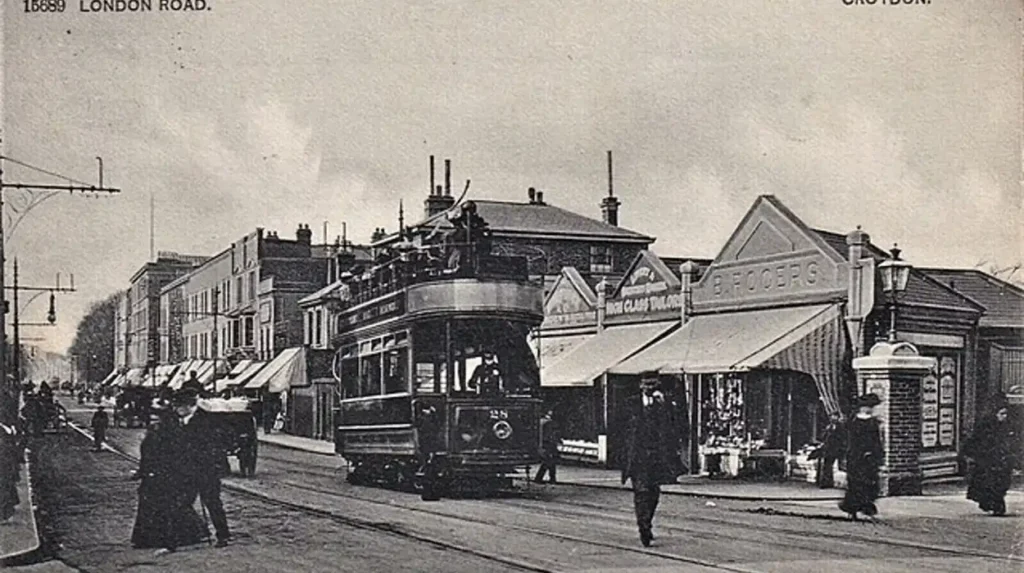
In the medieval period, Southwark was known as Suthriganaweorc, or the fortress of the men of Surrey, and was integrated into Alfred the Great’s military system to defend against Viking invasions. It grew into an incorporated borough by 1295 and maintained a distinctive legal and administrative presence till the 19th century. Its incorporation in the City of London from 1550–1899 further tied its fortunes to London’s commercial and civic life. The area developed slowly as urbanization expanded southwards following the construction of the London and Greenwich Railway in 1836 and other transport links in the 19th century.
Urban Growth and Transportation
South London’s growth was historically slower compared to north of the Thames due to the river barrier and limited crossings. London Bridge remained the only permanent crossing over the Thames until several other bridges and transport infrastructure appeared in the 18th and 19th centuries, opening up South London for expanded residential and commercial development. The London and Greenwich Railway was among the first urban railways in the London area, significantly improving access and connectivity.
The industrial revolution led to profound changes, with South London evolving from primarily rural landscapes and market towns into dense urban districts. This growth was punctuated by events like the great fire of Southwark in 1861, which destroyed large parts of the area but also paved the way for redevelopment including landmarks like Hay’s Galleria. By the 20th century, South London was fully integrated into the capital’s metropolitan framework, yet retained a strong sense of local character.
Cultural and Social Fabric
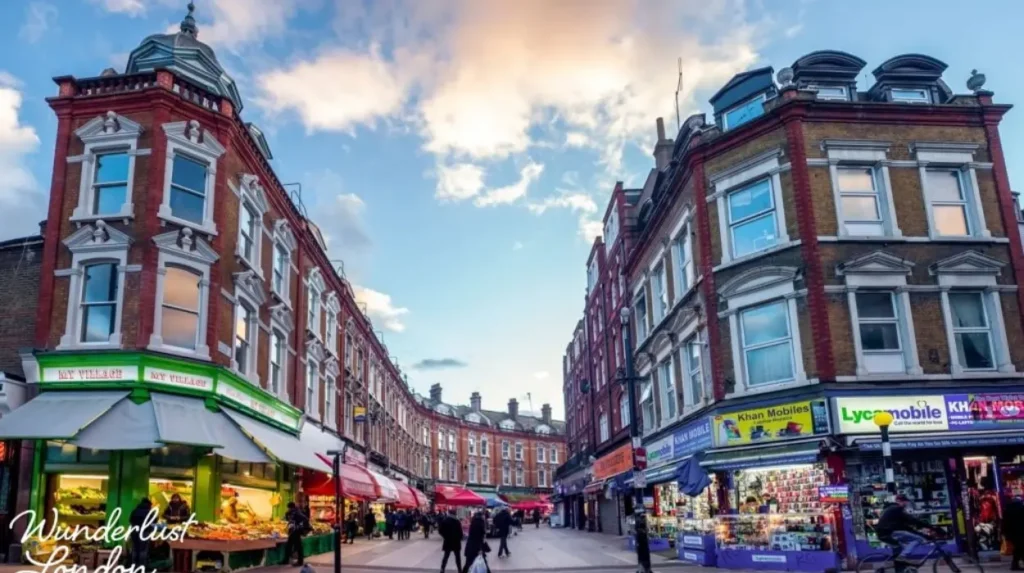
South London is a mosaic of cultural identities and traditions, shaped by waves of migration and economic change. Its boroughs—such as Lambeth, Southwark, Lewisham, and Croydon—each have their own festivals, community centers, and arts scenes that contribute to the rich cultural mosaic. The South London Gallery, for instance, has been a vital institution for contemporary art for more than 125 years, hosting exhibitions, performances, and educational programs that engage the community.
The area is renowned for its diverse culinary scene, vibrant markets, and historic pubs, many located along the Thames riverside in areas like Bermondsey and Greenwich. Parks and green spaces like Dulwich Park and Crystal Palace Park offer a natural retreat within the urban sprawl, supporting both recreation and biodiversity. Educational institutions and community groups play a central role in maintaining social cohesion and promoting cultural heritage.
Key Attractions and Landmarks
South London boasts an array of landmarks that reflect its layered history and modern vibrancy. Besides London Bridge, the Tower Bridge at the eastern end marks a symbolic gateway. The historic Borough Market attracts food lovers worldwide, offering fresh produce and artisanal products in a setting dating back centuries. The Shard, one of London’s tallest skyscrapers, has reshaped the skyline and represents the modern economic vitality of South London.
Historic sites like Bermondsey Abbey, the remains of medieval structures in Southwark, and the Cutty Sark ship museum in Greenwich showcase the area’s enduring legacy. The Tate Modern art gallery, housed in a former power station on the South Bank, combines industrial history with contemporary culture, drawing millions of visitors annually. Together, these landmarks provide a rich tapestry that tells South London’s story from ancient times through to the present day.