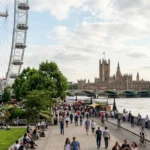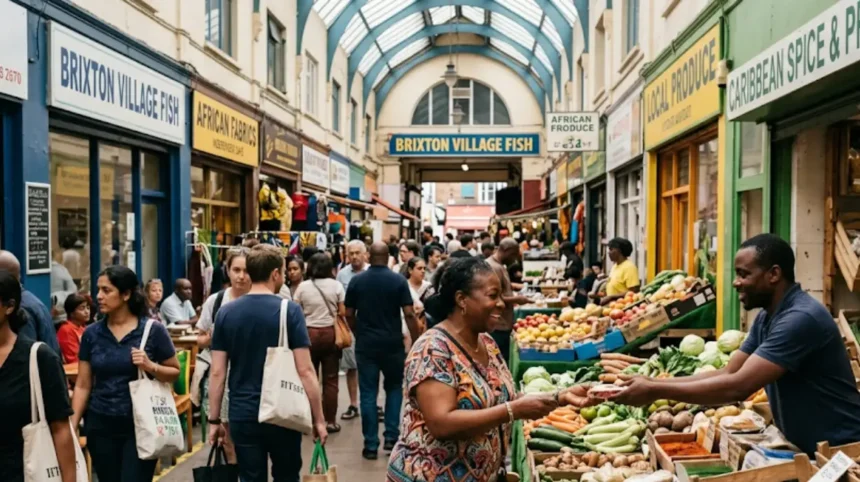
Visitors experience authentic local life in Lambeth by exploring its independent markets, community-run green spaces, neighbourhood high streets, cultural venues, and local events that showcase the borough’s diverse residents and heritage. Lambeth, a central London borough on the south bank of the River Thames, combines historic landmarks with vibrant contemporary culture. From Brixton Market to Brockwell Park, from the Southbank Centre to Vauxhall’s independent cafés, the area offers layered experiences that connect travellers with everyday London life beyond the main tourist trail.
- What defines “local life” experiences in Lambeth?
- Which neighbourhoods offer the most authentic local experiences?
- Where can visitors explore independent markets and local food scenes?
- Which parks and green spaces host community activities?
- What cultural venues showcase everyday arts and community programming?
- Where can visitors join local events and festivals throughout the year?
- Which independent cafés, pubs, and work-friendly hubs support digital nomads?
- How do community centres and local hubs facilitate visitor engagement?
- What transport links and accessibility features support local exploration?
- Which hidden local spots do residents recommend for authentic experiences?
- What practical tips ensure respectful and meaningful local engagement?
- How does Lambeth’s history shape its modern local life offerings?
What defines “local life” experiences in Lambeth?
Local life in Lambeth means everyday activities, community spaces, independent businesses, and cultural events where residents live, work, socialise, and celebrate their heritage. It is not confined to sightseeing but includes participation in the rhythms of neighbourhoods: shopping at markets, walking in parks, attending local festivals, using libraries and leisure centres, and dining in independent venues.
Lambeth spans neighbourhoods including Waterloo, Southbank, Vauxhall, Kennington, Lambeth, Stockwell, Brixton, Streatham, and parts of Clapham and Wandsworth Road. Each area has distinct character. Brixton is known for Caribbean culture, music, and street food. Waterloo and Southbank host major arts venues alongside independent cafés and bookshops. Vauxhall mixes business districts with riverside walks and local pubs. Brockwell and Kennington Parks anchor community recreation.
The borough hosts over 300,000 residents and welcomes millions of visitors annually. Its cultural institutions, including the Southbank Centre, Tate Modern, Florence Nightingale Museum, and Imperial War Museum, draw global audiences. Yet the most authentic local experiences lie in the everyday: a Saturday trip to Brixton Village, a coffee in a Lower Marsh independent café, a walk through Brockwell Park, or a community event at a local library.
Which neighbourhoods offer the most authentic local experiences?
Brixton, Waterloo, Vauxhall, Kennington, and Lambeth village each offer distinct, authentic local experiences through their independent shops, markets, parks, cafés, and community venues. These areas combine accessibility with strong local identities.
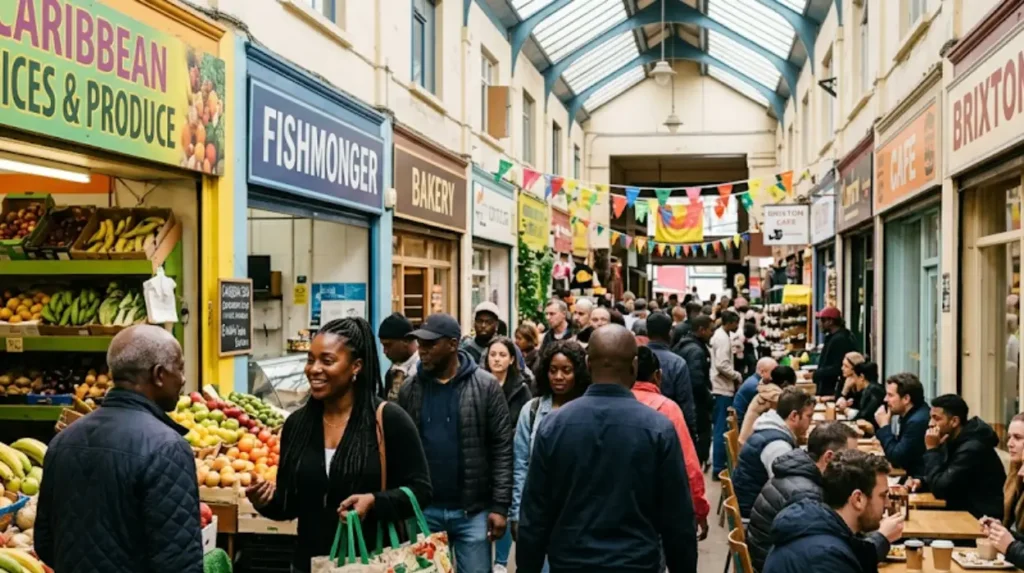
Brixton centres on Electric Avenue and Brixton Village Market, a covered food market with Caribbean, African, and global street food. It hosts the annual Brixton Food Festival and regular live music. The surrounding streets feature independent record shops, vintage clothing stores, and community art projects.
Waterloo and Southbank mix major cultural venues with local life. Lower Marsh, near Waterloo Station, hosts independent cafés, bookshops, and weekend markets. The area around Leake Street Arches includes street art, skate culture, and independent creative businesses.
Vauxhall balances business and residential life. Its riverside paths, independent cafés, and local pubs offer quieter alternatives to central tourist zones. Kennington and Lambeth village feature stately gardens, historic churches, and quiet residential streets alongside landmarks like Lambeth Palace and the Garden Museum.
Where can visitors explore independent markets and local food scenes?
Brixton Village Market, Lower Marsh Market, and Vauxhall Food Quarter provide the most direct access to Lambeth’s independent food and retail scene, where residents shop, eat, and socialise daily. These markets operate year-round and reflect the borough’s diversity.
Brixton Village Market, in the heart of Brixton, features over 40 independent traders. Stalls and small units serve Caribbean patties, West African jollof rice, Ethiopian coffee, artisan bread, and vegan street food. The market operates daily, with peak activity on weekends. Nearby, Electric Avenue hosts independent butchers, fishmongers, and spice shops.
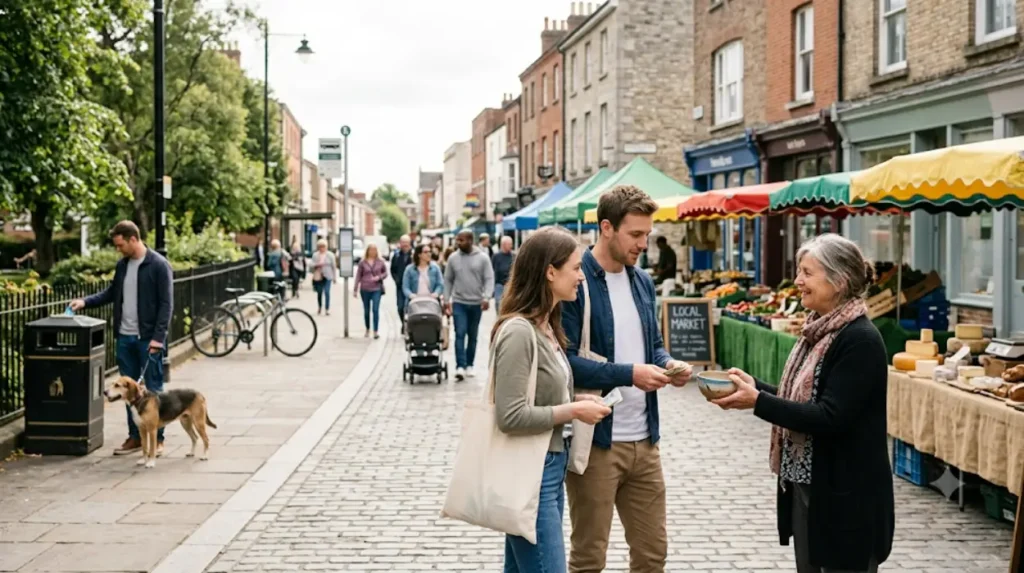
Lower Marsh Market, near Waterloo Station, runs on weekends and offers street food, vintage clothing, handmade crafts, and local produce. It attracts local families, students, and creatives. The surrounding streets host independent cafés, bookshops, and galleries.
Vauxhall Food Quarter, developing around Vauxhall Station, includes independent cafés, bakeries, and specialty food shops. The area’s riverside location adds walking routes and outdoor seating.
Which parks and green spaces host community activities?
Brockwell Park, Kennington Park, Lambeth Palace Garden, and St Mary’s Church Gardens host regular community events, sports, and leisure activities that reflect how residents use green space. These spaces are free or low-cost and open year-round.
Brockwell Park, in Herne Hill, spans 50 hectares and includes sports pitches, a lido, tennis courts, and a community café. It hosts the annual Lambeth Country Show, a free summer festival with live music, food stalls, and family activities. The park attracts local families, sports clubs, and event-goers.
Kennington Park, near Oval, features formal gardens, sports facilities, and a children’s playground. It hosts community fairs, outdoor fitness classes, and local festivals. The park’s proximity to the Oval cricket ground adds sporting heritage.
Lambeth Palace Garden, adjacent to the Archbishop of Canterbury’s official London residence, opens to the public on selected Fridays from April to September. Entry costs £5, with proceeds donated to charity. The 10-acre garden includes historic trees, lawns, and herbaceous borders.
St Mary’s Church Gardens, in front of the Garden Museum, offers a quiet riverside spot with benches and seasonal flowers. It is popular with local workers and residents seeking a midday break.
What cultural venues showcase everyday arts and community programming?
The Southbank Centre, Tate Modern, Brixton House Theatre, and local libraries offer regular arts programming, workshops, and events that engage residents and visitors in everyday cultural life. These venues combine world-class exhibitions with community-focused activities.
The Southbank Centre, on the Thames, includes the Royal Festival Hall, Queen Elizabeth Hall, and Purcell Room. It hosts over 2,000 events annually, including concerts, talks, and family workshops. Free entry areas and riverside terraces attract daily visitors.
Tate Modern, in Bankside, presents contemporary and modern art. Alongside major exhibitions, it offers free displays, family activities, and community projects. The museum’s public spaces and cafés host local gatherings.
Brixton House Theatre, in Brixton, produces local plays and community performances. It runs workshops for young people and hosts post-show discussions with local artists.
Lambeth libraries, including Waterloo, Brixton, and Vauxhall branches, offer free Wi-Fi, book clubs, children’s story times, and adult learning courses. They serve as community hubs for residents and visitors seeking local information.
Where can visitors join local events and festivals throughout the year?
Lambeth Country Show, Brixton Food Festival, Southbank Winter Market, and neighbourhood street fairs provide regular opportunities to join residents in celebrating local culture, food, and music. These events occur annually or seasonally and are open to the public.
Lambeth Country Show, held each July in Brockwell Park, attracts over 50,000 visitors. It features live music, food stalls, craft markets, and family activities. The 2025 programme included performances by British reggae group Aswad and displays from Vauxhall City Farm.
Brixton Food Festival, held annually in Brixton Village, celebrates Caribbean and global street food. It includes live music, cooking demonstrations, and local producer stalls.
Southbank Winter Market, running from November to January, hosts independent traders selling gifts, street food, and crafts. It attracts local residents and visitors seeking seasonal shopping.
Neighbourhood street fairs, including Stockwell and Kennington community days, offer local music, food, and activities. These events are organised by resident associations and local councils.
Which independent cafés, pubs, and work-friendly hubs support digital nomads?
Independent cafés in Lower Marsh, Vauxhall, and Brixton, along with co-working spaces and local pubs, provide work-friendly environments with Wi-Fi, power outlets, and community atmosphere. These venues cater to remote workers, freelancers, and business travellers.
Lower Marsh hosts independent cafés such as The Book Café and other specialty coffee shops. These venues offer quiet seating, Wi-Fi, and local art displays. They attract writers, students, and remote workers.
Vauxhall’s riverside cafés and independent pubs provide work-friendly spaces with views over the Thames. Many offer all-day coffee, light meals, and reliable internet.
Brixton’s independent cafés and co-working spaces, including those near Brixton Station, cater to digital nomads. They combine productivity with proximity to markets, music venues, and transport links.
Local pubs, including those in Kennington and Lambeth village, offer daytime seating, food, and a relaxed atmosphere. They serve as informal meeting points for residents and visitors.
How do community centres and local hubs facilitate visitor engagement?
Community centres, libraries, and local hubs in Lambeth offer workshops, classes, and events that connect visitors with residents through shared activities and learning opportunities. These spaces are free or low-cost and open to all.
Lambeth Family Hubs, across the borough, provide advice, activities, and support for families. They host parenting workshops, children’s play sessions, and community events.
Local leisure centres, including Vauxhall, Brixton, and Kennington facilities, offer swimming, gym access, and fitness classes. They attract residents seeking affordable exercise and social interaction.
Vauxhall City Farm, a community-run urban farm, offers animal encounters, gardening workshops, and educational visits. It serves local schools and families, providing hands-on experiences with farm animals and sustainable practices.
What transport links and accessibility features support local exploration?
Lambeth is served by multiple Underground, Overground, and National Rail stations, along with buses and river services, enabling easy access to local neighbourhoods and attractions. Most key sites are within 10–15 minutes’ walk from major transport hubs.
Waterloo Station, one of London’s busiest, connects to the Bakerloo, Jubilee, Northern, and Waterloo & City lines, as well as National Rail services. It provides direct access to Lower Marsh, the Southbank, and Leake Street.
Brixton Station, on the Victoria Line, offers rapid connections to central London. It serves as the main gateway to Brixton Market and surrounding neighbourhoods.
Vauxhall Station, on the Victoria Line and National Rail, connects to the riverside, business district, and local cafés.
Lambeth North and Kennington stations, on the Bakerloo and Northern lines, provide access to Lambeth Palace, the Garden Museum, and residential streets.
Bus routes, including the 3, 36, 159, and P13, serve key neighbourhoods. Thames Clippers river services stop at Waterloo and Vauxhall, offering scenic travel options.
Explore More Area Guide
Best Seasonal Activities in Lambeth: Year-Round Guide
Best Historic Landmarks to Explore in Lambeth: Top Heritage Sites Guide
Which hidden local spots do residents recommend for authentic experiences?
Residents recommend Leake Street Arches, St Mary’s Church Gardens, Lambeth Walk, and independent bookshops as hidden local spots that offer authentic, low-key experiences away from main tourist routes. These locations reflect everyday life and local creativity.
Leake Street Arches, near Waterloo Station, host street art, graffiti, and independent creative businesses. The area includes skate culture, live music venues, and pop-up events.
St Mary’s Church Gardens, in front of the Garden Museum, provide a quiet riverside retreat with benches and seasonal flowers. It is popular with local workers and residents.
Lambeth Walk, a historic street in Lambeth village, features independent shops, cafés, and residential buildings. It connects to the Thames Path and offers views over the river.
Independent bookshops, including those in Waterloo and Brixton, host author events, book clubs, and local readings. They serve as cultural hubs for residents and visitors.
What practical tips ensure respectful and meaningful local engagement?
Visitors should respect local residents, support independent businesses, follow park and event guidelines, and engage with community spaces in a considerate manner to ensure meaningful local experiences. Simple actions enhance mutual respect and enjoyment.
Support independent traders by purchasing food, drinks, and crafts from local markets and shops. Avoid large group disruptions in residential areas.
Follow park rules, including dog control, litter disposal, and event guidelines. Respect quiet zones and private gardens.
Engage with community events by attending open sessions, asking permission before photographing residents, and participating in workshops.
Use public transport and walking to reduce congestion and support local accessibility.
How does Lambeth’s history shape its modern local life offerings?
Lambeth’s history as a centre of industry, transport, and cultural innovation shapes its modern local life through preserved landmarks, adaptive reuse of buildings, and community continuity in neighbourhoods. Historic sites coexist with contemporary culture.
As you explore the modern site, you are crossing land with a deep heritage. Read about the full [Lambeth historical background and heritage guide] to understand its origins.
Lambeth Palace, dating to the 13th century, remains the Archbishop of Canterbury’s official London residence. Its gardens and museum connect visitors to ecclesiastical history.
The Garden Museum, in St Mary’s Church, celebrates horticultural heritage and local gardening traditions.
Leake Street Arches, once part of Victorian railway infrastructure, now host street art and creative industries, reflecting adaptive reuse.
Brixton’s post-war Caribbean migration shaped its food, music, and community institutions, visible in markets, venues, and festivals.
Waterloo’s 19th-century rail and river transport legacy underpins its modern role as a cultural and transport hub.
These historical layers inform today’s local life, offering visitors context and continuity alongside contemporary experiences.
Where can visitors experience authentic local life in Lambeth?
Visitors can experience authentic local life by exploring neighbourhoods such as Brixton, Waterloo, Vauxhall, Kennington, and Lambeth village. Independent markets, cafés, parks, libraries, and community events provide everyday experiences beyond the main tourist attractions.