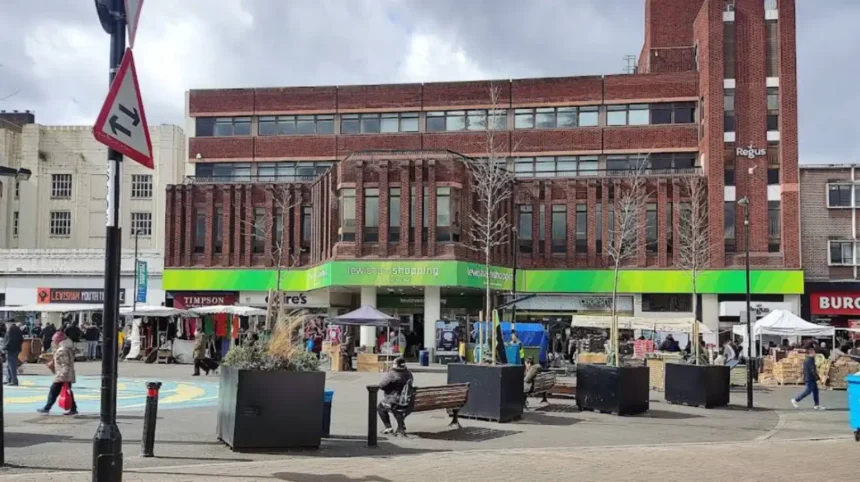
The London Borough of Lewisham, located in the southeast quadrant of Greater London, is experiencing a measurable surge in interest from domestic and international visitors. Historically recognized primarily as a residential transport hub, this municipality has systematically diversified its cultural, economic, and environmental assets. According to official data from the Office for National Statistics (ONS) and the Greater London Authority (GLA), outer London boroughs have captured an increasing share of the 189 million day visits recorded across the capital annually. This transition is driven by targeted municipal regeneration, a dense concentration of award-winning green infrastructure, and a highly accessible, authentic hospitality landscape that appeals directly to modern travelers, leisure seekers, and digital nomads.
- What Is driving Lewisham’s sudden appeal to modern tourists?
- Strategic Transport Infrastructure
- Cultural Capital and Creative Infrastructure
- The Growth of Independent Hospitality
- How does Lewisham’s history shape its current visitor experience?
- Maritime Heritage and the Royal Dockyard Legacy
- Architectural Landmarks and Civic Monuments
- Industrial Evolution to Creative Hubs
- What are the top green spaces and outdoor attractions in the borough?
- Where can travellers find the best food and markets in Lewisham?
- What makes Lewisham an ideal hub for digital nomads and remote workers?
- Specialized Co-Working Spaces
- Laptop-Friendly Café Culture
- Municipal Libraries and Public Study Spaces
- How is Lewisham preparing for the future of urban tourism?
What Is driving Lewisham’s sudden appeal to modern tourists?
Lewisham attracts modern tourists through its combination of high-speed transport links, diverse culinary destinations, and unique cultural assets. The borough offers lower accommodation overheads than central London while retaining direct transit to principal transit hubs like London Bridge and Charing Cross.
Strategic Transport Infrastructure
The primary structural mechanism driving visitor volume is the density of the local transit network. Lewisham is served by three distinct rail frameworks: National Rail, the Docklands Light Railway (DLR), and the London Overground network. Lewisham station operates as a major interchange, positioning passengers just 8 minutes from London Bridge station and 12 minutes from Cannon Street station via mainline services.
The DLR connects the northern sectors of the borough directly to Greenwich, Canary Wharf, and Bank station, facilitating frictionless transit for corporate travelers maximizing leisure hours. Furthermore, the London Overground network bisects New Cross, Deptford, and Brockley, establishing a direct transport corridor to East London creative districts such as Shoreditch and Hoxton. This interconnected grid enables visitors to establish a residential base in the borough while maintaining instantaneous accessibility to the wider metropolitan area.
Cultural Capital and Creative Infrastructure
The long-term legacy of the London Borough of Culture initiative has significantly elevated Lewisham’s regional profile. In 2022, the borough executed the “We Are Lewisham” campaign, which hosted 696 distinct events across local parks, street corners, and performance spaces, drawing an in-person audience of 436,294 participants. This extensive cultural activation secured over £4 million in inward investment, establishing a permanent baseline of creative programming.
The primary institutional driver within this creative network is the Albany theatre in Deptford, which operates as the borough’s arts and culture anchor organization. Concurrently, Goldsmiths, University of London, located in New Cross, consistently injects a global student population of over 10,000 individuals into the local ecosystem. This academic presence feeds a network of grassroots music venues, contemporary art galleries, and independent performance studios that preserve a distinctly local identity devoid of standard commercial gentrification.
The Growth of Independent Hospitality
The hospitality infrastructure across the borough has shifted from traditional commercial models to independent, highly specialized enterprises. Neighborhoods like Brockley, Ladywell, and Forest Hill feature a high concentration of artisanal bakeries, specialty coffee roasters, and microbreweries.
This ecosystem is sustained by low commercial entry barriers relative to Zone 1 districts, allowing culinary entrepreneurs to test innovative concepts. This decentralized food and beverage landscape appeals directly to contemporary leisure travelers who prioritize geographic authenticity and unique culinary experiences over standardized global chains.
How does Lewisham’s history shape its current visitor experience?
Lewisham’s history shapes its visitor experience by infusing modern commercial and residential zones with preserved maritime architecture, industrial structures, and radical civic spaces. These elements create a distinct architectural and narrative contrast that differentiates the borough from corporate tourism sectors.
Maritime Heritage and the Royal Dockyard Legacy
The northern boundary of the borough, particularly Deptford, is defined by its deep historical intersection with British maritime development. Founded by King Henry VIII in 1513, the Deptford Royal Dockyard operated as the premier naval shipbuilding yard for the British Empire for three centuries.
As you explore the modern site, you are crossing land with a deep heritage. Read about the full [history of Deptford and Lewisham docklands] to understand its origins. This maritime infrastructure remains visible in the street layouts and surviving naval structures, such as the Master Shipwright’s House built in 1708. This convergence of naval history gives the northern districts a distinct waterfront identity that functions as a structural continuation of neighboring maritime Greenwich.
Architectural Landmarks and Civic Monuments
The urban core of the borough contains highly specific architectural landmarks that serve as focal points for historical exploration. The Lewisham Market area features the historic Clock Tower, erected in 1897 to commemorate the Diamond Jubilee of Queen Victoria. Designed by architect A.R. Gough and constructed from classic Portland stone, the monument represents late-Victorian civic architecture and acts as a central geographic anchor for the modern commercial high street.
Further south in Catford, the architectural narrative shifts to mid-twentieth-century design. The Catford Centre features the iconic giant fiberglass Catford Cat sculpture, installed in 1974. Designed by Brutalist architects Owen Luder and Rodney Gordon, this mischievous structural installation has survived multiple municipal redevelopment phases due to intensive community preservation campaigns. The sculpture stands as an authentic emblem of post-war English architectural experimentation, attracting design enthusiasts seeking examples of Brutalist and mid-century town planning.
Industrial Evolution to Creative Hubs
The transition of industrial spaces into public leisure zones provides a clear example of functional adaptive reuse. Millwall and New Cross historically housed heavy manufacturing, brickworks, and railway engineering yards. As these industries decentralized throughout the late 20th century, the vacant warehouses and railway arches were repurposed into artist studios, exhibition spaces, and commercial markets.
The structural fabric of these buildings—characterized by exposed brickwork, cast-iron supports, and expansive internal volumes—now forms the aesthetic framework for the borough’s evening economy, drawing visitors to unique spaces that cannot be replicated in newly constructed developments.
What are the top green spaces and outdoor attractions in the borough?
Lewisham’s top green spaces include Beckenham Place Park, Blackheath, Hilly Fields, and Horniman Gardens. These destinations offer specialized outdoor amenities including wild swimming facilities, panoramic city viewpoints, botanical exhibitions, and strictly preserved native British woodlands.
Beckenham Place Park
Beckenham Place Park is the largest public green space in the borough, encompassing 96 hectares of diverse parkland, ancient woodlands, and open meadows. The park contains a historic 18th-century Palladian mansion that has been converted into a community arts and wellness hub.
The primary outdoor attraction within the park is the purpose-built swimming lake, which measures 285 meters in length and reaches depths of 3.5 meters. This facility provides a dedicated urban wild swimming infrastructure that draws outdoor sports enthusiasts from across Greater London. The lake is managed with continuous ecological monitoring systems to preserve water purity and support local aquatic bird populations, establishing a highly regulated natural asset within an urban environment.
Blackheath
Shared with the Royal Borough of Greenwich, Blackheath constitutes one of the largest areas of common land in Greater London, covering 85 hectares of protected acid grassland. Standing at an elevated plateau, Blackheath provides uninterrupted panoramic views across the maritime Greenwich complex and the Canary Wharf architectural skyline.
The site is strictly protected under the Metropolitan Commons Act 1866, which prevents any commercial structural development. This preservation ensures that the expanse remains a critical open-air destination for large-scale public cultural events, kite flying, and long-distance pedestrian walking routes.
Hilly Fields
Hilly Fields is located in Brockley and stands at an elevation of 175 feet (53 meters) above sea level. This topographical elevation provides clear views of the London financial district skyline. The park is characterized by its steep, rolling wildflower meadows and functional recreational facilities, which include dedicated cricket pitches, football pitches, and basketball courts.
The site features the Brockley Stone Circle, a modern megalithic monument erected in 2000 to mark the millennium. This feature consists of 12 granite blocks arranged as a functional sundial, adding a unique astronomical and artistic installation to the natural landscape.
Horniman Museum Gardens
Situated on the western boundary in Forest Hill, the Horniman Museum Gardens cover 16 hectares of meticulously landscaped terraced gardens. The grounds feature a Grade II-listed early-20th-century conservatory constructed from cast iron and glass, which serves as a venue for regular botanical and horticultural events.
The gardens include a specialized Sound Garden featuring large-scale outdoor musical instruments, a dedicated animal enclosure showcasing rare domestic breeds, and a systematically categorized medicinal herb garden. The elevated position offers expansive viewpoints across the South London basin, making it a premier destination for families and leisure travelers.
Where can travellers find the best food and markets in Lewisham?
Travellers find the best food and culinary experiences at Deptford Market Yard, Lewisham Market, Brockley Market, and the diverse culinary corridor of Catford. These destinations offer an extensive array of global street food, organic agricultural produce, and curated artisanal products.
Deptford Market Yard
Deptford Market Yard is a award-winning retail and dining development built directly into the historical structure of a series of Grade II-listed railway arches. Constructed in 1835 as part of the London and Greenwich Railway—the world’s first suburban railway line—these 14 restored brick arches now house an array of independent commercial tenants.
Visitors can access specialized regional cuisines including authentic Jamaican patties, Vietnamese street food, craft beer taprooms, and natural wine bars. The yard functions as a pedestrianized space that merges industrial preservation with modern urban dining, operating as a primary culinary destination on weekends.
Lewisham Market
Operating continuously since its formal establishment in 1906, Lewisham Market is a traditional street market located on the central high street. Open six days a week, the market features over 50 individual trading stalls providing fresh fruit, vegetables, fish, and global dry goods at highly competitive prices.
In recent years, the market has integrated a growing contingent of international hot-food vendors, offering dishes ranging from West African jollof rice to South Asian street snacks. This commercial space provides an unvarnished look at the borough’s multi-ethnic commercial heritage and remains an essential stop for travelers seeking authentic local interactions.
Brockley Market
Brockley Market is a award-winning weekly food market held every Saturday in the Lewisham College car park. The market focuses tightly on regional food production, organic agriculture, and high-quality street food.
Traders include organic farmers from Kent and Sussex, artisan sourdough bakers, independent British cheesemakers, and small-batch charcuterie producers. The market regularly ranks in metropolitan publications as one of the premier food markets in London, drawing a dedicated demographic of culinary travelers and local residents focused on sustainable ingredient sourcing.
Decentralized Global Dining Corridors
Beyond the organized markets, the borough’s primary thoroughfares operate as continuous culinary corridors. The streetscapes of New Cross and Deptford feature an exceptionally high density of East Asian restaurants, driven partly by the international student body at nearby universities.
Concurrently, Catford and Lewisham central host an array of Caribbean, Turkish, and Lebanese establishments. These dining options represent authentic diaspora cooking traditions rather than curated commercial concepts, providing exceptional culinary density and value across the borough.
Explore More Area Guide
HMRC Student Loan Interest Error: 71,000 Plan 2 Graduates Affected in UK
How to report tree damage to pavements in Merton
What makes Lewisham an ideal hub for digital nomads and remote workers?
Lewisham serves as an ideal hub for digital nomads due to its high-speed public Wi-Fi infrastructure, creative co-working spaces, and quiet municipal libraries. The abundance of spacious, laptop-friendly independent cafes provides remote workers with flexible, low-cost workspaces.
Specialized Co-Working Spaces
The borough houses several dedicated co-working facilities tailored to remote professionals and creative entrepreneurs. Establishments like Dek Catford and various shared studio spaces in Deptford provide flexible hot-desking options, high-speed fiber-optic internet connectivity, and professional meeting rooms.
These hubs are deliberately priced below the commercial rates found in central London, lowering the financial overhead for freelance professionals and traveling digital nomads who require reliable office infrastructure for short-term projects.
Laptop-Friendly Café Culture
The independent café ecosystem across Brockley, Forest Hill, and Hilly Fields has evolved to accommodate the distinct needs of the remote workforce. Establishments feature large communal working tables, abundant power access points, and dedicated quiet zones.
Unlike central London cafes that enforce strict time limits on table usage, local operators support a collaborative working culture, provided patrons support the business through regular food and beverage purchases. This decentralized network of workspaces allows digital nomads to integrate directly into local neighborhood life while maintaining professional output.
Municipal Libraries and Public Study Spaces
For remote workers seeking quiet, structured environments, the borough provides modern civic infrastructure. The Deptford Lounge, located in Giffin Square, is a multi-use community building designed by the internationally acclaimed firm Pollard Thomas Edwards. It houses a state-of-the-art public library equipped with free high-speed Wi-Fi, public computer terminals, and dedicated individual study pods.
Concurrently, the Lewisham Library system offers quiet study rooms across its neighborhood branches, ensuring that remote workers have access to zero-cost workspace environments equipped with full digital utilities.
How is Lewisham preparing for the future of urban tourism?
Lewisham prepares for the future of urban tourism through comprehensive infrastructure regeneration schemes, sustainable transport expansions, and a formal long-term Cultural Strategy. These initiatives protect heritage assets while systematically modernizing the borough’s commercial housing capacity.
Major Regeneration Schemes and Infrastructure Investment
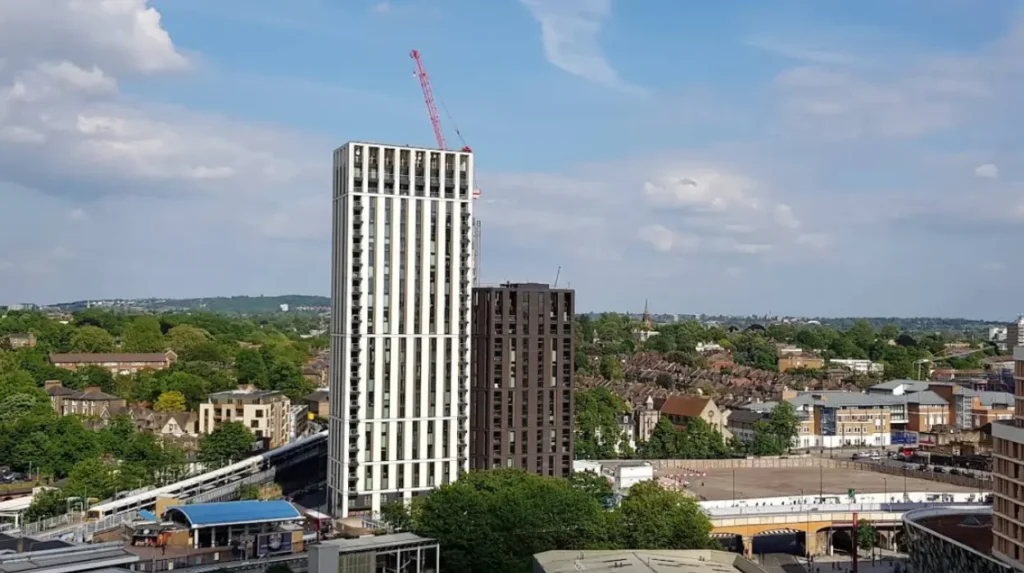
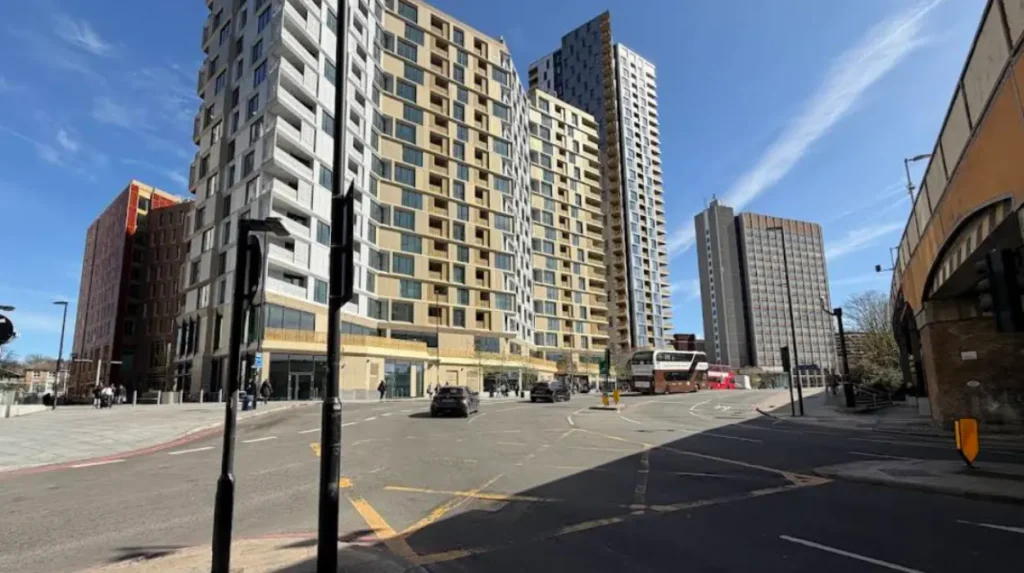
The Lewisham Town Centre Regeneration strategy represents one of the largest municipal development frameworks in South London. This multi-phase program involves the complete modernization of the shopping center district, the insertion of new pedestrianized public plazas, and the construction of high-density residential towers containing short-term visitor accommodation options.
The development framework mandates the integration of sustainable architectural design, low-carbon heating networks, and extensive urban greening elements, ensuring that the expanded urban core can absorb increased footfall without placing stress on local environmental systems.
The Bakerloo Line Extension
The single most significant future transit infrastructure project affecting the borough is the proposed Bakerloo Line Extension. The planned framework involves extending the London Underground Bakerloo line from its current terminus at Elephant & Castle down through Old Kent Road directly into Lewisham central.
This project will integrate the borough directly into the deep-level Tube network, providing a continuous, transfer-free transit line to the West End entertainment district and Paddington station. This infrastructure upgrade will fundamentally change the borough’s tourism mechanics, making it instantly accessible to international arrivals traveling directly from Heathrow Airport.
The Long-Term Cultural Strategy
Building systematically upon the success of its tenure as the London Borough of Culture, Lewisham Council has enacted a comprehensive Cultural Strategy running through the late 2020s. This policy framework establishes cultural activity as a core component of local economic growth and urban planning.
The strategy focuses on three core pillars: protecting grassroots creative venues from commercial displacement, funding public art installations across all 19 municipal wards, and developing structural pathways for local hospitality businesses to capture visitor spending. By treating culture as an essential piece of infrastructure rather than a temporary marketing tool, Lewisham ensures its ongoing appeal to future generations of domestic and international travelers.
Why is Lewisham becoming a popular tourist destination?
Lewisham is attracting more visitors because of its excellent transport links, diverse food scene, affordable accommodation compared with central London, vibrant arts community, and expanding cultural attractions.