Key points
- A Croydon‑based plumber, Carl Wilson, owner of Jobsa Gooden plumbing and heating services, refused to charge an elderly woman after learning she had been cheated out of about £7,000 by another tradesman.
- The pensioner, described as “really vulnerable” by Wilson, contacted his firm after being fleeced by a dishonest tradesman, who had carried out work in Tooting last month.
- Wilson described the scammer as a “scumbag” and said he felt a moral obligation not to add to the elderly woman’s financial strain.
- The incident has been reported by local London news outlets, including MyLondon and Yahoo UK, which frame it as an example of how bogus tradespeople continue to target older residents.
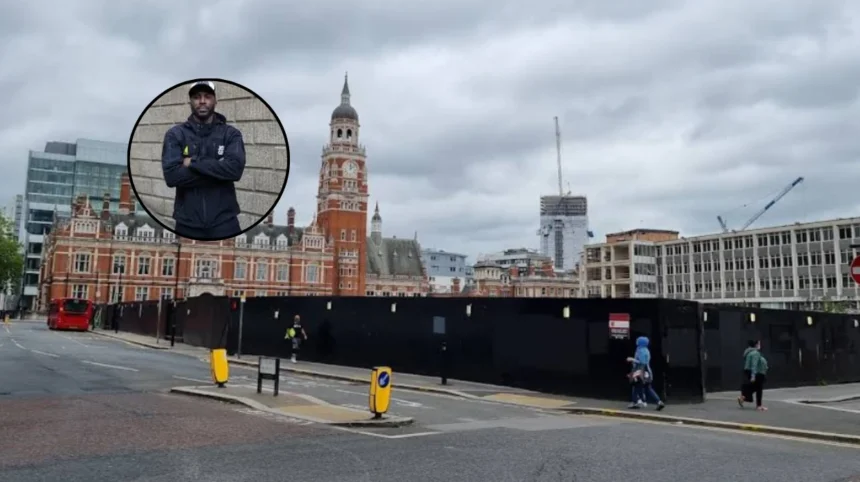
Croydon (South London News) May 16, 2026, plumber Carl Wilson has refused to charge a pensioner after discovering she had been conned out of around £7,000 by another tradesman, say local reports. Writing up the episode, MyLondon’s coverage notes that Wilson, 43, is the owner of Jobsa Gooden, a plumbing and heating service based in Croydon, and that he was left with “the best feeling” after choosing not to bill the elderly woman for his own work.
- Key points
- How did the pensioner get scammed?
- Why did the Croydon plumber waive the fee?
- How did the news outlets frame the incident?
- What does this mean for vulnerable residents?
- Background of the particular development
- Prediction: How this development could affect vulnerable pensioners and local tradespeople
According to the same outlets, the pensioner contacted Jobsa Gooden following a callout in Tooting, which is just outside the Croydon boundary but still widely covered under the broader South London local‑news remit. The woman reportedly told Wilson that she had been approached by a so‑called “cowboy” tradesman who had overcharged her, leaving her with a bill of roughly £7,000 for work that either did not meet standards or was entirely unnecessary.
How did the pensioner get scammed?
As reported by MyLondon and Yahoo UK, the pensioner explained that the dishonest tradesman had carried out work at her home in Tooting last month.
The exact scope of the work—whether it related to plumbing, heating, or general repairs—has not been specified in the available coverage, but the implication across reports is that the charges were grossly inflated and that the work may have been substandard or unjustified.
Public‑awareness pieces from similar cases, such as those cited by the BBC, have previously warned older consumers not to “pour money down the drain” by hiring bogus workmen, and especially not to pay up front for services that are not clearly itemised or commissioned.
In this instance, the pensioner’s vulnerability—her age and likely limited financial resilience—meant that the £7,000 loss represented a significant financial blow, prompting her to seek help from a reputable local firm such as Jobsa Gooden.
Why did the Croydon plumber waive the fee?
Carl Wilson’s decision not to charge the pensioner has been highlighted by MyLondon and Yahoo UK as a key element of the story.
Both outlets quote or paraphrase Wilson as saying he was “disgusted” by the behaviour of the earlier tradesman, describing the scammer as a “scumbag” and indicating that he felt it would be wrong to add further cost to the woman’s situation.
One of the reports notes that Wilson described the woman as “really vulnerable,” which appears to have influenced his choice to treat the job as a goodwill gesture rather than a standard commercial transaction.
This approach, while not universal among tradespeople, echoes broader consumer‑protection messaging that stresses the importance of reputable firms checking for potential scam victims and, where possible, offering support rather than exploiting hardship.
How did the news outlets frame the incident?
The incident has been framed by MyLondon and Yahoo UK as a local news human‑interest story with a warning component for older residents.
MyLondon’s coverage emphasises the emotional angle, portraying Wilson as a conscientious tradesman who reacted to injustice by stepping in to limit the pensioner’s losses. Yahoo UK’s version similarly foregrounds the scam‑victim narrative, using language such as “fleeced” and “cowboy” to characterise the dishonest tradesman and to underline the seriousness of targeting older people for thousands of pounds.
These outlets also situate the case within a wider pattern of bogus‑tradesman scams, a theme that has been covered by national outlets such as the BBC in past years.
The BBC has previously reported on consumers being conned out of several thousand pounds by unqualified or fraudulent workers posing as plumbers, electricians, or heating engineers, and has urged the public to avoid paying large sums upfront and to verify credentials before allowing work to proceed.
What does this mean for vulnerable residents?
For older or otherwise vulnerable residents, the Croydon‑linked episode underscores the risk of unverified tradespeople and the importance of using reputable, locally established firms.
As noted in earlier BBC guidance, elderly consumers are often singled out because they may be more trusting, less confident with online checks, or less likely to challenge aggressive sales tactics.
In this specific case, the pensioner’s decision to contact Jobsa Gooden after the initial scam means that at least one reputable tradesman was able to review the situation and, in Wilson’s words, refuse to profit from another man’s dishonesty.
Consumer‑awareness organisations and local councils have repeatedly advised residents to ask for proof of registration with bodies such as Gas Safe, the Chartered Trading Standards Institute, or local trading‑standards services, and to avoid paying large sums in cash for work that is not clearly itemised.
Background of the particular development
The refusal of a Croydon plumber to charge a pensioner after she had been scammed by another tradesman sits within a longstanding pattern of so‑called “cowboy” or bogus‑tradesman activity reported across London and the UK. Police and trading‑standards bodies have warned for years that elderly homeowners are especially vulnerable to unqualified workers who knock on doors, offer “urgent” repairs, and then demand large, upfront payments.
Separate international cases, such as a 2026 report from 1News in New Zealand, describe a 92‑year‑old woman who lost nearly all her savings after a scammer posing as a tradesman drained her accounts, illustrating that similar tactics are in use beyond the UK.
These examples reinforce why local news outlets such as MyLondon and Yahoo UK highlight the Croydon incident: it functions both as a cautionary tale and as a reminder that some professionals still choose to act ethically even when profit might otherwise be expected.
Prediction: How this development could affect vulnerable pensioners and local tradespeople
For vulnerable pensioners and older residents in and around Croydon, this story may increase awareness of scam risk when dealing with unannounced tradespeople, particularly those who ask for large upfront payments or refuse to provide proper documentation.
Local news coverage that attributes the scam‑victim experience directly to the pensioner and the moral‑choice decision to Wilson can encourage other residents to seek out established local firms, ask for references, and verify qualifications before agreeing to work.
Among local tradespeople, the incident may also influence how firms position themselves publicly. If reputable plumbers and heating engineers are seen as figures who actively discourage exploitation and, in some cases, refuse to charge distressed or vulnerable customers, that could strengthen their reputations and distinguish them from unregistered or unscrupulous operators. Over time, this could lead more elderly residents to gravitate toward known local businesses rather than to whoever appears at the door first, potentially reducing the number of successful cowboy‑tradesman scams in the area.