Key Points
- Funding Awarded: The Royal Borough of Greenwich has secured a Heat Network Efficiency Scheme (HNES) capital award for energy-saving improvements at its 112 Eltham Road sheltered-housing scheme.
- Financial Allocations: The council publicly disclosed the funding figure as £132,000, whereas official HNES programme results record a precise capital allocation of over £132,200.
- Beneficiaries & Units: The communal heating system serves a scheme containing 39 flats (comprising 23 studios, 13 one-bedroom flats, and three two-bedroom flats), with official estimates indicating 41 residents will benefit from the works.
- Planned Improvements: Upgrades encompass insulation improvements to lower heat loss, alongside new heat interface units, heat meters, thermostatic radiator valves, and thermostats.
- Environmental Impact: The council projects that the system improvements will reduce carbon emissions by an estimated 24.8 tonnes annually once fully operational.
- Timeline & Status: The funding announcement represents an awarded capital grant for planned works; no start date, construction schedule, or target completion deadline has been published.
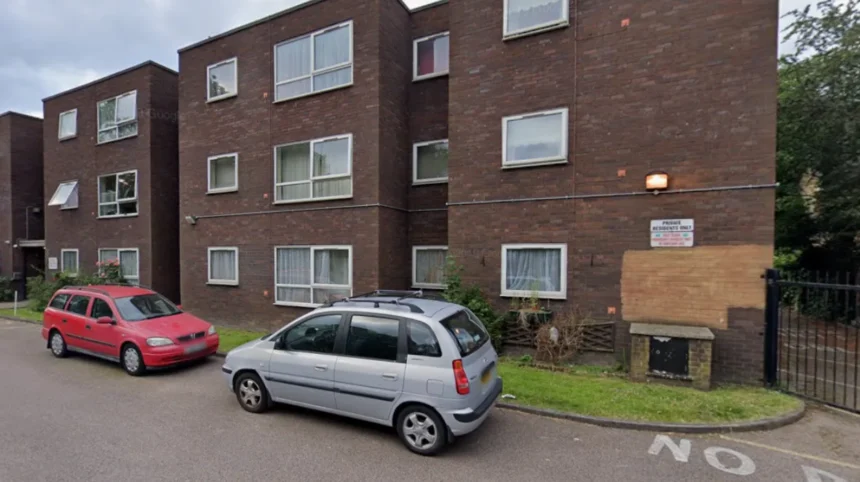
Eltham (South London News) October 2, 2026 – The Royal Borough of Greenwich has officially disclosed the receipt of a site-specific Heat Network Efficiency Scheme capital award designed to deliver extensive energy-saving upgrades to the communal heating network at its 112 Eltham Road sheltered-housing development in Eltham, SE12. Public records released by the local authority quote the grant sum at £132,000, whereas national HNES programme results detail an allocation of over £132,200. The grant decision was formally published by HNES under Round 11 funding results on September 23, preceding the local council’s formal announcement on October 1. The initiative aims to overhaul communal heating infrastructure serving local elderly residents, though official documentation confirms the award status remains focused on planned installations with no firm construction timetable or completion date yet established.
- Key Points
- What Are the Specific Financial and Structural Details of the 112 Eltham Road Grant?
- What Technical Improvements Will Be Installed in the Sheltered-Housing Scheme?
- What Are the Projected Carbon Reductions and Financial Savings for Residents?
- How Has Council Leadership Responded to the Grant Announcement?
- Background of the Heat Network Efficiency Scheme Development
- Prediction: How This Development Will Affect Local Residents and Housing Operations
What Are the Specific Financial and Structural Details of the 112 Eltham Road Grant?
The capital award granted to the Royal Borough of Greenwich forms part of a broader national funding distribution under Round 11 of the HNES initiative. In this funding round, HNES distributed over £12.2 million in capital support across 10 distinct recipient organisations located throughout England and Wales. This capital sum is distinct from the overall Round 11 allocation of £13.3 million, which combined direct capital works allocations with revenue support intended for optimisation studies.
The specific allocation dedicated to the Eltham Road scheme targets an established council housing asset. The borough’s property directory registers 112 Eltham Road as accommodating 39 individual flats, broken down into 23 studio apartments, 13 one-bedroom units, and three two-bedroom flats. In terms of population impact, HNES programme documentation specifies that 41 individual residents are projected to directly benefit from the efficiency overhaul.
What Technical Improvements Will Be Installed in the Sheltered-Housing Scheme?
The scheduled infrastructure project entails a series of targeted structural and technical enhancements across the facility’s shared heating network. The core objective stated by the local authority is the reduction of operational heat losses, structural leaks, and recurring maintenance overheads.
What Equipment Upgrades Are Included in the Scope of Works?
- Network Insulation: Comprehensive thermal insulation retrofits fitted throughout the communal piping network to prevent waste heat escaping in common areas.
- Heat Interface Units (HIUs): Replacement and modernisation of thermal transfer units to streamline heat delivery between the central boiler and individual residences.
- Heat Meters: Individualised metering hardware to capture accurate, real-time energy usage data across the building.
- In-Home Temperature Controls: Installation of modern thermostatic radiator valves (TRVs) and programmable wall thermostats within each flat.
The council states that these technical measures are intended to grant residents refined control over their immediate living space temperatures while stabilizing overall system reliability.
What Are the Projected Carbon Reductions and Financial Savings for Residents?
Once the installation of all heating hardware and thermal insulation is fully realised, local authority estimates indicate the 112 Eltham Road network will yield an annual reduction in carbon emissions amounting to 24.8 tonnes. This reduction calculation is derived directly from the expected thermal efficiency gains across the centralized plant and distribution distribution pipework.
Regarding direct financial impacts, neither the council nor the HNES reporting bodies have published figures detailing anticipated household-by-household utility bill reductions. The primary emphasis of the published documentation remains centered on system reliability, lower background energy consumption, and reduced carbon output across the council block.
How Has Council Leadership Responded to the Grant Announcement?
Councillor Jackie Smith, Deputy Leader and Cabinet Member for Housing, Greenwich Builds and Estate Regeneration, serves as the named spokesperson for the local authority’s official statement. In statements released by the council, Councillor Smith highlighted the strategic alignment between the grant and the borough’s overall housing strategy, pointing to improved indoor comfort, system stability, and reduced background heat loss for older tenants relying on communal heating networks.
Council press documentation framed the funding as a practical step toward ensuring vulnerable residents maintain access to dependable heating environments while simultaneously advancing the municipal agenda for residential decarbonisation.
Background of the Heat Network Efficiency Scheme Development
The Heat Network Efficiency Scheme (HNES) is a national government funding mechanism created to address systemic inefficiencies within existing communal and district heating infrastructure across England and Wales. Operating across an multi-year window spanning from 2023-24 through 2029-30, HNES provides both capital grant allocations for physical works and revenue support for preliminary technical studies.
District and communal heat networks represent a core component of high-density social housing energy strategies, but legacy systems frequently suffer from heat loss, inadequate insulation, and outmoded hydraulic controls. The scheme specifically targets older or underperforming networks to bring them up to modern standards of efficiency, operational reliability, and carbon accounting. Within the Royal Borough of Greenwich, the 112 Eltham Road project sits within a broader portfolio of municipal building retrofit strategies aimed at decarbonising public housing stock and reducing estate maintenance overheads.
Prediction: How This Development Will Affect Local Residents and Housing Operations
The realization of the 112 Eltham Road heating upgrade is poised to directly influence two key groups: the sheltered-housing residents and the local authority’s estate operational team.
For the 41 elderly residents living within the 39 flats at 112 Eltham Road, the primary effect of this development will be felt in day-to-day living conditions and environmental control. Upgrading from legacy communal pipework to individual thermostatic controls and modern heat interface units allows residents to maintain consistent indoor temperatures tailored to individual health and comfort needs. Additionally, enhanced insulation will minimize ambient overheating in corridors and common areas caused by uninsulated distribution pipes—a common operational flaw in legacy communal developments. While precise financial savings per flat remain unconfirmed, overall system efficiency usually limits the exposure of social housing tenants to volatile communal heating tariffs driven by wasted energy.
From an administrative and facilities management standpoint, the Royal Borough of Greenwich stands to benefit from reduced emergency repairs and ongoing maintenance demands. Legacy communal heating loops frequently incur heavy maintenance costs due to pipework degradation, pressure imbalances, and leaks. Replacing aged distribution elements reduces operational strain on local maintenance budgets. Furthermore, achieving an audited 24.8-tonne annual carbon reduction assists Greenwich Council in meeting its broader statutory carbon reduction targets without drawing entirely on localized capital reserves.