Key Points
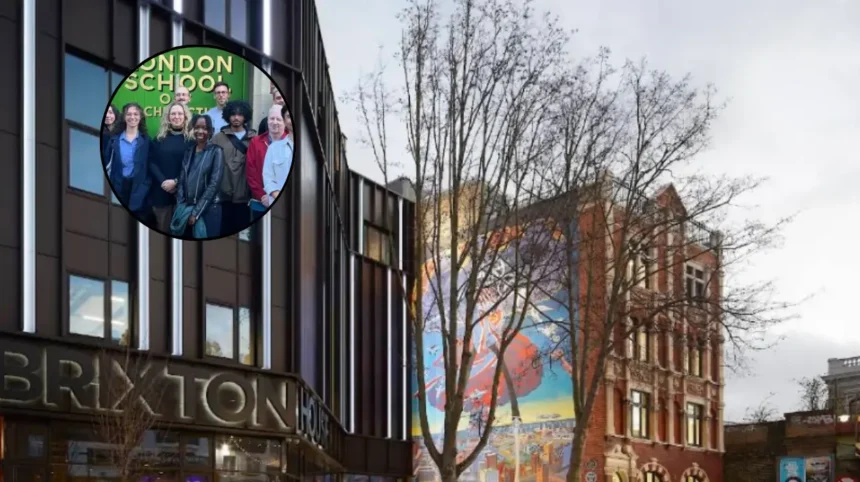
- Event Announcement: Symposium exploring the pros and cons of paid work for 13–15 year olds to be held at Brixton House on 19 September 2026.
- Organiser Background: This symposium is organised by Second Corner, a Lambeth-based youth engagement platform that emerged from youth research conducted in 2024 at Marcus Lipton Youth Centre and Miguel’s Boxing Gym.
- Key Finding & Need: Research has shown that there is great interest among young people in earning money, with over 120 applications made through Second Corner without prompting in two months, compared to a serious lack of employers applying for child employment permits in Lambeth.
- Keynote Speaker: Helen Hayes MP, MP for Dulwich and West Norwood and Chair of the Education Committee of the House of Commons, will deliver the keynote speech at the symposium.
- Symposium Structure: This event includes three panels exploring the views of young people, safeguarding issues, and employer opportunities.
Brixton (South London News) September 2, 2026 – Young people, employers, parents, youth organisations, and employment experts will gather at Brixton House on 19 September to address the steep decline in paid work opportunities for 13–15-year-olds and examine the necessary reform required within the youth labor market.
- Key Points
- Why Is the Brixton House Symposium Being Held?
- How Large Is the Gap Between Demand and Legal Opportunities in Lambeth?
- Who Will Speak and What Will Be Discussed at the Panels?
- Background of Youth Employment Regulations and Trends
- Prediction: How This Development May Affect Local Communities, Employers, and Teenagers
The symposium is spearheaded by Second Corner, a new Lambeth-based initiative formed to address the gap between younger teenagers seeking financial independence and the legal frameworks available to support them.
Why Is the Brixton House Symposium Being Held?
The upcoming event centres on a single, fundamental question: does paid work help or harm 13 to 15-year-olds?
The concept for Second Corner originated from investigative research conducted in 2024 with teenagers at the Marcus Lipton Youth Centre and Miguel’s Boxing Gym in Lambeth. The research revealed that while many young teenagers expressed a strong desire to earn their own money, develop personal independence, and gain early practical experience, they faced a distinct lack of safe, accessible, and legal employment options.
In response to these findings, Second Corner was created as a dedicated platform to examine how safe, age-appropriate paid work could be expanded for under-16s without compromising their education or wellbeing.
How Large Is the Gap Between Demand and Legal Opportunities in Lambeth?
Data compiled by Second Corner highlights a marked disparity between business presence and legal youth employment channels. Although the London Borough of Lambeth hosts more than 13,000 active businesses, initial research identified only a small fraction of local organisations currently offering paid roles to 13–15-year-olds via the formal child employment permit system.
Conversely, young people have demonstrated significant demand for employment. Despite Second Corner not having formally launched, the initiative has already received more than 120 job applications from young individuals over the past two months.
Who Will Speak and What Will Be Discussed at the Panels?
The symposium will feature perspectives from across the community to evaluate both the benefits and potential hazards of early employment. The event will formally open with an address by Helen Hayes MP, Member of Parliament for Dulwich and West Norwood and Chair of the House of Commons Education Committee.
The core agenda is divided into three consecutive panel discussions:
- Panel 1 – Young Voices: A panel composed of 13–15-year-olds sharing direct experiences regarding money management, independence, personal opportunity, and their perceptions of the workplace.
- Panel 2 – Risks, Rules & Safeguarding: A discussion bringing together parents, youth workers, legal advisors, and safeguarding specialists to examine structural risks, labor regulations, and necessary protective frameworks.
- Panel 3 – Safe Pathways into Employment: A session featuring local employers and youth organisations exploring practical methods to enable businesses to provide structured, safe employment opportunities.
Additional contributors across the event will include representatives from regional youth groups, housing associations, and employment initiatives.
Addressing the rationale behind the platform, Ana Moutinho, co-founder of Second Corner, explained that the initiative began by listening directly to local youth who repeatedly asked for opportunities to earn money and assume responsibility.
Moutinho observed that while society expects 16-year-olds to navigate apprenticeships, jobs, and career paths, few structured opportunities exist prior to that age to build baseline confidence and workplace familiarity. She emphasized that the project does not advocate pushing young people into early labor, but rather seeks to establish safe, age-appropriate environments with robust safeguards.
Background of Youth Employment Regulations and Trends
Child employment in the United Kingdom is governed by strict local authority bylaws alongside national legislation designed to prioritize education and child welfare. Under current laws, 13 is the minimum age at which children can work part-time, with tight restrictions on permissible hours, types of work, and working conditions. Employers hiring individuals under the age of 16 are required to obtain a specific child employment permit from the local council, a process intended to ensure that the work does not interfere with schooling or health.
Over the past two decades, the proportion of young teenagers holding traditional part-time roles—such as paper rounds, weekend shop assistance, or local hospitality work—has dropped significantly across the UK. Increased regulatory compliance, shifting business models, and a stronger focus on educational attainment have contributed to a noticeable contraction in the formal under-16 labor market, leaving organizations like Second Corner to re-evaluate how early employment models can safely function today.
Explore More Brixton News
Brixton Shooting and Stabbing Linked Probe 2026 – South London
Brixton drive‑by shooting leaves four injured, Bristol blast kills two – 2026
Prediction: How This Development May Affect Local Communities, Employers, and Teenagers
If the symposium successfully drives local engagement and regulatory policy alignment, several outcomes may emerge for local stakeholders in Lambeth and broader urban regions:
- For Young Teenagers (13–15 Years Old): Increased availability of vetted, legal, and age-appropriate roles could improve early financial literacy, boost self-confidence, and provide essential interpersonal skills before entering upper secondary education or post-16 training routes.
- For Local Employers and Businesses: Clearer guidance and streamlined access to the child employment permit system could remove administrative friction, encouraging small and medium businesses to safely integrate young workers without legal uncertainty.
- For Youth Organisations and Local Authorities: Successful outcomes from this symposium may offer a replicable blueprint for other boroughs seeking to balance stringent safeguarding standards with practical, early-career youth engagement.