Key Points
- An individual has been struck by a train on the line connecting New Cross Gate Station and Norwood Junction Station.
- Emergency services and railway response services have been dispatched to the scene due to the accident.
- The accident has caused considerable disruption to rail transport, causing the closure of all rail links from New Cross Gate to Norwood Junction.
- Among those disrupted are train services operated by London Overground, Southern Rail, and Thameslink train companies.
- The disruption is mainly affecting train services that connect between London Bridge and East Croydon.
- National Rail, the owner of the rail network, has informed commuters that there will be continued disruption on the rail route until at least 4:45 pm.
Emergency services have responded to a serious railway incident in South London following reports that a person was struck by a train on the tracks between New Cross Gate and Norwood Junction.
(South London News September 9, 2026 –
As reported by Joseph Reaidi of London Now, emergency personnel attended the railway line between New Cross Gate and Norwood Junction following a collision involving a train and a pedestrian. The incident immediately triggered emergency response procedures, forcing train operators and infrastructure managers to halt all services on the route while emergency services carried out their work on site.
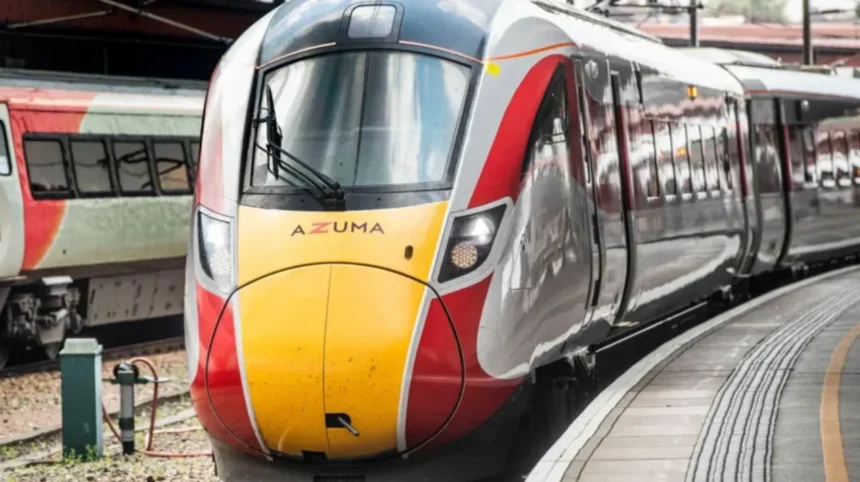
The scope of the travel disruption quickly expanded across multiple operators as the line closure took effect. As reported by Joseph Reaidi of London Now, initial reports indicated that the incident was confined to the London Overground network, but National Rail subsequently confirmed that the emergency response affected London Overground, Southern, and Thameslink services operating through the corridor.
The disruption is concentrated along key commuter routes connecting central capital terminals with Southern suburban hubs. As reported by Joseph Reaidi of London Now, the impacted services are mainly affecting routes between London Bridge and East Croydon. Passholders and commuters travelling between these key interchanges have been advised that all lines running through the affected stretch remain blocked, requiring travellers to seek alternative transport routes to reach their destinations.
Rail authorities have warned passengers to expect widespread delays and cancellations throughout the afternoon peak travel window. As reported by Joseph Reaidi of London Now, National Rail stated that “major disruption” across the affected network is expected to continue until at least 4:45 pm while emergency crews manage the site and work to safely reopen the tracks.
Explore More Local South London News
Greenwich Council Proposes Blanket 20mph Speed Limit in Greenwich 2026
Croydon Advances Updated Community Infrastructure Levy Charging Schedule Croydon 2026
What Is the Operational Extent of the Rail Disruption Across South London?
The physical closure of all railway lines between New Cross Gate and Norwood Junction has effectively severed a key arterial corridor for cross-London and suburban rail transit. Because the impacted lines serve as a shared bottleneck for multiple train operating companies, the halt in operations has created a severe knock-on effect across the wider regional transport grid.
London Overground services running on the Windrush line (formerly the East London line connection towards West Croydon and Crystal Palace) have experienced severe delays and service short-terminations. Passengers using Southern Rail routes out of London Bridge heading towards Sussex, Surrey, and major outer borough hubs such as East Croydon face cancellations and diverted itineraries. Similarly, Thameslink services traversing the core corridor north-to-south through London Bridge toward the southern home counties are subject to extensive revisions and hold-ups.
National Rail and Transport for London (TfL) have advised affected commuters to utilize alternative travel routes where possible, including local TfL bus services, London Underground lines, and non-affected rail routes to bypass the blocked section between New Cross Gate and Norwood Junction. Passengers are also urged to check real-time departure boards and route planners prior to starting their journeys.
What Is the Background of This Particular Development?
Railway incidents involving collisions between trains and individuals represent one of the most critical emergency scenarios for the UK rail network. When a casualty on the track occurs, standard operating protocols require the immediate isolation of electrical traction power and the suspension of all train movements across the affected section of track to ensure the safety of emergency service personnel, including officers from the British Transport Police (BTP), crews from the London Ambulance Service (LAS), and teams from the London Fire Brigade (LFB).
The section of railway connecting New Cross Gate and Norwood Junction forms a dense railway corridor in South East London, handling hundreds of train movements daily across national passenger rail, urban Overground networks, and freight services. Due to the high frequency of trains operating through this corridor, any physical line closure rapidly creates a backlog of stranded rolling stock and displaced train crews.
Under National Rail and rail operator protocols, once emergency services complete their primary on-track investigations and medical responses, Network Rail infrastructure engineers must inspect the track, signalling systems, and train units before the line can be formally handed back for operational service. Consequently, even after emergency teams clear a site, network recovery takes several hours as operators reposition trains and staff to restore scheduled timetables.
How Can This Development Affect Commuters and Local Transport Users?
The major disruption resulting from the incident between New Cross Gate and Norwood Junction directly impacts tens of thousands of commuters, local residents, and regional rail passengers who rely on the South London rail network for daily transit.
For commuters travelling between Central London terminals—specifically London Bridge—and outer London transport hubs such as East Croydon, the line closures mean significant travel delays, overcrowding on alternative bus and Underground routes, and missed connections. Passengers attempting to access intermediate stations along the impacted section face complete train service suspensions until the emergency block is lifted.
The timing of the expected disruption, lasting past mid-afternoon, threatens to severely affect the evening peak rush hour. Commuters heading home from Central London face prolonged journey times, unexpected route diversions, and heavy platform congestion at key interchange stations including London Bridge, Canada Water, Whitechapel, and East Croydon.
Furthermore, passengers using connected regional services across Surrey and Sussex may experience delayed or cancelled trains as rolling stock that would normally operate through the London Bridge corridor becomes displaced. Travel operators are expected to honor ticket acceptance agreements on alternative transport modes, such as London Buses and Underground services, to mitigate the impact on stranded travellers until normal service frequency can be re-established.