The iconic New York jazz club will open its first UK venue in Covent Garden this September. Beyond the announcement, its arrival raises questions about what another internationally recognised music venue could mean for London’s live music scene.
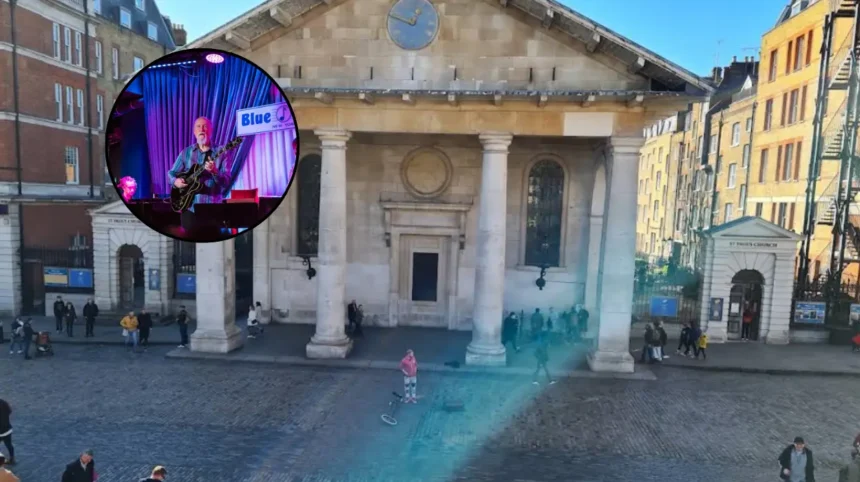
Blue Note, founded in New York’s Greenwich Village in 1981, will open its first UK venue in Covent Garden on 23 September. The opening programme includes Grammy-winning pianist Robert Glasper alongside British jazz artists.
Since opening more than four decades ago, Blue Note has expanded from New York to cities including Tokyo, Milan, Rio de Janeiro, Beijing and Shanghai. The London venue will be the latest addition to that global network.
Why London?
Speaking to The Guardian, Blue Note Entertainment Group co-owner Tsion Bensusan described London as “one of the world’s great music capitals”, praising its “extraordinary jazz heritage” and “incredibly diverse creative community.”
That reputation is also reflected in the capital’s music industry. According to the Mayor of London, the city attracts around 7.5 million music visitors each year, generating an estimated £2.7 billion for London’s economy.
London’s contemporary jazz scene has also attracted growing international attention. Venues such as Ronnie Scott’s and The Jazz Café continue to host internationally recognised performers, while artists including Ezra Collective, Nubya Garcia, Yussef Dayes and KOKOROKO have introduced British jazz to wider audiences by blending the genre with hip-hop, afrobeat and electronic influences.
What Could This Mean for London?
It is impossible to predict Blue Note London’s long-term impact before its doors open, but the venue has the potential to contribute to more than the city’s live music calendar.
The venue will include a 250-capacity main room and B-Side, a 100-capacity performance space dedicated to emerging UK artists. The company says it aims to create “a home for musicians, a gathering place for the community and an integral part of London’s cultural landscape.”
Nick Lewis, Director of Music & Programming at Blue Note London, believes the venue could help create more opportunities for British musicians.
“I think we’ll bring an authentic championing of our brilliant UK scene and emerging scene,”
Lewis told South London News.
“There are so many great musicians and not enough performance opportunities.”
Lewis said the venue’s two performance spaces would allow Blue Note to showcase a broad range of performances, from established jazz artists to jam sessions, Latin nights and other events, giving space to both established and emerging talent.
Like many live music venues, Blue Note could contribute to Covent Garden’s evening economy by attracting audiences who also visit nearby restaurants, cafés and bars before and after performances. For emerging musicians and students at institutions such as Trinity Laban Conservatoire, it may also provide another opportunity to experience internationally recognised performers and engage with one of the world’s best-known jazz brands.
Looking Ahead
Whether Blue Note becomes London’s next iconic music venue remains to be seen. Its long-term impact will depend on the audiences it attracts, the artists it supports and the place it earns within London’s already established music scene.
What is already clear is that Blue Note’s arrival is more than another venue opening. It represents an internationally recognised cultural organisation choosing London for its first UK location, adding another chapter to the city’s long history as a centre for live music.