Key Points
- The extension of Teddington Cemetery will introduce 17 new trees and provide a 17 per cent boost for local wildlife.
- A guided biodiversity walk took place at Teddington Cemetery last week, allowing residents to learn about local wildlife and the area’s history.
- Attendees praised the experienced guide and highlighted insights into bat habitats and lives.
- Richmond Council confirmed it is launching additional biodiversity events for residents, schools, and local groups.
- A Richmond Council spokesperson noted that cemeteries offer food, shelter, and habitats through mature trees, hedgerows, grassland, and quieter spaces.
- Under statutory Biodiversity Net Gain (BNG) rules in England, most developments must deliver at least a 10 per cent increase in biodiversity value.
Teddington (South London News) November 25, 2026 – Plans for the extension of Teddington Cemetery are set to introduce 17 new trees and deliver a 17 per cent boost for local wildlife, following a community biodiversity walk held at the site last week.
- Key Points
- How are residents engaging with wildlife at Teddington Cemetery?
- What is Richmond Council doing to promote local biodiversity?
- Why are cemeteries important habitats for wildlife?
- What is the background of Biodiversity Net Gain in planning?
- How could this development affect local residents and wildlife?
How are residents engaging with wildlife at Teddington Cemetery?
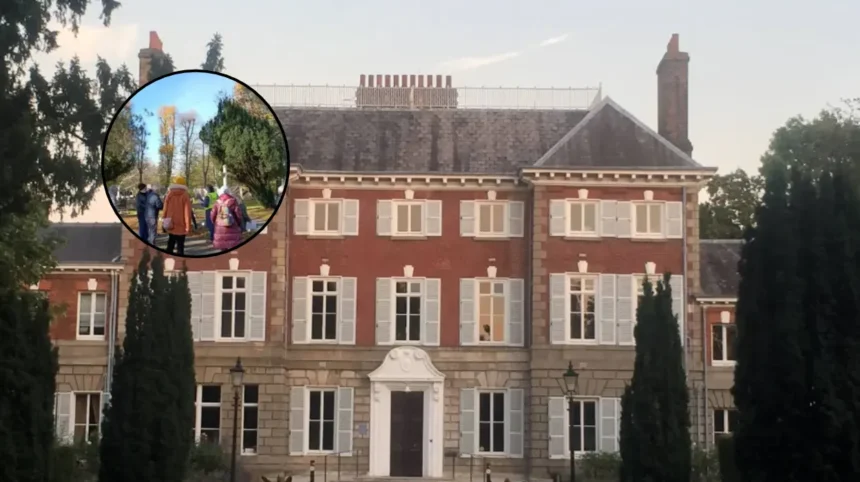
Residents recently had the opportunity to explore how Teddington Cemetery supports local ecosystems during a guided biodiversity walk held at the site last week. Attendees toured the old cemetery in the sunshine to learn about the ways the green space allows nature to thrive.
Participants reported that they valued the knowledgeable and experienced guide, describing the tour as informative. Attendees specifically highlighted the insights provided regarding the lives and habitats of bats, alongside the broader history of the surrounding area, while noting they enjoyed spending time in nature.
What is Richmond Council doing to promote local biodiversity?
Richmond Council has announced that it is launching further biodiversity events designed to provide residents, schools, and local groups with opportunities to connect with nature and learn about area wildlife.
According to the local authority, activities such as guided walks help the public better understand the vital role that local green spaces, including cemeteries, play in supporting the natural environment. Residents, schools, or local groups wishing to register an interest in community growing, biodiversity activities, or volunteering have been instructed to contact parks@richmond.gov.uk.
Why are cemeteries important habitats for wildlife?
A Richmond Council spokesperson stated:
“Green spaces across Richmond play an important role in supporting biodiversity.”
The spokesperson added: “Cemeteries can make a particular contribution because their combination of mature trees, hedgerows, grassland, planted areas and quieter spaces can provide food, shelter and habitats for a range of species.”
Explaining how grounds maintenance impacts local flora and fauna, the Richmond Council spokesperson continued:
“Thoughtful management can increase these benefits. Protecting established trees and habitats, introducing appropriate native and pollinator-friendly planting, allowing flowers to bloom before mowing, and creating new habitat features can all help wildlife while maintaining cemeteries as welcoming and respectful places for remembrance.”
What is the background of Biodiversity Net Gain in planning?
Biodiversity encompasses the variety of life in a given area, ranging from trees, plants, and wildflowers to insects, birds, bats, and other animals. Protecting these species and the habitats they rely upon is essential for maintaining healthy, resilient natural environments.
According to Richmond Council, protecting and enhancing biodiversity forms a central component of the planning process. Across England, Biodiversity Net Gain (BNG) operates as a national approach to development aimed at leaving the natural environment in a measurably better condition than it was prior to construction. Statutory BNG was established under Schedule 7A of the Town and Country Planning Act 1990, which was inserted by the Environment Act 2021. Under these statutory regulations, most applicable developments are legally required to deliver a minimum 10 per cent increase in biodiversity value compared with the site’s pre-development habitat.
How could this development affect local residents and wildlife?
The planned 17 per cent biodiversity boost at Teddington Cemetery exceeds the statutory 10 per cent minimum threshold required under national planning legislation. For local wildlife—including birds, insects, pollinators, and bats—the addition of 17 new trees, native planting, and delayed mowing schedules will expand available shelter and food sources within an established quiet zone.
For Teddington residents, local schools, and community groups, the combination of habitat expansion and Richmond Council’s upcoming programme of biodiversity events will increase access to educational outdoor activities and volunteering opportunities, while preserving the cemetery’s primary function as a space for remembrance.