Key Points:
- More than 1,500 bus drivers employed by Arriva London North are taking industrial action across ten scheduled occasions between August and October.
- The dispute centers on working conditions, specifically driver demands for full air-conditioning systems to replace existing air-cooling equipment in bus cabs.
- Drivers report that driver compartment temperatures have reached up to 40°C during summer heatwaves, posing serious health risks and safety hazards.
- Industrial action scheduled between 18 August and 21 August will impact key bus routes across South London, East London, North London, and Essex.
- The union representing the workforce has warned of ongoing disruption unless the employer addresses vehicle climate control standards.
South London (South London News) August 25, 2026 – Seven South London bus routes are among dozens across the capital facing severe disruption as more than 1,500 bus drivers begin a new round of strikes over sweltering working conditions in vehicle cabs.
- Key Points:
- Why are London bus drivers taking strike action?
- What health and safety risks have been reported by union officials?
- How has Arriva London North responded to the allegations?
- What is the official stance of union representatives on negotiation attempts?
- Background of the particular development
- Prediction: How this development can affect commuters, bus operators, and transport authorities
The industrial action, organised by the Unite trade union, involves staff employed by Arriva London North walking out from 4:00 am today, 18 August, until 4:30 am on 21 August. The strike is part of a planned series of ten separate walkouts extending into October, triggered by concerns over driver health and road safety during periods of extreme heat.
Why are London bus drivers taking strike action?
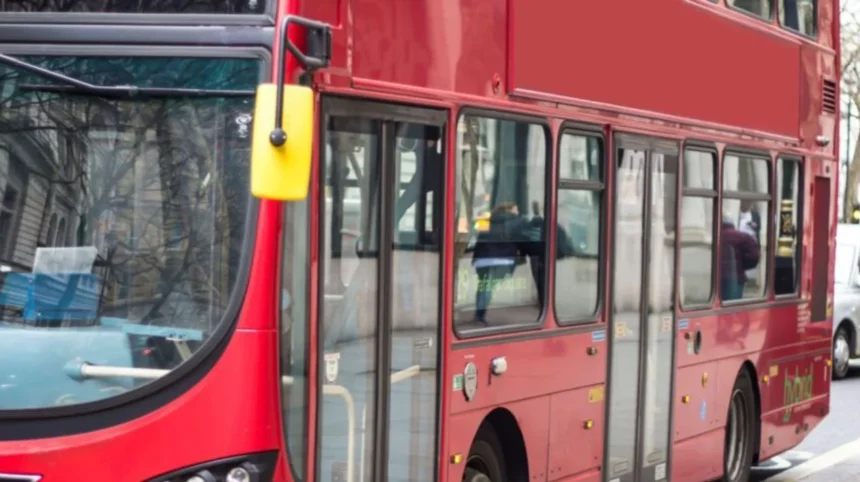
As reported by Alex Orr of the South London Press, the primary catalyst for the strike action is the working environment inside driver compartments, where internal temperatures have repeatedly climbed to 40°C during recent heatwaves.
Drivers are urging Arriva to remove existing air-cooling systems and replace them with full air-conditioning units across the fleet. According to trade union representatives, the current air-cooling systems only lower cab temperatures by two to three degrees Celsius, which offers minimal relief when ambient outdoor temperatures exceed 30°C.
What health and safety risks have been reported by union officials?
As reported by Sharon Graham, General Secretary of Unite, workers are being subjected to unacceptable operational environment risks that jeopardise both employee health and public safety. Graham stated that “the heatwave this week has caused even more problems for our members at Arriva North London, who have once again faced doing a demanding job in unbearable conditions.”
Graham further emphasised that “no worker should be made ill by their job. This problem is raised year after year and as the summers get hotter it can no longer be swept under the carpet. Arriva can afford to act on this serious issue, which puts both drivers and the general public at risk and it must make this a priority.”
Drivers operating from eight major garages—including Barking, Edmonton, Enfield, Grays, Palmers Green, Stamford Hill, Tottenham, and Wood Green—have reported experiencing heatstroke, severe fatigue, dehydration, and dizziness while on duty. In certain instances, drivers have required medical leave after performing shifts in overheated cabs.
How has Arriva London North responded to the allegations?
As reported by Wasim Mohammed, Managing Director of Arriva London, extreme heat presents significant operational challenges across the public transport sector, but worker welfare remains a paramount concern. Mohammed stated that extreme weather conditions are “creating challenges across many sectors, including London’s bus network” and maintained that the wellbeing of staff and customers remains the company’s “top priority”.
Mohammed noted that additional support measures have been implemented during periods of high temperatures to assist staff members on duty. The management team at Arriva London has urged union representatives to return to the negotiating table to resolve the dispute without causing further travel disruption to the commuting public. Furthermore, the operator highlighted that it participates in Transport for London’s extreme weather taskforce alongside other bus companies to develop long-term fleet solutions.
What is the official stance of union representatives on negotiation attempts?
As reported by Steve Stockwell, Regional Officer at Unite, the decision to proceed with widespread industrial action was taken after repeated warnings regarding cab temperatures were unheeded by management. Stockwell stated that “the high temperatures this week have created even more misery for drivers at Arriva North London, who have spent the whole summer struggling to work in dangerous conditions.”
Stockwell added that drivers “have raised concerns multiple times but these are not being listened to by management, so our members have no choice but to press ahead with this highly disruptive industrial action.”
Background of the particular development
The current dispute between Arriva London North and its workforce emerges against the backdrop of changing climatic conditions in the United Kingdom, where repeated heatwaves have pushed summer temperatures to record levels. The standard specification for London buses set by Transport for London (TfL) has historically mandated forced-air ventilation or air-cooling mechanisms rather than full air-conditioning units in driver cabs, primarily due to fuel efficiency, environmental standards, and retrofitting costs across older vehicle models.
Industrial relations between bus operators and transport unions have become increasingly strained over working conditions as driver representatives argue that infrastructure has failed to adapt to longer, hotter summers. Previous negotiations between Unite and bus operating companies across Greater London have frequently centered on pay rates, but health and safety parameters surrounding vehicle equipment have moved to the forefront of union campaigning. The multi-day walkouts planned between August and October represent one of the most prolonged campaigns focused specifically on vehicle climate control in the history of London’s bus network.
Explore More Local South London News
South London & Maudsley NHS Estates Staff Escalate Strikes, South London 2026
South London education: how do pupils compare across the capital
Prediction: How this development can affect commuters, bus operators, and transport authorities
The ongoing strike action across ten distinct periods leading into October is poised to create significant operational and economic ramifications across multiple stakeholder groups:
Impact on London Commuters and Local Businesses
For passengers across South London, East London, North London, and Essex, the reduction in service frequency will result in increased journey times, overcrowded alternative routes, and heightened pressure on the London Underground and suburban rail networks. Daily commuters, school children, and shift workers relying on Arriva-operated routes will experience substantial disruption, forcing many to rely on more expensive private transport alternatives. Local businesses reliant on foot traffic near major bus corridors may also see reduced customer turnout during strike days.
Operational and Financial Pressures on Arriva London
For Arriva London, the repeated walkouts risk causing direct revenue losses, financial penalties under TfL contract performance agreements, and long-term reputational damage. If forced to retrofit its current fleet with full air-conditioning systems, the company will face substantial capital expenditure requirements. Conversely, failure to resolve the dispute risks prolonged operational instability and potential difficulty in recruiting and retaining drivers in a competitive labor market.
Policy Implications for Transport for London (TfL)
For TfL and regional transport policy makers, the dispute highlights an urgent requirement to review vehicle engineering specifications for future fleet procurement. As climate projections indicate a higher frequency of summer heatwaves, transport authorities will likely be compelled to establish higher baseline environmental standards for driver cabs across all contracted bus operators, balancing passenger comfort and staff safety against system-wide operational costs.