
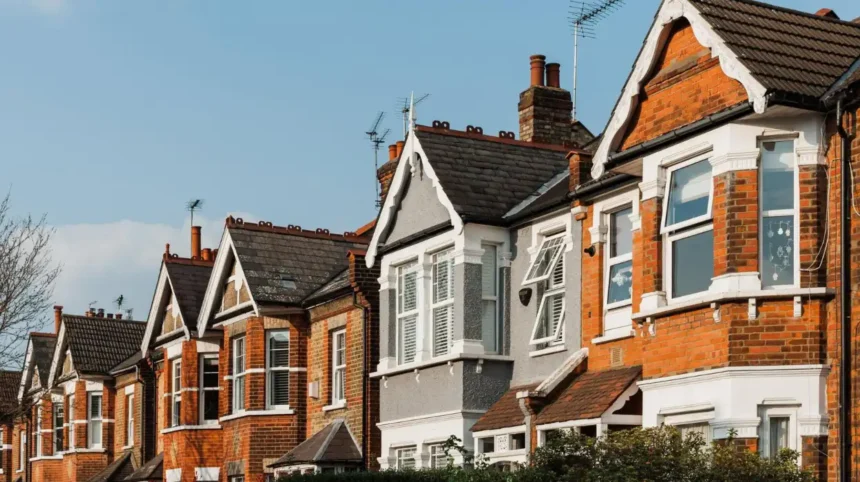
Families across Croydon, Lewisham and Southwark are facing mounting housing pressures as rising rents, growing evictions and record demand for temporary accommodation deepen South London’s affordability crisis.
According to reports released by the London Council, these boroughs are now investing a whopping £4 million per day on just temporary accommodation. This financial disaster comes as evidence for the record of homeless households underlining the magnanimity of financial crisis facing the local authorities. More than 176,000 Londoners are now living in temporary accommodation, the highest number ever recorded, as early 2025 London Council reports indicated.
Lewisham recorded a staggering 10.3 percent increase in house prices that reached over £500,000 according to Land Registry data. This has been the borough’s highest jump in house prices between April 2024 to April 2025. Private rents have also simultaneously climbed to £1,810 a month as of March 2026, increasing up to 2.6 percent in a single year and crossing the average London rental prices. ONS rental data record show that London rents have been increasing at nearly 10 percent each year, imposing excessive pressure on low-income households.
The impact has been significant as Lewisham was housing 2,450 in December of 2025 in temporary accommodation, which was a significant decrease from the high peak of 2799 the previous year but still at a level that was described by officials as unsustainable in the long run. Nearly 7 percent of the families are accommodated outside London, across 48 different local authorities. There has also been an increase in section 21 eviction notices reflecting national trends as per the Lewisham Council’s 2025 housing update.
Southwark’s social housing list has been dealing with something similar as their waiting list has crossed 21,604 as of December 2025, as reported by the local Liberal Democrat group. That rounds up to nearly one in six houses in the borough. Government data has indicated that there are currently 1,238 vacant council properties, more than 2,400 empty houses leading to harsh criticism from political opponents and campaigners.
The borough’s real estate market is now one of the most expensive in South London. Private rents surged to £2,388 a month while the average value of a property stands at £589,000 as of January 2026. Social housing waiting lists and timings have also been impacted heavily. A one-bedroom house takes nearly 1101 days to become available while a two-bedroom can potentially take 1835 days according to data released by the Centre for London. Southwark has a very high-level of overcrowding in the capital, which further lengthens out the process for families on the wait list, as recorded by the Centre for London.
Croydon’s is facing similar affordability pressure. As of December 2025, average value of a property stood at £402,000 but in January of 2026 private renting surged by 4.6 percent and reached £1,553 a month. One-bedroom rent has increased by 4.8 percent over the same period.
According to Council reports, 5,000 households are registered to them, while thousands more have been on the waiting list for nearly a decade. It further shows that only 260 council properties became available last year for allocation, and warmed that it “simply can’t house everyone.” Nearly 3,000 people apply to the council as homeless every year, and some families are made to wait for two years for a single housing offer while some of these properties may not even be in Croydon.
The untimely exit of nearly 93,000 buy-to-let landlords from the rental market last year has led to further decrease in supply. The new Renters’ Rights Act which was formally enforced on 1 May 2026 is expected to bring in significant changes and benefits for tenants. But for families and people struggling, the reforms may come a tad bit too late.
For most tenants and families across South London, the reality hits hard as the housing pressure and emergency is not easing but deepening. Early‑2025 homelessness data shows that Croydon, Lewisham and Southwark are now among the top 10 boroughs in London for rising temporary accommodation demand, underscoring the scale of the crisis.