Key Points
- Funding Initiative: Wandsworth Council plans to invest £3.1 million in its first year to fund 25 dedicated Metropolitan Police officers to patrol local streets.
- Team Structure: The dedicated police unit will consist of 22 police constables and three sergeants, based directly out of Wandsworth Town Hall.
- Targeted Focus: The team will focus on neighbourhood priorities that might not otherwise be prioritised by regional forces, such as anti-social behaviour, drug-related activity, illegal e-bikes, mopeds, and environmental crime.
- Integrated Support: Alongside the officers, the council proposes a new £1.64 million-a-year Integrated Enforcement Team comprising 22 council enforcement officers, bringing the full annual package to up to £4.9 million.
- Funding Mechanism & Governance: The initiative is set to be financed primarily through developer levy funds (Community Infrastructure Levy), though questions remain regarding legal compliance, long-term funding sources, and operational command structure under the proposed agreement with the Mayor’s Office for Policing and Crime (MOPAC).
- Next Steps: The proposals are scheduled for review by the Enforcement Overview and Scrutiny Committee on 5 October 2026, followed by a final decision by the Council Cabinet on 12 October 2026.
Wandsworth (South London News) October 2, 2026 – A South London local authority is set to enter into a major financial agreement to fund a dedicated team of Metropolitan Police officers tasked specifically with tackling persistent local safety issues across the borough. Under new proposals unveiled by the local administration, Wandsworth Council expects to spend £3.1 million in the first year to secure 25 Metropolitan Police officers, with plans for continued investment in subsequent years to ensure a consistent, visible police presence across local communities.
- Key Points
- What are the key details of the proposed £3.1m policing package?
- How will the officers be integrated with local council enforcement?
- What operational and financial questions remain unresolved?
- How will the proposals progress through local government approval?
- Background of the particular development
- Prediction: How this development can affect the local community and key stakeholders
What are the key details of the proposed £3.1m policing package?
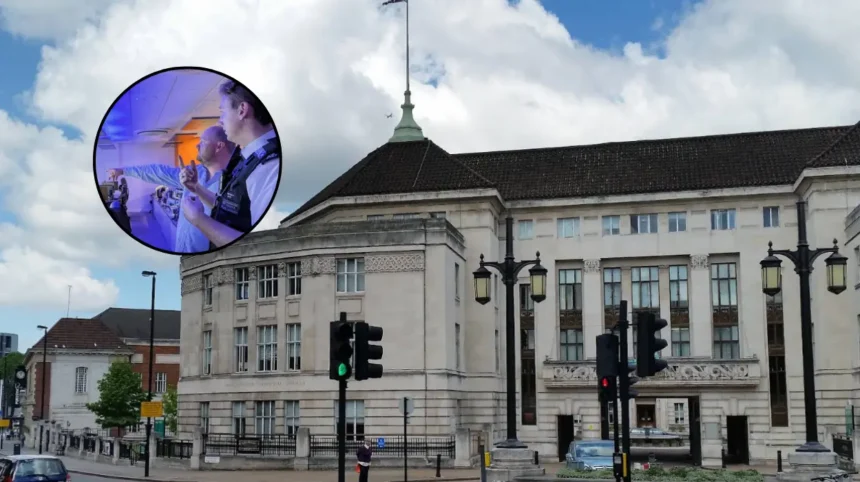
As reported by Charlotte Lillywhite of MyLondon, Wandsworth Council is moving forward with plans to enter into a formal agreement with the Mayor’s Office for Policing and Crime (MOPAC) to sponsor a dedicated 25-officer police team. The team, comprising 22 police constables and three sergeants, will operate under a Section 92 agreement of the Police Act 1996. Based directly out of Wandsworth Town Hall, these officers will be deployed across the borough to address specific community issues that might not otherwise be prioritised by wider Met Police operations.
According to reporting by James Carter of London Streets, the total cost for the scheme could reach up to £4.9 million annually from April onwards when paired with a new council-led enforcement division. The initial rollout will see the first officers deployed between January and March, carrying an estimated initial cost of £300,000 for the remainder of the current financial year before scaling up to the full £3.1 million annual outlay for police personnel alone.
How will the officers be integrated with local council enforcement?
Alongside the 25 Metropolitan Police officers, Wandsworth Council plans to create a new Integrated Enforcement Team (IET) composed of 22 council enforcement officers at an estimated annual cost of £1.64 million. As detailed in official statements issued by Wandsworth Borough Council, the new integrated framework will bring together existing municipal enforcement functions to work alongside the dedicated police officers.
The combined force will target issues highlighted by local residents and intelligence data, including persistent anti-social behaviour, drug-related activity, reckless riding of illegal e-bikes and mopeds, and environmental offenses such as fly-tipping. The council aims to establish a flexible deployment model capable of redirecting resources rapidly to crime hotspots across the borough.
What operational and financial questions remain unresolved?
As highlighted by senior reporting at Putney News, the proposal raises questions regarding operational command and long-term financial backing. Council documents present dual interpretations of the command structure: while some papers suggest the new officers will operate under “Council tactical direction,” other sections confirm they will remain strictly under “Metropolitan Police command.” The precise operational relationship is to be established in a yet-unpublished agreement with MOPAC.
Financially, assistant chief executive Jon Evans indicated that the scheme is intended to fulfill administration commitments using “developer levy funding”—specifically the Neighbourhood Community Infrastructure Levy (NCIL) collected from property developments. However, financial analysts and local reports note that standard CIL funds are legally restricted to physical infrastructure projects like roads, schools, and health facilities. While NCIL rules allow broader community spend, critics point out that reallocating these funds to policing has led to the cancellation or postponement of other proposed projects, including local youth funding, grants for community groups, and the purchase of a former public house for community use.
How will the proposals progress through local government approval?
The proposed package will undergo scrutiny by local elected representatives in the coming weeks. According to Wandsworth Borough Council, the plans will first be examined by the Enforcement Overview and Scrutiny Committee on Monday, 5 October 2026. Following this scrutiny process, the executive Cabinet will convene at 7:30 pm on Monday, 12 October 2026, to vote on final approval and authorise the execution of the MOPAC agreement.
Background of the particular development
The decision by a London council to directly buy in police officers reflects a broader trend among local authorities seeking to address public concerns over visible street policing and crime rates. Under Section 92 of the Police Act 1996, local councils and commercial entities are legally permitted to enter into agreements with police authorities to fund additional police constables above the standard core allocation for a specific geographical area.
In recent years, the Metropolitan Police service has faced significant budget constraints, shifting resources toward centralized specialist units and core emergency response. Consequently, routine neighbourhood patrols and low-level crime enforcement have experienced reduced capacity across several London boroughs. Although Wandsworth is statistically recognized as the safest inner London borough, local feedback has consistently highlighted public concern regarding anti-social behavior, open-air drug activity, and street-level anti-social riding.
By utilizing developer levies and council reserves, Wandsworth Council follows similar previous arrangements tested in other parts of the capital, where local authorities attempt to bridge the gap between municipal enforcement powers and sworn police constables with powers of arrest.
Prediction: How this development can affect the local community and key stakeholders
If formally approved on 12 October 2026, this decision will directly impact several key stakeholder groups across the borough of Wandsworth:
- Local Residents and Business Owners: Residents and traders in high-footfall town centres—such as Wandsworth Town, Putney, Tooting, and Clapham Junction—are likely to notice an increased presence of uniformed officers and enforcement personnel. This heightened visibility could lead to faster response times for non-emergency anti-social behaviour complaints and an increased sense of public safety.
- Local Community Groups and Youth Services: Because developer levy funds are being diverted toward the £3.1 million policing and enforcement initiative, local community organizations, youth services, and local infrastructure projects that were previously lined up for CIL funding may see diminished financial support or cancellation of planned investments.
- Metropolitan Police Operations: For the Met Police, the agreement provides a influx of council-backed funding to sustain officer headcount stability without depleting the central operational budget. However, it may create operational tensions over daily prioritization, balancing the council’s specific neighbourhood demands with broader London-wide policing objectives.
- Local Ratepayers: Should developer levy funds prove legally insufficient or unsustainable to cover the ongoing multi-million-pound annual commitment beyond the initial year, the financial burden could eventually fall upon the council’s main revenue budget, potentially influencing future council tax decisions.