Wandsworth is becoming a hub for independent businesses, and for good reason. The village-like atmosphere and focus on local community initiatives is remarkable amongst the bustle of London life.
Increasingly, the high streets across Wandsworth are populated by female-led businesses. Independent pottery cafes, big fashion boutiques, and critically-acclaimed restaurants are all emerging across the borough.
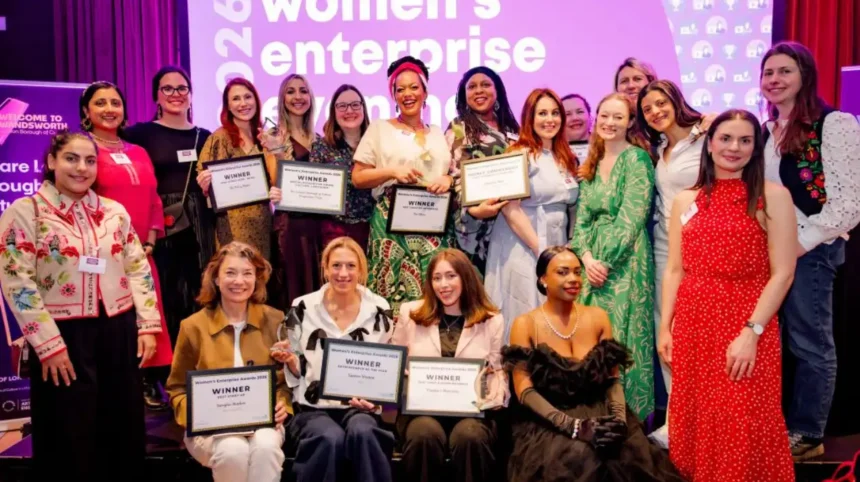
But what does it take to run a successful independent business? And who are the women keeping Wandsworth buzzing? I sat down with some of the familiar faces across Wandsworth to understand what it takes.
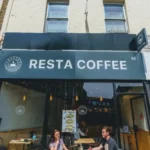
For Katie Coull, 31, and Geralyn Roberts, 41, setting up shop in Wandsworth felt completely natural.
“Both of us live in the area and the reason we live here is because even though we are in London it feels really like a village. We love it here and we love the community of it.”
The pair were drawn to the other local businesses in the area, immediately creating friendships with other independents.
They also spoke about the joy of having an all-female team, saying:
“We only have female staff, not deliberately but it has gone that way. Our accountant and social media support are women, all our freelance workshop runners have been non-binary or female. There are so many skilled women in these fields, running independent businesses. We are just picking the best people to work with – who happen to be women.”
For Ahana, 26, founder and CEO of skincare tracking app Clear, who works fully remote, community is extra important.
Wandsworth’s council-run female founder events offer exactly the community Ahana is looking for. She notes that the “strong women in the local community who have worked through a lot of their own challenges, and become really supportive” are a key inspiration for her.
In particular, Ahana recalls,
“meeting Fatima, the founder of Maternal Serenity. She is the most bubbly and sweet lady ever. I almost look up to her as a mentor and someone who has an amazing spirit.”
Jamie Doll, 45, founder of Sand Club also centres community in her approach. After having her first child during lockdown, Jamie struggled with the isolation from the rest of the world, and worries about the effect this will have on her son as he grows up.
This was part of what motivated her to create a play club for parents to bring their kids to after school. And for Jamie, it’s also a chance to relive what she missed out on during the pandemic:
“I was wondering, what can I do to fill that cup again for me as a woman? Where I can experience that maternity again and also give back to others that might be feeling the same isolation.”
The club has already built its own community, with Jamie noting
“I’ve had people come with their first born child and now coming back with their second.”
She’s seen everything from first steps, first hugs, and even parents announcing their upcoming pregnancies.
Staying afloat as an independent business is no small achievement, especially as the increasing cost of living eats into profits.
Katie and Geralyn found an unexpected, yet perhaps predictable, challenge in setting up their business. Geralyn recalls:
“One thing that we found in our adversity is that you shouldn’t feel you should be nice and polite in correspondence when you need to get things done as a woman.”
“People would mention tone and attitude which feels like a common response to women in business,”
added Katie. The pair both felt that they weren’t always taken seriously in the early days, and attribute this at least in part to a culture of misogyny.
For Jamie, setting up a business hasn’t meant leaving her old life behind. Instead, she has simply had to learn to multitask. She still works as a bookkeeper for an accountant whilst running the club, having set up a small desk in the corner.
But she doesn’t mind the challenge, saying:
“When you are building up your own business, you don’t do it for the money.”
Fahmina Umair, 53, founded Fahmina’s Beauty Spot 10 years ago. She notes that
“it’s really hard these days surviving as a small business”
but believes in hard work and consistency, saying:
“Even though we are taking small steps every day, that is the journey towards success – small, slow and steady.”
Building from scratch means constantly learning, and always having to defend your corner – as Ahana has experienced.
She recalls often being challenged to prove her competence as a founder in tech, saying,
“female founders are very underrepresented, particularly in the technology industry. I often get told ‘you don’t look like someone with a physics degree.’”
Even more frustratingly, she has often been asked “who wrote the code for your platform?” The answer is, of course, Ahana.
Fahmina notes that it can be challenging to stay motivated amidst adversity, saying:
“We are humans, there are many times when we are feeling weak and down but the main thing is overcoming those times, and making sure to stand up again and never give up.”
She tells any future entrepreneurs to “believe in yourself, do not think too much, and take small steps.”
For Jamie, being a female founder means working in several departments at once.
“You’re not just opening a business,”
she says,
“you’ve got to know your socials, business and accounting. But don’t let that hold you back”
But it’s not just work, work, work for these women. Ahana can often be found out on runs, saying
“I am a huge fan of Battersea Park.”
Fahmina also admires Wandsworth’s green spaces, saying:
“I love to walk along the river and visit the parks there.”
Katie, who lives just a few doors down from her business in Earlsfield, adds:
“My favourite thing about Wandsworth is that I can walk out of my front door and I have access to anything I want. A wide selection of food, cinema, drinks, pottery. There is so much in such a small area. It feels like the best village in the world with every amenity.”
The independent businesses across Wandsworth are central to its community-powered charm that makes the borough so unlike the rest of London.