Key Points
- Seven-Month Duration: Lewisham High Street is scheduled to experience overnight closures for up to seven months, running from late October 2026 through to May 30, 2027, or until resurfacing work is finalized.
- Southbound Carriageway Affected: The overnight restrictions specifically apply to the southbound section of the high street between the junction with Ladywell Road and Molesworth Street.
- Nightly Time Frame: Closures will operate each evening from 9:00 pm until 6:00 am the following morning, guided by temporary street signage.
- Access and Parking Restrictions: Motorists will be prohibited from entering or exiting Longbridge Way at its junction with Lewisham High Street, and stopping will be banned between Ladywell Road and Whitburn Road.
- Bus Lane Adaptation: Transport for London (TfL) will temporarily allow general vehicular traffic to utilise the northbound bus lane on Lewisham High Street between Ladywell Road and Whitburn Road.
- Exemptions and Diversions: Emergency service vehicles and construction apparatus are exempt from restrictions. A signed diversion route will direct affected traffic through surrounding arterial roads.
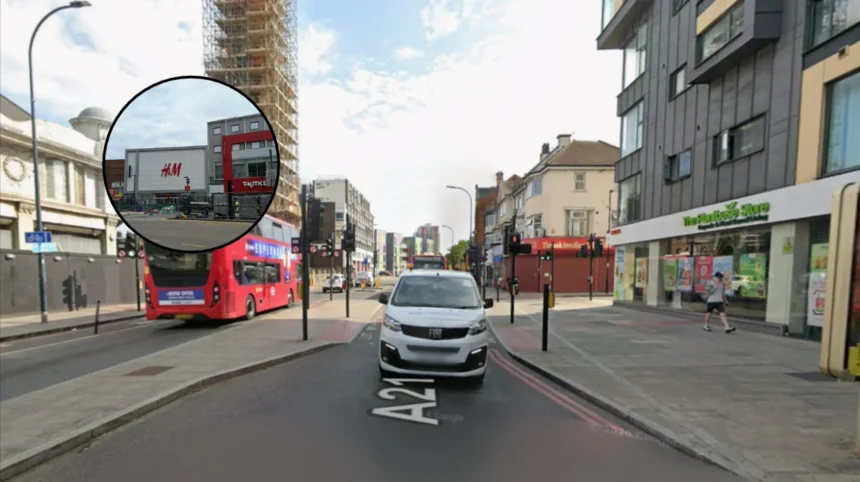
Lewisham (South London News) October 30, 2026 – Transport for London (TfL) has confirmed that the southbound carriageway of Lewisham High Street is to undergo extensive resurfacing works resulting in up to seven months of overnight closures. The affected area spans the stretch of road located between Ladywell Road and Molesworth Street. The essential maintenance programme is scheduled to commence on Friday, October 30, 2026, and is projected to run until May 30, 2027, or until all resurfacing operations are fully completed, depending on which outcome occurs first.
During this timeframe, statutory highway closures will take effect each night from 9:00 pm until 6:00 am the following morning. Transport for London officials have indicated that temporary traffic signage will be positioned throughout the route to inform road users of the operational hours and exact boundaries of the restrictions. The primary objective of the scheme is to overhaul the underlying road membrane and replace worn asphalt across the designated corridor.
What Specific Traffic Restrictions and Exemptions Will Be Implemented?
To facilitate the safe execution of the resurfacing machinery and working crews, several movement restrictions are being placed on adjoining streets along Lewisham High Street. Motor vehicles will be barred from entering or exiting Longbridge Way at its point of intersection with Lewisham High Street during active work hours. In addition, Transport for London has instituted a complete ban on vehicle stopping—including parking, loading, and waiting—along the stretch situated between the junctions with Ladywell Road and Whitburn Road.
To ease potential southbound traffic congestion and maintain local accessibility, transport authorities are adjusting existing highway regulations. Transport for London will permit general motor vehicles to travel inside the northbound bus lane on Lewisham High Street between the Ladywell Road and Whitburn Road junctions while overnight works are actively taking place. Statutory exemptions to these traffic regulations will apply to emergency service vehicles on active duty, vehicles directly engaged in the resurfacing works, and any vehicle operating under the direct instruction of a police constable or a person authorised by Transport for London.
How Will Diversion Routes Direct Local and Regional Traffic?
To guide motorists around the closed southbound carriageway, Transport for London has established a comprehensive diversion strategy using designated road signage. The recommended alternative route will direct drivers away from the high street via Albion Way, leading traffic along Clarendon Rise, Lee High Road, Eltham Road, Sidcup Road, Brownhill Road, and Passy Road before rejoining primary routes.
Local highway managers advise drivers and commercial hauliers to allow additional journey time when travelling through central Lewisham during overnight hours. Public transport passengers utilizing late-night bus routes passing through the district may also encounter modified stopping locations or brief detours, though emergency access to nearby healthcare facilities and commercial hubs will remain protected throughout the multi-month infrastructure overhaul.
Background
Lewisham High Street serves as a principal arterial route within the London Borough of Lewisham, facilitating heavy volumes of everyday commuters, local bus services, and commercial freight transport moving between inner and outer South East London. Over years of continuous, high-density traffic usage, arterial roads across the capital experience surface deterioration, including rutting, potholes, and worn surface friction, requiring routine structural resurfacing to preserve long-term highway safety and integrity.
Transport for London holds direct responsibility for the management and maintenance of major arterial routes across Greater London, known collectively as the Transport for London Road Network (TLRN). Major resurfacing projects on key town-centre corridors are deliberately structured as overnight operations to minimize daytime gridlock, maintain local trade during core business hours, and prevent severe disruption to peak-time public transit operations.
Prediction
The seven-month overnight resurfacing programme will directly impact local residents, night-shift workers, commercial deliveries, and local bus commuters across South East London. Residents living directly adjacent to Lewisham High Street, Ladywell Road, and the surrounding detour routes can expect periodic increases in ambient night-time noise, stemming from heavy machinery, asphalt milling, and diverted traffic flow between 9:00 pm and 6:00 am.
For commercial drivers and local businesses relying on evening logistics, the prohibition of loading and stopping between Ladywell Road and Whitburn Road, alongside the closure of the Longbridge Way junction, will necessitate reconfigured delivery schedules and alternative off-street loading arrangements. While the temporary opening of the northbound bus lane to general traffic will mitigate localized queueing, long-distance motorists and late-night bus passengers navigating South East London should anticipate minor travel delays along the signed diversion corridor via Lee High Road and Sidcup Road throughout the winter and spring periods.