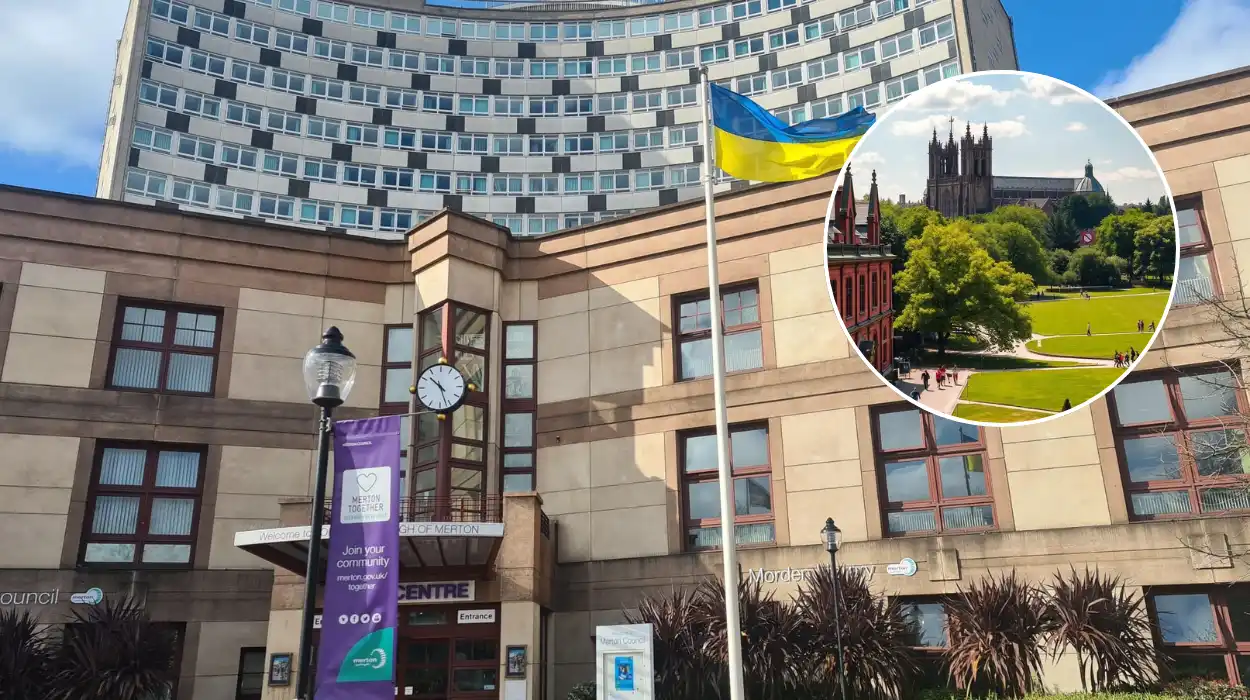
The London Borough of Merton, governed by Merton Council, emerged in 1965 from the merger of ancient Surrey parishes including Wimbledon, Mitcham, Morden, and Merton itself. These areas transitioned from rural landscapes dotted with Roman roads like Stane Street to bustling urban centers, with Wimbledon gaining municipal borough status in 1905 and Mitcham in 1934. The naming choice settled on “Merton” to honor the historic parish near South Wimbledon, resolving disputes between larger neighbors, while the council’s official title became “The Mayor and Burgesses of the London Borough of Merton.” Operating from the Merton Civic Centre in Morden—once Crown House built in 1962—the council shifted administrative focus from Surrey to Greater London under the 1963 London Government Act.
Governance Structure Today
Merton Council maintains Labour majority control since 2014, overseeing 60 councillors across 19 wards where political lines often reflect local divides. Wimbledon wards tilt Liberal Democrat, capturing 17 of 27 seats in recent 2022 elections, while areas like Merton Park favor the Residents Association. Responsibilities encompass council tax setting, business rates collection, and planning permissions that align with national guidelines and Greater London Authority policies. Previously sharing duties with the Greater London Council until its 1986 abolition, Merton now handles expanded local services independently.
Core Services for South London Residents
Residents benefit from Merton Council’s wide-ranging services, including council housing management, adult social care through welfare benefits support and home visits, and collaborations like the South West London Law Centre for housing guidance. Libraries, cemeteries, refuse collection, traffic management, and environmental health all fall under its purview, with a strong emphasis on sustainable planning and climate initiatives. As the local education authority, it addresses challenges like the 40% of 19-year-olds lacking level 3 qualifications—a concerning statistic ranking fifth worst in London—while facilitating welfare benefits assistance from 9am to 5pm weekdays.
Transport and Connectivity Highlights
Merton stands out in South London for its exceptional transport network, uniquely offering Northern and District Tube lines alongside National Rail services at 13 stations such as Wimbledon and Raynes Park, plus Tramlink stops from Wimbledon to Mitcham. Commuting patterns show 19.2% driving, 26% using rail or tram, and 5% walking, making daily travel efficient for work and leisure. These links enhance accessibility, supporting the borough’s role as a commuter-friendly hub.
Diverse Demographics and Community Life
Merton’s population reached 215,187 in 2021, marking a 6.3% rise from 2011 with a density of 5,808 people per square kilometer across 38 square kilometers. The median age sits at 37.8—younger than the UK average—with 51.5% female and growing ethnic diversity: 60.2% White (41.2% British), 18.6% Asian, 10.6% Black, 5.9% Mixed, and 4.6% Other. Poverty affects 14% (2020’s second lowest in London), with professionals leading economic activity at 66.7%, though deprivation persists in southern and eastern wards like St Helier contrasted by affluence in the north and west.
Cultural Landmarks and Attractions
Wimbledon Championships captivate global audiences yearly at Church Road, drawing over 200,000 visitors as a cornerstone Grand Slam event. Historic Merton Park Studios produced classics from 1929 to 1967, including Scotland Yard series and Carry On films, while football fans celebrate the original Wimbledon FC’s 1988 FA Cup triumph and AFC Wimbledon’s 2021 return to Plough Lane. Expansive green spaces like Mitcham Common and Morden Park, alongside media ties to ITV’s The Bill filmed in Mitcham and Colliers Wood, enrich cultural life.
Notable Achievements and Green Initiatives
Merton Council earned national acclaim for pioneering the world’s first low-emission construction zone, alongside recent 2025 investments exceeding £950,000 in civic pride projects, community centers, green spaces, and energy bill relief. Sustainability efforts extend to Tramlink expansions and robust climate policies, with honors like Freedom of the Borough awarded to tennis icons Andy Murray and Virginia Wade. Housing support through MILES home care further bolsters community welfare.
Why Merton Thrives in South London
Merton’s fusion of sporting prestige, multicultural vibrancy, and forward-thinking council governance positions it as a standout South London destination affordable compared to central boroughs. Strong transport, low poverty, and accessible services from planning tools to benefits advice cater seamlessly to families and professionals alike. From medieval farmsteads to contemporary innovations, Merton Council preserves enduring appeal for residents and visitors.