Key Points
- David Greenhalgh, 68, of Croydon, South London, and Greek national Christos Farmakis, 48, were found guilty on multiple charges of illegal arms trafficking at Southwark Crown Court on June 11, 2026
- The pair brokered supply of ex-Soviet jets, surface-to-air missile systems, anti-tank missiles, and thousands of AK-47 assault rifles to conflict zones including Sudan, South Sudan, Libya, Iraq, and Iran between 2009 and 2016
- Some deals ran into tens of millions of dollars, according to HM Revenue and Customs (HMRC) investigation
- None of the deals were licensed by UK authorities; the men used forged end-user certificates falsely claiming goods were destined for countries not subject to sanctions
- Greenhalgh operated through his ‘Airservices’ group of companies registered across UK, Greece, North Macedonia, and South Sudan, deliberately routing deals through overseas subsidiaries
- Farmakis did not attend trial and will be extradited; HMRC is working with international partners to bring him to the UK
- Both men were guilty on eight charges of illegal arms trafficking; Greenhalgh faced two additional charges, Farmakis one extra count
- Sentencing is scheduled for July 22, 2026, after a nine-week trial
- This is UK’s first prosecution for illegal arms brokering under the Export Control Order 2008
- Prosecutor Edward Burge, KC stated weapons were provided “with no documentation necessary and without a UK license being applied for or secured”
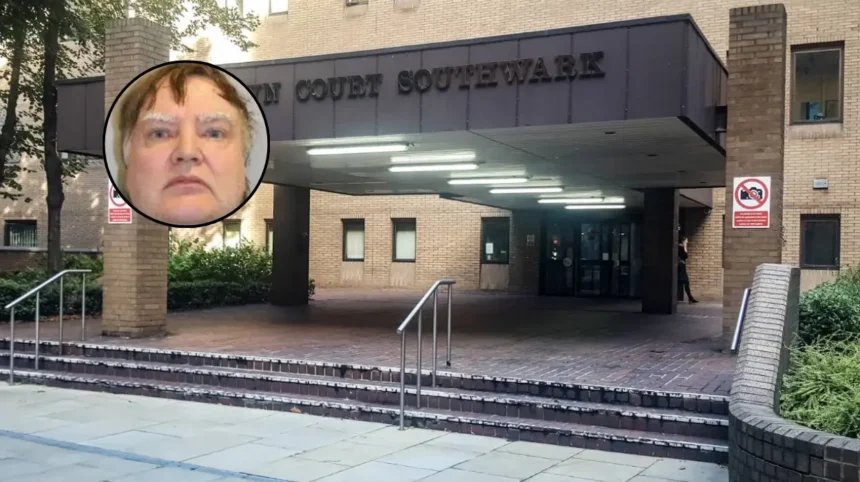
Croydon (South London News) June 12, 2026 – A Croydon man is one half of a pair who illegally sold fighter jets and weapons to war zones like Sudan, South Sudan and Libya, with Southwark Crown Court delivering guilty verdicts on June 11, 2026, after a nine-week trial that uncovered tens of millions in unlicensed arms deals.
- Key Points
- What Exactly Did David Greenhalgh and Christos Farmakis Do in This Arms Trafficking Case?
- Which Weapons Were Involved and Where Were They Sent?
- How Did the Men Conceal Their Illegal Arms Deals from UK Authorities?
- Where Did Greenhalgh Operate His Arms Brokering Business?
- What Was the Financial Scale of These Illegal Arms Deals?
- What Charges Were Each Man Found Guilty Of?
- When Will Greenhalgh and Farmakis Be Sentenced?
- What Did HMRC and CPS Officials Say About These Convictions?
- Why Is This Case Considered UK’s First Illegal Arms Brokering Prosecution?
- What Specific Weapons Were Allegedly Sent to Each Conflict Zone?
- Background: The Development of UK Arms Brokering Laws and This Historic Case
- Prediction: How This Arms Trafficking Conviction Will affect South London Residents and the UK Arms Trade Community
What Exactly Did David Greenhalgh and Christos Farmakis Do in This Arms Trafficking Case?
As reported by HM Revenue and Customs (HMRC) in their official press release, David Greenhalgh, 68, of Fairfield Road, Croydon, South London,
“helped broker the supply of ex-Soviet jets, surface-to-air missile systems, anti-tank missiles, and thousands of assault rifles between 2009 and 2016”.
His business partner was Greek Christos Farmakis, 48, who was also found guilty of similar offences and did not attend trial, with authorities working to extradite him.
The pair acted as middlemen to arrange, transport and deliver weapons without the licences required under UK law, according to the HMRC investigation. Prosecutor Edward Burge, KC, stated that these weapons were provided
“with no documentation necessary and without a UK license being applied for or secured”.
Which Weapons Were Involved and Where Were They Sent?
As reported by BBC News, the convicted men tried to broker supply of arms to destinations including Sudan, South Sudan, Libya, Iraq and Iran. The weapons included:
- Ex-Soviet fighter jets (MiG-29, Su-25, Su-27 aircraft)
- Surface-to-air missile systems (Pechora S-125)
- Anti-tank missiles and ammunition
- Thousands of AK-47 assault rifles
- Battle tanks and spare parts
- Mi-24V attack helicopters to Sudan
- Radar equipment
- Rocket-propelled grenades to Syria
As reported by Specialist Prosecutor Anja Hohmeyer from the Crown Prosecution Service,
“Greenhalgh and Farmakis treated the international arms trade as their personal business opportunity – systematically sourcing weapons from former Soviet states and attempting to channel them into some of the world’s most dangerous conflict zones, including Libya and South Sudan”.
How Did the Men Conceal Their Illegal Arms Deals from UK Authorities?
To conceal the true destination of the weapons, they used forged end-user certificates falsely claiming the goods were destined for countries not subject to sanctions, according to HMRC. As reported by Yahoo News UK, Greenhalgh was eventually detained following a seven-year inquiry conducted by HM Revenue Customs, which revealed that Greenhalgh and Farmakis had
“falsified end-user certificates to obscure the true destinations of the weapons, incorrectly asserting that the items were intended for nations not under sanctions”.
Anja Hohmeyer, Specialist Prosecutor from the Crown Prosecution Service, stated:
“Their own emails showed them discussing how to evade UK licencing controls, falsify end user certificates and disguise the true nature of their deals. One document found on Farmakis’s device was nothing less than a blueprint for wholesale evasion of the UK’s arms controls”.
Where Did Greenhalgh Operate His Arms Brokering Business?
Greenhalgh operated through his ‘Airservices’ group of companies, registered across multiple countries including the UK, Greece, North Macedonia and South Sudan, according to HMRC. As reported by Express.co.uk,
“Greenhalgh was the proprietor and managing director of the ‘Airservices’ group, which operated in several jurisdictions, the UK Greece, Hong, and South Sudan”.
He deliberately routed deals through his overseas subsidiaries in an attempt to place transactions beyond UK jurisdiction, HMRC explained. However, as a UK national, he was still subject to UK trade controls wherever in the world he did business.
The men operated at the centre of a complex international network, sourcing weapons and military equipment from defence ministries in former Soviet states and Soviet-aligned states.
Ageing stockpiles of missiles, fighter aircraft, battle tanks and small arms were available for sale in countries such as Ukraine, Belarus, Serbia and the Czech Republic.
What Was the Financial Scale of These Illegal Arms Deals?
Some of the dodgy deals ran into tens of millions of dollars, according to HM Revenue and Customs (HMRC). As reported by Yahoo News UK,
“a jury found both men guilty of facilitating illegal arms transactions valued in the tens of millions of pounds”.
Because many of their customers were countries desperate for equipment and banned from buying weapons on the open market, they were willing to pay vastly inflated prices, HMRC noted.
What Charges Were Each Man Found Guilty Of?
On Thursday, Southwark Crown Court determined both men were guilty on eight charges of illegal arms trafficking. Greenhalgh, a British citizen, faced two additional similar charges, while Farmakis, a Greek national who was tried in absentia, was convicted of one extra count.
According to the HMRC press release notes:
- David Greenhalgh, DOB 2/3/1958, was found guilty of counts 1, 2, 5, 6, 7, 8, 9, 10, 11, 12, under the Export Control Order 2008
- Christos Farmakis, DOB 7/4/1978, a Greek national, was found guilty of counts 1, 2, 5, 6, 8, 10, 11, 12 and 13 under the Export Control Order 2008
Greenhalgh was convicted of ten counts under the Export Control Order 2008, while Farmakis was convicted of nine counts in his absence, according to Instagram reporting.
Explore More Croydon News
Croydon Lottery Winner Risks Losing £120,000 | Croydon 2026
Croydon Nanny Wins £71,000 Porsche in BOTB Competition | Croydon 2026
When Will Greenhalgh and Farmakis Be Sentenced?
The men were found guilty at Southwark Crown Court today (11 June 2026) after a nine-week trial. They will be sentenced on 22 July 2026.
Christos Farmakis’s UK address is Clearwater Place, Long Ditton, Surbiton, Surrey, but he is thought to be currently residing in Greece. HMRC is working with international partners to bring him to the UK to face justice.
What Did HMRC and CPS Officials Say About These Convictions?
“Greenhalgh and Farmakis showed a blatant disregard for international sanctions, seeking to profit from the illegal supply of weapons. These convictions are a clear warning to others that you will face justice for breaching the UK’s strict controls and brokering illegal supplies to sanctioned and embargoed destinations. Effective controls and enforcement of the licencing regime contribute to the UK’s national security. It’s a priority for the UK Government and HMRC will pursue those who try to circumvent it”.
Anja Hohmeyer, Specialist Prosecutor from the Crown Prosecution Service, said:
“This conviction sends a clear message: UK arms trafficking and brokering laws apply to anyone subject to this jurisdiction, wherever in the world they try to conduct their business. The CPS will not hesitate to prosecute those who seek to profit from conflict”.
Why Is This Case Considered UK’s First Illegal Arms Brokering Prosecution?
As reported by Express.co.uk, this is
“UK’s first prosecution for illegal arms brokering”
under the Export Control Order 2008. The UK’s export licencing regime is administered by the Export Control Joint Unit (ECJU).
The prosecution underscored the absence of limitation periods in the UK for these types of offences, meaning prosecutions can occur regardless of how long ago the alleged crimes took place. The exports are said to have taken place between 2009 and 2016.
What Specific Weapons Were Allegedly Sent to Each Conflict Zone?
As first reported by Global Investigations Review, the prosecution detailed specific weapons sent to different countries:
- Libya: Fighter jets, radar systems, missiles and ammunition
- South Sudan: Battle tanks and associated spare parts, AK-47 rifles, anti-tank missiles and ammunition
- Syria: Missiles, launchers and rocket-propelled grenades; 5,500 AK-47 rifles and 100,000 tonnes of ammunition
- Sudan: Pechora S-125 surface-to-air missile systems, radar equipment and MiG-29, Su-25 and Su-27 fighter jets; Mi-24V attack helicopters
- Iran: Unspecified quantities of AK-47 rifles
Farmakis is further accused of being involved in the illicit supply of 25,000 pistols to an unnamed country and unspecified quantities of AK-47 rifles to South Sudan and Iran.
Background: The Development of UK Arms Brokering Laws and This Historic Case
This conviction represents the UK’s first prosecution for illegal arms brokering under the Export Control Order 2008, marking a significant milestone in the UK’s enforcement of arms trade controls. The case emerged from a seven-year HMRC investigation that began around 2017, following concerns about unlicensed military exports.
The Export Control Order 2008 governs the UK’s export licencing regime for military goods, requiring trade control licences even when goods do not pass through the UK but are trafficked or brokering outside the UK. The Export Control Joint Unit (ECJU) administers this regime.
Greenhalgh and Farmakis sourced weapons from defence ministries in former Soviet states including Ukraine, Belarus, Serbia and the Czech Republic, where ageing stockpiles became available after the collapse of Soviet military infrastructure. The trial at Southwark Crown Court lasted nine weeks, concluding with verdicts on June 11, 2026.
The prosecution highlighted that there are no limitation periods in the UK for arms trafficking offences, enabling prosecution of crimes committed between 2009 and 2016. This legal framework allows authorities to pursue cases regardless of how long ago alleged offences occurred.
Prediction: How This Arms Trafficking Conviction Will affect South London Residents and the UK Arms Trade Community
This development will affect South London residents and UK arms trade professionals in several measurable ways. For South London residents in Croydon and surrounding areas, the conviction demonstrates that UK law enforcement actively monitors and prosecutes arms brokering activities originating from local communities, regardless of where transactions occur internationally.
For businesses involved in aviation, arms manufacturing, or international trade registered in South London, this case establishes clear precedent that UK nationals remain subject to UK trade controls wherever they conduct business globally. The HMRC statement that
“effective controls and enforcement of the licencing regime contribute to the UK’s national security”
signals increased scrutiny on export compliance.
The sentencing on July 22, 2026, will establish sentencing benchmarks for future arms brokering cases under the Export Control Order 2008.
This affects legal practitioners, compliance officers, and export businesses who must now reference this case when advising on licence requirements.
For the broader UK arms trade community, Edwige Hill’s statement that “these convictions are a clear warning to others that you will face justice for breaching the UK’s strict controls” indicates HMRC will increase enforcement priorities.
Businesses operating overseas subsidiaries must recognize that routing transactions through foreign entities does not evade UK jurisdiction for UK nationals.
The ongoing extradition efforts for Farmakis demonstrate UK authorities’ commitment to pursuing all parties involved in illegal arms brokering, regardless of current location. This affects international business partners who may face similar scrutiny if connected to unlicensed arms transactions.
Local residents in Croydon will see increased awareness of how international criminal networks can operate from suburban locations, potentially affecting community perceptions of local business activities and increasing vigilance regarding suspicious international trade connections originating from their area.