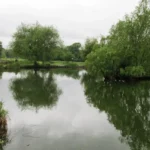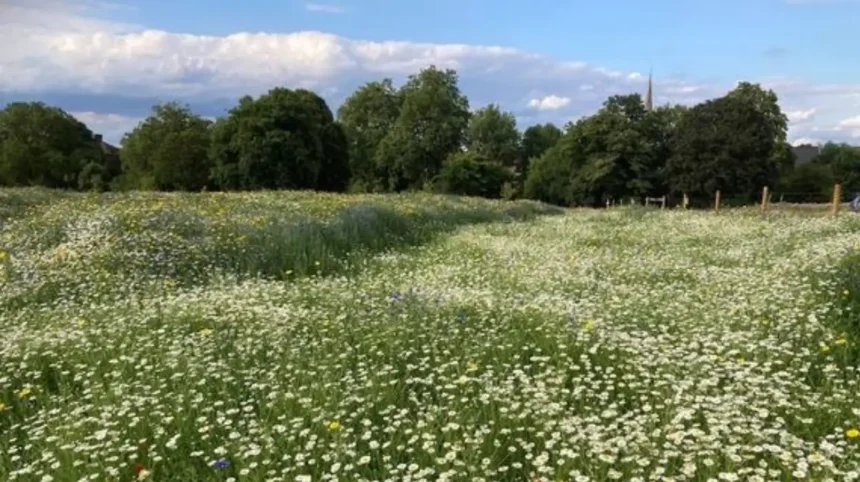
Lambeth offers a wide range of places where visitors can experience urban wildlife without leaving South London. The borough contains large historic parks, Local Nature Reserves, woodland, ponds, meadows, community nature gardens and wildlife-friendly streets. These habitats support birds, mammals, insects, amphibians, plants and fungi.
- Where can visitors find the best wildlife habitats in Lambeth?
- What wildlife can visitors see at Brockwell Park?
- What wildlife can visitors see at Norwood Park?
- Why is Unigate Wood important for wildlife watching?
- Can visitors see wildlife at Eardley Road Sidings?
- What makes Palace Road Local Nature Reserve different?
- Where can visitors find woodland wildlife in Lambeth?
- Can visitors see wildlife in Vauxhall?
- Can visitors see wildlife in smaller Lambeth nature gardens?
- How do Lambeth’s parks support pollinators?
- Why are ponds and wetlands important for Lambeth wildlife?
- How does Lambeth connect wildlife habitats across the borough?
- When is the best time to see wildlife in Lambeth?
- How should visitors watch wildlife responsibly in Lambeth?
- Why does urban wildlife matter for Lambeth?
- What is the future of wildlife habitats in Lambeth?
Lambeth Council currently manages a large network of parks and open spaces, with its parks directory identifying wildlife areas, nature conservation areas, ponds, wetland habitats, community gardens and other green features.
Wildlife watching in Lambeth is therefore not restricted to one major attraction. Nature appears across different habitats and neighbourhoods. Brockwell Park provides ponds, mature trees and meadows. Norwood Park contains native hedges and a wildlife pond. Unigate Wood provides woodland habitat. Eardley Road Sidings combines grassland and woodland. Palace Road Local Nature Reserve contains ponds, woodland, meadow and an orchard.
London’s wider green infrastructure also supports this network. London has around 3,000 parks and a large network of rivers, canals, reservoirs and green spaces. Around 20 per cent of the capital is public green space.
For visitors, this means Lambeth provides opportunities to see wildlife during ordinary walks, park visits and short breaks. Early mornings, quieter afternoons and periods of lower visitor activity provide practical opportunities for observing birds and other animals without disturbing them.
Where can visitors find the best wildlife habitats in Lambeth?
Visitors can find wildlife habitats across Lambeth in large parks, woodland reserves, ponds, meadows, gardens and former railway land. Important locations include Brockwell Park, Norwood Park, Unigate Wood, Eardley Road Sidings and Palace Road Local Nature Reserve.
Lambeth’s wildlife habitats vary considerably in structure. Large parks contain several habitat types within one site. Smaller nature reserves provide more specialised environments.
Lambeth Council identifies biodiversity as an important part of the borough’s natural environment and maintains a Biodiversity Action Plan covering habitats, conservation areas, wildlife interests and tree protection.
The borough’s parks directory also allows visitors to identify sites with wildlife areas, nature conservation areas, ponds and ornamental or wildlife ponds with wetland habitats.
The most useful locations for wildlife watching are those containing several habitat features. A pond supports aquatic life and birds. Mature trees provide nesting and feeding locations. Meadows support insects and flowering plants. Woodland provides cover for mammals, birds and invertebrates.
Visitors should therefore look beyond open lawns. Wildlife often concentrates around habitat edges, ponds, hedges, woodland margins, long grass and mature trees.
What wildlife can visitors see at Brockwell Park?
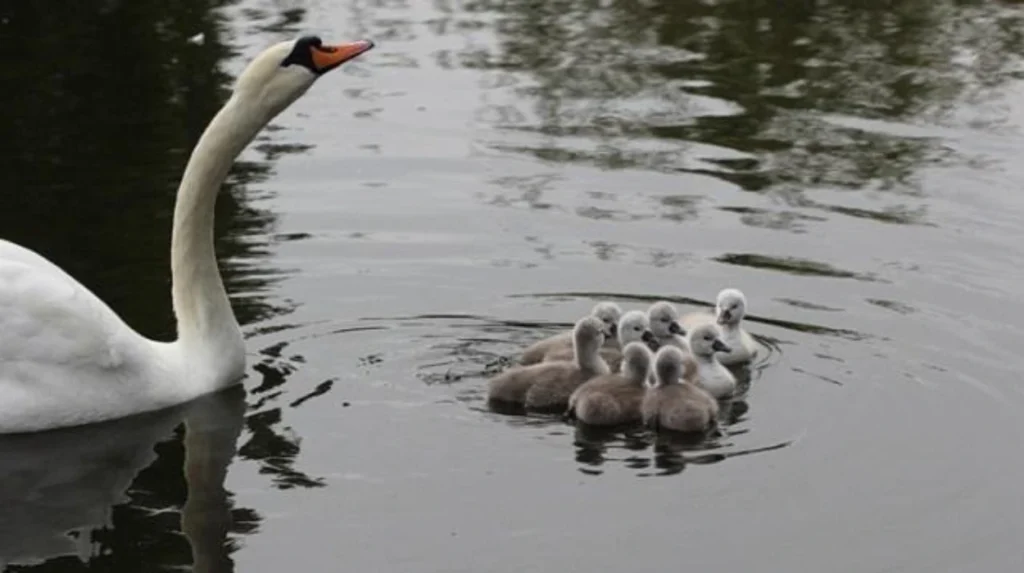
Brockwell Park supports urban wildlife through ponds, ancient oak trees, meadows, a walled garden and other planted areas. Visitors can look for common park birds, insects and other species around water, mature vegetation, meadow areas and woodland margins.
Brockwell Park is one of Lambeth’s major green spaces. The park contains ponds, mature trees including ancient oaks, an Old English walled garden and wide open meadows. Lambeth Council designates it as a Borough Site of Importance for Nature Conservation, recognising its wildlife value.
The combination of water, trees and open vegetation creates several wildlife niches. Ponds provide aquatic habitat. Mature trees provide nesting and feeding opportunities. Meadow vegetation supports insects and flowering plants. The walled garden adds another managed habitat.
Brockwell Park also has a significant heritage dimension. Brockwell House was associated with the landscaped parkland before the land became a public park in the 1890s. The park officially opened to the public in 1892.
As you explore the modern landscape, you are also crossing land with a long history. Read the full to understand its origins.
For wildlife observation, the ponds and mature trees provide particularly useful focal points. Visitors should remain on established paths and keep dogs under control where local rules require it.
What wildlife can visitors see at Norwood Park?
Norwood Park combines mature trees, native hedges, species-rich meadow areas and a fenced wildlife pond. Its elevated position and connection with the historic Great North Wood make it an important South London location for experiencing woodland-associated urban wildlife.
Norwood Park occupies one of Lambeth’s higher points and provides views across South London. Its natural features include a tree-lined Country Walk, extensive native hedges, a wildlife pond and meadow areas.
The park forms part of the wider ecological story of the Great North Wood. The Great North Wood was historically a large area of woodland extending across parts of South London.
Norwood Park also contains a buried section of the River Effra. The River Effra is one of London’s historic lost rivers, with sections now hidden underground.
Wildlife watching here benefits from the combination of habitats. Native hedges provide cover and food. Meadow areas support insects. Mature trees provide nesting and roosting locations. The pond supports wetland-associated species.
Norwood Park is also designated as a Local Nature Reserve. Local Nature Reserves are sites managed for nature conservation and public enjoyment under the National Parks and Access to the Countryside Act 1949. Lambeth Council identifies Norwood Park as one of its Local Nature Reserves.
Visitors interested in birds should scan mature trees and hedgerows rather than focusing only on open grass.
Why is Unigate Wood important for wildlife watching?
Unigate Wood provides a compact woodland habitat containing mature and semi-mature trees, grassland, scrub and dead wood. It supports birds, small mammals, bats, butterflies, other invertebrates and stag beetles within a protected South London nature site.
Unigate Wood Local Nature Reserve is a secondary deciduous woodland habitat in Streatham. Its trees include native species such as oak, ash and hawthorn alongside other established trees.
Lambeth Council records a wide range of wildlife at the reserve. Birds include woodpeckers, blackbirds, song thrushes, mistle thrushes, greenfinches, robins and wrens. Grey squirrels, shrews, bank voles and foxes use the woodland and grassland. Bats and stag beetles are also recorded.
Dead wood is particularly important. Decomposing trunks, branches and stumps provide habitat for fungi and insects. Stag beetle larvae develop in decaying wood, with the larval stage lasting for several years.
Unigate Wood was formally declared a Local Nature Reserve on 10 March 2022. It is one of six Local Nature Reserves identified by Lambeth Council.
The reserve is also managed as an educational and volunteering resource. Improvements planned for 2026 and 2027 include better access, improved safety and additional volunteering opportunities.
Visitors should avoid removing dead wood, disturbing vegetation or approaching wildlife. These actions protect the habitat that makes the reserve valuable.
Can visitors see wildlife at Eardley Road Sidings?
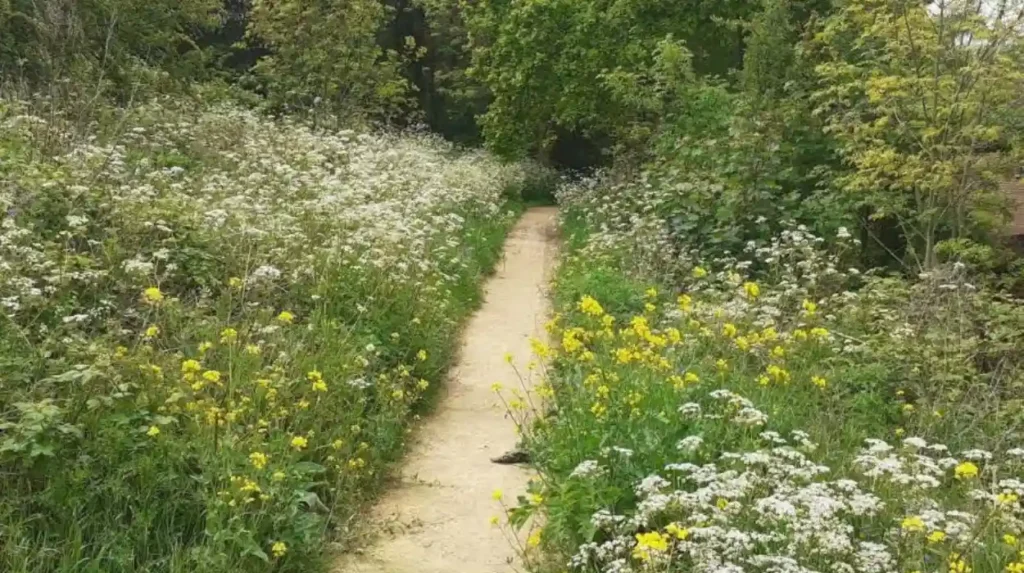
Eardley Road Sidings provides wildlife habitat on former railway land between Streatham Common and Streatham Vale. Its mixture of grassland and woodland supports wild plants, insects, mammals and more than 33 recorded bird species.
Eardley Road Sidings Local Nature Reserve demonstrates how former infrastructure land can develop ecological value.
The site was once part of railway sidings, depot yards and repair sheds associated with the London, Brighton and South Coast Railway. The railway facilities gradually declined and were abandoned during the 1960s.
Today, the reserve contains grassland and woodland. Lambeth Council records more than 33 different bird species at the site. Wild plants, trees, insects and mammals also use the habitat.
Eardley Road Sidings was formally designated as a Local Nature Reserve on 10 March 2022. It is also a Borough Site of Importance for Nature Conservation.
The site is particularly relevant to visitors interested in railway heritage and urban ecology. Its history demonstrates how land previously used for transport infrastructure can become an important habitat.
Birdwatchers should examine woodland edges and grassland rather than only the central paths. Insects are easier to observe around flowering vegetation during warmer months.
What makes Palace Road Local Nature Reserve different?
Palace Road Local Nature Reserve combines ponds, mature trees, woodland understorey, wildflowers, meadow, an orchard and grassland within a small Streatham site. Its varied habitats support wild birds, invertebrates, fungi, frogs, toads and newts.
Palace Road Local Nature Reserve occupies land formerly associated with two large houses and their gardens. The houses at 34 and 36 Palace Road were demolished during the 1980s, after which the land became public open space.
Several trees and shrubs from the former gardens remain. Recorded tree species include ash, English oak, holm oak, whitebeam, sycamore, Cedar of Lebanon, swamp cypress and coastal redwood.
The woodland understorey includes holly, hawthorn, elder, ivy and bramble. These plants provide cover and food for wildlife.
The site contains two ponds. Lambeth Council identifies these ponds as important habitats for tadpoles of frogs, toads and newts. The reserve also supports wild birds, invertebrates and fungi.
Palace Road was formally declared a Local Nature Reserve in October 2025. It became Lambeth’s sixth Local Nature Reserve.
A summer flowering meadow, orchard and additional woodland paths have also been developed through local community involvement.
For visitors, the reserve provides a compact wildlife experience. Its ponds and woodland areas offer different observation opportunities within a relatively small site.
Where can visitors find woodland wildlife in Lambeth?
Visitors can find woodland wildlife at Unigate Wood, Knight’s Hill Wood and other mature tree habitats across Lambeth. These sites provide nesting, feeding, shelter and decomposing-wood habitats for birds, mammals, insects, fungi and other organisms.
Knight’s Hill Wood Nature Reserve is a small woodland site in West Norwood. It contains ornamental trees inherited from the grounds of Portobello House alongside native trees including oak, ash, elm and hawthorn.
Dead wood is an important feature. It supports fungi and insects, including stag beetle larvae. These organisms form part of the food chain supporting birds and small mammals.
Lambeth Council records woodpeckers, blackbirds, robins and wrens at Knight’s Hill Wood. Wood mice and shrews also use the habitat.
The site is designated as a Local Site of Importance for Nature Conservation and is proposed as a Local Nature Reserve.
Woodland wildlife is often easier to observe from the edge of a habitat. Visitors should walk quietly and avoid entering sensitive vegetation.
Can visitors see wildlife in Vauxhall?
Visitors can find wildlife at Vauxhall Pleasure Gardens through meadow grassland, new tree planting, flowering bulbs and a dedicated wildlife area. The gardens and neighbouring Vauxhall City Farm form a recognised Site of Importance for Nature Conservation.
Vauxhall Pleasure Gardens sits beside Vauxhall station and Vauxhall City Farm. The park contains grass, trees, paths, flowering bulbs and meadow areas.
A Small Pleasure Garden project transformed an underused part of the site into a wildlife area. The project introduced wildlife habitats with a focus on pollinator-friendly planting.
The site and Vauxhall City Farm are designated together as a Local Site of Importance for Nature Conservation.
The location is useful for visitors who have limited time. It provides an accessible urban nature stop close to major transport connections.
The site also has a long history. The original Vauxhall Pleasure Gardens opened as an entertainment venue in 1661 and became particularly popular during the 18th and early 19th centuries. The historic gardens closed in 1859. The present public park was created after the Second World War.
This combination of heritage, public recreation and biodiversity makes Vauxhall an example of how wildlife habitat can exist within a densely developed part of Lambeth.
Can visitors see wildlife in smaller Lambeth nature gardens?
Smaller nature gardens provide important wildlife habitat alongside Lambeth’s larger parks. St Paul’s Churchyard and Eden Nature Garden, Sunnyhill Nature Garden and similar spaces provide ponds, planted areas, wildflowers and community-managed habitats.
Not every wildlife experience requires a large park.
St Paul’s Churchyard & Eden Nature Garden contains a pond, planted beds and wildflower areas. Lambeth Council identifies the churchyard and nature garden as part of a Local Site of Importance for Nature Conservation.
The garden supports environmental education and biodiversity through activities such as planting native British species and organic gardening.
Sunnyhill Nature Garden is another example. It occupies a small area above a railway tunnel between Tulse Hill and Streatham. The former neglected scrub area was transformed into a community nature garden.
Sunnyhill Nature Garden is managed for wildlife interest and environmental education. It is also recognised as a Local Site of Importance for Nature Conservation.
These smaller sites matter because urban wildlife depends on connected habitats rather than isolated large parks alone.
How do Lambeth’s parks support pollinators?
Lambeth supports pollinators through wildflower meadows, flowering plants, hedges, community gardens, roadside habitats and other green spaces. Bees, butterflies, hoverflies and other insects use these areas for food, shelter, nesting and movement.
Pollinators form an important part of urban biodiversity. Bees, butterflies, moths and hoverflies transfer pollen between flowers and support plant reproduction.
Lambeth’s Bee Roads initiative creates wildlife-friendly corridors along roads and highways. These corridors include wildflower-rich roadside verges, meadows, hedges and rain gardens.
Lambeth Council states that its Climate Action Plan includes a commitment to manage 30 per cent of public open spaces and waterways for wildlife by 2030.
The Bee Roads approach recognises that wildlife habitats need connectivity. Parks, nature reserves, railway lines, cemeteries, private gardens and balconies can all provide resources. Wildlife-friendly roadside land can connect these locations.
Visitors can observe pollinators around flowering plants and meadow areas, especially during periods of active flowering. Observation should be passive. Visitors should avoid picking flowers or disturbing insects.
Why are ponds and wetlands important for Lambeth wildlife?
Ponds and wetland habitats provide water, breeding areas, feeding grounds and shelter for urban wildlife. Lambeth sites with ponds support amphibians, insects, birds and aquatic organisms while also contributing to a wider network of green infrastructure.
Water features are important because they provide habitats that dry grassland and woodland cannot replace.
Palace Road Local Nature Reserve contains ponds used by frogs, toads and newts during their development stages. Brockwell Park also contains a network of ponds.
Lambeth’s parks directory specifically identifies ornamental and wildlife ponds with wetland habitats as a park feature.
Wet habitats also contribute to wider environmental functions. London’s green infrastructure network helps absorb stormwater, improve air quality, cool urban areas and support biodiversity.
For wildlife watching, pond margins are particularly useful. Birds often feed around shallow water. Insects gather around emergent and flowering plants. Amphibians use ponds for reproduction.
Visitors should never handle frogs, newts or other wildlife. Keeping pond edges undisturbed protects breeding habitats.
How does Lambeth connect wildlife habitats across the borough?
Lambeth connects wildlife habitats through parks, nature reserves, railway corridors, gardens, hedges, roadside planting and other green spaces. These connected habitats allow species to find food, shelter and breeding areas across an otherwise densely developed urban landscape.
Urban biodiversity depends on networks rather than individual sites.
London’s Local Nature Recovery Strategy identifies bigger, better and more connected habitats as a central principle for nature recovery. It also highlights green corridors, pollinators, healthy soils and improved urban nature.
Lambeth’s Bee Roads programme follows this principle by creating links between wildlife-friendly areas. The council identifies woodland, species-rich grassland, meadows, wetlands, dead wood and standing or moving water as important habitat types.
Railway land is particularly significant. Eardley Road Sidings shows how former railway infrastructure can develop into a valuable habitat. Sunnyhill Nature Garden demonstrates how small spaces above transport infrastructure can also support biodiversity.
For visitors, this means wildlife is not limited to formally labelled nature reserves. A journey between two major parks can pass through smaller ecological stepping stones.
When is the best time to see wildlife in Lambeth?
Early morning generally provides quieter conditions for wildlife observation, while spring and summer provide active flowering, insects and breeding-season activity. Autumn adds berries, fungi and changing vegetation, while winter reveals woodland structure and resident birds.
Wildlife activity changes throughout the year.
Spring brings flowering plants, nesting birds and amphibian activity around ponds. Summer produces abundant insect activity around flowers and meadows. Autumn provides berries, seeds, fungi and changing woodland vegetation. Winter reduces plant cover and can make birds easier to locate among bare branches.
Weather also affects wildlife behaviour. Calm conditions support quieter observation. Heavy rain reduces visible activity for many species.
Visitors should treat these seasonal patterns as observation opportunities rather than guarantees. Wildlife remains unpredictable because animals respond to food availability, temperature, disturbance and habitat conditions.
The most important principle is consistency. Quiet observation in the same habitat over different visits provides a better understanding of local wildlife than a single rushed visit.
How should visitors watch wildlife responsibly in Lambeth?
Visitors should observe wildlife without feeding, handling or disturbing animals. Staying on paths, respecting signs, keeping dogs under control, avoiding nests and leaving plants and dead wood undisturbed protects the habitats that support Lambeth’s urban wildlife.
Responsible wildlife watching protects both animals and habitats.
Visitors should avoid entering restricted areas. Nature reserves contain sensitive vegetation and breeding sites. Dogs should follow local park requirements, especially around wildlife areas and ponds.
Feeding wild animals also creates problems. Artificial food can alter animal behaviour and increase dependence on people. It can also attract pests.
Photography should be conducted from a reasonable distance. Visitors should never move vegetation to obtain a photograph or use nests as photographic subjects.
Noise also affects wildlife. Quiet walking gives visitors a better opportunity to observe birds and mammals while reducing disturbance.
Lambeth’s biodiversity programme encourages residents and visitors to recognise the value of wildlife across parks, gardens and other urban spaces. The council has also supported wildlife recording so that observations can contribute to understanding local biodiversity.
Explore More Area Guide
Best Botanical Experiences in Lambeth: Gardens, Plants and Parks
Public Gardens in Lambeth: Visitor Guide to South London
Why does urban wildlife matter for Lambeth?
Urban wildlife supports ecological functions including pollination, food webs, plant reproduction and habitat health. Green spaces also provide environmental benefits by helping manage heat, air quality and rainfall while giving people direct access to nature.
Wildlife is part of Lambeth’s environmental infrastructure.
Plants provide food and shelter for insects. Insects support birds and other animals. Fungi and decomposers break down organic material. Trees store carbon and provide shade. Ponds support aquatic ecosystems.
London City Hall describes parks, rivers, trees, gardens, wetlands and other green features as green infrastructure. These systems help improve air quality, manage stormwater, reduce heat and support biodiversity.
London’s green spaces support more than 15,000 species across the capital, according to City Hall. Public investment has also supported habitat creation and restoration across London.
Lambeth’s wildlife sites therefore have significance beyond recreation. They form part of the ecological network of South London.
For visitors, this makes a wildlife walk more than a search for individual animals. The habitat itself is the main attraction.
What is the future of wildlife habitats in Lambeth?
Lambeth’s future wildlife network is focused on protecting existing habitats, improving biodiversity, connecting green spaces and increasing wildlife-friendly management. Bee Roads, Local Nature Reserves, meadow planting and community projects support this longer-term approach.
Lambeth’s biodiversity work forms part of wider London strategies for nature recovery.
The borough’s Bee Roads initiative was launched in 2022 and tested approaches including wildflower verges, meadows, hedges and rain gardens.
Local Nature Reserve designations also strengthen the borough’s network of protected wildlife sites. Palace Road became Lambeth’s sixth Local Nature Reserve in October 2025, while Unigate Wood and Eardley Road Sidings were designated in March 2022.
The direction of travel is based on connected habitats. London’s Local Nature Recovery Strategy calls for larger, better and more connected habitats, stronger pollinator populations and improved urban nature.
For visitors, the result is a growing network of places to experience wildlife across Lambeth. Large parks remain important, but smaller reserves, gardens, ponds, railway corridors and wildlife-friendly streets also form part of the borough’s natural environment.
Lambeth therefore offers wildlife experiences across the full urban landscape. Brockwell Park provides ponds and mature trees. Norwood Park connects visitors with woodland history.
Unigate Wood provides established woodland habitat. Eardley Road Sidings demonstrates the ecological value of former railway land. Palace Road provides ponds, meadow and woodland within a compact nature reserve. Vauxhall Pleasure Gardens brings wildlife habitat into the heart of a major transport district.
These sites provide accessible opportunities to observe nature while remaining within South London. Visitors who explore them responsibly can experience birds, mammals, amphibians, insects, plants and fungi across a diverse network of urban habitats.
Where can visitors see wildlife in Lambeth?
Visitors can see wildlife across Brockwell Park, Norwood Park, Unigate Wood, Eardley Road Sidings, Palace Road Local Nature Reserve, Knight’s Hill Wood and smaller nature gardens. These sites contain woodland, ponds, meadows, hedges and wildlife-friendly planting.