Key Points
- Southwark Council’s Planning Committee unanimously rejected Berkeley Homes’ revised planning application for Phases 2 and 3 of the Bermondsey Place development on Old Kent Road.
- The developer proposed reducing affordable housing provision from 40 per cent to 12 per cent across the remaining phases of the masterplan.
- The revised scheme would have delivered 81 affordable units out of 1,060 homes across Phases 2 and 3, marking a loss of 108 overall homes compared to the original consent.
- Planning officers had recommended the application for approval, but elected councillors overruled the recommendation.
- Berkeley Homes stated that the revised plans were required because the current scheme is no longer financially viable, warning that the site risks becoming stalled without amendments.
- Commercial and employment floor space within the development was proposed to be reduced by almost 50 per cent.
- Local ward councillor Alexandra Austin spoke against the application, warning of gentrification effects and local rent inflation.
- The rejection follows previous instances in Southwark where Berkeley Homes sought to reduce affordable housing quotas on already consented sites, including Borough Triangle and the Aylesham Centre.
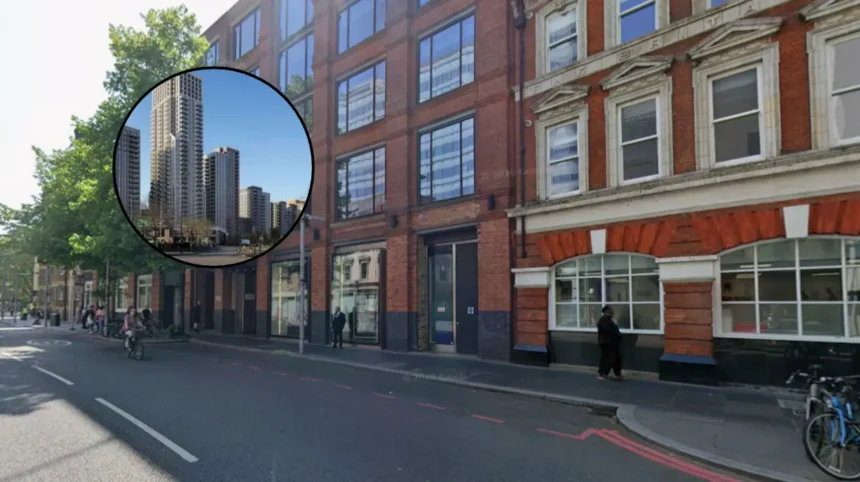
Southwark (South London News) October 9, 2026 – Southwark Council’s Planning Committee has unanimously refused a revised planning application by Berkeley Homes that sought to slash affordable housing from 40 per cent down to 12 per cent on its flagship Bermondsey Place scheme along the Old Kent Road. Despite formal recommendations from the local authority’s planning officers to approve the amendments, elected committee members voted against the developer’s request to alter the viability terms for Phases 2 and 3 of the masterplan.
Why Did Southwark Council Reject the Bermondsey Place Planning Application?
The decision by Southwark Council’s Planning Committee to refuse the application directly blocks Berkeley Homes from reducing the volume of social and affordable infrastructure on the Old Kent Road site. The developer had submitted new plans to modify the existing outline and detailed permissions, citing severe viability headwinds across the housebuilding sector.
Under the submitted amendments, Berkeley Homes proposed cutting the overall residential count across the entire masterplan by 108 homes. In addition to reducing overall residential density, the developer sought permission to alter building heights, lower the profile of several towers, and reduce dedicated commercial and employment space across Phases 2 and 3 by nearly 50 per cent.
The primary point of contention during the committee proceedings centered on the dramatic reduction in affordable housing targets. Under the originally approved baseline, 40 per cent of the total housing mix was designated as affordable. The proposed revisions would have lowered this proportion to 12 per cent across Phases 2 and 3, yielding just 81 affordable homes out of a total of 1,060 units across those specific phases.
What Arguments Were Presented by Developers and Local Representatives?
During the planning committee meeting on Tuesday evening, representatives for Berkeley Homes detailed the economic factors surrounding the development, asserting that market conditions had rendered the original 40 per cent target unviable. The developer stated that the revised proposals were designed to ensure deliverability, describing the application as paving the way for what would otherwise become a stalled construction site.
However, committee members and local representatives rejected the developer’s arguments regarding viability adjustments. Registering to speak formally against the application, Old Kent Road ward councillor Alexandra Austin stated that this represented a huge reduction in affordable housing, reduced community benefits, and failed to meet local housing needs. Councillor Alexandra Austin further noted that the reduction would bring active harm through the increase in local rent inflation and the gentrification effects that accompany such changes.
Despite council planning officers submitting a formal recommendation advocating for approval on the grounds of site delivery and revised economic realities, committee members voted unanimously to refuse the application in its entirety.
Background of the Bermondsey Place Development
The Old Kent Road Opportunity Area represents one of Inner London’s largest regeneration corridors, targeted by Southwark Council for thousands of new homes, infrastructure upgrades, and potential transport extensions. Berkeley Homes secured original planning permissions for Bermondsey Place as part of this broader masterplan framework, committing to local policy targets that mandate high proportions of affordable tenure, including social rented units and intermediate housing.
The challenges surrounding Bermondsey Place reflect broader trends across Southwark, where developers have routinely sought permission to adjust affordable housing contributions after securing initial consents. Berkeley Homes has previously submitted viability assessments to reduce affordable housing requirements on other landmark sites across the borough. Similar applications involving significant reductions in affordable housing quotas were previously submitted by Berkeley Homes for both the Borough Triangle development and the Aylesham Centre site in Peckham, both of which were ultimately rejected by Southwark Council.
Under Southwark Council’s spatial planning framework, major development applications are evaluated against core strategy targets that seek a minimum of 35 to 40 per cent affordable housing on large residential sites. Viability clauses allow developers to submit technical assessments to adjust these obligations if construction costs, interest rates, or land values alter financial viability, creating a persistent regulatory tension between statutory planning policy and real-estate delivery.
Prediction: How Will This Decision Impact the Local Community and Housing Supply?
The unanimous rejection of Berkeley Homes’ application is likely to have immediate and long-term consequences for local residents, the council, and the developer:
- For Local Residents and Housing Applicants: In the short term, the decision prevents the immediate loss of social and affordable tenure on Old Kent Road, upholding policy benchmarks intended to protect lower-income residents from displacement. However, if the site remains stalled due to financial unfeasibility, no new housing—market rate or affordable—will be delivered in the immediate future, leaving the plot undeveloped and delaying anticipated public realm improvements.
- For Berkeley Homes and the Property Sector: The developer faces a choice between appealing the decision to the Planning Inspectorate, revising the scheme to offer a higher proportion of affordable units, or putting construction on hold until broader market conditions improve. The decision signals to major land developers across Southwark and Greater London that municipal planning committees remain unwilling to accept steep drops in affordable housing quotas, even when endorsed by internal planning officers.
- For Southwark Council and Regional Housing Targets: While the refusal reinforces the council’s firm stance on local housing obligations, it risks exacerbating regional housing shortfalls if major regeneration projects stall. Southwark Council will need to balance strict enforcement of affordable housing mandates against the practical risk of delayed construction timelines along the Old Kent Road corridor.