Behind-the-scenes experiences in Lambeth, South London, give visitors access to the stories, working spaces and cultural processes behind well-known attractions. From theatre tours and historic buildings to art collections, music venues and brewing heritage, Lambeth offers several ways to explore places beyond a standard sightseeing visit.
- What Are the Best Venues for Behind-the-Scenes Experiences in Lambeth?
- How Can Visitors Explore the National Theatre Behind the Scenes?
- Does the Old Vic Theatre Offer Historic Tours and Backstage Access?
- What makes the Old Vic relevant to theatre enthusiasts?
- How should visitors arrange an Old Vic visit?
- What Behind-the-Scenes Experiences Are Available at the Southbank Centre?
- Can Visitors Explore the National Theatre Archive in Lambeth?
- Which Lambeth Venues Provide Access to Military History and Museum Collections?
- How Can Visitors Discover Lambeth’s Historic Buildings and Local Heritage?
- Are There Behind-the-Scenes Experiences for Music and Creative Arts Fans in Lambeth?
- How Should Visitors Book a Behind-the-Scenes Experience in Lambeth?
- When Is the Best Time to Visit Lambeth’s Behind-the-Scenes Attractions?
- Why Are Behind-the-Scenes Experiences Important to Lambeth’s Cultural Tourism?
These experiences suit tourists, local residents, cultural enthusiasts and business travellers who want to use their free time to discover how London’s cultural institutions operate. Availability varies by venue, event schedule, age restrictions and booking requirements, so visitors should check official information before travelling.
What Are the Best Venues for Behind-the-Scenes Experiences in Lambeth?
Lambeth offers behind-the-scenes experiences through cultural institutions, theatres, historic landmarks and creative venues. Examples include the Old Vic, National Theatre, Southbank Centre and Imperial War Museum London, where visitors can explore performances, architecture, collections and historical interpretation through organised activities.
Behind-the-scenes experiences provide access to the work that takes place beyond a venue’s public displays. These activities include guided building tours, backstage visits, architectural explorations, collection talks and demonstrations of creative processes.
Lambeth occupies the south bank of the River Thames opposite central London. Its northern riverside area forms part of London’s established cultural district, while neighbourhoods such as Brixton, Clapham and Vauxhall contribute music, theatre, food and community arts.
The most suitable venue depends on the experience a visitor wants. Theatre enthusiasts can investigate stage production and performance spaces. History enthusiasts can explore military collections and historic buildings. Visitors interested in music and contemporary culture can investigate the institutions and creative communities that shape South London’s identity.
Not every venue offers unrestricted backstage access. Some tours operate on selected dates, while others require advance reservations or form part of special events. Visitors should distinguish between a regularly scheduled guided tour and occasional access offered during festivals or heritage events.
How Can Visitors Explore the National Theatre Behind the Scenes?
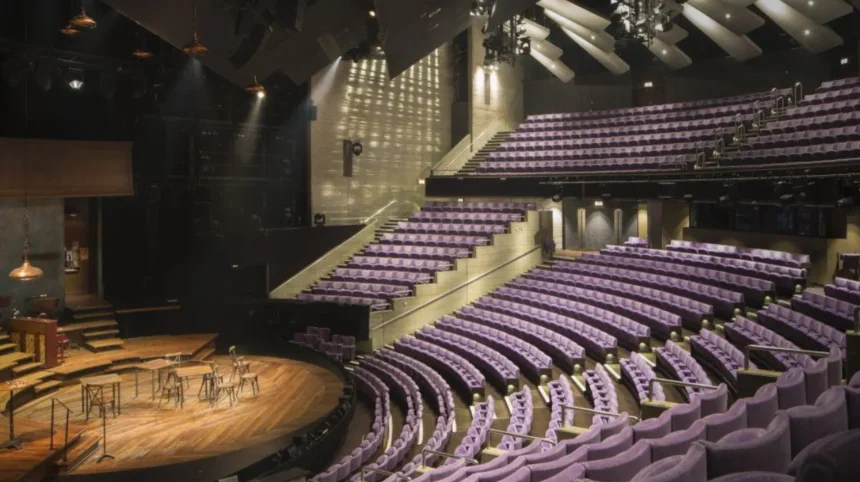
The National Theatre on London’s South Bank provides guided tours that introduce visitors to theatre architecture, production spaces and backstage operations. Tour routes depend on the performances and technical work taking place, giving visitors insight into how professional productions are prepared and presented.
The National Theatre is one of Britain’s principal performing arts institutions. Its South Bank complex contains three main performance spaces: the Olivier Theatre, the Lyttelton Theatre and the Dorfman Theatre. Each serves different types of theatrical production.
A guided tour explains how the building supports performers, directors, designers and technical teams. Depending on the route, visitors gain an introduction to auditorium design, backstage arrangements, production workshops and public areas. The experience connects the finished performance with the people and processes that make it possible.
What can visitors learn during a National Theatre tour?
A theatre tour explains the relationship between stage design, technical equipment, rehearsal and live performance. Visitors learn why backstage access is controlled and how the layout supports safe movement between performance and working areas.
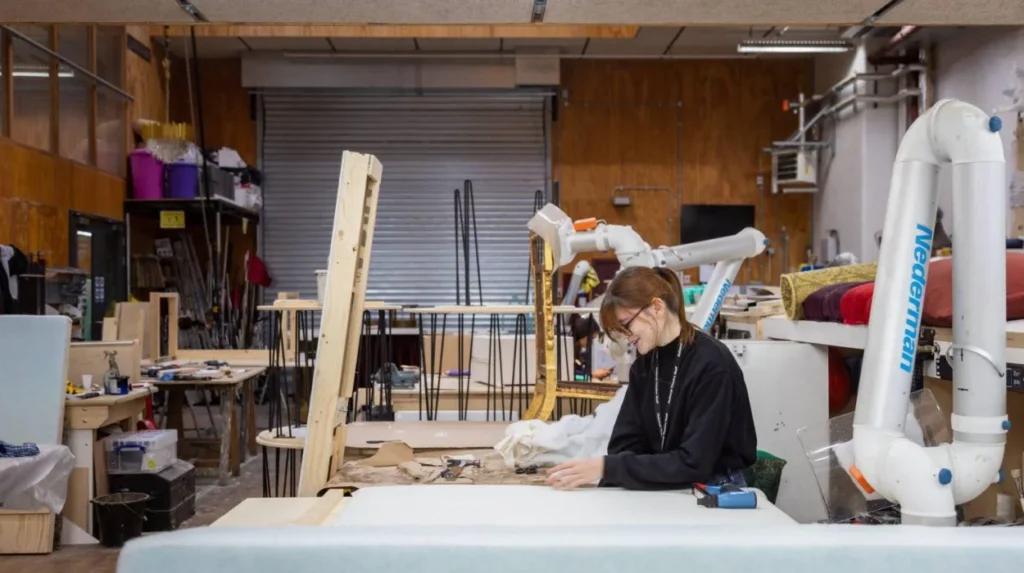
The National Theatre’s workshops are particularly relevant to visitors interested in scenery, props and stagecraft. Production teams transform design concepts into physical environments, using specialist skills to prepare sets for individual productions.
Access to particular workshops or stages depends on operational requirements. Visitors should check the official tour description before booking if they want to see a specific production area.
The venue is located on Upper Ground, London SE1 9PX, close to Waterloo and Blackfriars transport connections. Its location makes it practical to combine a guided visit with other South Bank attractions.
Does the Old Vic Theatre Offer Historic Tours and Backstage Access?
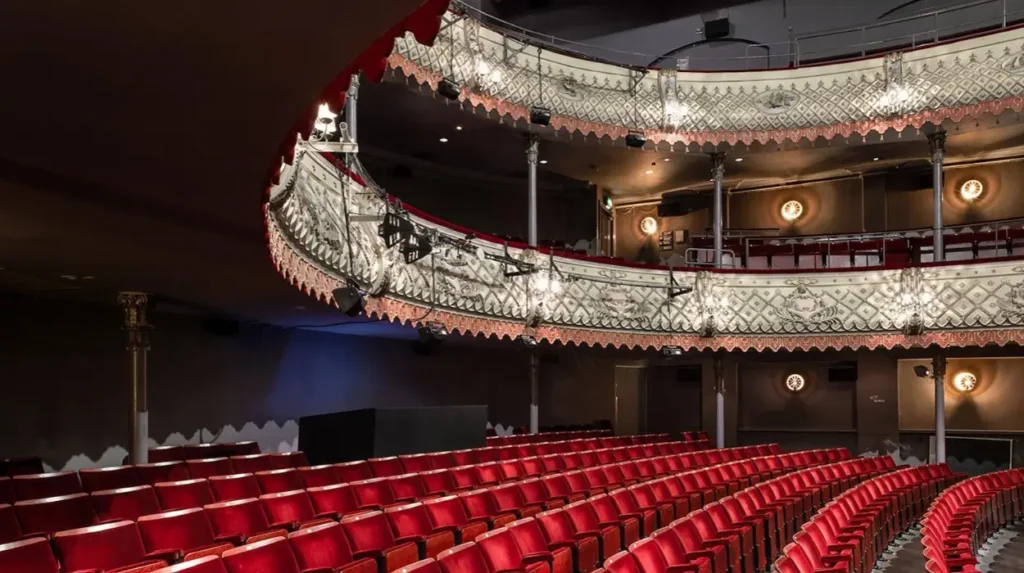
The Old Vic in Waterloo offers a route into London’s theatrical history through its historic building, production-related activities and occasional guided tours. Its published history-tour format has included a 90-minute visit led by an experienced member of the theatre team, subject to availability.
The Old Vic is a historic theatre on The Cut, near Waterloo station. Its history spans more than two centuries, placing it within London’s long tradition of public theatre.
The venue’s history tours have explored its theatrical development and the people involved in its work. The Old Vic’s published tour information describes a 90-minute experience led by its stage door manager. A previous listing advertised tickets at £15 per person, but that is a historical price rather than a confirmed current rate.
What makes the Old Vic relevant to theatre enthusiasts?
The Old Vic offers a useful setting for understanding how a theatre building evolves while continuing to stage performances. Visitors interested in production history can investigate how the venue’s artistic identity developed and how stage management supports a performance.
The theatre also publishes behind-the-scenes material about rehearsals, cast preparation and technical rehearsals. These resources provide insight into the production process even when a physical backstage tour is not scheduled.
The Old Vic’s Backstage space includes a café and bar, a script library and an outdoor terrace. These public-facing facilities provide another way to engage with the venue’s creative and community activities without assuming that restricted stage areas are open to visitors.
How should visitors arrange an Old Vic visit?
Check the theatre’s official website for current history-tour announcements, ticket availability and any private-tour arrangements. The schedule for a past event does not establish that the same tour runs every week.
Visitors planning a broader cultural itinerary can also explore the history of Waterloo and the surrounding theatrical district. Understanding the area’s development provides context for the relationship between historic venues and modern cultural activity.
What Behind-the-Scenes Experiences Are Available at the Southbank Centre?
The Southbank Centre runs guided tours that explore the architecture, history and working spaces of its riverside cultural complex. Its published tours have included foyer and backstage areas, stories about performers and building design, and explanations of how the venues support live arts.
The Southbank Centre is a major arts complex on the Thames. Its venues host music, dance, literature, festivals and other cultural events. The Royal Festival Hall is one of its best-known buildings.
The site’s development is closely associated with the Festival of Britain in 1951. Its architecture reflects the post-war period, while later buildings added further approaches to modernist and brutalist design.
What happens during a Southbank Centre tour?
The centre’s published behind-the-scenes tours last approximately 75 minutes. They cover foyer spaces and backstage areas, with the precise route varying according to the building’s operational needs. Access to the Royal Festival Hall or Queen Elizabeth Hall auditorium is not guaranteed.
Visitors learn about architectural decisions, performance acoustics and the stories associated with the centre’s cultural history. These details help explain how a large arts venue functions beyond its public event programme.
The centre has also advertised architecture tours lasting approximately 75 minutes, exploring the Royal Festival Hall and Queen Elizabeth Hall. These tours explain modernist and brutalist design, including the buildings’ materials, shapes and architectural context. Check the current listings because individual tours are not necessarily available throughout the year.
Who benefits most from this experience?
Architecture students, music enthusiasts, cultural tourists and visitors interested in post-war London gain different perspectives from the same tour. The experience is also useful for travellers who want an organised activity without committing to a full performance.
The Southbank Centre’s location allows visitors to combine a tour with riverside walks, exhibitions and scheduled performances. Check the official listing for the latest dates, prices, accessibility arrangements and booking conditions.
Can Visitors Explore the National Theatre Archive in Lambeth?
The National Theatre Archive preserves material connected with the institution’s productions and history. Special tours have provided access to research spaces, archival collections and basement stores, helping visitors understand how theatrical records are collected, organised and preserved for future research.
The archive offers a different type of behind-the-scenes experience from a conventional theatre tour. Instead of concentrating on live performance and technical equipment, it focuses on documentation, research and cultural preservation.
The collection supports the study of theatre productions and the people involved in them. Archival material helps researchers investigate how performances were developed, documented and remembered.
What can visitors expect from an archive tour?
A special National Theatre Archive tour advertised by Lambeth Council during the 2025 Lambeth Heritage Festival offered visitors an introduction to the archive’s work. It included an opportunity to explore public research spaces and basement stores, with advance booking required.
That listing is evidence of a previous organised experience, not confirmation of a permanent public tour. Visitors should look for new announcements from the National Theatre, Lambeth Council and the Lambeth Heritage Festival.
Archive visits are especially relevant to students, theatre researchers, writers and visitors interested in the process of preserving performance history. They also show how cultural institutions retain knowledge of events that exist only briefly on stage.
Which Lambeth Venues Provide Access to Military History and Museum Collections?
The Imperial War Museum London offers visitors an opportunity to explore military history through exhibitions, historical objects, personal accounts and educational displays. Special events and curator-led activities provide additional routes into the museum’s collections, although access to storage and working areas depends on the programme.
The Imperial War Museum London documents the impact of conflict on people and society. Its exhibitions interpret military history through objects, documents, photographs and personal testimony.
The museum is housed in the former Bethlem Royal Hospital building on Lambeth Road. Its historic setting adds architectural context to the collections, although the museum’s current displays focus on the history and consequences of conflict.
How do museum activities reveal the work behind exhibitions?
Museum interpretation requires research, collection management, conservation and exhibition design. Objects need documented histories, suitable environmental conditions and clear explanations that help visitors understand their significance.
Specialist talks and organised learning events provide insight into these processes. Curator-led activities explain the research behind an exhibition, while collection-focused events introduce the significance of individual objects and archival evidence.
Access to collection stores, conservation laboratories or staff-only areas is not automatic. Visitors seeking a technical or curatorial experience should check whether a specific event includes these activities rather than assuming they form part of standard admission.
The museum is a suitable destination for history enthusiasts, students and travellers who want to understand how institutions communicate complex historical subjects. It also provides a useful starting point for exploring Lambeth’s relationship with national museums and public education.
How Can Visitors Discover Lambeth’s Historic Buildings and Local Heritage?
Lambeth’s historic buildings and heritage events offer opportunities to investigate architectural features, local archives and the stories behind familiar streets. Organised access depends on the individual building and event, with heritage festivals providing a useful route to specialist tours and local historical interpretation.
Lambeth’s heritage extends beyond major theatres and museums. The borough includes historic churches, former institutional buildings, civic landmarks and streets shaped by centuries of urban development. These places help explain how Lambeth developed from riverside settlements into a densely populated part of modern London.
The Lambeth Heritage Festival has provided a programme of activities that includes historical walks, archive visits and talks. Its National Theatre Archive tours demonstrate how local heritage programming connects visitors with collections and working cultural institutions. Specific activities vary by year, so visitors should check current listings before planning a trip.
Where does Lambeth’s historical character come from?
Lambeth’s development reflects its position beside the Thames, its connections with central London and the growth of transport, housing and public institutions. Waterloo and the South Bank later became important areas for theatres and cultural venues.
As you explore these modern cultural sites, you are also crossing places shaped by earlier generations. Read the full [history of Lambeth and its historic landmarks] to understand how the borough’s development influenced its present-day cultural identity.
This historical context makes organised heritage activities more informative. A guided walk can explain the relationship between a building’s original function, later alterations and its current use. An archive visit adds documentary evidence to the physical landscape.
Visitors should distinguish between public buildings, sites open during scheduled hours and properties accessible only through special arrangements. A building’s historic importance does not guarantee entry to its interior.
Are There Behind-the-Scenes Experiences for Music and Creative Arts Fans in Lambeth?
Lambeth’s music and creative arts venues provide access to the wider processes behind performances through workshops, artist talks, rehearsals and special events. Brixton and the South Bank are useful starting points, but visitors must check individual programmes because backstage entry is not part of every concert or exhibition.
Lambeth has a strong association with live music, independent creative activity and community arts. Brixton, in particular, is known for its music venues and cultural history, while the South Bank supports major performing arts institutions.
A creative venue’s public programme often reveals more about its work than a standard ticket alone. Artist discussions explain creative decisions, workshops introduce practical techniques, and rehearsal events show how performers prepare material for an audience.
Which activities provide genuine access to creative work?
Visitors should look for events explicitly described as backstage tours, production workshops, artist-led sessions or behind-the-scenes experiences. These descriptions help distinguish an organised access experience from a normal performance.
The Old Vic’s published behind-the-scenes videos, for example, have documented rehearsal and technical preparation for individual productions. The material demonstrates the work that takes place before opening night, although a video does not provide physical access to the venue.
The Southbank Centre also offers a useful setting for exploring the relationship between architecture, acoustics and live performance. Its tours have discussed the design of its venues and the experiences of performers who have appeared there.
For visitors with limited time, an organised workshop or artist talk provides a defined activity without requiring a full-day commitment. Business travellers can also schedule these events around meetings, provided the booking time and travel arrangements are suitable.
How Should Visitors Book a Behind-the-Scenes Experience in Lambeth?
Visitors should book through the venue’s official website or an authorised ticketing service, confirm the exact access included and check the event date before travelling. Organised tours often have fixed start times, limited capacity and access restrictions linked to performances, staffing or building operations.
The booking process starts by identifying the type of experience required. A theatre architecture tour differs from a backstage production visit, and a museum curator talk differs from access to a collection store.
Visitors should read the full event description before purchasing tickets. It should identify the meeting point, duration, ticket conditions and any age or accessibility requirements. If the listing does not explain which spaces are included, contact the venue directly.
What should visitors check before paying?
The following details help prevent misunderstandings:
- Access: Confirm whether the tour enters backstage areas, workshops, archives or public foyers.
- Timing: Check the date, start time and duration, including arrival instructions.
- Cost: Verify the current ticket price and whether concessions or membership discounts apply.
- Accessibility: Ask about step-free routes, seating, hearing support and other requirements.
- Photography: Check restrictions on photography, recording and mobile devices.
- Changes: Review cancellation policies and the arrangements for tours affected by rehearsals or events.
Visitors should also allow time to reach the venue. Waterloo station serves the South Bank cultural district, while Lambeth North and other nearby Underground stations provide access to parts of the borough. The best route depends on the specific address and current transport services.
Explore More Area Guide
Lambeth’s Industrial Heritage: Historic Neighbourhoods to Explore
Where to Explore Lambeth’s Working-Class Heritage in South London
When Is the Best Time to Visit Lambeth’s Behind-the-Scenes Attractions?
The best time depends on the venue’s published programme rather than a single borough-wide schedule. Visitors seeking theatre access should check tour dates around production commitments, while those interested in heritage and archives should monitor special-event calendars for limited tours and organised activities.
Regular guided tours are easier to plan around than one-off events, but they do not guarantee access to every working area. A theatre preparing for a major production has different operational demands from a venue with no performance scheduled that day.
Special cultural programmes can provide access not routinely available to the public. The Lambeth Heritage Festival, for example, has previously included a National Theatre Archive tour, while the Southbank Centre has advertised dedicated architecture and behind-the-scenes tours.
How can visitors plan around changing schedules?
Start with the official venue calendar and select an experience with a confirmed date. Then check transport, ticket conditions and the expected duration. If a particular backstage area is essential to the visit, confirm that it is included before booking.
Visitors should avoid relying on old event listings for current prices or availability. Previous tour pages provide useful evidence of the types of experiences a venue has offered, but they do not establish that a particular event is running now.
For a short visit, choose one main organised experience and add nearby attractions that do not require timed entry. A longer stay allows visitors to combine a theatre tour, museum visit and riverside walk without rushing between appointments.
Why Are Behind-the-Scenes Experiences Important to Lambeth’s Cultural Tourism?
Behind-the-scenes experiences help visitors understand how Lambeth’s cultural venues preserve history, produce performances and maintain public collections. They also support cultural tourism by connecting visitors with the people, processes and buildings that shape South London’s identity beyond conventional sightseeing.
A guided tour provides context that is often absent from a standard visit. Theatre visitors learn about production and stage management, museum visitors investigate historical interpretation, and architecture enthusiasts discover how buildings support cultural activities.
These experiences also connect contemporary attractions with Lambeth’s historical development. The South Bank’s post-war cultural buildings, the Old Vic’s theatrical heritage and the National Theatre’s archival work demonstrate different aspects of the borough’s cultural life.
For residents, organised tours provide opportunities to learn more about familiar places. For tourists, they offer structured activities with clear durations and defined meeting points. For business travellers, scheduled tours and cultural events provide manageable ways to explore the area between professional commitments.
The central consideration is access. A venue that publishes behind-the-scenes material does not necessarily offer physical backstage tours, and a previous event listing does not guarantee future availability. Checking official calendars remains the most reliable way to plan a visit.
Lambeth’s most relevant options include the National Theatre for production and architecture, the Old Vic for theatrical history, the Southbank Centre for backstage and architectural tours, and the Imperial War Museum London for historical collections and special educational activities. Together, these venues provide several ways to explore the cultural work that takes place behind London’s public attractions.
Which Lambeth venues offer behind-the-scenes tours?
The National Theatre, Old Vic and Southbank Centre offer guided tours or have advertised behind-the-scenes experiences. These activities explore theatre production, historic architecture and cultural heritage. Check official websites for current availability.