Lambeth, in South London, has connections with influential poets, artists, actors, religious leaders, naval officers and social reformers. Its historical residents include William Blake, Charlie Chaplin, Captain William Bligh and Khadambi Asalache. Their lives reveal how Lambeth developed through literature, entertainment, religion, social change and creative expression.
- Why Is Lambeth Important to London’s Social and Cultural History?
- What Can Visitors Discover About William Blake in Lambeth?
- How Did Charlie Chaplin’s Early Life Connect Him to Lambeth?
- What Does Captain William Bligh’s Lambeth Connection Reveal About Maritime History?
- Who Was Khadambi Asalache, and Why Is His Lambeth Home Significant?
- How Is William Wilberforce Connected With Lambeth’s History of Social Reform?
- What Can Lambeth Archives Teach Visitors About Historical Residents?
- Where Can Visitors Find Lambeth’s Historical Residents Commemorated Today?
- How Can Visitors Connect Lambeth’s Famous Residents With the Borough’s Wider History?
- How Should Visitors Plan a Historical Walk Around Lambeth?
- Why Do Lambeth’s Historical Residents Remain Relevant Today?
Visitors exploring Lambeth can discover these connections through historic buildings, English Heritage blue plaques, local archives, memorials and cultural institutions. The borough’s heritage also explains how ordinary streets became associated with people whose work influenced British literature, international cinema, maritime history and the arts.
Why Is Lambeth Important to London’s Social and Cultural History?
Lambeth is important because its history connects religious institutions, industrial growth, working-class communities and cultural innovation. From William Blake’s poetry to Charlie Chaplin’s early life, the borough preserves evidence of how influential residents experienced and shaped London across several centuries.
Lambeth stretches south from the River Thames and Waterloo towards districts including Vauxhall, Kennington, Stockwell, Brixton, Herne Hill and Norwood. These neighbourhoods developed at different times and supported different communities, occupations and cultural traditions.
During the medieval period, Lambeth became closely associated with the Church of England through Lambeth Palace, the London residence of the Archbishop of Canterbury. In later centuries, riverside trade, transport improvements, industrial employment and expanding residential streets changed the area’s character.
By the eighteenth and nineteenth centuries, Lambeth included established religious institutions, growing working-class neighbourhoods and entertainment venues. These surroundings shaped the lives of residents who worked in literature, theatre, music and public affairs.
The borough’s history also reflects changing attitudes towards poverty, education, religion and social equality. Charlie Chaplin’s childhood experiences, for example, provide a connection between Lambeth’s working-class history and the development of international cinema.
Today, historical residents remain part of Lambeth’s identity through commemorative plaques, archives, preserved buildings and cultural attractions. Exploring these locations helps visitors understand the people behind the borough’s historical landmarks.
What Can Visitors Discover About William Blake in Lambeth?
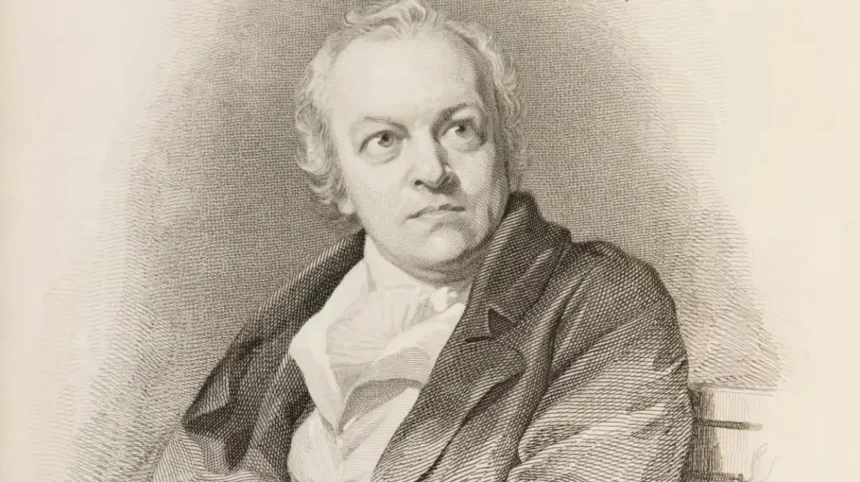
William Blake was an English poet, artist and printmaker whose connection with Lambeth dates to the late eighteenth century. He lived on Hercules Road and produced important literary and artistic work during a period when the neighbourhood was undergoing significant urban change.
William Blake was born in London in 1757 and died in 1827. He combined poetry, visual art and religious symbolism in works that challenged conventional artistic and social ideas.
His best-known publications include Songs of Innocence (1789) and Songs of Experience (1794). These collections explore childhood, authority, poverty, religion and the contrast between innocence and experience.
Blake lived on Hercules Road in Lambeth during the 1790s. Lambeth Archives records his connection with the neighbourhood, placing his life within a period of substantial political debate and artistic experimentation.
Visitors interested in Blake can explore the surrounding streets and consider how his London environment related to his work. His original residence is not a conventional visitor attraction, so a heritage walk and archival research offer practical ways to investigate the connection.
Blake’s Lambeth years also provide a wider lesson about historical geography. Modern streets frequently preserve the locations where writers lived and worked, even when their original homes have changed or disappeared.
His legacy connects Lambeth with the history of Romantic literature, a movement associated with imagination, individual experience, nature and challenges to established conventions.
How Did Charlie Chaplin’s Early Life Connect Him to Lambeth?
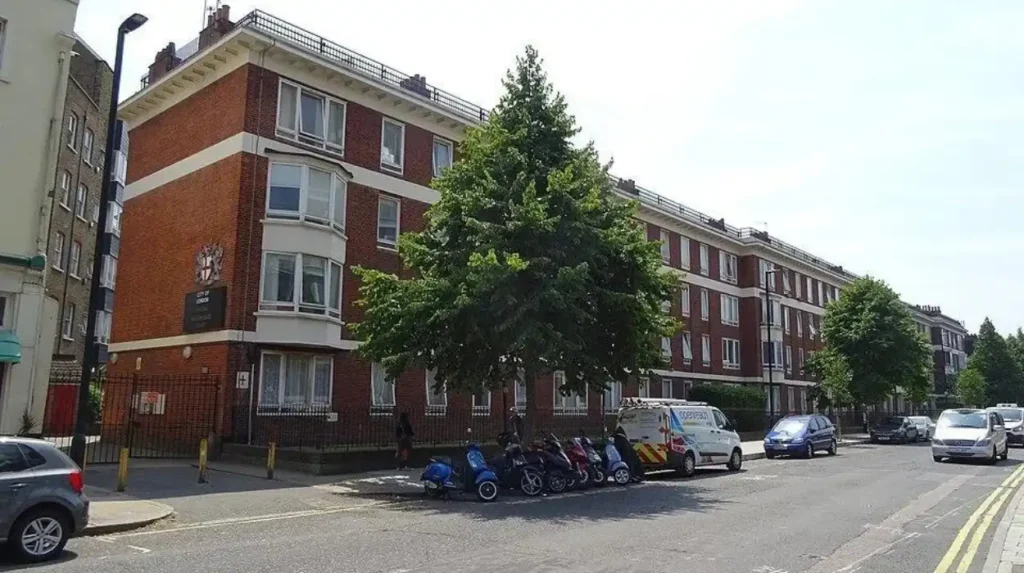
Charlie Chaplin’s early life in Lambeth reveals the poverty experienced by many working-class London families in the late nineteenth century. The future film star spent part of his childhood in the borough and later lived on Brixton Road between 1908 and 1910.
Charlie Chaplin, born in 1889, became one of the most recognisable performers in the history of cinema. His character, the Little Tramp, combined physical comedy with depictions of hardship, vulnerability and social inequality.
Chaplin’s childhood was marked by financial insecurity. His parents were music-hall performers, and he and his older brother Sydney experienced periods of poverty and institutional care.
English Heritage records that Chaplin spent much of his childhood in Lambeth and attended workhouses and workhouse schools. A workhouse was a public institution providing accommodation and basic support to people unable to support themselves, generally under restrictive conditions.
Chaplin later lived with Sydney at 15 Glenshaw Mansions, Brixton Road, between 1908 and 1910. English Heritage commemorated the building with a blue plaque unveiled in 2017. Chaplin described this period as an important time in his life, following years of instability.
His career developed through British music halls and vaudeville before international success in silent films. He later directed and produced major works, including The Kid (1921), City Lights (1931) and Modern Times (1936).
Visitors can use the Brixton Road plaque to connect Chaplin’s international career with a specific London address. The location also illustrates how biographical evidence can survive in the urban landscape long after a resident becomes famous.
Chaplin’s story is particularly relevant to visitors interested in social history. His early experiences offer context for understanding why poverty, insecure employment and social exclusion became recurring themes in his screen performances.
What Does Captain William Bligh’s Lambeth Connection Reveal About Maritime History?
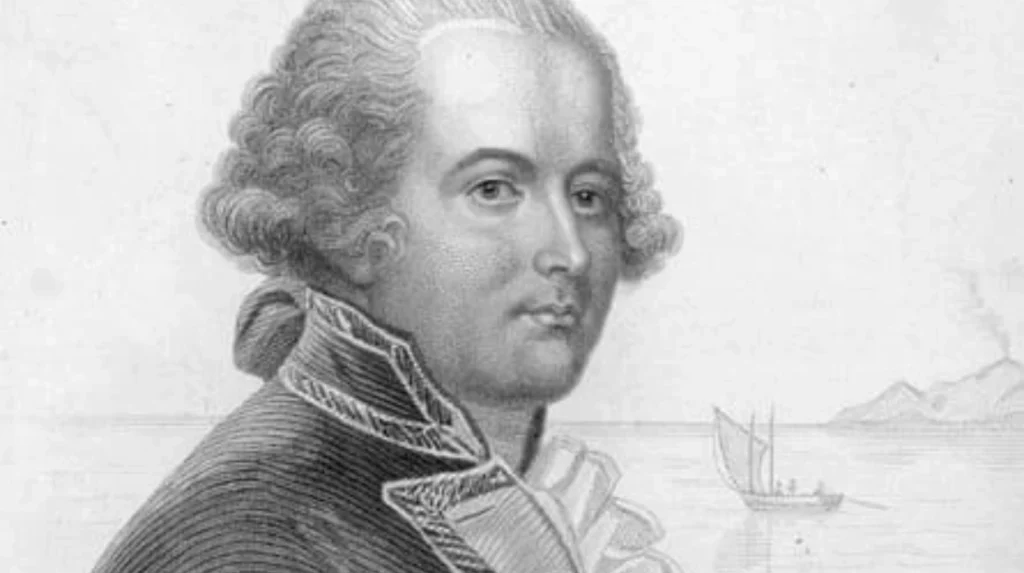
Captain William Bligh was a British naval officer associated with the 1789 mutiny aboard HMS Bounty. His later residence in Lambeth connects the borough with Britain’s naval history, the age of exploration and the personal lives of officers who served across the world.
William Bligh was born in 1754 and became a naval officer whose career included voyages associated with the transportation of breadfruit plants from the Pacific to the Caribbean. He is most widely known for the mutiny on HMS Bounty in April 1789.
During the mutiny, a group of crew members removed Bligh from command and cast him and loyal crew members adrift. Bligh navigated a small open boat to safety after a remarkable voyage across the Pacific.
His later life included further naval service and public responsibilities. Historical accounts also connect him with Lambeth Road, where he lived from 1794.
A plaque commemorating Bligh identifies the former residence at 100 Lambeth Road. The location provides a local connection to a figure whose life is often discussed in the context of maritime exploration and the history of the British Empire.
Visitors should distinguish between the historical record and popular representations of the Bounty mutiny. Films and novels frequently dramatise the conflict, while naval records and biographies provide evidence for the events and their wider context.
Bligh’s connection with Lambeth demonstrates that the borough’s notable residents were not limited to writers and entertainers. Its residential history also includes people whose careers unfolded through overseas voyages, naval administration and imperial-era institutions.
Who Was Khadambi Asalache, and Why Is His Lambeth Home Significant?
Khadambi Asalache was a Kenyan-born poet, novelist, civil servant and self-taught decorative artist. His home at 575 Wandsworth Road became an intricate work of art, combining hand-carved wooden fretwork, painted surfaces and influences from African, Moorish and Ottoman design traditions.
Khadambi Asalache was born in Kenya in 1935 and moved to London in 1960. He pursued literature and worked in the British Civil Service, including at the Treasury. His published writing includes A Calabash of Life (1967) and Sunset in Naivasha (1973).
In 1981, Asalache purchased 575 Wandsworth Road, a Georgian terraced house in Lambeth. He began transforming its interior during the 1980s, using reclaimed wood to create elaborate decorative patterns across walls, ceilings and doors.
His designs drew on architectural traditions from different parts of the world. The result preserves evidence of his individual approach to craftsmanship, reuse and interior design.
After Asalache died in 2006, he left the property to the National Trust. The organisation acquired it in 2010 and opened it to visitors in 2013. The house is Grade II listed, recognising its architectural and historic significance.
Visitors can examine how one person’s creative work transformed an ordinary residential building into a distinctive artistic environment. The property also broadens Lambeth’s historical narrative by highlighting a Kenyan-born writer and artist whose life connected London with international cultural traditions.
Visits require advance booking, and access is limited because of the property’s size and the need to protect its fragile interiors. The National Trust publishes tour arrangements and seasonal opening information on its official website.
How Is William Wilberforce Connected With Lambeth’s History of Social Reform?
William Wilberforce was a British politician and anti-slavery campaigner associated with the Clapham Sect, an evangelical Anglican group that supported abolition and other religious and social causes. Holy Trinity Church on Clapham Common commemorates this movement through an English Heritage blue plaque.
William Wilberforce was born in 1759 and became a leading parliamentary campaigner against the British slave trade. His work connected political activity with religious conviction and organised public campaigning.
The Clapham Sect was a network of evangelical Christians whose members included Wilberforce, Henry Thornton and Zachary Macaulay. They met and worshipped in the Clapham area, which forms part of the modern London Borough of Lambeth.
Holy Trinity Church, built between 1776 and 1778, became an important meeting place for the group. Its blue plaque records the connection between the church, Wilberforce and the campaign against slavery.
The British Parliament passed legislation abolishing the slave trade in 1807. A separate Slavery Abolition Act received royal assent in 1833 and came into force in most British colonies in 1834. The apprenticeship system that followed was abolished in 1838. These were distinct legal stages rather than a single event.
Visitors exploring Clapham Common can use the church plaque to understand how local religious networks contributed to national political campaigns. This history also invites examination of Britain’s role in slavery, the resistance of enslaved people and the long struggle for emancipation.
Wilberforce’s connection is best understood as part of a wider movement. Lambeth’s history includes religious institutions, organised activism and public debate, making social reform another important theme alongside literature and entertainment.
What Can Lambeth Archives Teach Visitors About Historical Residents?
Lambeth Archives preserves documents, photographs, maps, artworks and local records that help researchers investigate the lives of people associated with the borough. Its collections cover subjects including biography, architecture, transport, family history, Black history, women’s history and social change.
Lambeth Archives is the borough’s local record office and local studies library. Its collections include records from the sixteenth century onwards, providing evidence of how Lambeth’s neighbourhoods, institutions and communities changed over time.
Visitors interested in famous residents can investigate historical photographs, street directories, maps and documents relating to particular addresses. These records help establish where a person lived, how a street developed and what activities took place in a neighbourhood.
For example, researchers studying Charlie Chaplin can use biographical records alongside the blue plaque at Glenshaw Mansions. Someone investigating William Blake can examine the historical geography of Hercules Road and the surrounding streets.
The archives also support family and house-history research. Local directories, census returns, electoral registers and property records help researchers identify former residents and understand the character of an area during different periods.
Lambeth Archives is located at 16 Brixton Hill, London, SW2 1ET. The council recommends contacting the service before a research visit, particularly when access to particular records or the searchroom is required. Opening arrangements and collection access details are available through the official council website.
For visitors, archival research provides a deeper experience than simply recognising a famous name. It establishes the evidence behind a historical connection and helps distinguish documented facts from local legends.
Where Can Visitors Find Lambeth’s Historical Residents Commemorated Today?
Visitors can trace Lambeth’s historical residents through blue plaques, preserved houses, churches and archival collections. Notable examples include Charlie Chaplin’s former home on Brixton Road, William Wilberforce’s connection with Holy Trinity Church in Clapham and Khadambi Asalache’s preserved house on Wandsworth Road.
English Heritage blue plaques identify buildings associated with notable people who lived or worked there. They provide a practical way to connect biographies with specific locations across London.
In Lambeth, Chaplin’s plaque at 15 Glenshaw Mansions records his residence between 1908 and 1910. At Holy Trinity Church in Clapham, a plaque commemorates Wilberforce and the Clapham Sect’s association with the abolition campaign.
The National Trust’s 575 Wandsworth Road offers a different form of commemoration. Rather than marking a former residence alone, it preserves Asalache’s creative work within the building where he produced it.
Visitors can also investigate Lambeth’s wider heritage through its archives and historical collections. These resources connect famous residents with the social conditions, transport networks and architectural changes that shaped their lives.
The borough’s historic sites are spread across different neighbourhoods, so checking locations and visitor arrangements before setting out helps make a heritage walk more efficient. A plaque on a residential building is not necessarily an indoor attraction, and access to private or protected properties is not guaranteed.
How Can Visitors Connect Lambeth’s Famous Residents With the Borough’s Wider History?
Lambeth’s notable residents are best understood within the borough’s wider development, from medieval religious institutions to working-class Victorian neighbourhoods and modern cultural communities. Connecting biographies with streets, buildings and archives explains how local environments influenced people’s lives and how their achievements became part of London’s history.
Lambeth Palace provides an important starting point for understanding the area’s religious and political history. It has served as the London residence of the Archbishop of Canterbury for nearly eight centuries, linking the borough with the development of the Church of England and national public life.
The borough’s later growth created different opportunities and challenges. Expanding transport connections and urban housing supported communities of workers, performers, writers and public servants. Chaplin’s early life illustrates the hardship experienced by some residents, while Blake’s Lambeth years connect the area with artistic and literary change.
Asalache’s house demonstrates a more recent chapter in Lambeth’s history. His work combined personal creativity with international influences, showing how the borough’s cultural identity extends beyond one period or artistic tradition.
To explore the relationship between famous residents and their surroundings, use the matching [Insert Anchor Text for Lambeth History Article Here] for a fuller account of the borough’s origins, development and historic landmarks. This single contextual link connects biographical research with the wider history of the place.
The result is a more complete understanding of Lambeth. Its historical importance rests not only on celebrated individuals but also on the communities, institutions and changing urban landscape that surrounded them.
Explore More Area Guide
Lambeth Literary Landmarks: Famous Writers and Historic Places
Lambeth Attractions: Explore South London’s Multicultural History
How Should Visitors Plan a Historical Walk Around Lambeth?
Visitors can plan a Lambeth history walk by grouping nearby heritage sites, checking plaque locations and confirming opening arrangements for indoor attractions. A route combining Brixton Road, Clapham Common, Wandsworth Road and Lambeth Archives provides different perspectives on the borough’s historical residents.
A practical itinerary begins with the type of history that interests you most. Literature enthusiasts can investigate William Blake’s association with Hercules Road, while film enthusiasts can visit Chaplin’s commemorative plaque on Brixton Road.
Visitors interested in political and religious history can explore Holy Trinity Church near Clapham Common. Those seeking a detailed artistic experience can arrange a visit to 575 Wandsworth Road through the National Trust.
Lambeth Archives provides additional context for visitors who want to investigate historical addresses or research specific people. Its collections help connect individual biographies with local records, old maps and photographs.
A useful approach is to divide the experience into three stages:
- Historic locations: Visit accessible streets, churches and commemorative plaques associated with notable residents.
- Preserved interiors: Book a visit to 575 Wandsworth Road when tours are available.
- Documentary research: Consult Lambeth Archives for historical photographs, biographies and address records.
Allow additional time for travel between neighbourhoods. Check current opening arrangements before visiting indoor attractions, and respect residents’ privacy when viewing plaques on occupied buildings.
This approach suits tourists with limited time as well as local residents seeking a more detailed understanding of South London’s heritage.
Why Do Lambeth’s Historical Residents Remain Relevant Today?
Lambeth’s historical residents remain relevant because their lives illuminate enduring subjects, including poverty, artistic expression, religious conviction, political reform and cultural exchange. Their preserved homes, commemorative plaques and archival records provide tangible evidence connecting these historical experiences with present-day London.
William Blake’s poetry remains part of English literary history. Charlie Chaplin’s performances continue to be studied for their contribution to cinema and their treatment of social inequality. William Bligh’s naval career illustrates the history of maritime exploration, while William Wilberforce’s political campaigning forms part of the history of abolition.
Khadambi Asalache’s house offers a further example of how individual creativity becomes part of the public heritage. Its preserved interiors demonstrate the cultural value of personal craftsmanship, reclaimed materials and international artistic influences.
These stories also help explain why local history matters. National achievements often have identifiable connections with ordinary streets, residential buildings, community institutions and workplaces. Examining those connections makes historical research more specific and accessible.
Lambeth Archives continues to support this process by preserving records for residents, researchers and visitors. Its collections provide resources for investigating the borough’s changing population, built environment and cultural life.
For tourists, Lambeth offers a way to explore London’s history through the lives of particular people. For residents, its heritage provides a record of the communities and events that shaped the modern borough.
The most informative visits combine physical locations with reliable historical sources. Together, they reveal Lambeth as a place shaped by creative achievement, social struggle, religious institutions and cultural exchange across several centuries.
Who are the most famous historical residents associated with Lambeth?
Notable figures associated with Lambeth include William Blake, Charlie Chaplin, Captain William Bligh and Khadambi Asalache. William Wilberforce is also connected with the Clapham area through the abolitionist movement.