Key Points
- Joint Enforcement Action: Lambeth Council and the Metropolitan Police executed a joint law enforcement operation in central Brixton on Thursday, 15th October 2026.
- Targeted Activity: The coordinated effort specifically targeted suspected drug dealing, offensive weapons, and illicit criminal activity linked directly to local commercial premises within the town centre.
- Multi-Agency Execution: Officers from the Metropolitan Police worked alongside specialist officers from Lambeth Council’s licensing and trading standards departments.
- Warrants and Arrests: Authorities executed four police warrants during the operation, resulting in the arrest of four individuals.
- Seizures: Officers recovered quantities of suspected Class A and Class B illegal drugs alongside a weapon.
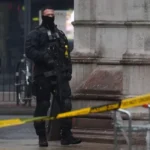
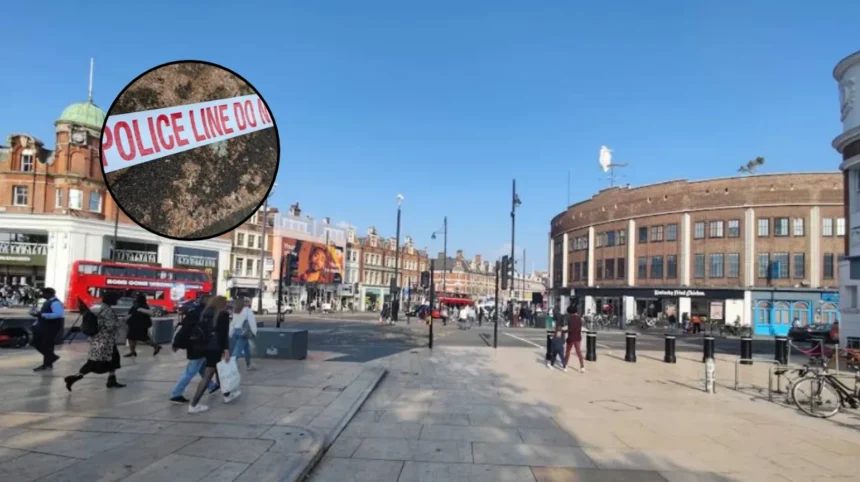
Brixton (South London News) October 24, 2026 – Lambeth Council and the Metropolitan Police Service executed a major multi-agency enforcement operation across central Brixton on Thursday, 15th October 2026, aimed at curbing persistent criminal activity, illicit drug supply, and weapons possession tied to local commercial properties. The joint initiative combined front-line police officers with council licensing officers and trading standards personnel to address long-standing safety concerns raised by residents and local business owners regarding town centre crime.
During the coordinated sweep, law enforcement teams simultaneously executed four police warrants on selected commercial premises across central Brixton. The operation resulted in four arrests at the scene and led to the discovery and seizure of quantities of suspected Class A and Class B controlled substances, as well as a weapon. Local authorities confirmed that the joint measures formed part of an ongoing strategy to safeguard high-street spaces and disrupt organized retail and street-level crime networks operating within the borough.
What Led To The Multi-Agency Operation In Central Brixton?
The joint operation on Thursday, 15th October 2026, was planned and carried out following sustained reports concerning criminal conduct in the heart of Brixton’s retail zone. Council officers from licensing and trading standards units worked in direct coordination with Metropolitan Police officers to inspect targeted commercial premises suspecting of providing cover for illegal trade and drug distribution.
By combining municipal regulatory powers with police statutory powers of search and arrest, the agencies sought to inspect commercial sites, enforce trading regulations, and execute judicial search warrants concurrently. The collaboration allowed trading standards officers to check for illicit goods and licensing breaches while police officers focused on searching for illegal substances, offensive weapons, and wanted individuals.
What Items Were Seized And How Many Arrests Were Made During The Raid?
During the execution of the four police warrants across central Brixton, law enforcement officers detained and arrested four individuals on-site. The specific statutory charges against the four arrestees remain under ongoing police investigation as forensic testing proceeds on the confiscated evidence.
Search teams located and secured quantities of suspected Class A drugs, which under UK law include substances such as cocaine and heroin, alongside Class B controlled substances, which include cannabis. Furthermore, officers retrieved a weapon from the searched premises. All seized items were taken into police custody for forensic analysis, and the premises involved face administrative scrutiny regarding their operational licenses and commercial trading permissions.
Background To Criminal Enforcement Operations In Lambeth
Central Brixton has long served as a key commercial, transport, and cultural hub within the London Borough of Lambeth. Due to high footfall and dense concentrations of commercial properties, town centre areas frequently require dedicated policing resources to counter recurring issues related to anti-social behaviour, street-level drug sales, and retail crime.
Over recent years, local local authorities across London have increasingly adopted joint enforcement models. Rather than relying solely on traditional police patrols, municipal authorities utilize cross-departmental tasks forces that combine trading standards, environmental health, and licensing teams alongside local safer neighbourhood policing teams. This integrated model enables local authorities to apply administrative sanctions—such as license revocations, commercial closures, and confiscation of non-compliant retail stock—alongside criminal prosecutions carried out through the court system.
Prediction: How Will This Development Affect Local Residents, Business Owners, And Visitors?
The recent joint operation in central Brixton is expected to have direct immediate and longer-term impacts on various sections of the local community:
Local Residents and Commuters
For local residents and everyday commuters, visible joint operations offer a clear demonstration of active neighbourhood policing and municipal oversight. The removal of illegal drugs and weapons from public and commercial spaces helps reduce the risk of violent incidents and street-level disorder. However, residents may also anticipate continued high-visibility police presences and occasional temporary closures of specific storefronts during ongoing investigations.
Local Business Owners and Commercial Landlords
Legitimate business owners operating in central Brixton are likely to benefit from a reduction in criminal activity that can deter shoppers and disrupt high-street footfall. Conversely, commercial landlords and business operators will face heightened scrutiny from Lambeth Council’s licensing and trading standards teams. Business premises found to be sublet or utilized for unlawful activity risk losing operating licenses or facing formal closure orders, pushing property owners to exercise stricter oversight over leaseholders.
Criminal Networks and Illicit Trade
The coordinated use of police warrants alongside council administrative powers increases the regulatory risk for organized groups attempting to use high-street retail fronts as cover for illegal operations. The confiscation of stock and immediate arrest of individuals disrupts supply chains locally and indicates that council licensing teams will actively target commercial properties linked to anti-social behaviour and violent crime.