Lambeth is one of South London’s most culturally diverse boroughs, known for its Caribbean heritage, historic street markets, community festivals, traditional food, live music and neighbourhood celebrations. Visitors discover its local traditions through everyday activities as well as annual cultural events, heritage attractions and community-led programmes.
- What Makes Lambeth’s Local Traditions Important to South London?
- Where Can Visitors Experience Caribbean Traditions in Brixton?
- Windrush Day and Caribbean community celebrations
- Caribbean food traditions in Brixton
- Reggae and Caribbean music culture
- Which Lambeth Markets Preserve Traditional Community Life?
- Brixton Market and Electric Avenue
- Lower Marsh Market in Waterloo
- Why are traditional markets important to Lambeth?
- Where Can Visitors Discover Lambeth’s Traditional Music and Dance Culture?
- Reggae and sound system traditions
- Gospel and community music
- Southbank Centre and contemporary performance traditions
- How Can Visitors Experience Traditional Harvest Celebrations at Brixton Windmill?
- What Traditional Community Festivals Can Visitors Attend in Lambeth?
- Lambeth Heritage Festival
- Lambeth Country Show and agricultural customs
- Seasonal celebrations and neighbourhood activities
- Where Can Visitors Learn About Lambeth’s Black British History and Cultural Traditions?
- Which Traditional Neighbourhood Experiences Should Visitors Explore in Lambeth?
- Exploring Brixton’s independent businesses
- Discovering Waterloo’s cultural activities
- Exploring community life around Stockwell
- Discovering traditional green spaces in Brixton and Herne Hill
- How Can Visitors Respect and Participate in Lambeth’s Local Traditions?
- Support independent traders and local businesses
- Respect cultural and religious activities
- Participate in community festivals
- Learn about cultural backgrounds
- Where Are the Best Places to Experience Lambeth’s Local Traditions?
- How Are Lambeth’s Local Traditions Preserved for Future Generations?
Located on the south bank of the River Thames, the London Borough of Lambeth includes neighbourhoods such as Brixton, Clapham, Stockwell, Streatham, Vauxhall, Herne Hill and Waterloo. Each area has a distinct identity shaped by migration, working-class history, religious communities, music, food and local enterprise.
The borough has a particularly strong connection with Caribbean culture and the Windrush generation. Its traditions also reflect older English customs, including harvest celebrations, historic markets, seasonal gatherings and community activities in public parks.
For tourists and leisure travellers, exploring Lambeth’s traditions provides an opportunity to understand how local communities preserve their identities and share their cultural experiences. Brixton’s markets, Windrush Square, Brixton Windmill and Brockwell Park are important places to begin.
What Makes Lambeth’s Local Traditions Important to South London?
Lambeth’s local traditions reflect centuries of migration, community organisation, cultural exchange and neighbourhood development. Caribbean heritage, historic markets, music, food festivals and seasonal celebrations help preserve local identities while connecting residents and visitors through shared experiences.
Lambeth’s cultural identity developed through several historical periods. The borough experienced significant Victorian expansion, industrial development, post-war immigration and urban regeneration. These changes influenced its food culture, markets, religious communities and public celebrations.
Brixton became particularly important to Britain’s Caribbean community after the Second World War. Caribbean migrants established businesses, churches, social organisations and cultural networks throughout the neighbourhood. These institutions helped preserve familiar customs while creating new traditions within British society.
The arrival of HMT Empire Windrush at Tilbury on 22 June 1948 represents an important moment in this history. The ship carried 1,027 passengers, many from Caribbean islands including Jamaica and Trinidad. Members of the Windrush generation subsequently settled in Brixton and other parts of London.
Lambeth’s traditions are not limited to Caribbean heritage. The borough also maintains connections with:
- Traditional markets: Brixton Market, Electric Avenue and Lower Marsh preserve everyday street-trading culture.
- Agricultural heritage: Brixton Windmill connects visitors with historic milling, wheat production and harvest celebrations.
- Music and performance: Reggae, gospel, jazz and contemporary music contribute to local cultural life.
- Community festivals: Windrush Day celebrations, heritage activities and neighbourhood gatherings bring residents together.
- Seasonal customs: Harvest festivals, spring celebrations and Christmas activities maintain connections with older community practices.
These traditions demonstrate how local customs develop through everyday participation. Markets, churches, libraries, cultural organisations and public spaces provide opportunities for different generations to maintain community connections.
Understanding the historical background also helps visitors appreciate why certain neighbourhoods have particular cultural identities. Lambeth’s traditions are living practices rather than displays confined to museums.
Where Can Visitors Experience Caribbean Traditions in Brixton?
Brixton is one of the most important places to experience Lambeth’s Caribbean traditions. Visitors discover this heritage through Windrush Day celebrations, Caribbean food markets, reggae music, community gatherings and cultural activities around Windrush Square and Electric Avenue.
Brixton has a longstanding connection with Caribbean migration and Black British cultural development. From the 1950s onwards, increasing numbers of Caribbean residents established businesses and community organisations in the area.
The neighbourhood became an important centre for Caribbean food, music, religious life and social activities. These influences remain visible in its markets, independent restaurants, cultural organisations and annual celebrations.
Windrush Day and Caribbean community celebrations
Windrush Day is one of the most significant annual cultural observances in Lambeth. It takes place on 22 June and commemorates the arrival of HMT Empire Windrush in Britain in 1948.
The day recognises the contributions of Caribbean migrants and their descendants to British society. Lambeth marks the occasion through community-led activities, educational programmes, music, food and cultural events.
Windrush Square in Brixton is a central location for these celebrations. The square provides a public space where residents, families and community organisations gather to recognise Caribbean heritage.
In 2026, Lambeth Council announced a borough-wide Windrush programme. One of its highlights was the Big Caribbean Lunch for Windrush Elders, organised for 28 June at Windrush Square.
The programme included opportunities to experience:
- Caribbean food and shared meals.
- Live music and cultural performances.
- Storytelling and conversations with older generations.
- Community activities celebrating migration and identity.
- Educational events exploring Black British history.
These activities demonstrate how Windrush traditions connect younger generations with the experiences of older Caribbean residents.
Caribbean food traditions in Brixton
Food is an important part of Brixton’s cultural identity. Caribbean cooking traditions remain visible throughout its markets, independent food businesses and restaurants.
Visitors can discover dishes such as jerk chicken, Jamaican patties, rice and peas, ackee and saltfish, curried goat and Caribbean-style roti.
These dishes reflect culinary practices developed across Caribbean communities. Their ingredients, preparation methods and flavours connect residents with family traditions and regional identities.
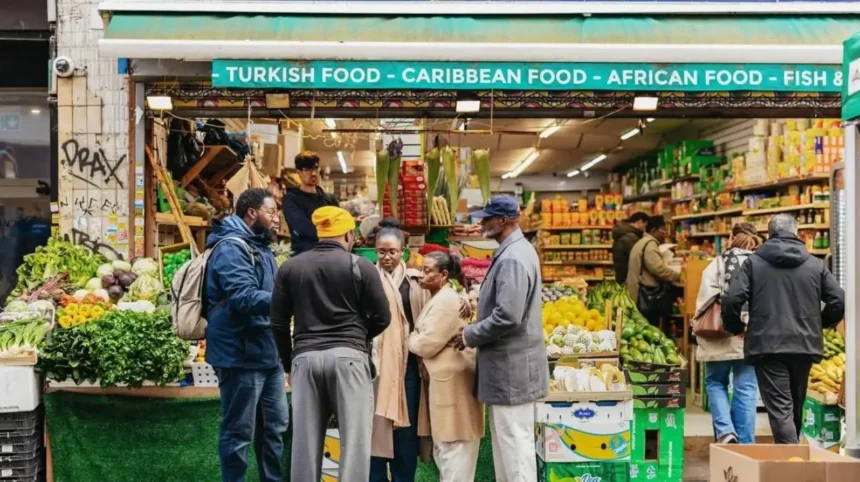
Brixton Market is particularly useful for experiencing this food culture. Traders sell fresh produce, spices, Caribbean ingredients, prepared meals and products from other international communities.
Visitors should also explore Brixton Village, where independent food businesses represent different culinary traditions. The covered arcades provide an opportunity to experience how food businesses contribute to neighbourhood identity.
Reggae and Caribbean music culture
Reggae music is another important part of Brixton’s cultural heritage. Originating in Jamaica during the late 1960s, reggae developed from earlier musical styles including ska and rocksteady.
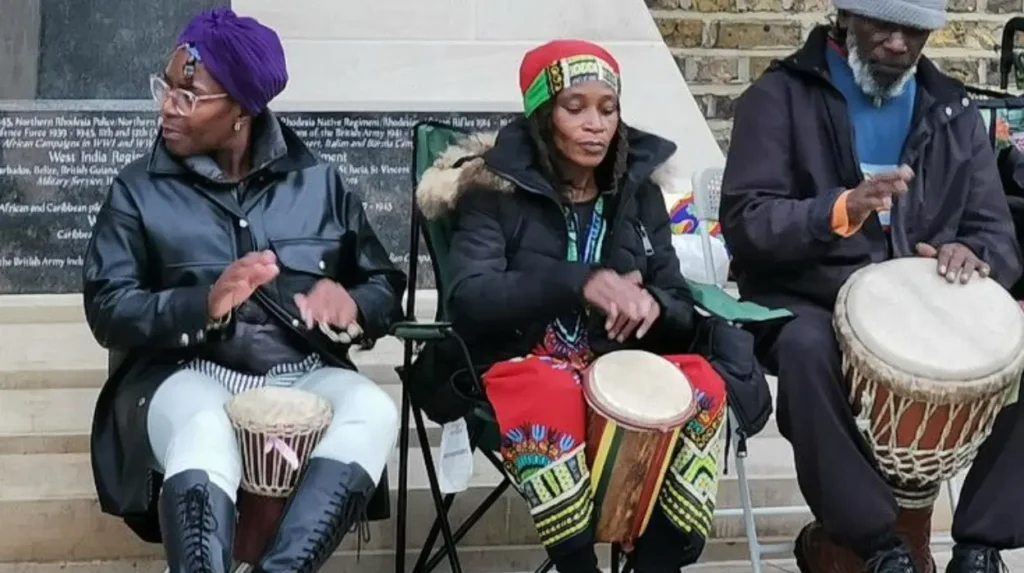
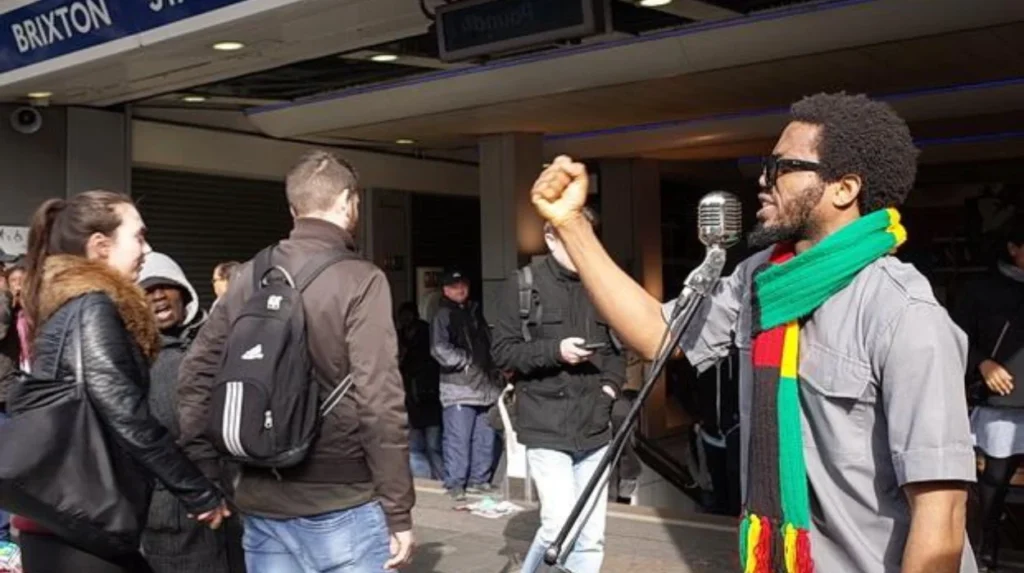
The genre became closely associated with Caribbean communities in Britain. Brixton developed a strong connection with reggae through local musicians, record shops, sound systems and live music venues.
Visitors can explore this musical heritage through local performances and cultural programmes. Music events frequently connect reggae with dancehall, dub, soul and contemporary Black British music.
The connection between music and community identity remains important. Local performances provide opportunities for established musicians and emerging artists to share cultural influences with wider audiences.
Which Lambeth Markets Preserve Traditional Community Life?
Lambeth’s traditional markets preserve local trading customs through independent businesses, fresh produce, prepared food and regular community interaction. Brixton Market, Electric Avenue, Brixton Village and Lower Marsh provide visitors with opportunities to experience the borough’s commercial and multicultural traditions.
Markets have played an important role in Lambeth’s economic and social development. They provide spaces where traders, residents and visitors exchange products, food, knowledge and cultural experiences.
Brixton’s market tradition dates back approximately 150 years. The development of the railway through Brixton in 1862 helped transform the area into an expanding commercial centre.
Market stalls initially appeared around Atlantic Road near the railway station. As the neighbourhood grew, trading activities expanded into surrounding streets.
Brixton Market and Electric Avenue
Brixton Market is among the borough’s most recognisable examples of traditional street trading.
Lambeth Council identifies more than 80 licensed pitches across Electric Avenue, Pope’s Road and Brixton Station Road. Traders sell clothing, household products, fresh vegetables, fruit, handmade items and prepared food.
Electric Avenue has particular historical significance. It developed as an electrically illuminated shopping street during the late nineteenth century and became closely associated with Brixton’s growing commercial identity.
The market’s cultural character changed significantly after Caribbean communities settled in the area following the Second World War.
Traditional British market products gradually appeared alongside Caribbean ingredients such as plantain, yams, ackee, sweet potatoes and spices. This transformation helped establish Brixton Market as an important centre of Caribbean community life.
The market’s historic covered arcades include:
- Reliance Arcade: An early covered shopping arcade dating from 1925–1926.
- Market Row: A historic covered market arcade dating from 1928.
- Brixton Village: Formerly Granville Arcade, developed during the 1930s.
The three historic market buildings received Grade II listed status in 2010 because of their architectural and historical significance.
Today, these spaces combine traditional market trading with independent restaurants, specialist shops and international food businesses.
Lower Marsh Market in Waterloo
Lower Marsh provides another example of Lambeth’s traditional market culture.
Located near Waterloo Station, this historic shopping street has long served local residents, workers and visitors. Its independent shops and street traders contribute to the commercial character of the neighbourhood.
The market experience includes street food, independent retailers, clothing, gifts and specialist products.
Unlike large shopping centres, traditional street markets encourage direct interaction between customers and traders. Visitors can ask about ingredients, compare products and discover small businesses operating within the local economy.
Lower Marsh also connects visitors with Waterloo’s wider cultural environment. Its location makes it convenient to combine market exploration with the South Bank, riverside attractions and nearby cultural institutions.
Why are traditional markets important to Lambeth?
Markets preserve more than commercial activity. They provide spaces for cultural exchange, small-business development and community interaction.
For Caribbean families in Brixton, markets historically provided access to familiar ingredients and products. They also helped establish economic networks for newly arrived migrants.
Today, their importance extends across different communities. Independent traders introduce international products, traditional recipes and specialist services to a wider audience.
For visitors, exploring these markets provides a practical understanding of Lambeth’s multicultural identity.
Where Can Visitors Discover Lambeth’s Traditional Music and Dance Culture?
Visitors discover Lambeth’s music and dance traditions through Brixton’s reggae heritage, Caribbean celebrations, community performances, gospel music and cultural venues. Local markets, libraries, public squares and concert spaces provide opportunities to experience different musical influences.
Music has an important relationship with Lambeth’s community identity. Different generations have contributed to the borough’s musical culture through Caribbean sound systems, gospel churches, independent venues and organised performances.
Brixton is particularly associated with reggae and Black British music. Its musical identity developed alongside post-war Caribbean migration and the growth of independent music businesses.
Reggae and sound system traditions
Sound systems are an important part of Jamaican musical culture. They involve organised groups of DJs, selectors, MCs and technicians who play recorded music through powerful speaker systems.
The tradition developed in Jamaica and became influential within Caribbean communities in Britain.
In Brixton, sound system culture helped establish social spaces for music, dancing and community participation. Reggae, dub and dancehall became important parts of local cultural expression.
Visitors can explore this tradition through live performances, specialist music events and cultural programmes.
Gospel and community music
Religious communities also contribute to Lambeth’s musical traditions.
Churches across Brixton, Stockwell, Clapham and other neighbourhoods maintain musical practices through gospel choirs, worship services and community celebrations.
Gospel music has strong connections with African American and wider Christian musical traditions. Within Lambeth, it forms part of the cultural life of different African and Caribbean communities.
Visitors interested in religious music should check individual churches for public concerts, seasonal services and community events. Worship services are religious activities rather than tourist performances, so visitors should respect local customs and service arrangements.
Southbank Centre and contemporary performance traditions
The Southbank Centre provides another important location for discovering London’s performing arts culture within Lambeth.
Located along the River Thames near Waterloo, it hosts concerts, exhibitions, literary events, dance performances and cultural festivals.
Its programme brings together established performers and emerging artists from different backgrounds.
Visitors can explore the Royal Festival Hall, Queen Elizabeth Hall and other cultural spaces within the complex.
The venue provides a broader perspective on Lambeth’s cultural traditions by connecting local communities with national and international artistic programmes.
How Can Visitors Experience Traditional Harvest Celebrations at Brixton Windmill?
Brixton Windmill preserves Lambeth’s agricultural and milling heritage through historic tours, educational activities and community festivals. Visitors can discover traditional wheat production, flour making, seasonal harvest celebrations and the role of windmills in London’s historic food supply.
Brixton Windmill is one of Lambeth’s distinctive historical attractions. Located in Windmill Gardens on Brixton Hill, it connects the borough with agricultural traditions that existed before modern urban development.
The windmill represents an earlier period when wheat milling was an important part of local food production.
Traditional windmills used wind power to turn machinery that ground grain into flour. Flour was then used to produce bread and other staple foods.
Although Lambeth is now an urban borough, Brixton Windmill preserves evidence of this agricultural past.
Harvest Festival traditions
Harvest festivals celebrate the gathering of agricultural crops and recognise the importance of food production.
Brixton Windmill maintains this tradition through community events organised with local heritage organisations.
The annual programme at Windmill Gardens has included:
- May Festival: A spring community celebration.
- Harvest Festival: An event celebrating wheat, flour and traditional food production.
- Art in the Park: A creative community activity.
- Autumn bat walks: Seasonal wildlife activities.
- Family Halloween events: Activities for children and local families.
The Harvest Festival provides an opportunity to learn about traditional milling and artisan bread making.
A Lambeth Council event held in September 2025 included live music, food, children’s games, craft activities and baking workshops. The event also celebrated the annual wheat harvest and the historical importance of milling.
Educational activities at Brixton Windmill
The windmill also supports educational programmes that explain traditional food production.
Visitors attending organised open days can learn about the machinery, historical milling techniques and the relationship between agriculture and urban communities.
Children and families can gain an understanding of how wheat becomes flour and how flour forms part of everyday food traditions.
The surrounding Windmill Gardens provide additional opportunities to explore local green space and community gardening.
These activities demonstrate how Lambeth maintains connections with its agricultural past through practical education and seasonal events.
For visitors, Brixton Windmill offers a different cultural experience from the busy streets and markets of central Brixton.
What Traditional Community Festivals Can Visitors Attend in Lambeth?
Lambeth’s community festivals celebrate local heritage, seasonal customs, food, music and neighbourhood identity. Windrush Day, the Lambeth Heritage Festival, Brixton Windmill’s seasonal activities and community-led cultural programmes provide opportunities to experience these traditions.
Community festivals are an important part of Lambeth’s cultural calendar. They bring together residents, independent businesses, artists, charities, historical organisations and local authorities.
Unlike commercial entertainment events, many community festivals focus on participation, education and the preservation of local identity.
Lambeth Heritage Festival
The Lambeth Heritage Festival is an important annual programme celebrating the borough’s history and communities.
Organised by Lambeth Archives and the Lambeth Local History Forum, the festival connects historical organisations, volunteers, community groups and local residents.
The 2026 edition returned in September with more than 80 events and activities. Its programme included historical walks, exhibitions, archive tours, talks and family activities.
Visitors interested in local traditions can use the festival to explore:
- Neighbourhood history and architectural heritage.
- Historical photographs and archival collections.
- Local community organisations and their development.
- Traditional occupations and commercial activities.
- Stories of migration and cultural change.
The festival provides a useful starting point for understanding how Lambeth’s neighbourhoods developed. Many activities are free, although individual events have their own booking arrangements. Love LambethLove Lambeth
Lambeth Country Show and agricultural customs
The Lambeth Country Show has historically been one of the borough’s best-known community celebrations.
First established in 1974, the event combines agricultural displays with urban entertainment and local cultural activities.
Brockwell Park has traditionally hosted the festival, attracting residents and visitors from across London.
Its programme has included vegetable competitions, flower displays, sheep shearing, animal exhibitions, live music, independent food traders and community stalls.
The 50th edition took place in June 2024 and attracted an estimated 120,000 visitors across the weekend.
The 2025 event also continued the festival’s community tradition. However, visitors must recognise an important current development: Lambeth Country Show was cancelled for 2026 following the council’s decision not to stage the event that year.
Its historical significance remains important, but visitors should check Lambeth Council announcements before planning a future visit.
Seasonal celebrations and neighbourhood activities
Smaller community events also contribute to Lambeth’s cultural calendar.
Brixton Windmill organises seasonal activities, including spring celebrations, harvest events and family programmes.
Local parks and community organisations also host activities such as outdoor performances, educational workshops, summer fairs and seasonal gatherings.
These events help maintain traditions through participation rather than formal preservation alone.
Visitors should consult Lambeth Council’s events listings and local community organisations for current programmes, dates, accessibility information and booking requirements.
Where Can Visitors Learn About Lambeth’s Black British History and Cultural Traditions?
The Black Cultural Archives in Brixton is a major destination for understanding Black British history and Caribbean heritage in Lambeth. Windrush Square, local libraries and heritage exhibitions provide further opportunities to explore migration, identity and community traditions.
Understanding Lambeth’s traditions requires exploring the experiences of the communities that shaped them.
Black British history is particularly important to Brixton and surrounding neighbourhoods. Caribbean migration, African heritage, community activism, religious institutions and cultural entrepreneurship all contributed to the borough’s development.
Black Cultural Archives
The Black Cultural Archives is located at 1 Windrush Square, Brixton.
It is a heritage organisation dedicated to collecting, preserving and sharing the histories of people of African and Caribbean descent in Britain.
Its collections and educational activities help explain how Black communities contributed to British society.
Visitors can explore subjects including:
- Caribbean migration and settlement.
- Black British cultural development.
- Community activism and social change.
- Historical photographs and personal experiences.
- Contributions to British arts, politics and public life.
The archives provide an important connection between historical records and the living traditions visible throughout Brixton.
Visitors should note that access to the research and reading facilities is by appointment. Check the official visitor information before travelling.
Windrush Square
Windrush Square is another important place for understanding Brixton’s cultural heritage.
The public square provides a central gathering space for community events, commemorations and cultural activities.
Its name recognises the contribution of the Windrush generation and the importance of Caribbean communities in British history.
The surrounding area includes the Black Cultural Archives, Brixton Tate Library and other important cultural locations.
Visitors can combine these places in one walking visit.
Brixton Library and community storytelling
Brixton Library provides another opportunity to explore local traditions through books, exhibitions, talks and community events.
Libraries play an important role in preserving local knowledge because they provide accessible spaces for education and cultural participation.
Lambeth Libraries regularly organise activities connected with Black History Month, Windrush Day, local authors and community heritage.
For example, a June 2026 programme included a reminiscence workshop featuring photographs and dresses belonging to a Windrush pioneer who arrived from Jamaica in 1958.
The activity encouraged families to bring photographs and personal memories to share with other participants.
This approach demonstrates how personal objects, family experiences and oral histories help preserve community traditions across generations.
Which Traditional Neighbourhood Experiences Should Visitors Explore in Lambeth?
Visitors can explore Lambeth’s local traditions by walking through historic markets, visiting community heritage attractions, attending cultural performances and discovering independent businesses. Brixton, Waterloo, Stockwell and Brixton Hill provide different perspectives on the borough’s cultural identity.
Lambeth’s traditions are not restricted to organised festivals. Everyday neighbourhood activities provide an equally important understanding of local customs.
A walk through a market, a visit to a historic building or participation in a community event helps visitors experience the borough beyond its major tourist attractions.
Exploring Brixton’s independent businesses
Brixton’s independent businesses are central to its cultural identity.
The neighbourhood contains Caribbean food shops, specialist grocery stores, independent restaurants, music retailers and creative businesses.
Many businesses reflect family traditions and cultural influences passed between generations.
Visitors can explore the surrounding streets, including Atlantic Road, Coldharbour Lane and Electric Avenue.
These streets provide opportunities to discover different food traditions, retail practices and local businesses.
Supporting independent traders also contributes to the continuation of neighbourhood commercial traditions.
Discovering Waterloo’s cultural activities
Waterloo offers a different experience through its theatres, cultural institutions, public spaces and riverside activities.
The Southbank Centre is particularly important because it hosts music, literature, dance, exhibitions and community programmes.
The nearby South Bank Book Market also offers a traditional second-hand book market experience beneath Waterloo Bridge.
Its history dates to 2 July 1983, when it first opened. It subsequently became part of the Southbank Centre in 2001.
The market provides an opportunity to browse second-hand books and experience an established part of London’s riverside cultural environment.
Exploring community life around Stockwell
Stockwell contributes to Lambeth’s multicultural identity through its residential communities, independent businesses and cultural organisations.
The area has significant connections with Portuguese-speaking communities, alongside African, Caribbean and other international populations.
Visitors can discover this diversity through local food businesses, community activities and neighbourhood shops.
Food is particularly important because traditional recipes often maintain connections with countries and communities of origin.
Local businesses also provide spaces where cultural practices become part of everyday neighbourhood life.
Discovering traditional green spaces in Brixton and Herne Hill
Lambeth’s parks support community traditions through seasonal events, outdoor recreation and neighbourhood gatherings.
Brockwell Park is particularly significant because of its historic connection with the Lambeth Country Show.
Windmill Gardens provides another example of a community green space connected with heritage activities.
These locations demonstrate how parks contribute to social interaction and cultural participation.
Visitors should check event schedules before travelling because community programmes change throughout the year.
How Can Visitors Respect and Participate in Lambeth’s Local Traditions?
Visitors can respect Lambeth’s traditions by supporting independent traders, following event guidance, learning about cultural backgrounds and participating respectfully in community activities. Understanding local customs helps travellers experience cultural events without disrupting residents or religious and community practices.
Experiencing local traditions requires more than visiting attractions. Visitors should understand the communities behind the activities and respect their cultural practices.
Lambeth’s traditions belong to the residents and organisations that maintain them. Responsible tourism supports these communities while helping visitors develop a better understanding of local identity.
Support independent traders and local businesses
Purchasing products from independent businesses helps maintain traditional commercial activities.
Visitors can support market traders by buying fresh produce, prepared food, handmade products and specialist goods.
At Brixton Market, customers can also ask traders about ingredients and traditional cooking methods.
Respectful conversations help visitors understand the cultural background of different products.
Respect cultural and religious activities
Lambeth has diverse religious communities, including Christian, Muslim and other faith groups.
Visitors attending religious celebrations or entering places of worship should follow local guidance.
Appropriate behaviour includes dressing respectfully where required, asking permission before taking photographs and avoiding interruptions during services.
Churches and religious organisations are community institutions, not simply tourist attractions.
Participate in community festivals
Community festivals provide opportunities to experience local customs directly.
Visitors can attend public exhibitions, cultural performances, educational workshops and food events.
Before attending, check whether the activity requires advance registration or paid admission.
Some events also include specific activities for older residents, children or community members.
Respecting these arrangements helps organisers maintain welcoming and inclusive environments.
Learn about cultural backgrounds
Understanding the history behind local traditions makes visits more meaningful.
For example, learning about Caribbean migration provides context for Windrush Day celebrations and Brixton’s food culture.
Similarly, understanding historic agriculture explains the importance of harvest activities at Brixton Windmill.
Visitors should use reliable historical sources, local archives and cultural organisations rather than relying on stereotypes about communities.
Explore More Area Guide
Best Places to Visit in Lambeth for Architecture Lovers
Most Deprived Borough Named Across South-East London in Lewisham 2026
Where Are the Best Places to Experience Lambeth’s Local Traditions?
The following locations provide a practical route through Lambeth’s cultural heritage, markets, community history and seasonal traditions.
For a focused cultural visit, start in Brixton with Windrush Square and the markets. Continue to Brixton Windmill to explore agricultural traditions. Finish with a performance or cultural programme at the Southbank Centre.
How Are Lambeth’s Local Traditions Preserved for Future Generations?
Lambeth preserves its traditions through community organisations, heritage archives, independent businesses, educational programmes and annual celebrations. These activities transfer historical knowledge between generations while ensuring that cultural practices remain part of the borough’s changing social identity.
Preserving local traditions requires continued participation from residents, organisations and public institutions.
Lambeth’s cultural heritage organisations play an important role in recording historical experiences and protecting significant locations.
Lambeth Archives, for example, preserves documents and historical materials that help researchers understand the borough’s development.
The Black Cultural Archives maintains collections documenting Black British experiences and contributions.
Historic market buildings also demonstrate the importance of protecting physical spaces connected with community identity. The Grade II listing of Brixton’s historic market arcades in 2010 recognised their architectural and cultural significance.
The importance of intergenerational knowledge
Older residents help preserve traditions by sharing personal experiences, family histories, recipes, photographs and cultural practices.
Community workshops and storytelling activities provide opportunities for younger generations to understand their heritage.
Windrush Day programmes are particularly important because they recognise the experiences of Caribbean migrants and their descendants.
The role of independent businesses
Independent traders also contribute to cultural preservation.
Caribbean grocery stores, traditional food businesses, music retailers and specialist shops maintain access to products and services associated with different cultural communities.
These businesses help ensure that cultural traditions remain visible in everyday neighbourhood life.
The future of Lambeth’s cultural identity
Lambeth continues to experience demographic, economic and urban changes. New residents, independent businesses and creative organisations contribute additional influences to its neighbourhoods.
The borough’s cultural identity therefore continues to develop.
Protecting historic buildings, supporting community organisations and maintaining accessible cultural programmes will remain important for preserving Lambeth’s traditions.
For visitors, this creates opportunities to experience both established heritage and contemporary cultural activities.
The most meaningful way to discover Lambeth is to explore its neighbourhoods, speak respectfully with local traders, visit heritage institutions and participate in public community events.
What is Lambeth famous for culturally?
Lambeth is famous for its Caribbean heritage, multicultural communities, historic markets, reggae music, Windrush celebrations and community festivals. Brixton is particularly recognised for its contribution to Black British culture.