South London is home to some of the most beautiful and historic parks in the capital. These green spaces are an essential part of community life and urban ecology, offering residents and visitors places to relax, exercise, and connect with nature.
Historical Significance of South London Parks
Many South London parks have fascinating historical backgrounds dating back centuries. Richmond Park, established in the 17th century by Charles I as a royal hunting ground, is the largest of the Royal Parks with over 2,500 acres. Its ancient woodlands and wild deer herds continue to protect London’s natural heritage. Crystal Palace Park, famous for its Victorian dinosaur sculptures, reflects the nineteenth-century passion for art and science. Burgess Park, created in the 20th century from former industrial land, represents the city’s efforts to regenerate urban spaces and improve community wellbeing.
Key Parks and Their Features
Richmond Park
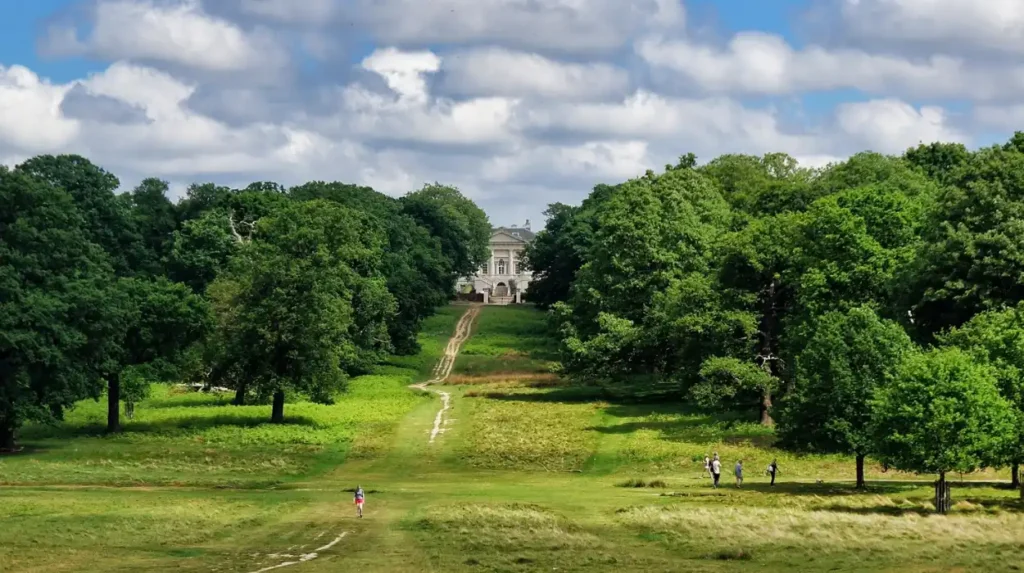
Richmond Park is a designated National Nature Reserve and Site of Special Scientific Interest. It offers cycling, horse riding, golf, and walking opportunities amidst diverse wildlife, including large populations of red and fallow deer. Its vast open spaces and ancient oak trees provide a tranquil escape from city life.
Crystal Palace Park
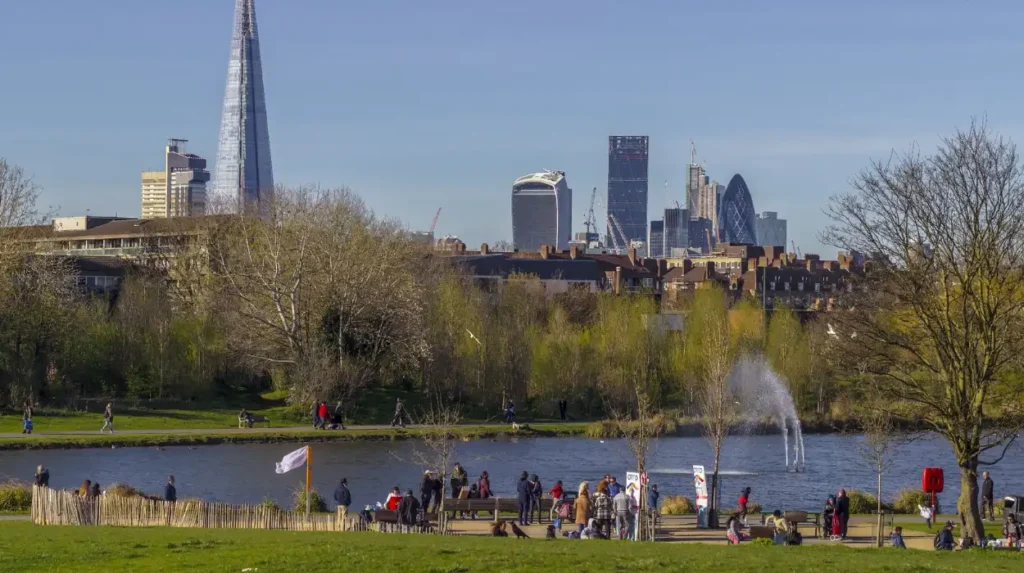
This historic park blends leisure with education through its boating lake, maze, skate park, and iconic dinosaur models—surviving relics of the Great Exhibition era. It is a family favourite with abundant recreational facilities and cultural events.
Burgess Park
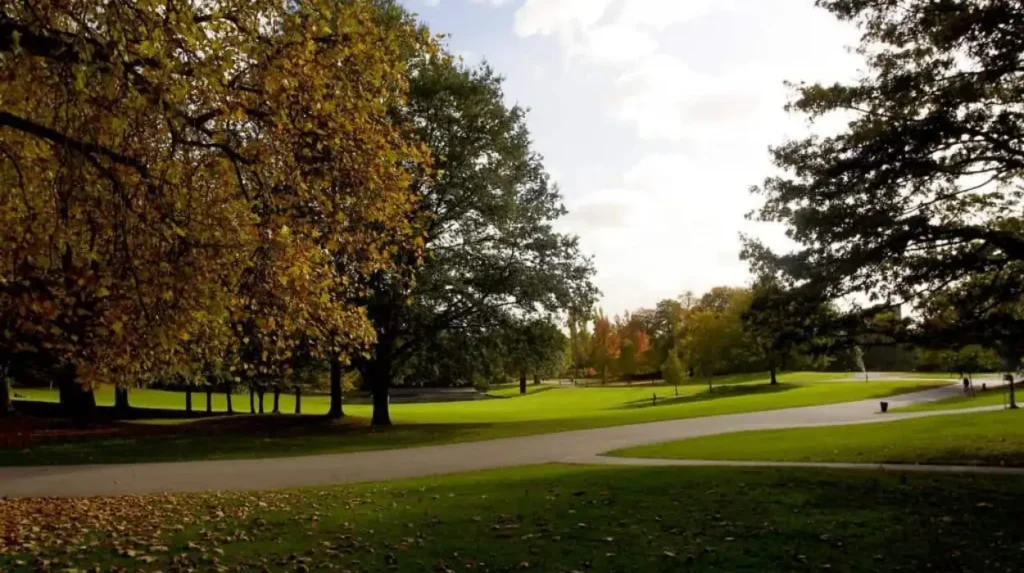
A symbol of urban renewal, Burgess Park incorporates sports facilities, community gardens, ponds, and preserved heritage buildings within a sprawling green landscape. It highlights the role of parks in revitalizing post-industrial neighborhoods.
Greenwich Park
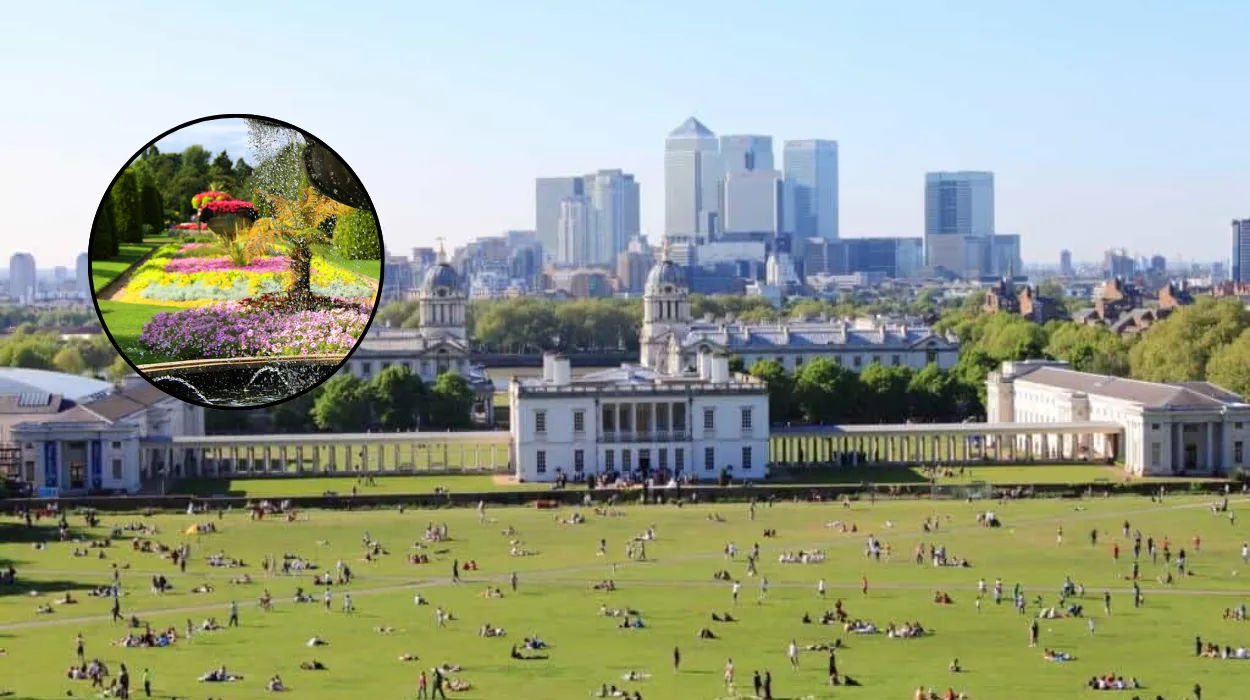
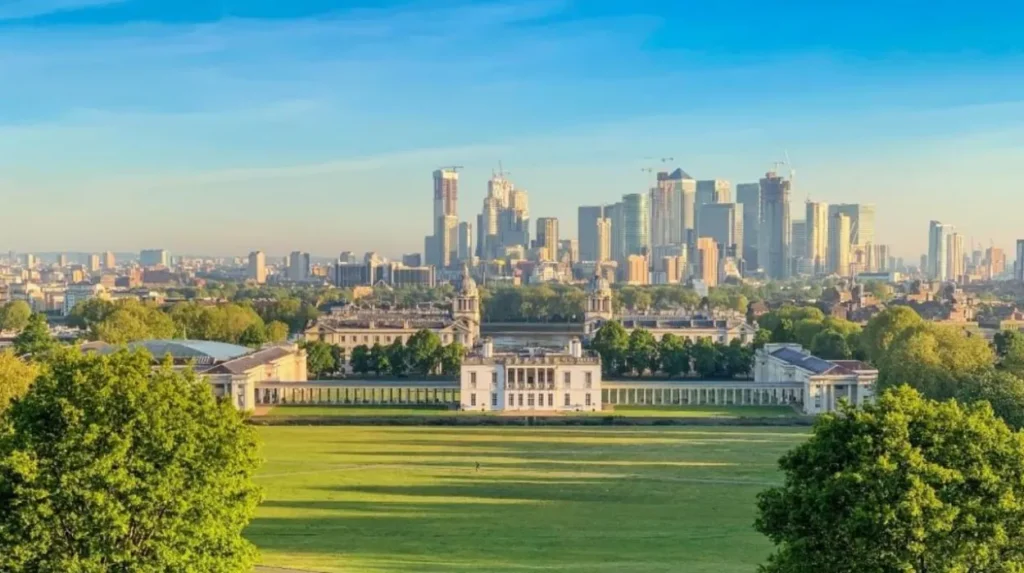
Another Royal Park with roots stretching back to Roman times, Greenwich Park boasts manicured gardens, the Royal Observatory, and impressive views over the Thames and London skyline. It balances historic grandeur with accessible green space.
Ecological and Community Role of Parks
South London’s parks not only serve as ecological havens, supporting biodiversity and natural habitats but also foster social interaction, physical health, and mental wellbeing. Many parks play a dual conservation and recreational role, promoting environmental awareness and community engagement through volunteer activities, sports clubs, and educational programs.
Visitor Tips for Enjoying South London Parks
When visiting South London parks, planning is key to fully enjoy their offerings. Look out for special wildlife in Richmond Park, bring a picnic to Crystal Palace Park’s scenic spots, engage in sports or gardening activities at Burgess Park, or take in panoramic city views from Greenwich Park. Using public transport or cycling to these parks supports sustainability. Respecting protected areas helps preserve their natural and historical value for future generations.
Embracing South London’s Green Heritage
The parks of South London are living legacies that blend heritage, nature, and urban life. They provide crucial green lungs for the city and enrich community life through diverse recreational opportunities. This comprehensive guide helps residents and visitors discover, appreciate, and protect these timeless green spaces that continue to define South London’s unique character.