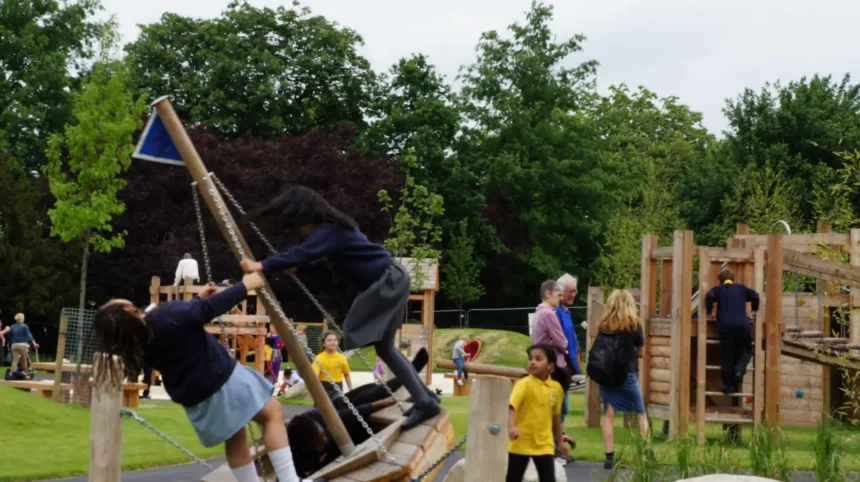
Planning a comfortable family trip to Lambeth involves choosing accessible attractions, balancing indoor and outdoor activities, allowing time for meals and rest, and selecting transport that suits children’s ages. Located in South London, Lambeth offers riverside landmarks, cultural attractions, green spaces and family-friendly destinations within reach of central London.
- What makes Lambeth a suitable destination for a family trip?
- Which Lambeth attractions should families prioritise with children?
- How can parents create a comfortable one-day Lambeth itinerary?
- How should families travel around Lambeth with children?
- Which Lambeth parks are best for children who need outdoor breaks?
- How can families include Lambeth’s history without tiring children?
- Which indoor activities help families plan for rainy weather?
- How can parents manage food, toilets and rest breaks in Lambeth?
- How can families keep a Lambeth sightseeing trip affordable?
- What accessibility arrangements should families check before visiting Lambeth?
- When is the best time to visit Lambeth with children?
- How can parents keep children safe and comfortable during the trip?
- How can families adapt a Lambeth itinerary to different ages?
- What should families check before leaving for Lambeth?
The key to a successful visit is to organise activities by location rather than trying to cover the entire borough in one day. Families benefit from shorter walking distances, planned toilet and snack breaks, reliable public transport information and alternative activities for wet weather. A flexible itinerary also helps parents accommodate pushchairs, younger children and teenagers without making the day unnecessarily tiring.
What makes Lambeth a suitable destination for a family trip?
Lambeth is a South London borough with riverside attractions, parks, museums and cultural venues that suit different family interests. Its combination of outdoor recreation, educational experiences and public transport connections helps families organise sightseeing around children’s ages, energy levels, accessibility needs and available time.
Lambeth stretches along the south bank of the River Thames and includes neighbourhoods such as Waterloo, Vauxhall, Brixton, Kennington, Stockwell and Streatham. Each area offers a different experience, from major visitor attractions near the river to residential parks, markets and community spaces further south.
Families visiting London often use Lambeth as part of a wider sightseeing itinerary. The borough is particularly convenient for visitors who want to combine established attractions with outdoor breaks instead of spending the entire day inside busy museums or travelling between distant landmarks.
The South Bank area around Waterloo provides access to riverside walks, cultural venues and views across the Thames. Further south, Brockwell Park and Streatham Common offer open space for children who need room to move after visiting indoor attractions.
A family-friendly trip does not require visiting every major destination. Selecting two or three compatible activities, with time for lunch and rest, creates a more manageable schedule. Parents should also distinguish between attractions located within Lambeth and nearby London landmarks that require crossing borough boundaries.
Which Lambeth attractions should families prioritise with children?
Families should select Lambeth attractions according to children’s ages, interests and stamina. The South Bank suits riverside sightseeing, Brockwell Park provides outdoor recreation, and Brixton offers markets and cultural experiences. Combining one main attraction with nearby activities reduces unnecessary travel and fatigue.
The most suitable itinerary depends on whether children prefer outdoor play, history, art, animals or interactive learning. Families with toddlers generally benefit from open spaces and short visits, while school-age children often enjoy educational attractions and structured activities.
South Bank and Waterloo
The riverside provides views of the River Thames, bridges and prominent London landmarks. Families can enjoy a short walk, take photographs and stop at nearby cafés. The area works well for visitors who want sightseeing without committing to a full museum visit.
Brockwell Park
This large public park in Herne Hill offers lawns, landscaped grounds, walking routes and a children’s playground. Families can use it for outdoor play, picnics and breaks between other activities. The park’s slopes make route planning important for pushchairs and visitors with limited mobility.
Brixton Market and Electric Avenue
Brixton introduces families to food stalls, independent traders and the area’s multicultural identity. Parents can plan a short market visit around lunch, while older children explore different cuisines and local products. Crowds and narrow passages require extra attention when travelling with toddlers.
Garden Museum
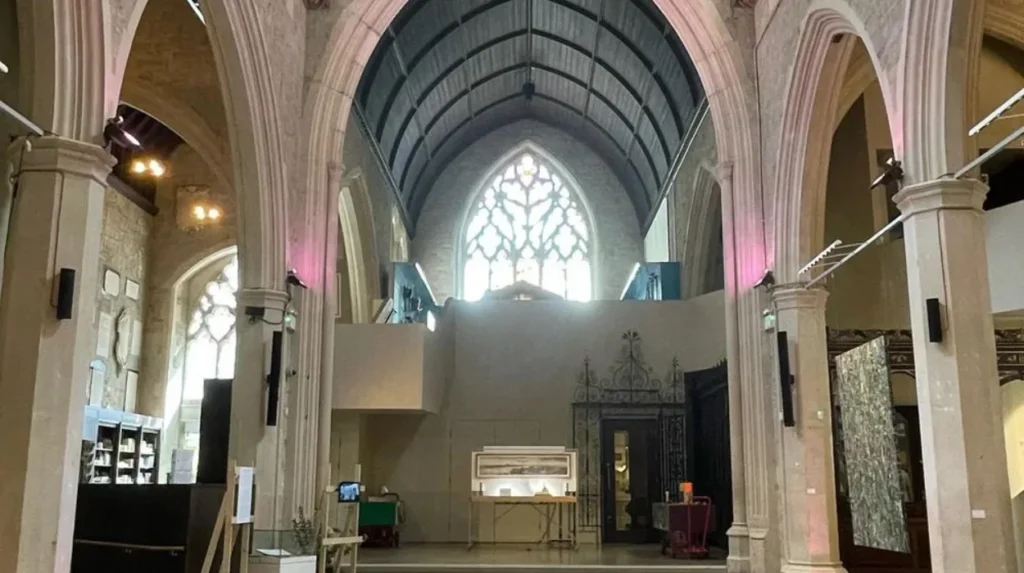
Located beside Lambeth Palace, the Garden Museum explores British garden history, horticulture and landscape design. It offers a quieter cultural option for families interested in plants and heritage. Check current exhibitions, family activities, admission arrangements and accessibility before travelling.
The Garden Museum and the South Bank provide different types of experiences, so families should check opening arrangements before treating them as interchangeable options. Outdoor locations generally offer greater flexibility, while museums and ticketed attractions require more attention to admission times.
For younger children, a playground or open lawn often provides a useful anchor for the day. Older children benefit from activities that involve exploration, photography, architecture or food. Parents should choose destinations that allow children to participate rather than simply accompany adults through a long sightseeing route.
How can parents create a comfortable one-day Lambeth itinerary?
A comfortable Lambeth itinerary groups nearby attractions into short visits and includes regular breaks for food, toilets and rest. Families should choose one main activity in the morning, schedule lunch nearby, and reserve the afternoon for a park, riverside walk or quieter indoor destination.
The most effective itinerary starts with the children’s needs rather than the number of landmarks adults want to see. Parents should account for travel time, queues, walking distances and the time required to feed younger children.
Morning
Visit the Garden Museum for a cultural activity or explore the South Bank for riverside sightseeing. Confirm opening times and admission requirements before leaving the accommodation.
Midday
Choose a nearby café, restaurant or picnic area. Allow time for changing nappies, washing hands, using toilets and letting children rest before the next activity.
Afternoon
Head to a suitable park or garden for open-air play. Brockwell Park is particularly useful for families who want playground facilities, lawns and a longer outdoor break.
Stop for a snack, return to the accommodation or explore a nearby street. Leave enough time for the journey back rather than adding a distant attraction at the end of the day.
These times are planning suggestions rather than fixed opening or admission slots. Families should adjust them to suit travel arrangements, children’s routines and the season.
A half-day visit needs even less activity. Choose one principal attraction and one nearby break, rather than attempting to follow the full-day schedule. This approach also suits families staying elsewhere in London who want to experience Lambeth without dedicating an entire day to the borough.
How should families travel around Lambeth with children?
Families can travel around Lambeth using the Underground, National Rail, London buses and walking routes. The best option depends on the distance between attractions, pushchair requirements and station accessibility. Checking live journey information and step-free routes before departure reduces avoidable delays.
Lambeth has transport connections through stations including Waterloo, Lambeth North, Vauxhall, Brixton and Herne Hill. These stations serve different parts of the borough, so choosing the correct arrival point saves walking time.
The Underground is useful for longer journeys across London, while buses often provide a more direct connection between neighbourhoods. Walking works well for short sightseeing routes, especially around Waterloo and the riverside.
Transport for London provides dedicated guidance for passengers travelling with buggies. Its resources cover accessible journeys, step-free stations and the practicalities of taking pushchairs on public transport.
Parents should follow several practical principles:
- Check step-free access: A station with lifts reduces the need to carry a buggy up stairs. Verify lift availability and station access before setting off.
- Plan bus journeys carefully: Buses provide useful links between local destinations, but space for pushchairs depends on conditions on board.
- Allow extra transfer time: Moving a family between platforms, locating lifts and boarding with bags takes longer than travelling alone.
- Choose walking routes deliberately: Short distances on a map do not always mean easy journeys. Pavements, crossings, slopes and crowded areas affect comfort.
- Check return transport: Plan the route back before children become tired, particularly after a late afternoon activity.
For example, visitors exploring the Garden Museum can use Lambeth North, Waterloo or Vauxhall as transport options. The museum’s visitor guidance lists nearby stations, bus connections and accessibility information. Garden Museum+1
Families travelling with children under five should also consider the time spent standing on platforms and waiting for buses. A direct bus or a slightly longer journey with fewer changes often makes a day easier to manage.

Which Lambeth parks are best for children who need outdoor breaks?
Lambeth’s public parks provide space for play, picnics and rest between sightseeing activities. Brockwell Park offers a large playground and open meadows, while smaller neighbourhood green spaces suit shorter stops. Families should check facilities, ground conditions and seasonal activities before visiting.
Outdoor breaks help families balance structured sightseeing with activities that allow children to move freely. Lambeth Council maintains a directory of parks and open spaces, with facilities such as playgrounds, toilets, cafés, ponds and quiet seating areas listed where available. Lambeth Council
Brockwell Park is one of the strongest options for a dedicated family outing. The park opened to the public in 1892 and includes landscaped grounds, ponds, a walled garden, Brockwell Hall and a children’s playground. Other facilities include sports areas and a seasonal wet-play area. Lambeth Council+1
Its varied terrain means families should consider how much walking children can manage. A visit focused on the playground requires less exploration than a complete circuit of the park.
Smaller spaces, such as Archbishop’s Park near Waterloo, provide another way to introduce outdoor time into a central London itinerary. A neighbourhood park can be more practical than travelling across the borough solely for a short play session.
Before choosing a park, parents should establish whether they need:
- A playground with age-appropriate equipment, such as swings and slides.
- Toilets and baby-changing facilities close to the planned activity.
- Benches or shaded areas for feeding and rest.
- Firm paths for pushchairs or mobility aids.
- A café or a suitable picnic area for lunch.
These facilities differ by location. Check the relevant council listing rather than assuming every park provides the same services.
Weather also influences the best choice. On dry days, open lawns support picnics and active play. During wet weather, muddy paths and slippery surfaces make some outdoor routes less convenient, so a museum or another indoor attraction offers a useful alternative.
How can families include Lambeth’s history without tiring children?
Families can introduce Lambeth’s history through short visits to historic buildings, riverside landmarks, museums and public gardens. Linking a historical fact to something children can see makes the visit easier to follow. Keep heritage stops brief and combine them with play, refreshments or outdoor exploration.
Lambeth has a long history shaped by the River Thames, religious institutions, urban development and public recreation. Historic buildings and landscapes provide context for understanding how South London changed from earlier settlements into a densely populated part of modern London.
Lambeth Palace, the historic residence of the Archbishop of Canterbury, stands beside the Thames. Its surroundings help explain the area’s religious and civic history, although access to buildings and grounds depends on current arrangements. Families should check official visitor information before planning a visit inside the palace.
The Garden Museum offers a more structured introduction to heritage. Its collection explores the history and design of British gardens through objects, artworks and stories about gardeners. The museum also runs family learning activities, including hands-on sessions during selected weekends and school holidays.
Parents planning a historical walk should select a small number of features and explain each in simple terms. For example, children can compare an old building with nearby modern architecture or identify how the river shaped transport and settlement.
As you explore Lambeth’s present-day attractions, you are also crossing an area shaped by centuries of change. Discover the full [Insert Anchor Text for Lambeth History Article Here] to understand the borough’s origins and development.
This is the article’s single historical-background anchor placeholder. Replace it with the final title or URL-based anchor text of the related history article when the topical content cluster is published.
Historical visits should remain flexible. Children often engage more readily with visible details, such as a tower, garden layout or old riverside building, than with a lengthy explanation of dates. A short heritage stop followed by an outdoor break maintains a comfortable pace.
Which indoor activities help families plan for rainy weather?
Indoor attractions give families a reliable alternative when rain, cold temperatures or strong winds disrupt outdoor plans. Lambeth’s Garden Museum and Imperial War Museum provide educational visits, while nearby South Bank attractions offer interactive experiences. Check suitability, opening times and ticket availability before departure.
British weather changes throughout the year, so families should have an alternative to every major outdoor activity. Rain does not need to end the sightseeing day if an indoor destination is available within a reasonable distance.
The Garden Museum is suitable for families interested in gardens, art and nature. Its learning programme includes activities for children and families during selected weekends and school holidays. Parents should check the current programme because workshops vary by date.
The Imperial War Museum, on Lambeth Road, offers a different educational experience. Its exhibitions cover conflicts and their effects on people and societies. Parents should review the content and age suitability of specific galleries before taking younger children.
Families visiting the wider South Bank area can also consider SEA LIFE London Aquarium and the London Eye, both located near County Hall. These are nearby London attractions rather than attractions within every part of Lambeth, so parents should include the extra travel or walking time in their plans. visitlondon.com+1
For a comfortable rainy-day visit, consider the following approach:
- Book timed-entry attractions in advance when required.
- Carry waterproof jackets and a spare set of clothes for younger children.
- Choose an indoor destination near lunch or a transport connection.
- Check whether food, pushchairs and large bags are permitted.
- Avoid scheduling two long indoor visits without a break.
A shorter indoor visit followed by an early meal often works better than attempting to fill every hour. Families should prioritise activities that match children’s attention spans and interests.
How can parents manage food, toilets and rest breaks in Lambeth?
Families should identify suitable meal stops, toilets, baby-changing facilities and places to sit before starting their sightseeing route. Parks, museums, cafés and major visitor venues provide different facilities. Confirm availability in advance, particularly when travelling with babies, toddlers or children with additional needs.
Food and rest arrangements have a direct effect on the comfort of a family trip. Children who miss regular meals or spend too long walking without breaks often struggle to enjoy the next attraction.
Brixton provides opportunities to explore market food and a range of local cuisines. The South Bank offers cafés, restaurants and food options near major attractions. Families should check menus, prices, seating arrangements and dietary information before choosing where to eat.
A picnic is another practical option for a park visit. Parents can prepare sandwiches, fruit and water before travelling, then use an appropriate picnic area when the weather permits. This approach also reduces the need to leave a park in search of food.
Toilet access deserves equal attention. Transport for London provides a toilet-facilities map alongside its guidance for passengers travelling with pushchairs. The Garden Museum also lists accessible toilets and baby-changing facilities in its visitor information.
A simple preparation routine helps families avoid unnecessary interruptions:
- Check toilet and baby-changing locations before leaving the accommodation.
- Carry drinking water and snacks appropriate for the children.
- Bring wipes, tissues, spare clothes and nappies when needed.
- Plan a seated break before children become exhausted.
- Identify a café or indoor waiting area near the final activity.
Parents should also consider allergies and special dietary requirements. Contact a venue or restaurant directly if menu information does not clearly explain ingredients or food preparation.
Rest breaks do not need to be lengthy. A short stop on a park bench, a drink at a café or a quiet period inside a museum can make the remainder of the visit more manageable.
How can families keep a Lambeth sightseeing trip affordable?
Families can control sightseeing costs by combining free parks and riverside walks with one carefully selected paid attraction. Budgeting for transport, food, admission and unexpected expenses before departure helps parents make informed choices without overloading the itinerary.
Lambeth offers several activities that do not require admission tickets. Public parks such as Brockwell Park provide free entry, while walking along public riverside routes offers sightseeing without purchasing an attraction ticket.
The Garden Museum and major nearby attractions charge admission according to their own pricing structures. Family tickets, child rates and concessions differ between venues, so parents should compare the total cost for their group rather than relying on an adult ticket price alone. Garden Museum+1
A practical family budget should include four main categories:
- Transport: Account for the journeys to Lambeth, travel between attractions and the return trip.
- Admission: Check whether children qualify for free entry, discounted tickets or family packages.
- Food and drinks: Decide whether to buy meals, carry snacks or prepare a picnic.
- Contingencies: Reserve money for unexpected transport changes, replacement clothing or an unplanned indoor activity.
Families can reduce spending by visiting a free park in the morning, bringing snacks and choosing one paid experience for the afternoon. This also creates a natural balance between structured activities and open-ended play.
London transport fares and ticket conditions change, so check the latest official information before travel. Do not assume a particular pass offers the lowest price without comparing it against the family’s planned journeys.
A realistic budget also accounts for children’s preferences. Paying for an activity that holds their attention is often more practical than purchasing admission to several attractions that the family does not have time to enjoy fully.
What accessibility arrangements should families check before visiting Lambeth?
Families should check step-free routes, accessible toilets, seating, path surfaces and attraction-specific facilities before travelling. These details matter for pushchairs, wheelchair users, children with mobility needs and visitors who require frequent rest. Contact venues directly when published accessibility information does not answer a specific question.
Accessibility involves more than confirming whether a building has a ramp. The complete journey includes public transport, pavements, entrances, internal circulation, toilets and the distance between facilities.
The Garden Museum provides detailed access information, including level entry, lift access to its permanent collection, accessible toilets and baby-changing facilities. Its guidance also identifies a hearing loop and large-print labels. Families should check the latest arrangements if they need a particular service. Garden Museum
Brockwell Park has surfaced paths and seating, but its hilly landscape means not every route presents the same level of effort. Accessibility information identifies step-free access across much of the park and notes that some surfaces and paths have potential obstacles.
Parents planning an accessible day should establish:
- Whether the nearest station has working lifts and a step-free route.
- Whether a venue permits pushchairs throughout its visitor areas.
- Where accessible toilets and baby-changing facilities are located.
- Whether paths contain steep slopes, uneven sections or difficult crossings.
- Whether the attraction provides quiet spaces or suitable adjustments for sensory needs.
Families with neurodivergent children should also check whether attractions offer quieter sessions, advance visual guides or information about noise and lighting. The Garden Museum lists family workshops for neurodiverse needs during school holidays. Garden Museum
These checks are useful for any family, not only visitors with a declared accessibility requirement. Knowing where to sit, use the toilet or take a quieter break reduces uncertainty and makes the day easier to manage.
When is the best time to visit Lambeth with children?
The best time to visit Lambeth depends on the family’s preferred activities, weather tolerance and school schedule. Weekdays outside school holidays often suit quieter sightseeing, while summer supports park visits and outdoor play. Families should check attraction hours, seasonal facilities and event-related crowding before choosing a date.
Spring and summer offer longer daylight hours and more opportunities to enjoy parks, gardens and riverside walks. Brockwell Park’s wet-play facility is seasonal, normally operating from the last Saturday in May until the last weekend in September, subject to maintenance and availability.
Autumn can suit families interested in gardens, changing foliage and shorter outdoor walks. Winter visits benefit from an indoor-first itinerary, with a museum or other attraction providing the main activity and a short outdoor stop added if conditions are suitable.
School holidays often increase demand at major attractions. Advance booking helps families secure suitable admission times, while arriving earlier in the day can reduce the pressure to rush through the itinerary.
Parents should also consider the difference between weekday and weekend visits. Markets, cultural venues and parks can become busier during popular periods or scheduled events. Check local event notices when planning around a major park or public space.
No season guarantees particular conditions. Review the weather forecast, travel updates and opening information shortly before leaving. Keep an indoor alternative available if the planned outdoor activity becomes uncomfortable.
How can parents keep children safe and comfortable during the trip?
Parents can improve family safety by agreeing meeting points, supervising children near roads and water, carrying essential contact details and keeping the itinerary flexible. Comfortable footwear, suitable clothing, regular hydration and clear travel arrangements help children manage Lambeth’s busy streets and sightseeing environments.
Lambeth combines busy transport corridors, crowded shopping streets, public parks and riverside paths. Each environment requires different precautions, especially when travelling with toddlers or children who need closer supervision.
Near the River Thames, children should remain under adult supervision and stay away from unsafe edges, slippery surfaces and tidal areas. Parents should follow local safety signs and avoid allowing children to approach the water unsupervised.
In Brixton and other busy shopping areas, agree on a simple meeting point in case family members become separated. Younger children should know which accompanying adult to approach for help and should not be expected to navigate crowded streets alone.
Practical preparations include carrying a charged mobile phone, saving accommodation details and keeping emergency contact information accessible. Families travelling from overseas should also know how to contact local emergency services.
Comfort matters just as much as safety. Supportive shoes reduce discomfort during walking, while layers of clothing help children adapt to changes in temperature. A lightweight raincoat is useful throughout the year.
Parents should also avoid treating the planned itinerary as a fixed obligation. If a child becomes tired, shorten the route or return to the accommodation. Skipping an additional attraction is preferable to making the rest of the day unnecessarily difficult.
Explore More Area Guide
Accessible Lambeth: Best Experiences for Visitors With Limited Mobility
What International Students Can Explore in Lambeth
How can families adapt a Lambeth itinerary to different ages?
The most suitable Lambeth itinerary depends on children’s developmental stages, walking ability and interests. Toddlers benefit from playgrounds and short outings, primary-school children enjoy hands-on learning and exploration, and teenagers often prefer cultural activities, photography, markets and independent discovery with appropriate supervision.
Children of different ages experience sightseeing differently. A plan that suits a teenager often demands too much walking or waiting for a preschool child.
For toddlers and preschoolers, prioritise one main activity, a playground and frequent breaks. Brockwell Park offers outdoor play facilities, while a short riverside walk provides a change of scenery without requiring a full museum visit.
Primary-school children often respond well to activities that involve finding, observing and learning. At the Garden Museum, families can explore the relationship between plants, art and garden design. Parents can turn the visit into a simple activity by asking children to identify different plants, colours or objects.
Teenagers often appreciate a greater degree of choice. Brixton’s markets, the South Bank’s cultural attractions and riverside photography provide opportunities to explore local life and London’s built environment. Parents should agree on boundaries, meeting times and transport arrangements before allowing older children to explore independently.
Mixed-age families should select activities that provide something for everyone. A museum followed by a park, for example, gives older children an educational experience and younger children time to play.
The same principle applies to multi-generational visits. Grandparents and other adults benefit from seating and shorter walking routes, while children need opportunities to move around. Alternating active and quieter activities makes the schedule more inclusive.
What should families check before leaving for Lambeth?
Families should confirm attraction opening hours, ticket requirements, transport conditions, accessibility arrangements and the weather before leaving. A short final checklist prevents avoidable delays and helps parents adjust the plan when facilities, services or seasonal activities differ from expectations.
Preparation is particularly important when the itinerary includes timed-entry attractions or seasonal park facilities. Even a well-planned day requires flexibility when public transport or weather conditions change.
Use this final checklist before departure:
- Confirm opening hours and book tickets where necessary.
- Check transport routes, step-free access and live service updates.
- Identify toilets, baby-changing facilities and meal stops.
- Pack water, snacks, weather-appropriate clothing and essential medicines.
- Save the addresses of the main attraction and accommodation.
- Choose a nearby alternative in case of rain or unexpected closure.
- Agree on a realistic finishing time and a return route.
Parents should use official attraction websites and Lambeth Council’s parks directory to verify current details. The Garden Museum’s visitor information and Transport for London’s accessibility guidance are particularly useful when planning a visit with a buggy or a child with additional needs. Garden Museum+2
The final itinerary should remain a guide rather than a strict timetable. Families who prepare carefully, limit the number of destinations and allow time for breaks can experience Lambeth’s cultural attractions, green spaces and riverside setting without unnecessary pressure.
Planning a comfortable Lambeth trip with children starts with realistic expectations. Choose attractions that suit the family’s interests, group destinations by location and allow sufficient time for food, toilets, transport and rest.
Brockwell Park offers outdoor play and open space, the Garden Museum provides an educational cultural experience, and Brixton introduces visitors to local markets and food. The South Bank adds riverside sightseeing and major family attractions nearby.
By checking accessibility, preparing for changing weather and keeping the schedule flexible, families can enjoy a well-organised visit to Lambeth while making room for children’s individual needs.
What are the best things to do in Lambeth with children?
Brockwell Park, the Garden Museum, Brixton Windmill and Vauxhall City Farm are family-friendly options in Lambeth. Families can choose outdoor play, garden history, local heritage or animal experiences depending on children’s ages and interests.