International students in Lambeth, South London, have access to historic landmarks, riverside walks, cultural attractions, public parks, markets and affordable leisure activities. The borough sits beside the River Thames and includes well-known destinations such as the South Bank, Waterloo, Brixton, Vauxhall and Streatham. Its transport connections make it practical for students to explore local neighbourhoods, visit central London attractions and discover South London’s cultural heritage between lectures.
- What Makes Lambeth a Good Place for International Students to Explore?
- Which Historic Attractions Can International Students Visit in Lambeth?
- Where Can Students Enjoy Free Cultural Activities in Lambeth?
- Which Parks and Green Spaces Are Best for Student Leisure in Lambeth?
- What Can International Students Discover in Brixton?
- Where Can Students Find Affordable Food and Shopping in Lambeth?
- Which Places in Lambeth Help Students Socialise and Meet New People?
- How Can International Students Enjoy Outdoor Sports and Active Leisure in Lambeth?
- Where Can Students Study or Work Remotely During Their Free Time in Lambeth?
- How Can International Students Explore Lambeth on a Student Budget?
- How Can Students Plan a Half-Day or Full-Day Outing in Lambeth?
- How Can Exploring Lambeth Help International Students Understand London Life?
Lambeth offers different ways to spend free time, whether students want to study outside campus, exercise outdoors, attend cultural events, discover international food or meet people from different backgrounds. Many activities take place in public spaces, while museums, galleries and organised events provide additional options for students interested in history, art and contemporary culture.
For international students adjusting to life in London, exploring Lambeth also provides opportunities to understand British customs, experience the capital’s multicultural communities and develop a stronger connection with their local surroundings.
What Makes Lambeth a Good Place for International Students to Explore?
Lambeth is a diverse South London borough with riverside attractions, parks, cultural venues, historic landmarks and strong public transport connections. International students can combine affordable outdoor activities with museums, community events, food markets and opportunities to experience everyday life in London.
The London Borough of Lambeth stretches from the River Thames towards southern neighbourhoods including Brixton, Streatham and West Norwood. Its varied urban landscape includes busy commercial streets, residential districts, green spaces and major cultural destinations.
Lambeth’s location makes it useful for students attending universities and colleges across central and South London. Waterloo and Vauxhall provide connections to other parts of the capital, while buses, Underground services and National Rail stations support local travel.
The borough also reflects London’s multicultural character. Brixton has a particularly prominent Caribbean heritage, while other neighbourhoods contain communities with African, European, Asian and other international connections. Students encounter different cuisines, cultural traditions, independent businesses and community activities within a relatively compact area.
Free time does not always require expensive entertainment. Walking beside the Thames, visiting public parks, exploring neighbourhood high streets and attending free public events provide practical ways to experience Lambeth on a student budget.
Which Historic Attractions Can International Students Visit in Lambeth?
International students can explore Lambeth’s history through landmarks such as Lambeth Palace, the South Bank, Brixton’s historic streets and the Imperial War Museum. These places reveal different aspects of London’s religious, political, architectural and social development across several centuries.
Lambeth Palace stands near the Thames and has served as the official London residence of the Archbishop of Canterbury since the late Middle Ages. Its historic buildings and gardens reflect the long relationship between the Church of England and British public life. Access to interiors and gardens depends on opening arrangements and scheduled visits, so students should check official visitor information before travelling.
The Imperial War Museum London, located on Lambeth Road, documents the experiences and consequences of modern conflict. Its collections include objects, photographs, documents and personal accounts. Admission to the permanent galleries is generally free, although some temporary exhibitions and special events require payment.
The South Bank provides another way to explore London’s development. Its riverside buildings, cultural institutions and public spaces reflect major changes in London’s transport, architecture and entertainment industries. Walking along the river connects historic views with contemporary urban development.
Students researching the area’s deeper roots can also explore the historical development of Lambeth, from its medieval religious connections to its industrial growth and modern multicultural identity. This context helps explain why its neighbourhoods have different architectural styles, community traditions and cultural landmarks.
Where Can Students Enjoy Free Cultural Activities in Lambeth?
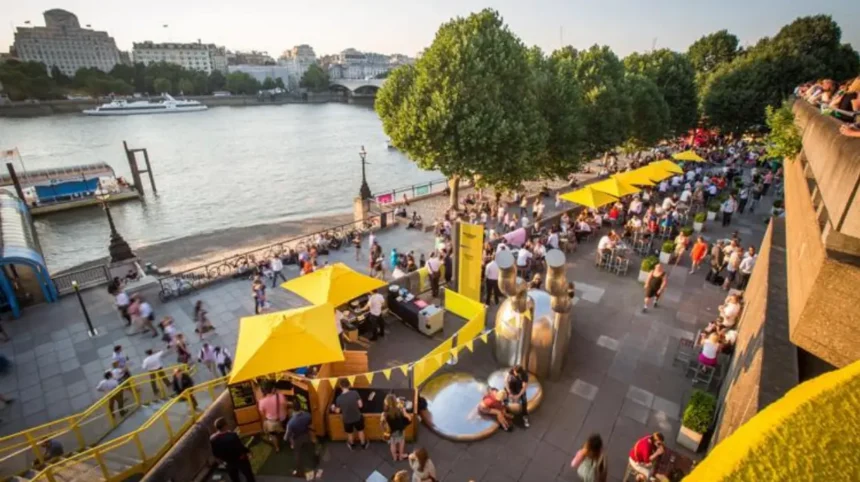
The South Bank is one of Lambeth’s most accessible cultural areas for international students, offering public art, riverside walks, book stalls, exhibitions and live performances. The Southbank Centre provides free entry to its public spaces and a substantial programme of free events throughout the year.
The Southbank Centre is a major arts complex beside the River Thames. It hosts music, dance, literature, comedy, talks and visual art. The venue’s public areas provide space to meet friends, take a break from studying or explore contemporary culture. More than half of its events are free, although admission requirements vary by programme.
The nearby Queen Elizabeth Hall Roof Garden provides a green space with views over the surrounding city. The riverside walkway also connects students with public art, street performers and views of landmarks on both sides of the Thames.
Students interested in literature can browse the South Bank Book Market beneath Waterloo Bridge. Its stalls offer second-hand books, maps, prints and other reading material. Browsing costs nothing, although purchasing books requires a budget.
Free cultural activities are particularly useful for students who want to practise English outside the classroom. Public talks, poetry events, exhibitions and performances introduce new vocabulary and give students opportunities to discuss art, music and current cultural themes.
The official South Bank events calendar lists free activities and provides information about dates, venues and booking requirements.
Which Parks and Green Spaces Are Best for Student Leisure in Lambeth?
Lambeth’s parks provide international students with places to walk, exercise, read, meet friends and take breaks from academic work. Brockwell Park is a leading choice because it combines historic gardens, open meadows, sports facilities, wildlife habitats and views across London.
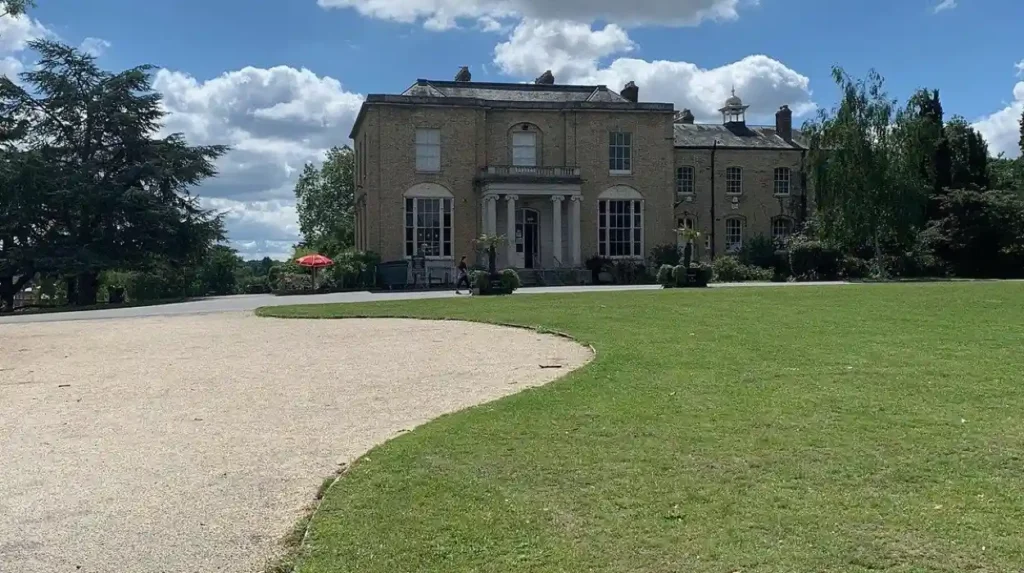
The Brockwell Park covers an extensive area of landscaped grounds in Herne Hill. The park opened to the public in 1892 and contains historic features including Brockwell Hall, ponds, a walled garden and a nineteenth-century clock tower.
Students can use the park for several everyday activities. Walking paths support light exercise, while open lawns provide space for reading, picnics and informal games. Tennis courts, basketball facilities and football pitches provide additional recreational options, with booking or charges applying to certain facilities.
The park is also suitable for students interested in nature. Trees, ponds, flower gardens and grassland support urban wildlife. A walk through the grounds provides opportunities to observe seasonal plants and birds without travelling outside London.
Another local landmark is Brockwell Lido, an outdoor swimming pool within a Grade II listed Art Deco building dating from 1937. It also has fitness facilities and a café. Swimming and gym access involve fees, and pool hours change with the season.
Green spaces also support student wellbeing by providing opportunities for physical activity and time away from screens. Students can schedule a walk between lectures, read course material outdoors or organise a group picnic when the weather permits.
Other useful outdoor destinations include smaller neighbourhood parks and local gardens. Students should check access arrangements, facilities and event schedules before planning activities, particularly when a large public event affects normal park use.
What Can International Students Discover in Brixton?
Brixton gives international students a direct introduction to South London’s multicultural identity through food, music, markets, independent shops and community spaces. Its Caribbean heritage and contemporary cultural scene make the neighbourhood a useful destination for exploring local history and everyday London life.
Brixton is one of Lambeth’s best-known commercial and cultural neighbourhoods. It has a strong connection with Caribbean migration, Black British history, music and community activism. Its high streets and markets reflect the influence of generations of residents from different backgrounds.
Students can explore Brixton Market to discover food stalls, independent retailers and businesses selling products from different parts of the world. Markets provide opportunities to encounter ingredients, dishes and shopping traditions that differ from those found in conventional supermarkets.
The neighbourhood’s food scene includes Caribbean cooking, African dishes, international street food and contemporary cafés. Students can compare menus, try unfamiliar foods or find ingredients used in recipes from home. Prices vary between traders, so checking menus and stall prices helps maintain a student budget.
Music is another important part of Brixton’s identity. The area has a longstanding association with reggae, sound-system culture and other musical traditions. Live music venues, public events and independent cultural spaces offer ways to experience London’s contemporary music scene. Entry fees and age restrictions vary by venue.
Brixton is also relevant to students interested in social history. Its streets reflect changes in migration, housing, commerce and community identity. Exploring the area alongside historical records helps students understand how migration has influenced the cultural character of South London.
To make a visit more educational, students can compare the businesses, languages and food traditions found around Brixton Market with those in their home countries. This turns an ordinary afternoon outing into an opportunity to learn about global migration, cultural exchange and urban development.
Where Can Students Find Affordable Food and Shopping in Lambeth?
International students can explore Lambeth’s markets, independent food shops, cafés and high streets to find different cuisines and everyday essentials. Brixton Market is especially useful for discovering international ingredients, while the South Bank offers food stalls and seasonal markets for casual visits.
Food and shopping are practical ways to understand a new city. Students often need affordable meals, familiar ingredients and places to meet friends without committing to expensive restaurant visits.
Brixton Market contains traders selling fresh produce, spices, prepared food and international ingredients. Students who cook at home can compare prices across shops and identify ingredients suitable for familiar recipes. Purchasing basic ingredients and preparing meals in shared accommodation often gives students greater control over weekly food spending.
The South Bank Food Market provides another option for trying dishes from different culinary traditions. Its traders and opening arrangements vary, so checking current listings helps students plan a visit. The wider South Bank also has cafés, restaurants and food outlets at different price points.
Students should distinguish between browsing a market and purchasing from it. Walking around, comparing displays and learning about ingredients costs nothing, but meals and products require payment. Setting a spending limit before visiting helps prevent unplanned expenses.
Shopping also introduces students to local commercial customs. They can learn how British shops display prices, how public transport connects retail areas and how local businesses serve residents from different cultural backgrounds.
For students seeking lower-cost meals, useful habits include comparing supermarket prices, checking student discounts where available and planning meals before shopping. Students should confirm that advertised discounts apply to their institution and current student status rather than assuming every business offers a concession.

Which Places in Lambeth Help Students Socialise and Meet New People?
International students can build social connections in Lambeth through university societies, community events, cultural workshops, sports activities and public arts programmes. The South Bank and Brixton offer accessible starting points, while libraries, student unions and organised local groups provide more structured opportunities to meet people.
Moving to another country involves more than adjusting to a new academic system. Students also need opportunities to develop friendships, practise conversational English and become familiar with local customs.
The Southbank Centre regularly hosts performances, workshops, festivals and public events. Free activities provide an entry point for students who want to participate in London’s cultural life without paying for every outing. Some workshops require advance registration, so checking event details is important.
Brixton offers another social setting through markets, cafés, music venues and community activities. Students can explore the neighbourhood with classmates, attend public events or join organised activities that match their interests.
University societies are particularly useful for building lasting connections. International societies, language exchanges, sports clubs and volunteering groups bring together people with shared interests. Students should check their institution’s official website or student union for current membership arrangements and event dates.
Community volunteering provides another route to social participation. Environmental projects, local charities and community gardens sometimes organise activities that involve residents and volunteers. Students should confirm age requirements, time commitments and any eligibility conditions before signing up.
Public events also encourage interaction between international students and local residents. A free exhibition, neighbourhood festival or group walk provides a shared activity and a natural topic for conversation.
Students who prefer quieter social settings can arrange study sessions in public spaces, join reading groups or attend daytime community activities. Choosing regular activities creates repeated opportunities to recognise familiar faces and develop friendships over time.
How Can International Students Enjoy Outdoor Sports and Active Leisure in Lambeth?
Lambeth supports active leisure through public parks, walking routes, sports courts, fitness facilities and swimming opportunities. Students can start with free walking and outdoor exercise, then use organised facilities for activities such as tennis, basketball, football and swimming when their budget allows.
Brockwell Park is a useful starting point for outdoor exercise because it has walking paths, open grassland and designated sports facilities. Students can walk independently, exercise with friends or arrange informal games on suitable public areas. Bookable courts and pitches have separate access arrangements.
The park’s Brockwell Lido provides an option for students who enjoy swimming. The facility combines a historic outdoor pool with a gym and exercise spaces. Seasonal opening hours and admission charges mean students should confirm the latest arrangements before making a trip.
Walking beside the Thames is another practical activity. The riverside route around Waterloo and the South Bank provides pedestrian access to public spaces, cultural venues and city views. Students can combine a walk with a visit to an exhibition or a stop at the book market.
Cycling offers another way to explore Lambeth and neighbouring boroughs. Students should plan routes using suitable cycle infrastructure, obey road rules and use secure parking. Checking hire charges and return conditions is important when using a public bicycle-hire scheme.
Organised sports provide opportunities to exercise and socialise at the same time. University sports clubs, leisure centres and community groups publish information about sessions, membership and equipment requirements. Beginners should check whether introductory sessions or student rates are available.
Active leisure does not require a complicated schedule. A regular walk, a weekly sports session or a visit to a local park gives students a manageable way to balance academic commitments with physical activity.
Where Can Students Study or Work Remotely During Their Free Time in Lambeth?
International students can combine leisure with independent study by using suitable public spaces, cafés, libraries and university facilities in Lambeth. The best choice depends on Wi-Fi availability, noise levels, seating, opening hours and whether the student needs a quiet environment for concentrated academic work.
A change of environment helps students organise their free time around coursework, reading and personal projects. Lambeth’s cafés and public cultural spaces offer different settings, although not every venue provides free Wi-Fi, power sockets or guaranteed seating.
The South Bank is suitable for students who want to combine independent reading with a riverside walk. Public seating and open spaces provide places to review notes or read when the weather is suitable. Indoor venues offer more protection from rain and cold weather.
Cafés around Brixton and Waterloo provide additional options for students who prefer working in a commercial setting. Before settling down, students should check whether laptop use is welcome, whether Wi-Fi is available and whether the venue expects customers to purchase food or drinks.
Libraries are another useful option because they provide access to books, reference materials and study environments. Lambeth’s public library services are worth checking for local branches, membership conditions, computer access and opening times.
International students attending a London university should also investigate campus libraries and learning centres. These facilities often provide study desks, academic resources and institution-specific support. Access policies differ, particularly for visitors and students enrolled at other institutions.
Remote workers and digital nomads should distinguish casual laptop use from a dedicated coworking arrangement. A café is suitable for a short study session, whereas paid coworking spaces offer more structured working facilities. Anyone handling confidential academic, business or personal information should use secure networks and avoid leaving devices unattended.
How Can International Students Explore Lambeth on a Student Budget?
Students can explore Lambeth affordably by prioritising free attractions, walking between nearby destinations, using student concessions and planning meals in advance. Parks, public art, riverside routes and selected museum galleries offer leisure without an admission fee, while transport, food and paid activities require separate budgeting.
Free activities provide the foundation of a practical student leisure plan. Walking through Brockwell Park, exploring Brixton’s streets and visiting public areas around the South Bank allow students to discover the borough without purchasing attraction tickets.
The Imperial War Museum London offers another strong option because its permanent galleries are generally free to visit. Students should check admission conditions for temporary exhibitions and special events before travelling.
Transport costs depend on the journey, ticket type and eligibility for concessions. Students should compare available fares and consider whether walking between nearby attractions saves money and time. An Oyster card or eligible contactless payment method can simplify travel on London’s public transport network, while railcard eligibility depends on the student’s circumstances and journey.
Food spending also affects the cost of an afternoon out. Buying ingredients at local shops and preparing meals at home can reduce reliance on cafés and restaurants. When eating out, students can compare menus before ordering and look for clearly advertised student discounts.
A simple spending plan can separate activities into three categories:
- Free activities: park walks, public art, riverside sightseeing and browsing markets.
- Low-cost activities: selected food purchases, second-hand books and discounted leisure sessions.
- Paid experiences: theatre performances, special exhibitions, organised tours and swimming sessions.
These categories help students choose activities according to their available money without assuming that every attraction offers a discount.
International students should also verify the terms of any student concession. Some offers require a valid student identification card, while others are limited by age, institution, residency or booking date.
Explore More Area Guide
How Students Can Explore Lambeth’s History Outside the Classroom
Educational Group Visits in Lambeth: Best Attractions
How Can Students Plan a Half-Day or Full-Day Outing in Lambeth?
Students can plan a useful Lambeth outing by grouping attractions geographically, checking opening hours and combining outdoor exploration with one cultural activity. A half-day can focus on Waterloo and the South Bank, while a longer visit can include Brixton or Brockwell Park.
A practical itinerary reduces unnecessary travel and leaves room for study or other commitments. Students should choose destinations according to their interests, the weather and their starting point.
Half-day: Waterloo and the South Bank
Begin with a walk along the Thames. Browse the South Bank Book Market, explore the public spaces around the Southbank Centre and check whether a free exhibition or performance is taking place. Finish with an affordable meal or a return journey from Waterloo.
Half-day: Brixton’s cultural neighbourhood
Explore Brixton Market, discover independent shops and learn about the area’s multicultural history. Choose a food stall that fits your budget and check for local cultural events before travelling.
Full day: History and green space
Start at the Imperial War Museum London, then travel towards Brockwell Park for a walk through its gardens and open spaces. Check the museum’s opening arrangements and allow sufficient time for the journey between destinations.
The most effective itinerary depends on the student’s location and interests. Waterloo and the South Bank work well for students interested in arts and riverside views. Brixton suits those who want to explore food and music culture. Brockwell Park provides more space for walking, exercise and outdoor relaxation.
Students should verify event schedules, travel disruptions and facility opening times on the day of their visit. Large public events sometimes change access arrangements or increase crowd levels.
How Can Exploring Lambeth Help International Students Understand London Life?
Exploring Lambeth helps international students understand London’s cultural diversity, public transport, community traditions and urban history. Regular visits to local attractions allow students to practise English, develop social connections, discover unfamiliar neighbourhoods and balance academic responsibilities with meaningful leisure activities.
Lambeth provides examples of how London’s communities have changed over time. Historic religious buildings, modern cultural venues, Caribbean-influenced commercial streets and public parks represent different parts of the borough’s development.
Visiting these places helps students connect information from classrooms with real locations. A trip to the Imperial War Museum supports the study of modern history, while a walk through Brixton introduces themes such as migration, music, commerce and community identity.
The borough also provides opportunities to develop practical independence. Students learn to plan journeys, compare prices, check event information and navigate public spaces. These skills are useful for everyday life in a large city.
Social participation is another important benefit. Public workshops, sports clubs, university societies and cultural events introduce students to people outside their academic courses. Shared activities create opportunities to practise conversational English and learn how local communities organise leisure.
Students should also approach unfamiliar neighbourhoods respectfully. Following local rules, checking photography restrictions, disposing of rubbish responsibly and respecting residents’ privacy help maintain positive relationships between visitors and local communities.
Lambeth’s leisure opportunities remain relevant throughout a student’s time in London. First visits can focus on well-known landmarks, while later outings can explore smaller parks, independent shops, community events and local cultural spaces. This gradual approach helps students discover the borough beyond the places they see on their daily commute.
Understanding the past also gives students a clearer view of the present. As they explore historic landmarks and modern cultural spaces, they can connect the borough’s architecture and communities with its wider development. Read the full [Lambeth History and Heritage: From Medieval Parish to Modern South London] to understand how the area evolved.
Lambeth gives international students a wide range of ways to spend their free time, from exploring the South Bank’s cultural venues to discovering Brixton’s markets and relaxing in Brockwell Park. The borough combines historic landmarks, multicultural neighbourhoods, outdoor recreation and opportunities for social interaction.
Students can make these experiences accessible by prioritising free attractions, checking student concessions and planning activities around their academic schedules. Regular exploration also helps them develop confidence navigating London, practise English and understand the communities around them.
Whether they have one free afternoon or an entire weekend, international students can use Lambeth as a starting point for discovering South London’s history, culture and everyday life.