When considering bodies of water south of London, the dominant and historically significant entity is the River Thames. This river is not only a key geographical feature but also a crucial element shaping the culture, economy, environment, and history of South London and the wider metropolitan area.
The River Thames: London’s Lifeline
The River Thames is the longest river entirely in England, stretching approximately 215 miles (346 km) from its source in Gloucestershire to the North Sea. It flows directly through London, defining much of the city’s character and providing an essential waterway south of the city center. Notably, many of London’s boroughs in South London such as Lambeth, Southwark, Greenwich, and others, lie along its banks.
The Thames has historically served numerous purposes: a commercial shipping route, a source of water, a natural boundary, and now a recreational and ecological asset. Its tidal nature in London creates a unique environment for wildlife and influences urban planning and waterfront development.
Tributaries and Water Bodies South of London
South London is home to several tributaries feeding into the Thames. These include rivers and streams like Beverley Brook, the Wandle, the Ravensbourne, and the Pool River. These waterways provide natural habitats and green corridors and contribute to the area’s biodiversity. These tributaries also highlight the complex network feeding into the Thames basin, covering over 600 kilometers of rivers and streams across Greater London.
In addition to rivers, South London features various water bodies such as the Thames Barrier and several smaller lakes and reservoirs. The Thames Barrier, located in the east near Greenwich, is an impressive piece of infrastructure designed to protect London from tidal surges and flooding, showcasing the strategic importance of the river beyond being a natural feature.
Historical and Cultural Importance
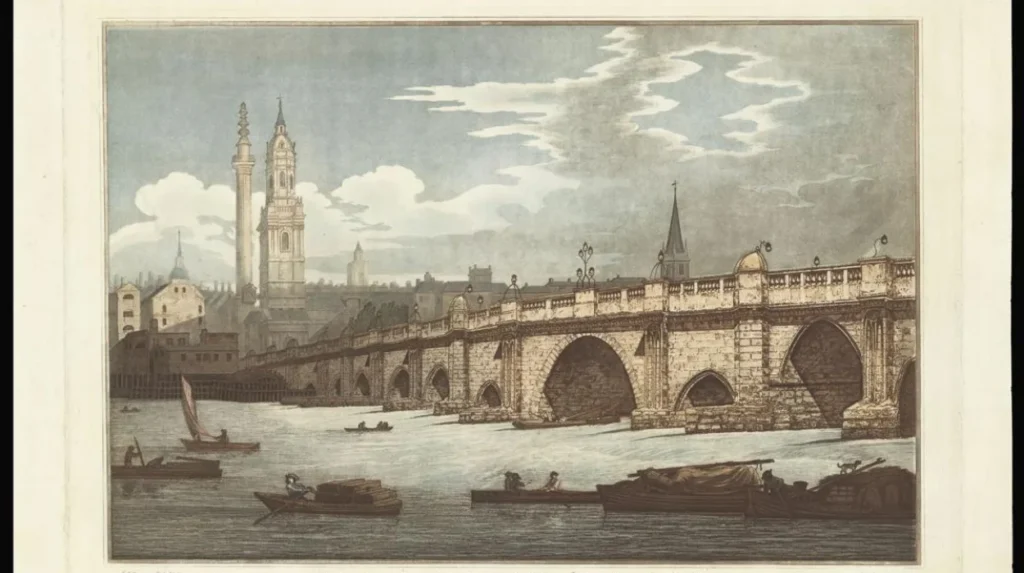
The River Thames has long influenced South London’s development. Historically, it was vital for trade and transportation, allowing London to become a commercial hub. Many ancient settlements developed along its banks, fueling economic growth.
Culturally, the Thames appears in literature, art, and folklore. The Southbank, a vibrant cultural district along the river, hosts numerous festivals, theaters, galleries, and markets, making the river a symbol of London’s lively urban culture.
Environmental Considerations
Efforts to preserve and improve the water quality of the Thames and its tributaries have been ongoing. Over 600 kilometers of rivers and streams in London, including those south of the city, flow into the Thames, making their health critically important to the overall ecosystem.
Water quality monitoring and conservation projects aim to reverse past pollution issues and maintain the river as a sustainable habitat. This improves conditions for fish, birds, and other wildlife while enhancing the river’s attractiveness for recreational use by residents and visitors alike.
Recreational Activities and Attractions
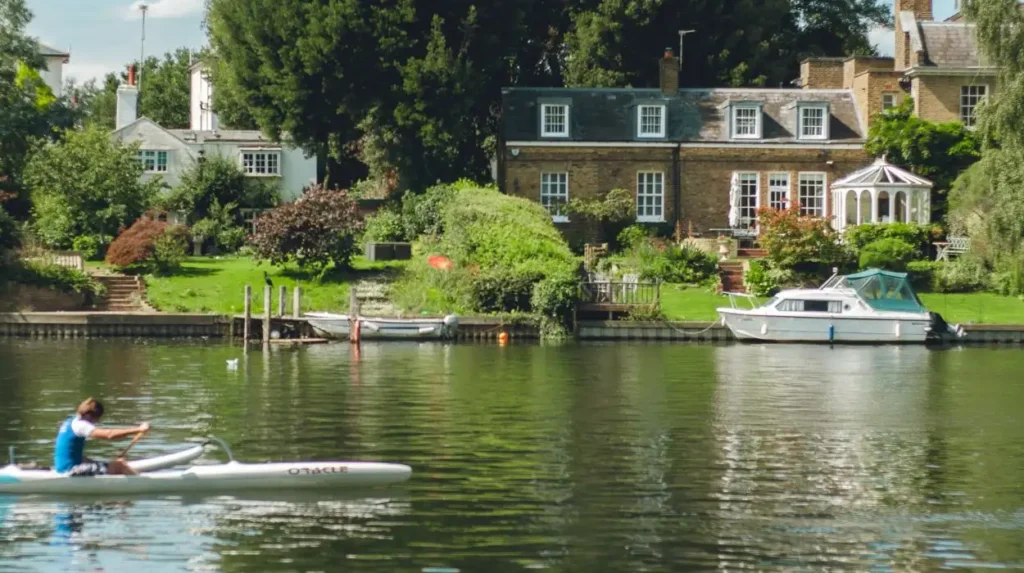
For local residents and tourists in South London, the Thames and its water bodies offer a range of recreational opportunities. Boating, kayaking, riverside walking, cycling along the Thames Path, and enjoying riverfront parks are popular activities. Locations such as the Royal Greenwich Park and the Thames Barrier Park provide scenic views and spaces for leisure.
The river’s role as a recreational hub continues to grow with more emphasis on urban riverfront regeneration projects, making the body of water south of London a central element of community life and well-being.