Lewisham stands out among South London boroughs as the only Inner London borough that combines a short Thames riverfront, the Prime Meridian, and a uniquely multicultural mix built on historic Kent villages, while offering fast rail to Central London and large green spaces at lower prices than neighbouring areas.
- How does Lewisham’s location and size compare with other South London boroughs?
- What makes Lewisham’s history and heritage distinct from neighbouring boroughs?
- How multicultural is Lewisham compared with other South London areas?
- What transport advantages set Lewisham apart for tourists and business travellers?
- How does Lewisham’s green space network differ from other South London boroughs?
- What cultural and creative assets make Lewisham unique for visitors?
- How does Lewisham’s town centre and market scene compare with nearby boroughs?
- What food and dining scene sets Lewisham apart from other South London destinations?
- How does Lewisham’s cost and accommodation profile differ for tourists and digital nomads?
- What sports and leisure activities are unique to Lewisham?
- How does Lewisham’s governance and community identity shape its visitor experience?
- Why might Lewisham be a better base than other South London boroughs for certain travellers?
How does Lewisham’s location and size compare with other South London boroughs?
Lewisham is a 13.57 sq mi (35.15 km²) Inner London borough in south‑east London, created in 1965, with a short Thames frontage at Deptford and borders to Southwark, Greenwich, Bromley and Tower Hamlets.
Most South London boroughs are Outer London and larger. Lewisham is one of the smallest London boroughs overall, which concentrates services, transport and green spaces into a compact footprint. Its position as an Inner London borough gives it closer proximity to Central London than many South London neighbours, while its Thames edge at Deptford is unusual for a borough that is otherwise dominated by residential and suburban land.
What makes Lewisham’s history and heritage distinct from neighbouring boroughs?
Lewisham’s name first appears in 862 CE, the area was historically mainly in Kent (with a small Surrey piece), and the modern borough was formed in 1965 by merging the metropolitan boroughs of Lewisham and Deptford.
This Kent heritage distinguishes Lewisham from boroughs like Southwark (historically Surrey) and parts of Greenwich (also historic Kent but with different royal and naval links). The combination of old villages—Deptford, New Cross, Blackheath, Lee, Forest Hill, Catford, Sydenham—within one administrative unit creates a layered identity that is more mixed than many single‑village or single‑theme boroughs. As you explore the modern site, you are crossing land with a deep heritage. Read about the full [History of Lewisham’s Kent Villages and Victorian Growth] to understand its origins.
How multicultural is Lewisham compared with other South London areas?
In 2021, 48.5% of Lewisham’s residents were from ethnic minority groups, with large Black African and Black Caribbean communities, plus significant Asian, Mixed and “Other” groups, making it one of the most multicultural boroughs in South London.
By contrast, many South London boroughs have lower overall ethnic minority percentages or different dominant groups. Lewisham’s Black or Black British population is notably high, and its Muslim population and “No religion” group reflect strong religious diversity. This mix supports a wide range of food cultures (Ethiopian, Caribbean, Turkish, Vietnamese and more) and community events that are more concentrated here than in neighbouring boroughs.
What transport advantages set Lewisham apart for tourists and business travellers?
Lewisham gives fast train access to London Bridge (7–9 minutes), Cannon Street and Charing Cross, plus DLR connections to Canary Wharf, and numerous Overground and National Rail stations across the borough.
The borough has no Underground Tube stations, but it compensates with dense rail coverage: Lewisham, Deptford, New Cross Gate, Forest Hill, Sydenham, Blackheath, Catford, Ladywell and others. The Docklands Light Railway terminates at Lewisham and runs through Deptford Bridge and Elverson Road, linking directly to Canary Wharf and the City. For a tourist or business traveller, this means sub‑10‑minute trips to major hubs like London Bridge without the crowding and cost of central Zone 1 stations, while still staying in a more affordable, residential part of London.
How does Lewisham’s green space network differ from other South London boroughs?
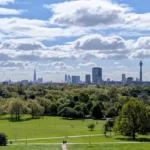
Lewisham contains large, named parks and open spaces such as Blackheath, Beckenham Place Park, Ladywell Fields, Deptford Park and the Horniman Museum grounds, giving it a high proportion of accessible green area within a compact Inner London setting.
Blackheath is a historic common with wide open grass, while Beckenham Place Park offers woodland, lakes and a historic house. Ladywell Fields and Deptford Park provide more informal, community‑focused green space close to residential areas. Many South London boroughs have green spaces, but Lewisham’s combination of historic commons, large parks and museum grounds within a small area is distinctive, especially for a borough that is otherwise densely built.
What cultural and creative assets make Lewisham unique for visitors?
Lewisham is known for Goldsmiths, University of London (in New Cross), the Horniman Museum (ethnography and musical instruments), Broadway Theatre in Catford, and a vibrant creative scene around Deptford and New Cross.
Goldsmiths brings a student population, galleries, lectures and public events that feed into local cafés, bars and independent shops. The Horniman Museum offers free entry, collections from around the world, and a large garden, making it a cultural anchor unlike many local museums in neighbouring boroughs. Deptford and New Cross host independent art spaces, music venues and small festivals, creating a “culture without the chaos” atmosphere that appeals to tourists who want London creativity without central London prices.
How does Lewisham’s town centre and market scene compare with nearby boroughs?
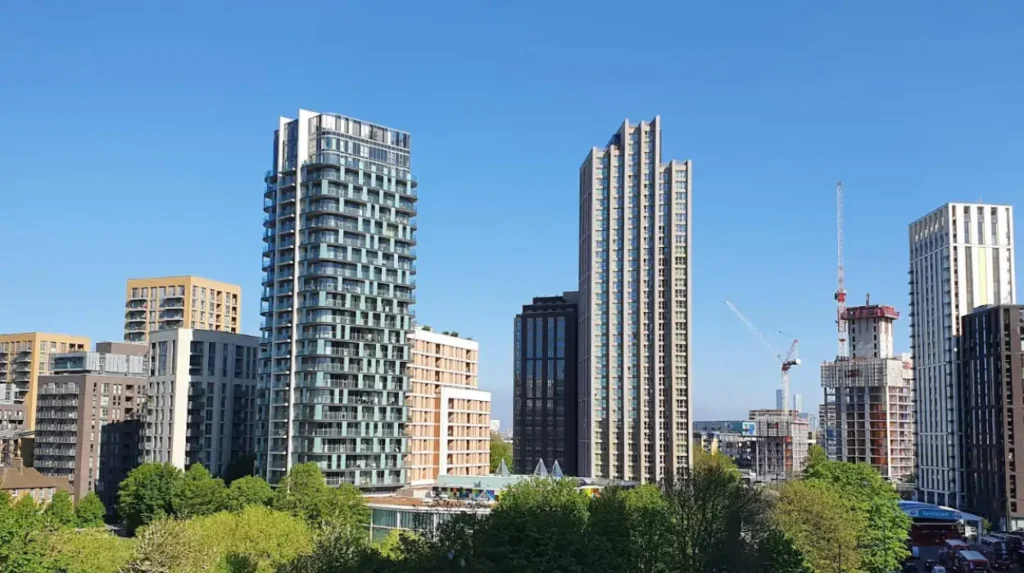
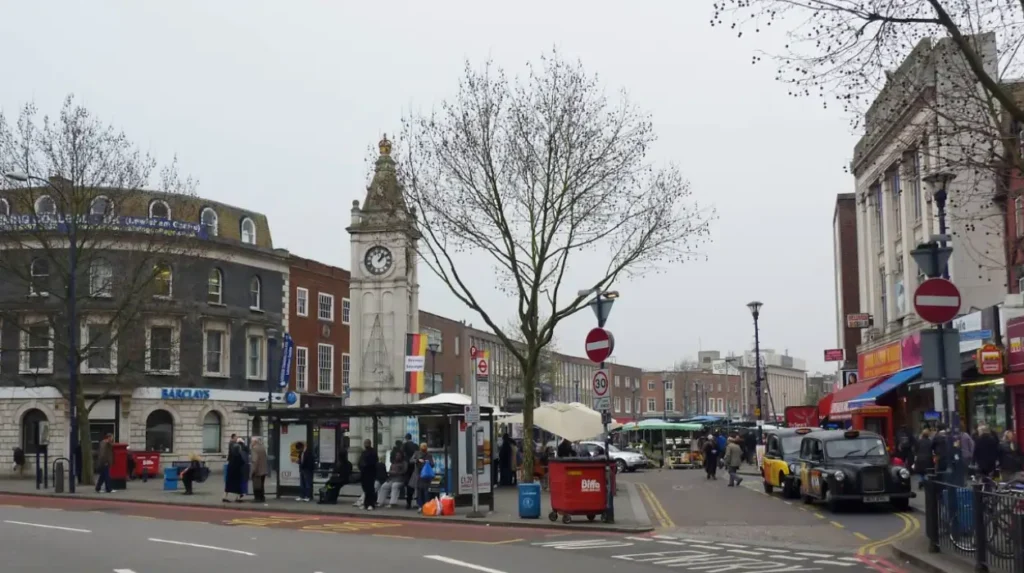
Lewisham town centre and Deptford Market Yard provide a mix of modern retail, independent cafés, markets and community hubs that feel more local and affordable than central South London shopping districts.
Lewisham Market and Deptford’s market areas offer everyday goods, food stalls and local produce, while new developments in the town centre add modern housing and shops. In contrast, nearby boroughs such as Southwark or Greenwich have more tourist‑focused high streets and larger chain retail. Lewisham’s markets and independent businesses give visitors a more “living London” experience rather than a purely commercial one.
What food and dining scene sets Lewisham apart from other South London destinations?
Lewisham’s dining scene is dominated by multicultural options including Ethiopian, Caribbean, Turkish, Vietnamese and Middle Eastern restaurants, shaped by its large Black and Asian communities.
This is different from many South London boroughs where Indian or Bangladeshi cuisine may be more dominant, or where food is more geared toward tourist areas. In Lewisham, whole streets and clusters of restaurants reflect specific diaspora communities, giving visitors authentic, affordable meals that are hard to find in central London. The density of independent eateries around New Cross, Deptford and Lewisham town centre supports both short visits and longer stays for food‑focused travellers.
Explore More Area Guide
Why Should Tourists Visit Lewisham in South London? A Complete Guide
Best Museums and Cultural Attractions in Lewisham for Tourists
How does Lewisham’s cost and accommodation profile differ for tourists and digital nomads?
Lewisham offers short‑lets, private rentals and some hotels at lower prices than central South London, with quieter residential streets suitable for remote work and downtime.
As an Inner London borough with good transport but outside Zone 1, Lewisham is cheaper for accommodation while still providing fast access to the City and Canary Wharf. For digital nomads and business travellers, this means more space and quieter environments for work, with cafés and co‑working spaces emerging around Deptford and New Cross. Compared with neighbouring areas, Lewisham delivers a balance of affordability, connectivity and local atmosphere that is less common in more tourist‑heavy South London boroughs.
What sports and leisure activities are unique to Lewisham?
Lewisham is home to Millwall Football Club at The Den in Bermondsey (within the borough), as well as Lewisham Borough Football Club at Ladywell Arena, and a range of local sports facilities and parks.
The Den is a well‑known non‑top‑flight football stadium with a strong local identity, and its location inside Lewisham gives the borough a defined football heart that some neighbouring areas lack. Ladywell Arena hosts community sports and events, supporting local leagues and fitness activities. These facilities, combined with large parks like Blackheath and Beckenham Place Park, create a leisure profile that mixes professional sport, community activity and open space.
How does Lewisham’s governance and community identity shape its visitor experience?
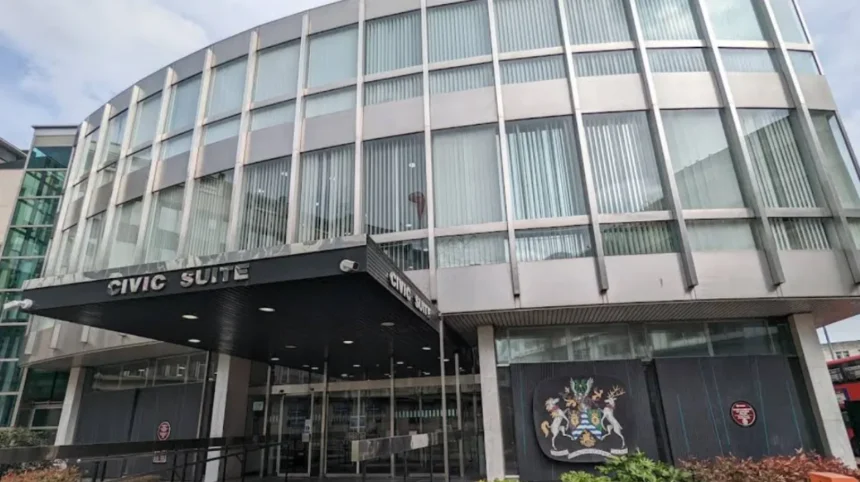
Lewisham is governed by Lewisham London Borough Council based in Catford, with a directly elected Mayor and a motto “Salus populi suprema lex” (the welfare of the people is the supreme law), reflecting a strong community focus.
This governance model supports local initiatives in transport, housing, culture and green space, which in turn affect the visitor experience through better maintenance of parks, markets and public areas. The borough’s twinning with Charlottenburg (Berlin), Antony (France) and Matagalpa (Nicaragua), plus a friendship link with Ekurhuleni (South Africa), reinforces an international outlook that is visible in cultural events and community projects. For tourists, this translates into a borough that feels managed for residents first, with authenticity that is less curated than in more tourist‑centric areas.
Why might Lewisham be a better base than other South London boroughs for certain travellers?
Lewisham combines fast central connections, multicultural culture, green spaces and lower prices in a compact Inner London setting, making it especially suitable for tourists, digital nomads and business travellers who want authenticity without central London costs.
Compared with Southwark, Lewisham is less saturated with tourist traffic and chain retail. Compared with Greenwich, it offers similar cultural depth but with more residential calm and a broader range of everyday markets. Compared with Bromley or other outer boroughs, Lewisham provides much faster rail times to the City and Canary Wharf. For visitors who want to explore London from a local perspective, Lewisham’s combination of heritage, diversity, green space and transport makes it a distinct and practical alternative to more traditional South London destinations.
Is Lewisham different from other South London boroughs?
Yes. Lewisham stands out for its combination of fast transport links to Central London, multicultural communities, extensive green spaces, independent markets, and a thriving arts scene. It offers a more local and affordable experience than many neighbouring boroughs.