The London Borough of Lambeth sits on the south bank of the River Thames in Inner London. It covers 26.82 square kilometres and contains a population of 318,000 residents. Lambeth spans distinct neighbourhoods including Waterloo, South Bank, Vauxhall, Stockwell, Brixton, Clapham, Streatham, and West Norwood. Visitors experience local culture across these areas through civic institutions, independent venues, heritage sites, and community spaces. Lambeth ranks among the most visited cultural destinations in the United Kingdom, receiving millions of domestic and international visitors each year.
- What Cultural Venues Form the Foundation of Southbank’s Arts District?
- How Does Brixton Showcase Afro-Caribbean Heritage and Community Culture?
- Which Historic and Independent Arts Hubs Operate Across Vauxhall and Stockwell?
- The Royal Vauxhall Tavern and LGBTQ+ Cultural Sites
- Stockwell’s Portuguese Quarter and Community Arts Spaces
- What Role Do Lambeth’s Parks and Green Spaces Play in Local Cultural Events?
- Where Can Digital Nomads and Travellers Access Work-Friendly Cultural Hubs in Lambeth?
- The National Poetry Library and Southbank Centre Lounges
- Community Workspaces and Independent Cultural Cafes
- How Can Visitors Navigate and Support Lambeth’s Local Creative Economy?
What Cultural Venues Form the Foundation of Southbank’s Arts District?
Visitors experience Southbank’s arts district at world-class institutional complexes along the River Thames waterfront. The Southbank Centre, Royal National Theatre, and British Film Institute Southbank offer daily classical performances, contemporary visual arts, independent cinema, and public literary archives.
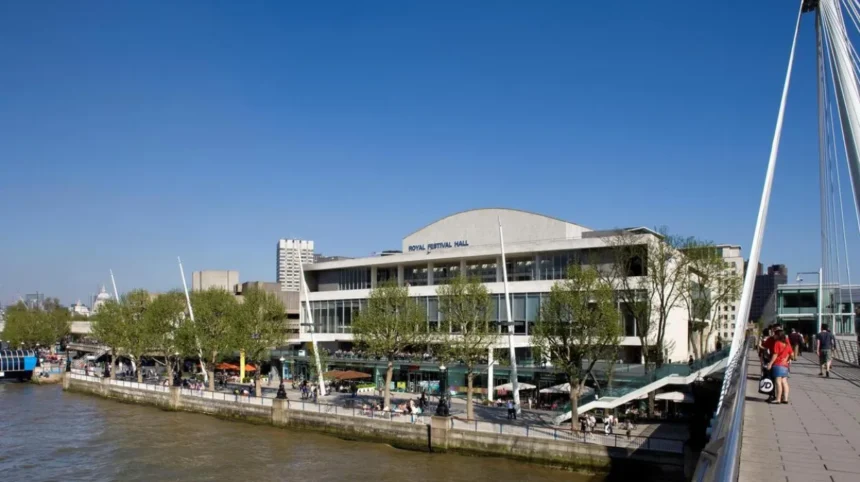
The Southbank Centre is Europe’s largest arts centre. It occupies an 11-acre site constructed for the 1951 Festival of Britain. The complex receives over 3.2 million visitors annually. It contains three primary performance and exhibition venues: the Royal Festival Hall, the Queen Elizabeth Hall, and the Hayward Gallery.
The Southbank Centre Complex
The Royal Festival Hall opened in 1951 as a 2,700-seat auditorium designed by architects Sir Leslie Martin and Robert Matthew. It serves as the resident performance home for four major orchestras: the London Philharmonic Orchestra, the Philharmonia Orchestra, the London Sinfonietta, and the Orchestra of the Age of Enlightenment.
Adjacent to the hall sits the Queen Elizabeth Hall and the Purcell Room, opened in 1967 to house chamber music, jazz, and modern dance performances. The Hayward Gallery opened in 1968. It showcases international contemporary art exhibitions within a Grade II* listed brutalist structure.
The Royal National Theatre and BFI Southbank
The Royal National Theatre stands immediately east of the Southbank Centre. Designed by architect Sir Denys Lasdun and opened in 1976, the building houses three separate auditoriums: the Olivier Theatre (1,150 seats), the Lyttelton Theatre (890 seats), and the Dorfman Theatre (450 seats). The theatre produces up to 20 productions per year, ranging from Shakespearean plays to new writing.
BFI Southbank operates under the arches of Waterloo Bridge. Operated by the British Film Institute, it features four cinema screens presenting retrospective, foreign language, and archive films. BFI Southbank hosts the annual BFI London Film Festival every October. Attached to the facility is the BFI IMAX, which houses Britain’s largest cinema screen, measuring 20 metres high by 26 metres wide.
How Does Brixton Showcase Afro-Caribbean Heritage and Community Culture?
Visitors experience Brixton’s Afro-Caribbean heritage through historic heritage archives, bustling covered markets, independent music spaces, and public squares. Key cultural sites include the Black Cultural Archives, Windrush Square, Brixton Village, and the O2 Brixton Academy venue.
Brixton serves as the cultural heart of London’s Afro-Caribbean community. Following the arrival of HMT Empire Windrush at Tilbury Docks in June 1948, many Caribbean migrants settled in Brixton due to nearby employment offices. Today, Brixton preserves this living heritage through dedicated cultural trusts, community retail hubs, and public spaces.
Black Cultural Archives and Windrush Square
The Black Cultural Archives (BCA) sits at 1 Windrush Square in central Brixton. Founded in 1981 by educator Len Garrison, the BCA is the UK’s only national heritage centre dedicated to recording the histories of people of African and Caribbean descent. The institution holds over 400 collection boxes containing historic photographs, manuscripts, newspapers, and oral history recordings dating back to the 2nd century Roman Britain.
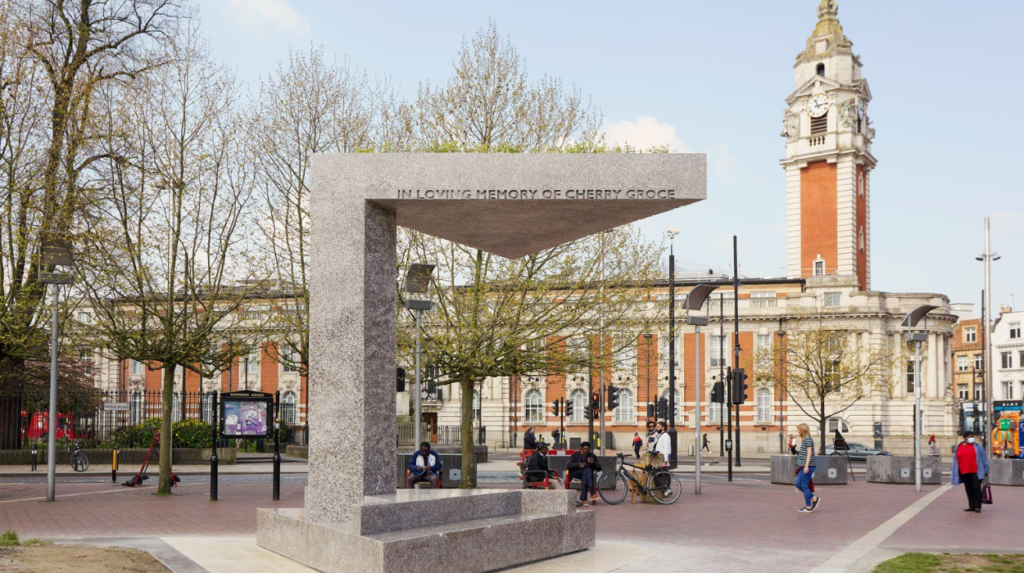
Windrush Square was redeveloped in 2009 to commemorate the 60th anniversary of the arrival of the Empire Windrush. The square features the African and Caribbean War Memorial, unveiled in 2017 to honour the 2.5 million African and Caribbean military personnel who served in World War I and World War II.
As you explore the modern site, you are crossing land with a deep heritage. Read about the full [Insert Anchor Text for History Article Here] to understand its origins.
Brixton Village, Market Row, and Live Performance Spaces
Brixton Village and Market Row are two covered market arcades constructed between 1928 and 1938. Listed as Grade II structures in 2010, these arcades contain over 100 independent food vendors, craft shops, and community spaces. They reflect Brixton’s multicultural identity through Caribbean bakeries, West African grocery traders, and global street food kitchens.
Live music is integral to Brixton’s local culture. The O2 Brixton Academy on Stockwell Road opened in 1929 as the Astoria Cinema. Converting to a music venue in 1983, it holds a capacity of 4,921 patrons, making it one of Europe’s largest non-arena music venues.
The Electric Brixton on Town Hall Parade operates as a live performance space with a 1,500-person capacity. Nearby, the Ritzy Picturehouse cinema, established in 1911, operates as one of South London’s oldest surviving independent picture houses.
Which Historic and Independent Arts Hubs Operate Across Vauxhall and Stockwell?
Visitors explore Vauxhall and Stockwell through historic LGBTQ+ venues, community art spaces, and vibrant ethnic enclave destinations. Iconic sites include the Royal Vauxhall Tavern, Gasworks Gallery, and the Portuguese culinary and social quarter along South Lambeth Road.
Vauxhall and Stockwell represent two distinct cultural zones in North and Central Lambeth. Vauxhall established a national reputation for entertainment dating back to the Vauxhall Pleasure Gardens in 1661. Stockwell contains London’s largest Portuguese-speaking community, earning it the designation “Little Portugal”.
The Royal Vauxhall Tavern and LGBTQ+ Cultural Sites
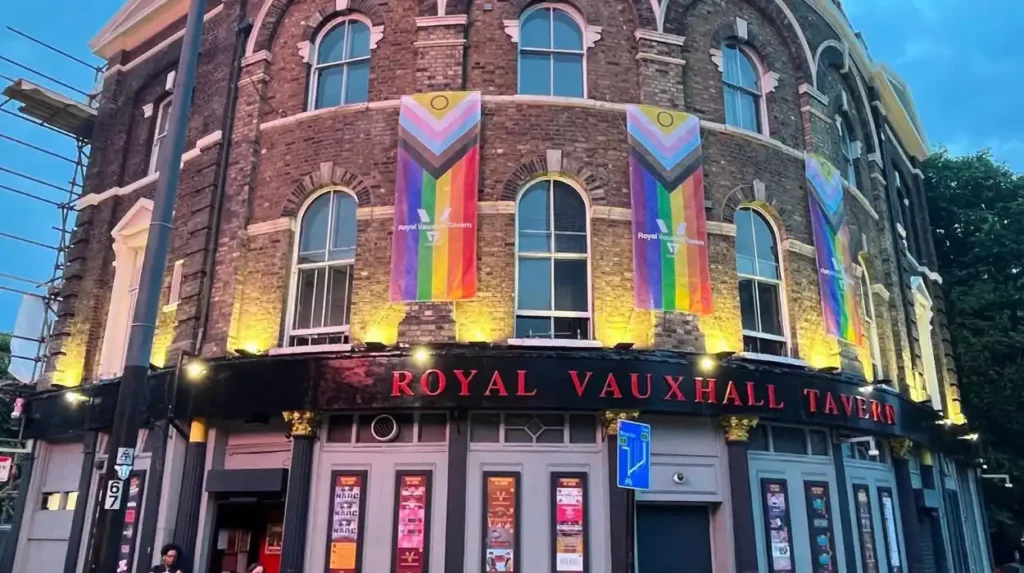
The Royal Vauxhall Tavern (RVT) sits at 372 Kennington Lane. Built in 1862 on the former site of the Vauxhall Pleasure Gardens, the RVT is London’s oldest continuously operating LGBTQ+ performance venue. Historic performances at the site include drag cabaret, theatre, and community fundraisers. In 2015, the UK Department for Culture, Media and Sport granted the building Grade II listed status, making it the first UK building listed for its LGBTQ+ heritage significance.
Vauxhall hosts additional independent visual arts hubs. Gasworks Gallery on Vauxhall Street operates as a non-profit contemporary art organization. Established in 1994, Gasworks provides studio spaces for 12 London-based artists and hosts international residency programs alongside quarterly art exhibitions.
Stockwell’s Portuguese Quarter and Community Arts Spaces
Stockwell’s cultural landscape is defined by its Portuguese community. Beginning in the 1960s and 1970s, migration from Portugal, Madeira, and Brazil created a commercial cluster along South Lambeth Road. Over 25 independent businesses—including traditional pastelarias, seafood restaurants, and community social clubs—operate along this stretch.
Culture in Stockwell also centres on community arts spaces:
- Stockwell Skatepark: Built in 1978 and known locally as “Brixton Bowl,” this concrete skatepark is a designated asset of community value that serves international skateboarders and BMX riders.
- South London Theatre: Located in West Norwood nearby, this historic community theatre company operates out of the Old Fire Station built in 1881.
- Cavendish Arms: An independent comedy venue in Stockwell hosting open-mic performances and local performing arts groups daily.
What Role Do Lambeth’s Parks and Green Spaces Play in Local Cultural Events?
Lambeth’s public parks host large-scale community festivals, heritage displays, and open-air arts programming. Major green spaces—including Brockwell Park, Clapham Common, and Archbishop’s Park—function as venues for multi-day cultural gatherings that attract hundreds of thousands of annual visitors.
Lambeth contains over 60 public parks and green open spaces covering 220 hectares of urban land. These parks host annual cultural events funded by Lambeth Council and independent event organisers.
Brockwell Park and the Lambeth Country Show
Brockwell Park covers 50.8 hectares between Brixton and Herne Hill. Opened to the public in 1892, the park features a Grade II listed clocktower, a 1930s Lido, and Brockwell Hall, constructed in 1813.
The park hosts the annual Lambeth Country Show every June. Founded in 1974, this two-day event is one of the UK’s largest free civic festivals, attracting over 120,000 visitors per edition. The show integrates rural agricultural contests, horticultural displays, livestock exhibits, and local craft stalls alongside two main stages featuring reggae, dub, ska, and classical music performances.
Clapham Common and Archbishop’s Park
Clapham Common covers 89 hectares, spanning the boundary between Lambeth and Wandsworth. The park contains a Victorian bandstand constructed in 1890, which is the largest surviving bandstand in London. Throughout summer, the bandstand hosts free public performances by brass bands, jazz ensembles, and local community choirs. Clapham Common also hosts annual large-scale music and arts festivals, including the South West Four Festival and community charity runs.
Archbishop’s Park occupies 3.8 hectares adjacent to Lambeth Palace, the official London residence of the Archbishop of Canterbury since 1197. The park offers community sports facilities, public gardening spaces, and seasonal outdoor theatre productions hosted in partnership with local community arts charities.
Explore More Area Guide
Best Hidden Attractions in Lambeth | South London 2026
How Accessible Is Lambeth for First-Time Visitors? Lambeth 2026
Where Can Digital Nomads and Travellers Access Work-Friendly Cultural Hubs in Lambeth?
Digital nomads and travellers access work-friendly cultural hubs in public library archives, community arts centres, and independent creative spaces. Key destinations include the National Poetry Library, Pop Brixton, and the Southbank Centre foyers, offering free desk spaces, high-speed Wi-Fi, and cultural programming.
Lambeth hosts high-density digital infrastructure and public study facilities designed for remote workers, students, and business travellers seeking immersion in local arts environments.
The National Poetry Library and Southbank Centre Lounges
The National Poetry Library sits on Level 5 of the Royal Festival Hall. Founded by the Arts Council in 1953 and opened by poets T.S. Eliot and Herbert Read, it holds over 200,000 items, forming the largest public collection of modern poetry in the world. The library provides free membership, public reading desks, reference archives, and Wi-Fi access.
The Royal Festival Hall foyers offer four floors of open-access workspace. These spaces open daily at 10:00 AM, providing power outlets, seating, and café services. Workers operate alongside ongoing daytime events, including free foyer music concerts, public lectures, and poetry readings.
Community Workspaces and Independent Cultural Cafes
Lambeth contains alternative workspaces that double as creative incubators:
- Pop Brixton: Built in 2015 on Brixton Station Road, Pop Brixton uses repurposed shipping containers to house 80 local independent businesses. It provides low-cost hot-desking, studio spaces, and communal seating for digital nomads alongside street food traders and non-profit community radio stations.
- Streatham Space Project: Located near Streatham Hill station, this hybrid cultural venue features a 120-seat theatre, exhibition space, and a work-friendly café. It provides desk space alongside evening stand-up comedy, theatre, and live music performances.
How Can Visitors Navigate and Support Lambeth’s Local Creative Economy?
Visitors support Lambeth’s creative economy by spending directly at local independent venues, municipal markets, non-profit galleries, and community enterprise hubs. Visitors navigate the borough using Transport for London’s extensive Underground, Overground, National Rail, and riverbus networks.
Lambeth’s creative sector accounts for over 10% of total borough employment. To preserve local heritage and maintain venue viability, municipal policies protect creative assets through formal enterprise designations.
The Brixton Creative Enterprise Zone
In 2018, the Mayor of London designated Brixton as one of London’s first Creative Enterprise Zones (CEZ). The Brixton CEZ provides dedicated funding and planning protection to prevent the loss of creative workspaces, music venues, and art studios.
Visitors directly support this ecosystem by attending performances at independent venues, purchasing goods from registered market traders in Brixton Village, and donating to community arts charities like the Black Cultural Archives.
What are the best places to experience local culture in Lambeth?
Lambeth’s strongest cultural destinations include Southbank, Brixton, Vauxhall, Stockwell, Clapham, Streatham, and West Norwood. Visitors can explore world-class arts institutions, independent galleries, historic music venues, community theatres, markets, and cultural festivals throughout the borough.