Lewisham, a borough in South London, contains more than 360 nationally listed buildings, including two Grade I sites and nearly 40 Grade II* landmarks, offering visitors a dense concentration of heritage architecture from medieval churches to Victorian museums and early‑20th‑century civic buildings. Tourists and leisure travellers can explore historic landmarks across Lewisham town centre, Deptford, Lee, Forest Hill, and Brockley, with clear access by rail, Underground, and bus links from central London.
- What are the most important historic landmarks in Lewisham?
- Why should visitors explore Lewisham’s historic landmarks?
- Which medieval and early modern churches can you visit in Lewisham?
- Church of St Mary the Virgin, Lewisham
- St Paul’s Church, Deptford
- Boone’s Chapel, Lee
- What Georgian and Victorian residential landmarks are worth seeing?
- Albury Street, Deptford
- Colonnade House and Stone House
- Manor House Library (Lee Public Library)
- Which museums and civic buildings add to Lewisham’s heritage?
- Horniman Museum, Forest Hill
- St Mary’s Civic Group, Lewisham Town Centre
- How can tourists plan a historic landmarks day trip in Lewisham?
- Lewisham Town Centre Cluster
- Deptford Dockyard and Church Cluster
- Lee and Forest Hill Cluster
- What practical information do visitors need for historic sites in Lewisham?
- Where can visitors find more detailed heritage information about Lewisham?
What are the most important historic landmarks in Lewisham?
Lewisham’s most important historic landmarks are its two Grade I listed buildings – Boone’s Chapel in Lee and St Paul’s Church in Deptford – plus a group of Grade II* sites such as St Mary the Virgin Church, Horniman Museum, Beckenham Place Mansion, and several 17th–19th‑century houses and civic buildings across the borough.
Lewisham has around 368 nationally listed building entries, dominated by Grade II structures, with 38 Grade II* and two Grade I. The Grade I sites are Boone’s Chapel (founded c. 1680–83) on Lee High Road and the Church of St Paul in Deptford (18th century). These two form the highest‑ranking heritage assets and anchor points for a historic tour of the borough.
Grade II* landmarks include:
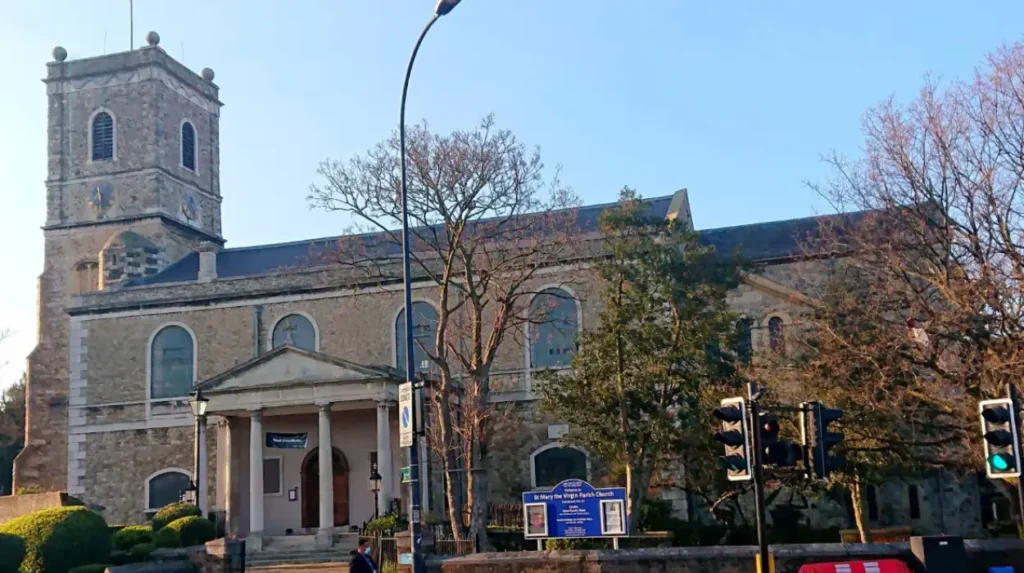
- Church of St Mary the Virgin, Lewisham High Street – built 1498, one of the oldest surviving church structures in the area.
- Horniman Museum, Forest Hill – opened 1902, an Edwardian museum building with notable collections and gardens.
- Beckenham Place Mansion, Beckenham – country house dating to about 1773, set in a large parkland with later Georgian and Victorian additions.
- Churches of St Andrew (Sandhurst Road), St Bartholomew (Westwood Hill), St Margaret (Lee Terrace), and the Ascension (Dartmouth Row) – representing late‑19th and early‑20th‑century ecclesiastical architecture.
- Colonnade House, South Row, Deptford – a c. 1795 house linked to the former Royal Dockyard, and a series of early‑18th‑century terraces on Albury Street in Deptford.
These sites form the core of any historic landmark itinerary in Lewisham and are widely documented in conservation appraisals and local heritage inventories.
Why should visitors explore Lewisham’s historic landmarks?
Visitors should explore Lewisham’s historic landmarks because they provide direct access to over a thousand years of London history, from medieval and Jacobean churches to Georgian country houses, Victorian museums, and Edwardian civic architecture, all within a compact, well‑connected area of South London.
Lewisham’s origins stretch back to the 6th century, when the Jute Leof settled the area and named it “Leofshema”, later evolving into Levesham and then the Lord Manor of Lewisham by the Saxon period. The borough’s built heritage reflects successive phases: medieval and post‑medieval churches, 18th‑century rural estates along the Thames and in Lee, Victorian suburban expansion, and 20th‑century civic and cultural institutions.
The density of heritage assets is high: over 360 nationally listed entries, more than 250 locally listed buildings, and 28 conservation areas, plus areas of archaeological priority and an Area of Special Local Character in Lewisham Town Centre. This concentration means that a single day trip can include multiple distinct historic environments, from dockyard precincts in Deptford to leafy suburban villages in Lee and Forest Hill.
As you explore the modern sites, you are crossing land with a deep heritage. Read about the full [Lewisham historic development and municipal evolution] to understand its origins from Saxon manor to modern London borough.
Which medieval and early modern churches can you visit in Lewisham?
Visitors can visit the Church of St Mary the Virgin on Lewisham High Street (built 1498), St Paul’s Church in Deptford (18th century, Grade I), and Boone’s Chapel in Lee (founded c. 1680–83, Grade I), alongside several later churches including St Margaret at Lee and St Bartholomew on Westwood Hill.
Church of St Mary the Virgin, Lewisham
The Church of St Mary the Virgin on Lewisham High Street dates to 1498 and is Grade II* listed. It stands within the St Mary’s Conservation Area, which is characterised by the church, its churchyard, and a strong group of Edwardian civic buildings. The building retains medieval structural elements alongside later modifications, representing the core of the historic parish of Lewisham.
The churchyard and surrounding streets contain later memorials and historic housing, contributing to the area’s cohesive townscape. Visitors can view the exterior freely and, when services or events are open, enter to see interior features such as historic stained glass, woodwork, and monuments.
St Paul’s Church, Deptford
St Paul’s Church in Deptford Church Street is Grade I listed and dates from the 18th century. Located in the former dockyard precinct, it reflects the maritime and industrial history of Deptford as a royal dockyard and trading hub. Its architectural form and interior fittings are significant for regional ecclesiastical and social history.
The church sits within a broader historic context that includes listed dockyard buildings such as the Master Shipwright’s House and former office buildings of the Royal Dockyard, also Grade II*. Together, these form a coherent dockyard heritage zone accessible via short walks from Deptford station.
Boone’s Chapel, Lee
Boone’s Chapel on Lee High Road, founded around 1680–83, is the other Grade I listed building in the borough. It is a small Jacobean chapel with an associated short abutting wall to the east, representing early non‑conformist or private religious architecture in South London.
The chapel is located near Lee Old Churchyard, which contains additional listed monuments such as the Fludyer Tomb (c. 1769) and the Monument of Sir John Call, 1st Baronet (c. 1801). These form a dense cluster of early modern funerary and religious heritage in the Lee village area.
What Georgian and Victorian residential landmarks are worth seeing?
Key Georgian and Victorian residential landmarks include the early‑18th‑century Albury Street terraces in Deptford, Colonnade House on South Row, Stone House on Lewisham Way, and the Manor House Library (formerly Lee Public Library) dating from 1771–72, alongside a range of late‑19th‑century houses in Lee, Forest Hill, and Brockley.
Albury Street, Deptford
Albury Street contains a series of early‑18th‑century houses and terraces, including Nos. 13–15, 17, 19–21, 23–27, 29–31, 33, 34–40, 35, 37, and 43, all listed as Grade II*. These buildings demonstrate consistent Georgian domestic architecture with brick construction, segmented windows, and modest decorative details, forming one of the borough’s most coherent historic residential streets.
The street lies close to the former Royal Dockyard and reflects the housing needs of dockyard workers, merchants, and officials in the 1700s. Visitors can walk the entire length to observe the uniformity of scale, materials, and street layout, with some properties retaining original features such as internal panelling and staircases.
Colonnade House and Stone House
Colonnade House on South Row, Deptford, is a c. 1795 house associated with the Royal Dockyard and is Grade II* listed. Its name suggests classical influence, possibly with a colonnaded façade or portico, and it contributes to the historic dockyard townscape.
Stone House at 281 Lewisham Way, SE4 1XF, is a villa built c. 1771–73 and Grade II* listed. It represents late‑Georgian suburban villa architecture, set in what was then a more rural part of the borough. The building’s form and setting offer insight into the transition from country estate to urban suburb.
Manor House Library (Lee Public Library)
The Manor House Library, formerly Lee Public Library, dates from 1771–72 and is Grade II* listed. Originally a domestic building, it was later adapted for public library use, reflecting the 19th‑century expansion of civic services in South London.
Located in Lee, near Lee High Road and the historic churches, it forms part of a cluster of heritage assets including Boone’s Chapel and Lee Old Churchyard. The building’s adaptation demonstrates how Georgian houses were repurposed for public functions in the Victorian and Edwardian periods.
Which museums and civic buildings add to Lewisham’s heritage?
The primary museum and civic heritage landmarks are the Horniman Museum in Forest Hill (opened 1902, Grade II*), the Victorian and Edwardian civic buildings around St Mary’s Church in Lewisham town centre, and historic library and municipal structures such as the Manor House Library in Lee.
Horniman Museum, Forest Hill
The Horniman Museum on Forest Hill is Grade II* listed and opened in 1902. It was built as a public museum and art gallery, funded by the Horniman family, and houses collections of natural history, ethnography, and fine art, alongside extensive gardens.
The building’s Edwardian architecture, with large windows, decorative stone detailing, and a prominent entrance, reflects the civic ambition of the late Victorian and early 20th century. Visitors can explore the museum interiors, gardens, and special exhibitions, making it both a cultural and historic landmark.
St Mary’s Civic Group, Lewisham Town Centre
The St Mary’s Conservation Area includes not only the Church of St Mary the Virgin (1498) but also a “strong group of Edwardian civic buildings” surrounding the church and churchyard. These typically include former town halls, libraries, schools, and administrative buildings constructed in the late 19th and early 20th centuries.
Although individual building names are not enumerated in the summary, the group forms a coherent civic quarter that illustrates Lewisham’s development as a municipal centre. Walking tours can focus on the streets immediately around St Mary’s High Street and Church Road to identify these civic structures.
How can tourists plan a historic landmarks day trip in Lewisham?
Tourists can plan a historic landmarks day trip in Lewisham by focusing on three clusters: Lewisham town centre and St Mary’s area, Deptford’s dockyard and church heritage, and Lee/Forest Hill’s churches, mansions, and museum, using rail and bus connections between sites and allocating 2–3 hours per cluster.
Lewisham Town Centre Cluster
Start at Lewisham High Street to visit the Church of St Mary the Virgin (1498) and the surrounding Edwardian civic buildings in the St Mary’s Conservation Area. From here, you can walk to nearby Grade II listed buildings such as St Mary’s Vicarage (late 17th century) and other historic residential properties along the high street.
Lewisham station provides direct rail links to London Bridge, Victoria, and Canary Wharf, making this cluster accessible from central London. The Area of Special Local Character designation for Lewisham Town Centre highlights its coherent historic townscape, useful for identifying additional locally listed buildings.
Deptford Dockyard and Church Cluster
Travel to Deptford to explore St Paul’s Church (Grade I), the Master Shipwright’s House, and former Royal Dockyard office buildings (all Grade II*), as well as the early‑18th‑century Albury Street terraces. This cluster concentrated around Deptford Church Street and South Row offers a compact dockyard heritage experience.
Deptford station and bus routes connect easily to Lewisham and central London. The proximity of listed buildings means you can walk between sites in under 15 minutes, allowing a focused 2–3 hour visit.
Lee and Forest Hill Cluster
In Lee, visit Boone’s Chapel (Grade I), Lee Old Churchyard with the Fludyer Tomb and Sir John Call monument, and the Manor House Library (1771–72). In Forest Hill, spend time at the Horniman Museum and its gardens, a major Edwardian civic and cultural landmark.
Lee station and Forest Hill station provide rail access, with bus links between the two. This cluster combines ecclesiastical, funerary, domestic, and museum heritage, offering a varied half‑day or full‑day experience.
Explore More Area Guide
Where Can Tourists Enjoy Nature in Lewisham? Parks, Rivers, Woodlands
Lewisham’s Must-See Cultural Attractions: Museums, Theatres, Galleries, and Markets
What practical information do visitors need for historic sites in Lewisham?
Visitors need to know that many churches open regularly for services and limited public hours, museums like the Horniman have set opening times and admission policies, and listed buildings generally cannot be altered without consent, but public access is permitted for viewing exteriors and, where available, interiors.
Most historic churches, including St Mary the Virgin, St Paul’s, and Boone’s Chapel, are active religious sites with scheduled services; visitors should check local diocesan or parish websites for opening times and access rules. Some churches allow daylight visits outside service times, while others may require prior arrangement.
The Horniman Museum operates as a public museum with regular opening days, ticketed or free entry depending on exhibitions, and accessible facilities. Its gardens and some internal spaces are open to the public, with disability access and family‑friendly features.
For all listed buildings, listed building consent is required for alterations, but this does not restrict public viewing. Visitors should respect signs, avoid entering locked areas, and follow any guidance from site stewards or local authorities in conservation areas. Public transport links, including Lewisham, Deptford, Lee, and Forest Hill stations, plus numerous bus routes, make these sites reachable without a car.
As you walk through these modern streets and parks, you are stepping through layers of London’s past. For a deeper understanding of how Lewisham evolved from a Saxon manor to a modern borough, read the full [Lewisham historic development and municipal evolution] article.
Where can visitors find more detailed heritage information about Lewisham?
Visitors can find detailed heritage information through Lewisham Council’s listed buildings and conservation area pages, Historic England’s online list entries, the Local Studies and Archives Centre at Lewisham Library, and published character appraisals for areas such as St Mary’s and Lewisham Town Centre.
Lewisham Council provides a searchable list of nationally listed buildings, details on conservation areas, and guidance on locally listed buildings, including criteria and nomination procedures. The council also publishes character appraisals for conservation areas and areas of special local character, which describe historic building groups, streetscapes, and archaeological potential.
Historic England’s website contains individual list entries for each landmark, with architectural descriptions, dates, and grid references, enabling precise location and detailed study. The Local Studies and Archives Centre at Lewisham Library holds photographs, maps, and records useful for tracing the history of specific buildings or streets.
What is the oldest historic landmark in Lewisham?
The Church of St Mary the Virgin on Lewisham High Street is one of the oldest surviving historic landmarks in Lewisham. Dating from 1498, it is a Grade II* listed church that preserves medieval architecture and remains an active place of worship.